What makes a marriage thrive? For centuries, faith communities have shaped partnerships through spiritual wisdom and practical support. In this guide, we’ll explore how traditional Christian values intersect with modern relationships, offering couples tools to build lasting bonds.
Rooted in Scripture, these teachings view marriage as a sacred partnership designed for mutual growth. They emphasize companionship through life’s highs and lows while celebrating the joy found in committed love. Many faith-based communities provide resources to help pairs navigate challenges at every stage.
From historical roots to today’s applications, this guide covers how theological principles strengthen family life. You’ll discover how grace and understanding create resilient unions that benefit both partners and society. Let’s dive into the foundations that help couples honor their vows with purpose.
Key Takeaways
- Marriage is viewed as a divine institution reflecting spiritual unity
- Scriptural teachings blend timeless values with modern relationship needs
- Faith communities offer lifelong support for couples
- Sacred commitments balance spiritual ideals with human realities
- Practical guidance helps strengthen family bonds across generations
A Historical Perspective on Lutheran Marriage
A 16th-century revolution transformed religious views on family life. Martin Luther’s teachings reshaped how communities understood sacred unions, grounding them in universal human experience rather than church exclusivity. His 1520 writings declared: “The marriages of the ancients were no less sacred than are ours” – a radical idea that still influences relationships today.
Breaking From Medieval Traditions
Luther challenged the notion that only Christian unions held spiritual value. He argued marriage existed since humanity’s beginning, designed by God for all people. This perspective:
- Recognized partnerships across cultures as equally meaningful
- Empowered couples to view daily life as holy service
- Shifted focus from sacramental rituals to mutual care
Enduring Values Through Changing Times
Over five centuries, core principles have adapted without losing their foundation. Early reformers emphasized companionship between man and woman, while modern communities address contemporary challenges. This table shows key developments:
| Time Period | Key Focus | Cultural Adaptation |
|---|---|---|
| Reformation Era | Household as spiritual center | Clergy marriage acceptance |
| 18th-19th Century | Marriage education | Printed guides for couples |
| Modern Day | Counseling support | Digital resource access |
Today’s practices maintain Luther’s original vision – honoring commitments that strengthen both families and society. Churches worldwide continue providing tools to help partners grow together through life’s journey.
The Role of Scripture and Grace in Marriage
How do timeless truths shape modern partnerships? Biblical wisdom offers couples a compass for navigating challenges while celebrating love’s sacred purpose. These teachings reveal that lasting bonds require both divine guidance and humble self-reflection.

Biblical Foundations and Sacred Union
From Genesis’ creation story to Ephesians’ instructions, Scripture paints marriage as a mirror of God’s covenant love. Jesus’ Sermon on the Mount reshapes this vision: “Blessed are the pure in heart” applies to how partners think and act. This means:
- Honoring commitments through daily choices
- Addressing hidden attitudes that harm trust
- Seeking alignment between private thoughts and public vows
Grace, Forgiveness, and Restoration in Relationships
Human imperfections test every partnership. Lutheran teachings counterbalance this reality with Romans 5:20’s promise: “Where sin increased, grace abounded all the more.” Unlike rule-focused approaches, this perspective:
- Encourages honest conversations about mistakes
- Provides spiritual tools for rebuilding trust
- Celebrates growth over perfection
Prayer becomes a bridge during conflicts, helping partners move from blame to understanding. Through weekly worship and shared devotions, couples anchor their journey in something greater than themselves. This balance of high ideals and compassionate realism helps love endure life’s storms.
Key Principles in Lutheran Beliefs on Marriage
What anchors a lifelong partnership in faith? At its core lies a sacred blueprint designed for mutual flourishing. These time-tested principles help couples build relationships that honor both divine purpose and human needs.
Foundation of Sacred Partnership
The bond between husband and wife mirrors a profound spiritual truth. Genesis 2:24 establishes this pattern: “A man shall leave his father and mother and hold fast to his wife.” This union serves dual purposes:
- Creating joyful companionship that reflects Christ’s love for the Church
- Providing stable environments for raising children in faith
Consider how these values translate into daily life:
| Principle | Scriptural Basis | Practical Application |
|---|---|---|
| Lifelong Commitment | Matthew 19:6 | Regular relationship check-ins |
| Emotional Fidelity | Proverbs 4:23 | Guarding shared trust |
| Parental Responsibility | Deuteronomy 6:7 | Family devotion practices |
Guarding the Heart in Relationships
Jesus’ teaching in Matthew 5:28 reshapes how partners view attraction: “Everyone who looks with lust has already committed adultery in their heart.” This challenges couples to:
- Address hidden attitudes before they damage trust
- Celebrate intimacy as sacred rather than selfish
- Support each other’s spiritual growth
“Husbands, love your wives, as Christ loved the church and gave himself up for her.”
Through prayer and community support, partners learn to navigate challenges while keeping their vows fresh and meaningful. This approach transforms ordinary marriages into living testimonies of grace.
Practical Considerations for Lutheran Weddings and Marital Support
Creating a meaningful ceremony requires both spiritual intention and practical steps. Many couples find their local faith community becomes an essential partner in this process, offering guidance that shapes lifelong commitments.
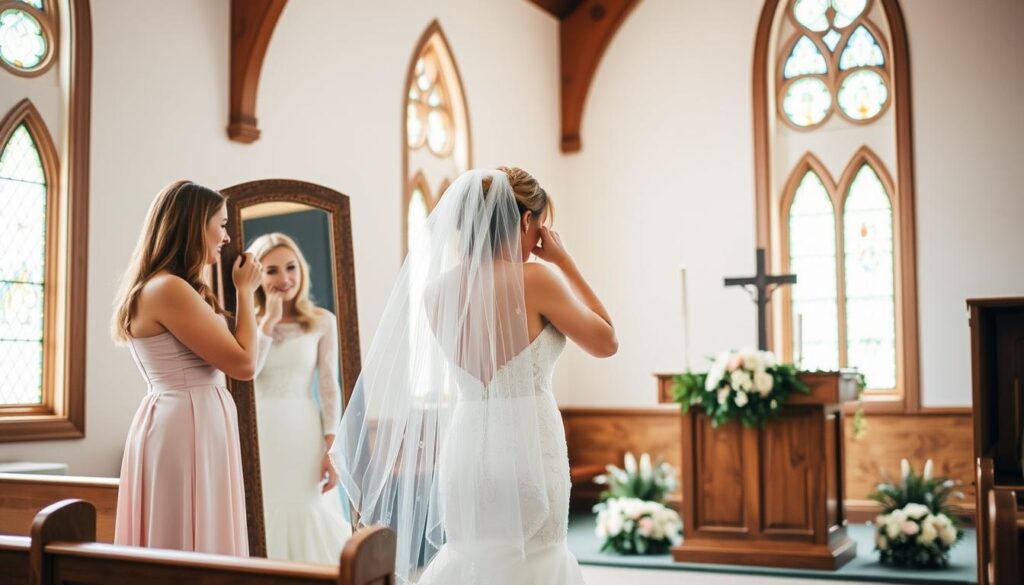
Preparing for a Wedding within the Lutheran Community
Contact the church office immediately after engagement. Most congregations prioritize members and regular attendees when scheduling ceremonies. Typical requirements include:
- Pastoral meetings to discuss vows and ceremony structure
- Premarital counseling sessions addressing communication and conflict resolution
- Flexibility to honor traditions while personalizing readings or music
Connecting with Your Church Office for Guidance
Beyond the big day, congregations provide ongoing support networks. The Lutheran Church Missouri Synod offers resources like marriage enrichment workshops and crisis assistance programs. Many churches host:
- Monthly couples’ gatherings for shared learning
- Confidential pastoral care for relationship challenges
- Access to studies like “Divorce and Remarriage: An Exegetical Study”
By viewing weddings as starting points rather than final destinations, couples tap into generations of wisdom. Regular contact with the church office ensures access to tools that help love grow stronger through life’s changes.
Conclusion
Building partnerships that endure requires both vision and practical tools. The Lutheran Church Missouri Synod views sacred unions as covenants balancing divine purpose with human care. Through Scripture and community support, couples find wisdom for modern challenges while honoring timeless values.
Every relationship faces storms, but grace offers hope when mistakes happen. Local congregations provide ongoing guidance—from premarital counseling to decades-long mentorship. These resources help partners grow together while strengthening families and society.
Explore the LCMS website’s FAQ section for documents addressing contemporary issues. Whether preparing for weddings or navigating tough seasons, connecting with your church office creates access to lifelong tools. Together, we can build unions that reflect love’s healing power in our world.
FAQ
How does the Lutheran tradition view the purpose of marriage?
It’s seen as a sacred partnership rooted in mutual love, respect, and faithfulness. The church emphasizes commitment as a reflection of God’s grace, where spouses support each other through life’s challenges and joys.
What role does Scripture play in shaping views about relationships?
Biblical teachings provide the foundation for understanding marriage as a lifelong covenant. Passages like Ephesians 5 highlight love, sacrifice, and unity, while grace and forgiveness are central to healing brokenness in partnerships.
Can couples from different faith backgrounds marry in the church?
Many congregations encourage open dialogue with the church office to address concerns. While teachings emphasize shared spiritual values, pastors often work with couples to foster understanding and respect across differences.
How does the church support struggling marriages?
Congregations offer resources like counseling, prayer groups, and workshops focused on communication and renewal. The emphasis on grace creates space for healing, helping couples rebuild trust and connection.
What guidelines exist for wedding ceremonies in Lutheran communities?
Couples typically meet with pastors to discuss vows, Scripture readings, and the sacrament’s significance. The church office helps plan services that honor tradition while reflecting the couple’s unique story.
How are modern societal changes addressed in teachings about family life?
While upholding scriptural principles, many congregations adapt to cultural shifts by offering inclusive support. Focus remains on nurturing Christ-centered homes, whether through blended families, single parents, or other dynamics.
What’s the stance on divorce within the church?
Divorce is viewed with compassion, recognizing human imperfection. Pastors emphasize forgiveness and care for all affected, guiding individuals toward healing while upholding the sacredness of marital vows.