Baptism is a significant sacrament in the United Methodist tradition, symbolizing God’s grace and the believer’s covenant with Him.
This sacred ritual is a foundational element of Christian faith, marking an individual’s initiation into the community of believers.
The United Methodist Church places a strong emphasis on baptism, viewing it as a means of grace that brings new life to the believer.
This article will explore the theology behind baptism, its practices, and its significance in the life of a Christian, providing a comprehensive understanding of baptism practices within the United Methodist faith.
Key Takeaways
- Baptism is a sacrament symbolizing God’s grace.
- It marks an individual’s initiation into the Christian community.
- The United Methodist Church emphasizes baptism as a means of grace.
- The theology behind baptism is rooted in Christian tradition.
- Baptism practices vary but hold significant spiritual meaning.
Understanding Baptism in the United Methodist Church
In the United Methodist Church, baptism is understood as a sacrament where God saves and claims individuals through water. This definition is foundational to understanding the significance and practices surrounding baptism within the church.
Definition of Baptism
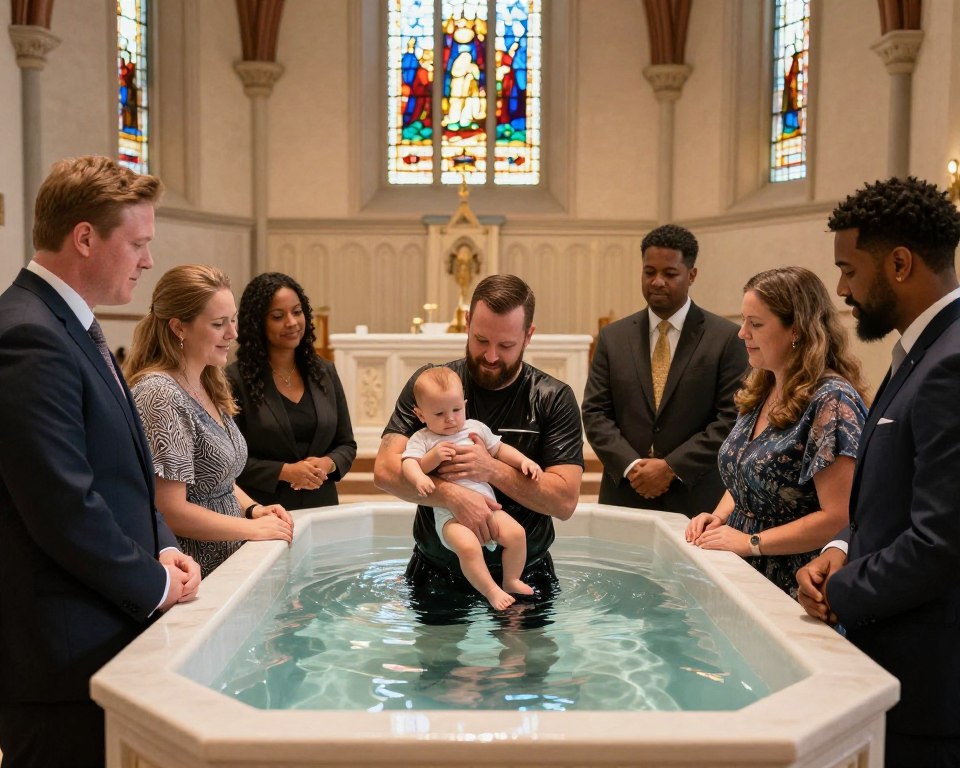
Baptism is considered a sacrament, a means of grace whereby God saves and claims us. It is an act where water is used as a symbol of divine grace, initiating individuals into the covenant community. The United Methodist Church practices baptism by sprinkling, pouring, or immersion, recognizing the validity of each mode as long as it is performed with the Trinitarian formula.
The baptismal vows are a crucial part of the baptism ceremony, where individuals or their sponsors on their behalf renounce evil and profess faith in God. These vows signify the commitment to follow Christ and live according to His teachings.
Significance of Baptism
The significance of baptism lies in its role as a symbol of cleansing from sin and the beginning of a new life in Christ. It is a moment of initiation into the community of believers, marking the individual’s commitment to their faith journey.
The congregation plays a vital role in baptism, as they witness the sacrament and commit to supporting the baptized individual in their spiritual journey. This communal aspect underscores the church’s role in nurturing the faith of its members.
The United Methodist Church’s understanding of baptism is rooted in its theological stance on sacraments and grace. The following table summarizes key aspects of baptism in the United Methodist Church:
| Aspect | Description |
|---|---|
| Mode of Baptism | Sprinkling, pouring, or immersion |
| Baptismal Formula | Trinitarian (in the name of the Father, Son, and Holy Spirit) |
| Significance | Cleansing from sin, new life in Christ, initiation into the covenant community |
| Role of Congregation | Witnessing the sacrament, committing to support the baptized individual |
Theology Behind Infant Baptism
Understanding the theology behind infant baptism requires examining its scriptural basis and the theological reasons that support this practice within the United Methodist Church.
Scriptural Basis
The practice of infant baptism is grounded in several key scriptural passages. One of the primary references is the baptism of whole households, as mentioned in Acts 16:15 and 1 Corinthians 1:16. These passages suggest that baptism was not limited to individuals but extended to families, supporting the inclusion of infants.
Another significant scriptural foundation is Jesus’ blessing of children, recorded in Matthew 19:13-15 and Mark 10:13-16. These narratives emphasize the importance of children in the kingdom of God and provide a theological basis for their inclusion in baptism.
Reasons for Infant Baptism
The United Methodist Church practices infant baptism for several theological reasons. Firstly, it is seen as a means of God’s grace, initiating the child into a covenant relationship with God. This understanding is rooted in the belief that baptism is not merely a human response but a divine act of grace.
Secondly, infant baptism is viewed as a way of incorporating children into the community of faith. It signifies the child’s membership in the body of Christ and the responsibility of the church to nurture their faith.
Key Aspects of Infant Baptism:
| Theological Aspect | Description |
|---|---|
| God’s Grace | Initiates the child into a covenant relationship with God |
| Community Incorporation | Signifies the child’s membership in the body of Christ |
| Faith Nurturing | Implies the responsibility of the church to nurture the child’s faith |
By practicing infant baptism, the United Methodist Church underscores its commitment to the theological principles of grace, community, and nurture.
The Role of Confirmation in Baptism
The United Methodist Church views confirmation as an essential step in a Christian’s life, reaffirming their baptismal vows. This sacrament is deeply intertwined with baptism, serving as a personal commitment to the faith initially professed on one’s behalf during infant baptism or as a reaffirmation for those baptized as adults.
What is Confirmation?
Confirmation in the United Methodist Church is a significant ritual where individuals confirm their faith in Christ, making a personal commitment to their Christian beliefs. It is a moment of spiritual significance, marking a person’s conscious decision to embrace the faith into which they were baptized.
Key aspects of confirmation include:
- A personal reaffirmation of baptismal vows
- A conscious decision to follow Christ
- A rite that signifies spiritual maturity
How Confirmation Relates to Baptism
Confirmation is an integral part of the baptismal covenant in the United Methodist Church. It is the moment when individuals, now able to make informed decisions about their faith, reaffirm the vows made on their behalf at baptism. This connection between baptism and confirmation underscores the church’s understanding of the sacraments as part of a continuum of faith development.
The relationship between baptism and confirmation can be illustrated through the following table:
| Aspect | Baptism | Confirmation |
|---|---|---|
| Purpose | Initiation into the Christian faith | Reaffirmation of faith and personal commitment |
| Participants | Infants or adults being baptized | Individuals reaffirming their baptismal vows |
| Significance | Entry into the community of believers | Personal commitment to Christian faith |
In conclusion, confirmation is a vital component of the United Methodist Church’s baptismal practices, serving as a rite of passage where individuals personally commit to their Christian faith. Understanding the role of confirmation in relation to baptism provides insight into the church’s theology and practices regarding these sacraments.
Adult Baptism in the United Methodist Church
In the United Methodist Church, adult baptism is a meaningful practice for those who have not been previously baptized or for those seeking to reaffirm their faith. This sacrament is a significant step in an individual’s spiritual journey, representing a public declaration of their commitment to Jesus Christ.
Process and Requirements
The process of adult baptism in the United Methodist Church involves several steps, including preparatory classes or interviews with a pastor. These classes are designed to educate individuals about the significance of baptism, the beliefs of the United Methodist Church, and the commitments involved in being a Christian. The specific requirements may vary depending on the local church, but the overall goal is to ensure that the individual is making an informed decision about their faith.
During these preparatory sessions, individuals will have the opportunity to ask questions, explore their faith, and understand the vows they will be making during the baptism ceremony. This period of preparation is a crucial aspect of the baptism process, as it allows individuals to reflect on their decision and deepen their understanding of their commitment.
The Meaning of Adult Baptism
Adult baptism is a profound symbol of one’s personal commitment to Christ. It represents a public declaration of faith, a willingness to follow Jesus Christ, and a commitment to living according to Christian principles. Through baptism, individuals are welcomed into the community of believers, and they become part of the body of Christ.
The act of adult baptism is also seen as a symbol of spiritual rebirth, marking a significant turning point in an individual’s life. It signifies a new beginning, a fresh start, and a renewed commitment to living a life guided by faith. For many, this moment is deeply meaningful, representing a public affirmation of their beliefs and values.
In summary, adult baptism in the United Methodist Church is a significant and meaningful practice that represents an individual’s commitment to their faith. Through a process of preparation and reflection, individuals are welcomed into the community of believers, marking an important milestone in their spiritual journey.
The Baptism Ceremony Explained
Understanding the United Methodist Church baptism service requires exploring its core components and their meanings. The ceremony is a significant ritual that marks an individual’s initiation into the Christian faith.
Elements of the Ceremony
The baptism ceremony in the United Methodist Church involves several key elements, including the use of water, prayers, and the pronouncement of God’s grace. The use of water symbolizes purification and renewal, reflecting the biblical tradition of baptism as a symbol of spiritual rebirth.
The ceremony may involve sprinkling, pouring, or immersion, with the mode chosen based on the individual’s preference or the pastor’s discretion. Regardless of the method, the act signifies the washing away of sin and the beginning of a new life in Christ.
Role of the Pastor
The pastor plays a crucial role in the baptism ceremony, serving as a representative of the church and guiding the congregation through the ritual. The pastor is responsible for performing the baptism, offering prayers, and providing a brief explanation of the sacrament’s significance.
| Element | Significance |
|---|---|
| Use of Water | Symbolizes purification and spiritual rebirth |
| Prayers | Invokes God’s grace and blessing upon the individual |
| Pronouncement of God’s Grace | Declares the forgiveness of sins and the individual’s new status in Christ |
The baptism ceremony is a beautiful expression of faith and commitment, rich in tradition and spiritual significance. Through its various elements, the United Methodist Church baptism service provides a meaningful experience for individuals and their families.
Choosing Godparents or Sponsors
Godparents or sponsors play a vital role in the baptismal vows within the United Methodist Church tradition. They are chosen to support the baptized individual in their faith journey, providing guidance and encouragement along the way.
The selection of godparents or sponsors is not taken lightly. It is a decision that involves choosing individuals who are committed to their faith and willing to take on the responsibilities associated with this role.
Importance of Godparents
Godparents are essential in the baptismal process as they vow to support the individual being baptized. For infant baptisms, godparents make promises on behalf of the child, committing to raise them in the faith. For adult baptisms, sponsors or godparents provide support and encouragement as the individual continues their faith journey.
The role of godparents is multifaceted. They serve as:
- Spiritual guides, offering wisdom and counsel
- Role models, demonstrating Christian values and practices
- Supporters, providing encouragement and prayer
Responsibilities of Godparents
The responsibilities of godparents are significant. They are expected to:
| Responsibility | Description |
|---|---|
| Spiritual Guidance | Provide guidance on Christian living and faith practices |
| Prayer Support | Regularly pray for the baptized individual |
| Role Modeling | Demonstrate Christian values and practices in daily life |
By taking on these responsibilities, godparents or sponsors help to nurture the faith of the baptized individual, supporting them as they grow in their relationship with God.
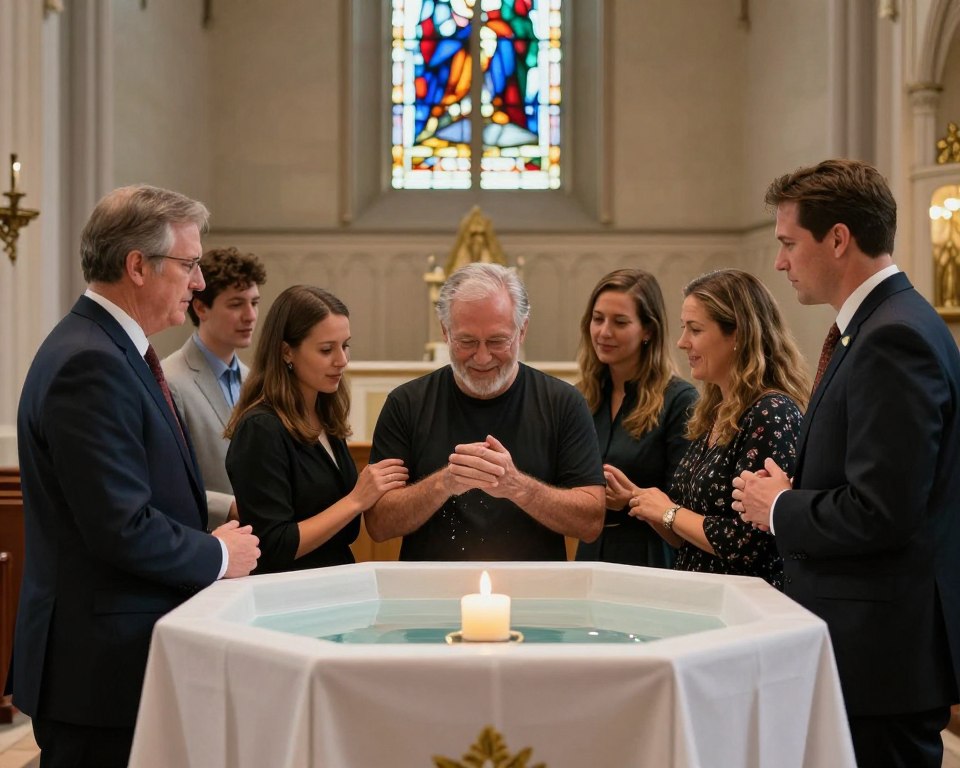
In conclusion, the role of godparents or sponsors in the United Methodist Church baptismal process is both significant and multifaceted. Their vows and responsibilities underscore the importance of community and support in the faith journey of the baptized individual.
Preparing for Baptism
The United Methodist Church emphasizes preparation for baptism through various means, including classes and resources for families. This preparation is crucial for understanding the significance of baptism and the role families play in this sacrament.
Pre-Baptism Classes
Pre-baptism classes are a common requirement or recommendation in many United Methodist churches. These classes serve as an educational tool to inform families about the baptismal process, the vows they will make, and the commitments they are undertaking on behalf of their child.
What to Expect: Typically, these classes cover the basics of baptism, the role of godparents or sponsors, and the responsibilities of the family in raising their child within the Christian faith.
Resources for Families
In addition to pre-baptism classes, the United Methodist Church provides various resources to help families understand and prepare for baptism. These resources may include literature, online materials, and support from church staff.
| Resource Type | Description | Benefit |
|---|---|---|
| Literature | Booklets and pamphlets explaining baptism | Provides detailed understanding of baptismal vows and commitments |
| Online Materials | Websites and digital guides | Offers accessible information for families to prepare at their own pace |
| Church Support | Guidance from pastors and church members | Provides personal and community support for families |
By utilizing these resources and participating in pre-baptism classes, families can gain a deeper understanding of the baptism process and their role within it, ensuring a meaningful and informed decision.
Baptism versus Dedication
The United Methodist Church recognizes both baptism and dedication as important rituals, but they differ in their theological implications and practices. Baptism is considered a sacrament, a means of grace where God acts upon the individual, while dedication is seen as a human act of commitment to raise a child in the faith.
Differences Between Baptism and Dedication
Baptism and dedication have distinct meanings within the United Methodist tradition. The key differences include:
- Baptism is a sacrament that involves the act of God, making it a significant ritual for initiating a person into the Christian faith.
- Dedication, on the other hand, is an act where parents or guardians commit to raising their child according to Christian values and principles.
While baptism is seen as a sacrament that confers grace, dedication is viewed as a commitment or vow made by the family to the child and to God.
When to Choose Dedication
Families may choose dedication over baptism for various reasons. Some may not feel ready for the sacrament of baptism, or they may wish to delay it until the child is older. Others might view dedication as a way to express their commitment to raising their child with Christian values without the sacramental aspect.
When deciding between baptism and dedication, families should consider their beliefs, their relationship with the church, and their understanding of these practices. It’s also beneficial to discuss these decisions with church leaders or pastors to gain a deeper understanding of the implications of each choice.
In conclusion, while both baptism and dedication are meaningful practices, they serve different purposes. Understanding these differences is crucial for making an informed decision that aligns with one’s beliefs and values.
Frequently Asked Questions About Baptism
Baptism is a significant sacrament in the United Methodist Church, and it’s natural to have questions about the practice. One common inquiry is about the mode of baptism, whether it’s by sprinkling, pouring, or immersion. The United Methodist Church allows for all these modes, emphasizing the symbolic act of baptism rather than the specific method.
Common Queries
The baptismal font plays a crucial role in the baptism ceremony, serving as the vessel for the water used in the sacrament. The united methodist church baptismal font is often a beautiful piece of church furniture, symbolizing the spiritual significance of baptism.
Clarifying Misconceptions
Another question often raised is about the united methodist church baptismal covenant, which is a commitment made by the baptized person or their sponsors to live according to Christian principles. Understanding this covenant is essential to appreciating the full meaning of baptism in the United Methodist tradition.
By addressing these common questions and clarifying misconceptions, individuals can gain a deeper understanding of baptism and its significance in the United Methodist Church.
FAQ
What is the mode of baptism used in the United Methodist Church?
The United Methodist Church practices baptism by sprinkling, pouring, or immersion, symbolizing the cleansing of sin and new life in Christ.
What is the significance of the baptismal font in the United Methodist Church?
The baptismal font represents the source of spiritual life and renewal, serving as a visual reminder of God’s grace and the covenant community.
What are baptismal vows, and what do they entail?
Baptismal vows are promises made by the individual being baptized, or on their behalf by godparents, to renounce sin, profess faith in Christ, and commit to living a life guided by Christian principles.
What is the baptismal covenant, and how is it practiced in the United Methodist Church?
The baptismal covenant is a series of vows and promises that outline the responsibilities of the baptized individual and the congregation in supporting their faith journey, reaffirming their commitment to Christ and the community of faith.
What are the requirements for adult baptism in the United Methodist Church?
Adult baptism typically involves preparatory classes or interviews with a pastor to understand the significance of baptism, the basics of Christian faith, and the individual’s personal commitment to Christ.
Can infants be baptized in the United Methodist Church?
Yes, the United Methodist Church practices infant baptism, believing it signifies God’s initiative in salvation and the child’s incorporation into the community of faith.
What is the role of godparents or sponsors in baptism?
Godparents or sponsors make vows on behalf of the child being baptized, promising to support their spiritual growth and development, and serve as role models in the faith.
What is the difference between baptism and dedication?
Baptism is a sacrament where God acts, initiating the individual into the covenant community, whereas dedication is a human act of pledging to raise the child in the faith, often chosen when baptism is not performed.
How does confirmation relate to baptism in the United Methodist Church?
Confirmation is a moment for individuals to personally reaffirm their baptismal vows, committing to their faith in Christ, and is seen as a significant step in their spiritual journey.
What is the significance of baptism in the life of a Christian?
Baptism marks the beginning of a new life in Christ, symbolizes cleansing from sin, and initiates individuals into the covenant community, serving as a foundational element of Christian faith.