The Eucharist is a central aspect of Anglican worship, representing a profound expression of faith and community. Within the Anglican Communion, there exists a rich diversity of theological perspectives on the Eucharist, reflecting the tradition’s broad and inclusive nature.
At its core, the Eucharist is a celebration of the life, death, and resurrection of Jesus Christ, embodying the values of love, forgiveness, and unity. Anglicans approach the Eucharist with reverence and openness, embracing a range of understandings about Christ’s presence in the sacrament.
Key Takeaways
- Understanding the Eucharist is crucial to grasping Anglican beliefs and practices.
- The Eucharist is a symbol of unity among Anglicans worldwide.
- Diverse theological perspectives on the Eucharist exist within the Anglican Communion.
- The Eucharist embodies core Christian values such as love and forgiveness.
- Anglicans celebrate the Eucharist with reverence and an openness to different interpretations.
Understanding the Eucharist in Anglicanism
Anglican beliefs on the Eucharist are rooted in a rich history and diverse theological perspectives. The Eucharist, a central element of Anglican worship, is understood through the lens of tradition, scripture, and reason.
What is the Eucharist?
The Eucharist, also known as Holy Communion, is a sacrament in which believers participate in the body and blood of Christ through bread and wine. This act is seen as a means of grace, fostering spiritual growth and unity among the faithful.
The significance of the Eucharist lies in its ability to bring the community together, reinforcing their bond with Christ and with each other. It is a celebration that transcends mere ritual, embodying the heart of Anglican spirituality.
Historical Context of the Eucharist
The historical context of the Eucharist in Anglicanism is deeply intertwined with the Book of Common Prayer and the Thirty-Nine Articles. These foundational documents have shaped Anglican eucharistic theology, influencing how the sacrament is understood and practiced.
| Historical Document | Influence on Eucharistic Theology |
|---|---|
| Book of Common Prayer | Provides liturgical structure and language for the Eucharist, emphasizing reverence and order. |
| Thirty-Nine Articles | Outlines theological principles, including the nature of sacraments and the Eucharist. |
The Eucharist in Anglicanism is thus a blend of tradition, liturgy, and theology, making it a unique and vital aspect of Anglican worship.
The Significance of the Eucharist
The Eucharist holds a pivotal role in Anglican worship, serving as a cornerstone of communal celebration and spiritual nourishment. It is a sacrament that is deeply ingrained in the liturgical practices of Anglican churches, reflecting the community’s faith and commitment to Christ.
In the Anglican tradition, the Eucharist is not just a ritual but a living expression of the community’s unity and shared beliefs. It is a celebration that brings together the faithful to partake in a sacred meal, symbolizing their communion with Christ and with each other. For more insights into the beliefs and practices of other Christian denominations, you can explore Lutheranism and its main beliefs, which share some similarities with Anglican practices.
A Celebration of Community
The Eucharist is a powerful symbol of community in Anglican churches. It is during the Eucharistic celebration that the community comes together, united in their faith and worship. The act of sharing bread and wine is a poignant reminder of the bonds that tie the community together, fostering a sense of belonging and unity among its members.
The Eucharist as a Means of Grace
In Anglican theology, the Eucharist is considered a means of grace, a sacrament through which God’s grace is conveyed to the faithful. The Eucharist is seen as a channel of divine grace, nourishing the spiritual lives of believers and strengthening their relationship with God.
| Aspect | Description |
|---|---|
| Communal Significance | The Eucharist unites the community in worship and faith. |
| Means of Grace | The Eucharist is a sacrament through which God’s grace is conveyed. |
| Liturgical Practice | The Eucharist is a central part of Anglican liturgical worship. |
The significance of the Eucharist in Anglicanism is multifaceted, encompassing both its role as a celebration of community and its function as a means of grace. Through the Eucharist, Anglicans experience a deepening of their faith and a strengthening of their communal bonds.
Theological Perspectives on the Eucharist
Within Anglicanism, the Eucharist is understood through diverse theological lenses, from real presence to symbolic interpretations. This diversity reflects the complexity and richness of Anglican theology.
Real Presence vs. Symbolism
The debate between real presence and symbolic views of the Eucharist is a longstanding one within Anglican theology. Some Anglicans adhere to a belief in the real presence of Christ in the Eucharist, drawing on Catholic traditions. Others interpret the Eucharist symbolically, emphasizing its role in commemorating Christ’s life, death, and resurrection.
Real Presence: This view posits that Christ is actually present in the elements of bread and wine. It is often associated with a more sacramental understanding of the Eucharist.
Symbolic View: In contrast, the symbolic view sees the bread and wine as representations or symbols of Christ’s body and blood, rather than their actual presence.
“The Eucharist is a sacrament of the presence of Christ, not just a symbol or reminder of Him.” –
| Theological Perspective | View of the Eucharist | Key Emphasis |
|---|---|---|
| Real Presence | Christ is actually present in bread and wine | Sacramental understanding |
| Symbolic View | Bread and wine symbolize Christ’s body and blood | Commemorative significance |
The Role of Faith in the Eucharist
Faith plays a crucial role in the Eucharist, as it does in other sacraments. For Anglicans, faith is not just about belief but also about the active participation in the sacrament. The Eucharist is seen as a means of grace, where faith is nurtured and deepened through the act of communion.
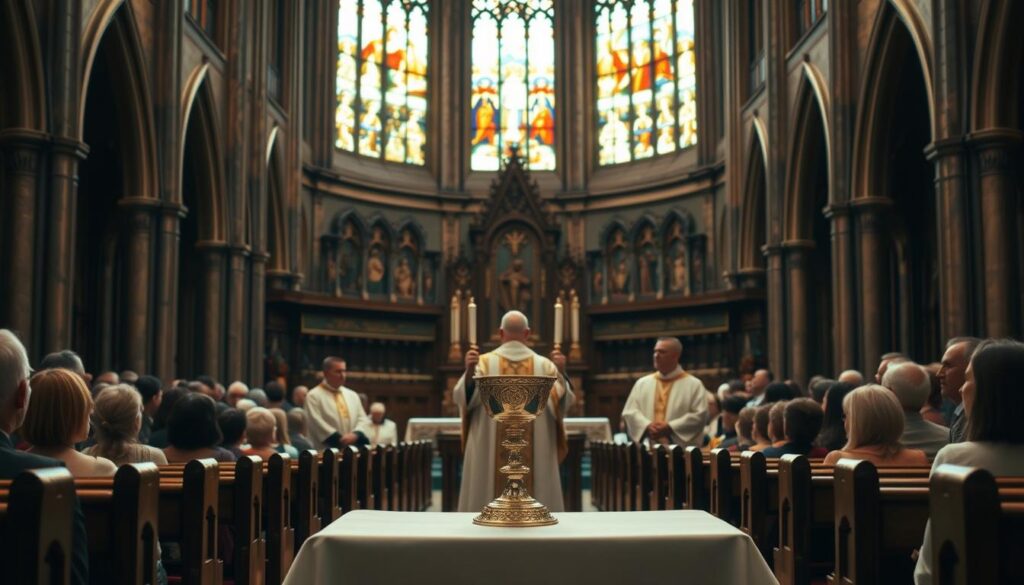
The Eucharist is a multifaceted sacrament that encompasses a range of theological perspectives within Anglicanism. Understanding these perspectives can deepen one’s appreciation for the complexity and richness of Anglican theology and practice.
The Eucharist in Anglican Worship
The celebration of the Eucharist in Anglican worship is a unifying factor despite liturgical variations. This unity is reflected in the shared belief in the significance of the Eucharist, even as the specifics of its celebration can differ widely among Anglican churches.
Liturgical Practices and Variations
Anglican liturgical practices regarding the Eucharist are diverse, reflecting the broad spectrum of Anglican tradition. Some churches follow a more formal, traditional liturgy, while others adopt a more contemporary approach. This diversity is a hallmark of Anglican worship, allowing for a rich tapestry of Eucharistic celebrations.
Traditional Practices: In some Anglican churches, the Eucharist is celebrated with a high degree of formality, incorporating traditional prayers and rituals. These services often follow established liturgical guidelines, ensuring a sense of continuity with the broader Anglican Communion.
Contemporary Approaches: Other Anglican churches have adopted more contemporary approaches to the Eucharist, incorporating modern language and musical elements. These services aim to make the Eucharist more accessible and engaging to a wider audience.
The Role of Clergy and Congregation
The roles of clergy and congregation in the Eucharist are complementary, each playing a vital part in the celebration. Clergy are responsible for leading the service, consecrating the elements, and distributing Communion. The congregation participates actively, engaging in prayers, hymns, and responses.
- Clergy Roles: Clergy lead the Eucharistic service, ensuring that it is conducted in accordance with Anglican liturgical norms.
- Congregational Participation: The congregation plays an active role, participating in the liturgy and receiving Communion.
This collaborative approach to the Eucharist underscores the communal nature of Anglican worship, emphasizing the shared faith and practice of the community.
The Frequency of Eucharistic Celebrations
Anglican churches observe the Eucharist with varying frequencies, reflecting diverse traditions within the denomination. This variation is a reflection of the broad spectrum of practices within Anglicanism, accommodating different theological emphases and congregational preferences.
The frequency of Eucharistic celebrations can significantly impact the spiritual life of Anglican congregations. While some churches celebrate the Eucharist weekly, others observe it monthly. This difference in practice is rooted in various factors, including theological perspectives and local customs.
Weekly vs. Monthly Observance
Weekly Eucharistic celebrations are common in many Anglican churches, particularly those with a more sacramental or high church tradition. These churches emphasize the importance of regular communion in the spiritual lives of their members.
In contrast, some Anglican churches, often with a low church or more evangelical orientation, may celebrate the Eucharist less frequently, such as on a monthly basis. This practice may be accompanied by other forms of worship and community activities.
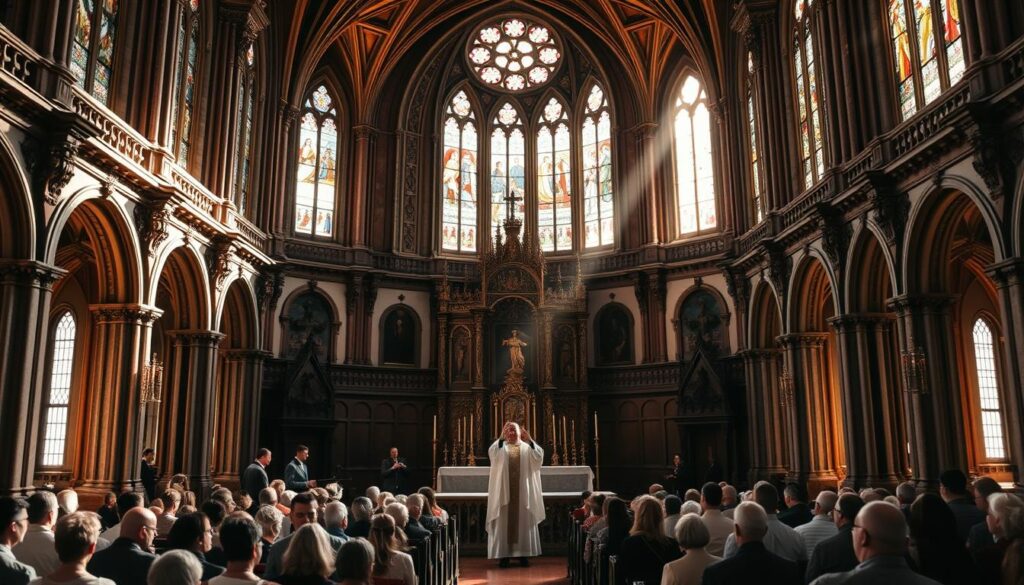
Special Occasions and Events
Beyond regular weekly or monthly celebrations, the Eucharist plays a significant role in special occasions and events within Anglican churches. These can include major Christian festivals such as Easter and Christmas, as well as significant life events like weddings and funerals.
The Eucharist is also central to other important religious observances, such as Maundy Thursday services, which commemorate the Last Supper. These special occasions underscore the rich liturgical life of Anglican communities and the diverse ways in which the Eucharist is integrated into their worship and practices.
In conclusion, the frequency of Eucharistic celebrations in Anglican churches varies, reflecting the diverse theological and liturgical practices within the Anglican Communion. Understanding these variations provides insight into the rich tapestry of Anglican worship and the central role of the Eucharist in the spiritual lives of its adherents.
The Eucharist and Personal Spirituality
Receiving the Eucharist is a profoundly personal experience for Anglicans, touching the heart of their faith. It is a moment that combines communal worship with individual spirituality, creating a rich tapestry of belief and practice.
Preparing for Communion
For many Anglicans, preparing to receive the Eucharist involves a period of personal reflection and preparation. This might include examining one’s conscience, engaging in prayer and meditation, or simply taking a moment to quiet the mind and focus on the significance of the sacrament.
The practice of preparing for communion can vary widely among individuals. Some may follow traditional pre-communion prayers, while others might use personal devotions or simply be present in the moment, letting go of distractions.
The Experience of Receiving
The act of receiving the Eucharist is often described as a deeply moving and spiritual experience. For many, it’s a moment of intimacy with God, a time when the boundaries between the individual and the divine are felt to be at their most permeable.
Anglicans may experience a range of emotions during communion, from joy and peace to contrition and sorrow. The Eucharist is a sacrament that acknowledges both the human condition and the divine grace, offering a space for personal reflection and spiritual growth.
The experience of receiving the Eucharist can also be influenced by the communal aspect of the service. Being part of a community that shares in this sacred act can enhance the personal experience, creating a sense of unity and shared faith.
Differences within Anglicanism
The Eucharist is a cornerstone of Anglican worship, yet its interpretation and celebration vary significantly across different provinces. This diversity reflects the global nature of the Anglican Communion, encompassing a wide range of cultural, theological, and liturgical traditions.
Variations Among Provinces
Anglican provinces around the world have developed their own unique eucharistic practices, influenced by local culture, history, and theology. For instance, the Episcopal Church in the United States has its own liturgical practices, which may differ from those in the Church of England or the Anglican Church of Australia.
These variations are not limited to liturgical texts but also extend to the frequency and style of Eucharistic celebrations. Some provinces may celebrate the Eucharist weekly, while others may do so monthly or on special occasions.
| Province | Eucharistic Practice | Frequency |
|---|---|---|
| Episcopal Church (USA) | Contemporary liturgy with traditional elements | Weekly |
| Church of England | Traditional Book of Common Prayer | Monthly |
| Anglican Church of Australia | A mix of traditional and contemporary liturgies | Weekly and Special Occasions |
High Church vs. Low Church Perspectives
Within Anglicanism, the terms “High Church” and “Low Church” refer to different theological and liturgical emphases. High Church Anglicans tend to emphasize the sacramental and sacerdotal aspects of the Eucharist, often incorporating more traditional and ritualistic elements into their worship.
In contrast, Low Church Anglicans typically adopt a more evangelical and less formal approach to the Eucharist, focusing on the scripture and the community aspect of the celebration.
The differences between High Church and Low Church perspectives on the Eucharist reflect the broader diversity within Anglicanism, highlighting the richness and complexity of Anglican eucharistic theology and practice.
Inclusivity and Open Communion
The practice of open communion is not uniform across all Anglican churches, reflecting a range of theological perspectives. This diversity is a hallmark of the Anglican Communion, allowing for a rich tapestry of beliefs and practices regarding the Eucharist.
Who Can Participate?
Anglican churches vary in their approach to who can participate in the Eucharist. Some practice open communion, welcoming all baptized Christians to receive the sacrament, while others are more restrictive, requiring participants to be confirmed or to be members of their particular congregation.
The decision on who can participate is often influenced by the local church’s interpretation of Anglican Eucharistic theology. This includes considerations of the significance of baptism, confirmation, and the individual’s faith journey.
| Practice | Description | Theological Basis |
|---|---|---|
| Open Communion | All baptized Christians are welcome | Emphasis on baptism as the primary sacrament for initiation into Christ’s body |
| Closed Communion | Only confirmed Anglicans or members of the local congregation can participate | Importance of confirmation as a step towards full participation in church life |
The Importance of Invitation
The invitation to participate in the Eucharist is a significant aspect of Anglican worship. It is often accompanied by a welcome to the table, emphasizing the inclusive nature of the sacrament. This invitation is not just a procedural step but a meaningful moment that underscores the community’s openness and hospitality.
By extending an invitation to communion, Anglican churches highlight their understanding of the Eucharist as a source of unity and grace. This practice is deeply rooted in Anglican Eucharistic theology, which views the sacrament as a means of grace and a celebration of community.
The variability in practices regarding who can participate in the Eucharist reflects the broader diversity within Anglicanism. Despite these differences, the Eucharist remains a central element of Anglican worship, embodying the community’s commitment to faith, unity, and the pursuit of spiritual growth.
Conclusion: The Importance of the Eucharist
The Eucharist is a cornerstone of Anglican worship and spirituality, embodying the community’s beliefs and practices. Understanding the Anglican communion views on the Eucharist provides insight into the significance of this sacrament in the lives of Anglican Christians.
Core Beliefs and Practices
Throughout this article, we have explored the various aspects of the Eucharist in Anglicanism, from its historical context to its role in personal spirituality. The Eucharist in Anglicanism is not just a ritual but a means of grace, a celebration of community, and a lifelong journey of faith.
A Lifelong Journey
For Anglican Christians, participating in the Eucharist is a profound experience that nurtures their relationship with God and with each other. As a central element of their faith, the Eucharist continues to be a source of comfort, guidance, and inspiration. It is through this sacrament that Anglicans deepen their understanding of God’s love and their place within the community of believers.
FAQ
What do Anglican Christians believe about the Eucharist?
Anglican Christians believe that the Eucharist, also known as Holy Communion, is a sacrament in which bread and wine are consecrated and received as a means of spiritual nourishment and growth. The specifics of their beliefs vary, with some holding to a real presence view and others to a more symbolic understanding.
What is the historical context of the Eucharist in Anglicanism?
The Eucharist has its roots in the Last Supper and the early Christian church. In Anglicanism, the Eucharist has evolved over time, influenced by the English Reformation and subsequent theological developments, resulting in a diverse range of practices and understandings.
How is the Eucharist celebrated in Anglican worship?
The Eucharist is a central part of Anglican worship, with variations in liturgical practices across different provinces and parishes. The celebration typically involves the consecration of bread and wine, followed by the distribution of communion to the congregation.
What is the significance of the Eucharist in Anglicanism?
The Eucharist is significant in Anglicanism as a means of receiving grace, fostering community, and expressing unity among believers. It is also seen as a way of participating in the life and death of Jesus Christ.
What are the different theological perspectives on the Eucharist within Anglicanism?
Anglicanism encompasses a range of theological perspectives on the Eucharist, including real presence, symbolic, and receptionist views. These perspectives influence how Anglicans understand the sacrament and its role in their spiritual lives.
How often is the Eucharist celebrated in Anglican churches?
The frequency of Eucharistic celebrations varies among Anglican churches, with some observing weekly communion and others monthly or on special occasions. The frequency often depends on the parish’s tradition and liturgical practices.
Who can participate in the Eucharist in Anglican churches?
The policy on who can participate in the Eucharist varies among Anglican churches, with some practicing open communion and others having more restrictive policies. Some churches invite all baptized Christians to participate, while others require confirmation or other prerequisites.
How do Anglicans prepare for receiving the Eucharist?
Preparation for receiving the Eucharist in Anglicanism often involves prayer, reflection, and examination of one’s conscience. Some individuals may also seek confession or spiritual guidance before participating in communion.
What is the difference between High Church and Low Church perspectives on the Eucharist?
High Church Anglicans tend to have a more sacramental understanding of the Eucharist, emphasizing the real presence of Christ, while Low Church Anglicans often have a more symbolic or receptionist view. These differences influence their liturgical practices and worship styles.
How does the Eucharist relate to personal spirituality in Anglicanism?
The Eucharist is deeply connected to personal spirituality in Anglicanism, as it is seen as a means of receiving spiritual nourishment, forgiveness, and guidance. Many Anglicans find that participating in the Eucharist deepens their faith and sense of connection to God and their community.