When planning end-of-life arrangements, many people of faith wonder how their beliefs align with modern practices. For Baptists, questions about cremation often arise due to traditional preferences for burial. This guide explores the intersection of faith, personal choice, and practical considerations to help families navigate these decisions with clarity.
Historically, burial has been the most common practice in Baptist communities, rooted in biblical examples and respect for the body as a temple. However, views on cremation have evolved. Many churches now recognize it as an acceptable option when aligned with sincere spiritual intentions.
We’ll examine scriptural perspectives, cost comparisons between burial and cremation, and how to plan meaningful funeral services. Insights from Southern Baptist leaders and theological teachings provide a balanced framework for honoring loved ones while respecting individual wishes.
Key Takeaways
- Burial remains traditional, but cremation is increasingly accepted in Baptist communities.
- Biblical teachings emphasize honoring the body rather than specific funeral methods.
- Financial factors often influence decisions between burial and cremation.
- Memorial services can adapt to either choice while maintaining spiritual significance.
- Consulting church leaders helps align arrangements with personal beliefs.
Baptist Funeral Traditions and Historical Insights
For generations, faith communities have shaped funeral practices around deeply held beliefs. Early Christian traditions heavily influenced Baptist approaches to honoring loved ones. These customs reflect a reverence for the body’s sacred role in life and death.
Roots in Early Christian Practices
Burial became central to Baptist traditions through biblical examples like Jesus’ entombment (John 19:40). Early church members viewed it as a way to honor the “temple of the Holy Spirit”. This perspective shaped memorial services focused on dignity rather than haste.
Biblical Guidance for Modern Decisions
Scriptures such as John 5:28 highlight resurrection beliefs that shaped funeral views. While the Bible doesn’t forbid other methods, burial became symbolic of hope in physical renewal. Many churches still emphasize this connection during memorial planning.
Today’s services blend historical values with personal preferences. Families often work with spiritual leaders to create meaningful tributes that respect both faith and individual wishes. This balance keeps traditions alive while embracing compassionate flexibility.
Can Baptist Be Cremated? Exploring Beliefs and Choices
Modern families often face tough decisions when honoring loved ones’ final wishes. While traditional practices hold deep meaning, evolving perspectives create space for personal choice. This section unpacks how spiritual values intersect with practical realities in memorial planning.
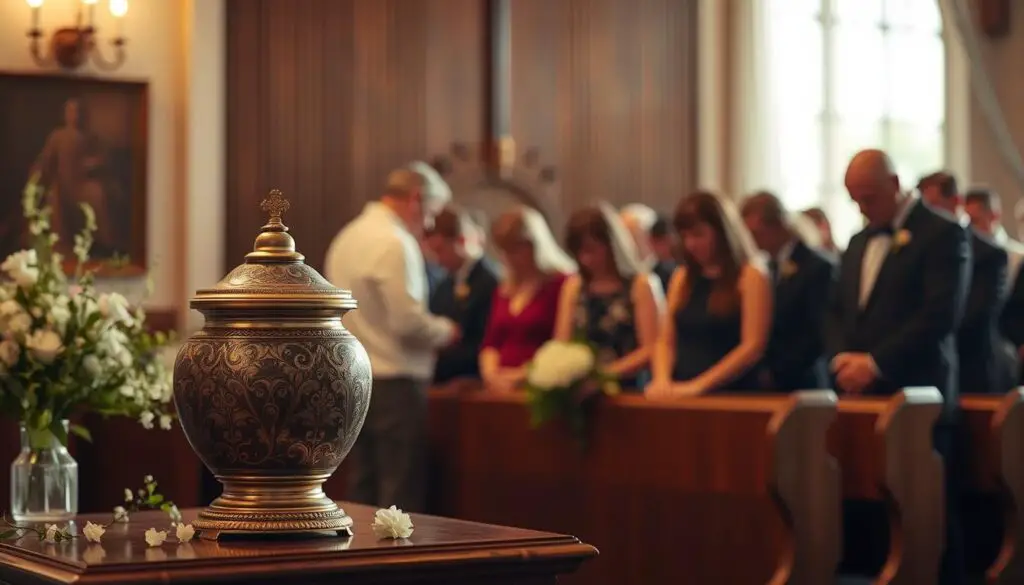
Examining Diverse Spiritual Perspectives
Views on memorial methods vary across congregations. Some leaders emphasize burial’s connection to resurrection symbolism, while others focus on the soul’s eternal journey. Pastor Rick Warren notes, “What matters most is the heart behind the decision, not the method itself.”
Southern Baptist theologian Albert Mohler clarifies:
“Scripture doesn’t condemn cremation but urges respect for the body as God’s creation.”
This balanced approach helps families align actions with theirfaithwithout rigid rules.
Burial and Cremation: Meaningful Contrasts
Traditional burial often symbolizes:
- Physical resurrection hope
- Biblical precedents
- Community mourning rituals
Cremation appeals for practical reasons like cost and flexibility. Yet both methods allow families to:
- Honor the departed’s legacy
- Create personalized services
- Express spiritual truths about life beyond death
Dr. Russell Moore reminds believers: “Our hope lies in Christ’s victory, not preservation methods.” This truth comforts many choosing simpler arrangements while maintaining faith-centered memorials.
Cremation vs Burial: Financial and Personal Considerations
Making final arrangements often involves balancing practical realities with heartfelt intentions. Families weigh costs, logistics, and emotional needs while honoring their loved one’s legacy. Both options carry distinct advantages that shape modern memorial planning.
Cost Factors and Practical Advantages
Cremation typically costs 50-70% less than traditional burial. Urns average $100-$1,000 compared to burial plots exceeding $2,000 in many areas. Transportation fees and casket expenses further widen the gap.
Budget-conscious families appreciate these savings. Cremated remains can be divided among relatives or scattered in meaningful places. This flexibility helps create personalized tributes without financial strain.
Personal Wishes and Family Influences
Many prioritize leaving clear instructions about their preferred memorial method. A 2022 survey found 62% of adults discussed funeral preferences with family members. These conversations prevent disputes during emotional times.
Cultural traditions and geographic factors also play roles. Urban families often choose cremation for simpler logistics. Others opt for burial to maintain generational cemetery connections. Memorial services adapt beautifully to either choice through:
- Custom music or scripture readings
- Displayed photographs and mementos
- Shared stories celebrating the person’s impact
One funeral director notes: “The most meaningful services reflect what mattered to the individual, not just the method.” This approach respects both practical needs and emotional content.
Biblical Foundations: Burial, Resurrection, and Afterlife
Scripture shapes how many believers approach memorial decisions. The Bible provides rich symbolism connecting physical practices with spiritual truths. These teachings offer guidance while allowing room for personal discernment.
Scriptural Examples of Burial in the Bible
Early biblical figures like Abraham (Genesis 23) and Jesus (Matthew 27:60) were buried with care. These accounts show respect for the body as part of God’s creation. The apostle Paul later described baptism as symbolic burial: “We were buried with Christ through baptism into death” (Romans 6:4).
The Role of Resurrection in Baptists’ Beliefs
Resurrection hope remains central to Christian faith. Jesus’ empty tomb (John 20:6-7) anchors this belief. Many churches teach that burial reflects trust in physical renewal, while cremation doesn’t hinder God’s power to restore life.
Key connections between scripture and practice:
- Baptism’s imagery mirrors burial and new life
- Resurrection accounts emphasize bodily transformation
- Fire appears in purification contexts (1 Corinthians 3:13)
Pastor John Piper explains:
“Our earthly bodies matter, but Christ’s resurrection guarantees eternal restoration.”
This perspective helps families honor loved ones while focusing on eternal hope.
Practical Aspects of Baptist Funeral Services
Organizing a meaningful farewell requires balancing spiritual traditions with practical needs. Families often find comfort in structured guidance while preserving personal touches that honor their loved one’s legacy.
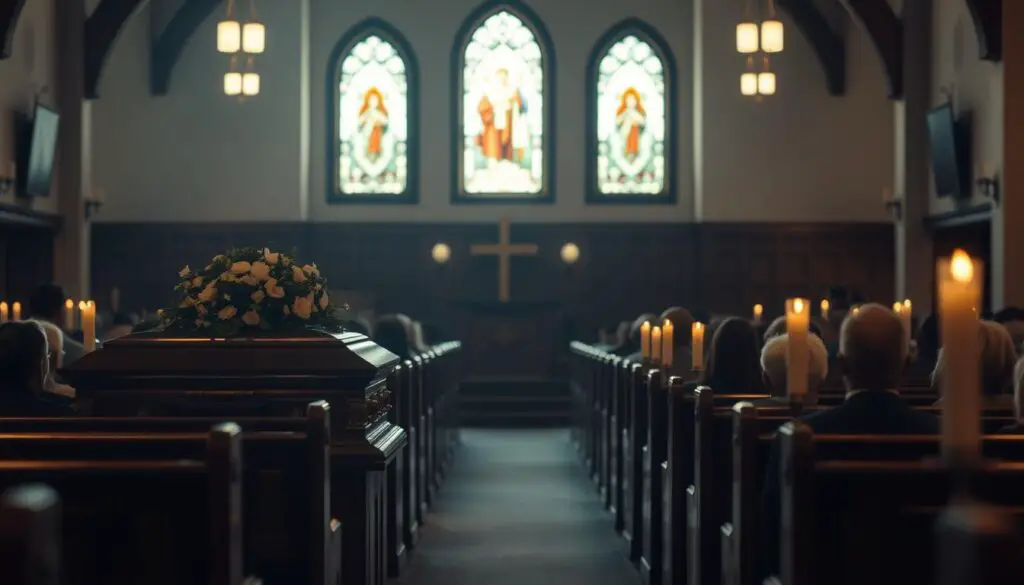
Planning the Service with a Pastor
Begin by contacting your church leader within 24 hours of passing. Most pastors help select scriptures like Psalm 23 or hymns that reflect the person’s spiritual journey. Discuss preferred service elements:
- Memorial location (church or alternative venue)
- Participation of choir or guest speakers
- Inclusion of military honors if applicable
One minister advises: “Share stories that showcase their life’s impact—it makes the service uniquely healing.” Many families combine traditional prayers with video tributes for modern relevance.
Customs: Viewings, Organ Donation, and Interment
Viewings typically occur 1-2 days before the main service, allowing community support. Open-casket arrangements require coordination with funeral homes, while cremation services might display urns alongside photos.
Organ donation aligns with Baptist values of compassion. Discuss timing with medical teams to respect both donation protocols and family wishes. Final interment choices include:
- Burial in church-affiliated cemeteries
- Columbarium niches for cremated remains
- Memorial gardens with engraved stones
Most congregations support various options, focusing on the “celebration of eternal life” rather than specific methods. Clear communication with your church team ensures traditions adapt to your needs gracefully.
Conclusion
Navigating memorial choices requires balancing spiritual values with practical realities. While traditional burial reflects biblical patterns of honoring the body, modern perspectives recognize cremation as a valid option when done respectfully. Financial considerations and personal wishes often guide these decisions, allowing families to honor loved ones in meaningful ways.
Church leaders emphasize that memorial methods matter less than the heart behind them. Many congregations support both approaches, focusing on services that celebrate a person’s legacy. Open dialogue with spiritual advisors helps align arrangements with faith principles while respecting individual preferences.
Whether choosing burial or cremation, the Christian hope remains unchanged. Resurrection beliefs affirm that earthly remains don’t limit eternal restoration. By prioritizing love and remembrance, families create tributes that honor both their loved one’s wishes and enduring spiritual truths.
FAQ
How do Baptist traditions view cremation compared to burial?
Historically, burial has been the preferred choice due to its alignment with biblical examples. However, many modern congregations accept cremation as a personal decision, provided it honors the dignity of the body and respects the family’s wishes.
Are there specific Bible verses that guide Baptists on funeral practices?
Yes. Passages like Genesis 3:19 (“dust to dust”) and 1 Corinthians 15:42-44 (resurrection teachings) shape beliefs. These scriptures emphasize honoring the body while trusting in spiritual renewal after death.
What factors influence a Baptist family’s choice between cremation and burial?
Cost, environmental concerns, and family traditions often play roles. While some prioritize affordability or simplicity, others value maintaining burial customs rooted in their faith community.
How does cost impact decisions about end-of-life arrangements?
Cremation is typically less expensive than traditional burial, which involves caskets, plots, and headstones. Families may choose based on budget, though pastoral guidance ensures spiritual values remain central.
Do Baptists believe cremation affects resurrection beliefs?
Most Baptist teachings affirm that God’s power transcends physical state. Whether buried or cremated, the focus remains on the soul’s eternal destiny rather than the body’s condition.
What role does a pastor play in planning a Baptist funeral?
Pastors often lead services, offering scripture-based comfort and helping families design ceremonies that reflect their loved one’s faith. They may also address theological questions about death and remembrance.
Are viewings or organ donation common in Baptist services?
Viewings are frequent, allowing mourners to gather and reflect. Organ donation is generally supported as an act of compassion, aligning with the belief in serving others even in death.