Walking a faith-filled path means growing in ways that reflect divine grace. Many believers focus on virtues taught through scripture, but fewer recognize how these qualities actively shape daily choices. This guide explores a foundational yet often overlooked aspect of spiritual growth rooted in sacred tradition.
The concept originates from Saint Paul’s teachings in Galatians, where he describes traits that emerge from living in alignment with God. While earlier translations list nine qualities, the Catholic Church recognizes twelve through Saint Jerome’s Latin Vulgate. This distinction highlights how scripture interpretation shapes spiritual practice.
Unlike the seven gifts received through sacraments like baptism, these fruits develop over time as responses to God’s grace. They aren’t passive traits but visible actions—evidence of an inner transformation. Think of them as spiritual habits that mirror Christ’s love in practical ways.
Understanding this difference matters. Gifts equip believers with strength and wisdom, while fruits demonstrate that guidance at work. Together, they create a roadmap for living with purpose, humility, and joy. Let’s explore how these principles can deepen your connection to faith and community.
Key Takeaways
- Twelve spiritual qualities recognized by the Catholic Church stem from biblical teachings in Galatians
- Distinct from sacramental gifts, these traits manifest through daily actions and choices
- Saint Jerome’s Latin translation expanded the original list to twelve fruits
- Fruits develop gradually as responses to divine grace rather than instant blessings
- Serve as practical markers of spiritual growth and Christ-centered living
Understanding the Fruits and Gifts of the Holy Spirit
Spiritual growth blossoms through both divine gifts and lived actions. While sacred teachings provide a foundation, daily choices reveal how deeply those principles take root. Let’s unpack how sacred tradition differentiates between enduring virtues and their visible outcomes.
https://www.youtube.com/watch?v=v88TP_B42mg&pp=0gcJCdgAo7VqN5tD
Overview of the 12 Fruits in Sacred Tradition
Early Christian writings highlight qualities that emerge from a grace-filled life. Saint Paul’s letter to the Galatians originally listed nine traits, but later translations expanded this. Saint Jerome’s Latin Vulgate—the Church’s official text—added three more, shaping the twelve we recognize today.
How Gifts and Fruits Work Together
Seven spiritual gifts, like wisdom and courage, are received through sacraments. These act as inner strengths guiding decisions. Fruits, however, are outward expressions—patience during hardship or kindness toward strangers. Think of gifts as seeds planted, and fruits as the harvest they produce.
This distinction matters because one fuels the other. Gifts equip believers; fruits demonstrate that guidance in motion. Together, they form a cycle where faith deepens through both receiving and giving.
Unpacking the catholic 12 fruits of the holy spirit
These spiritual markers transform ordinary moments into opportunities for growth. They don’t demand perfection—just a willingness to let grace shape how we think, speak, and act.
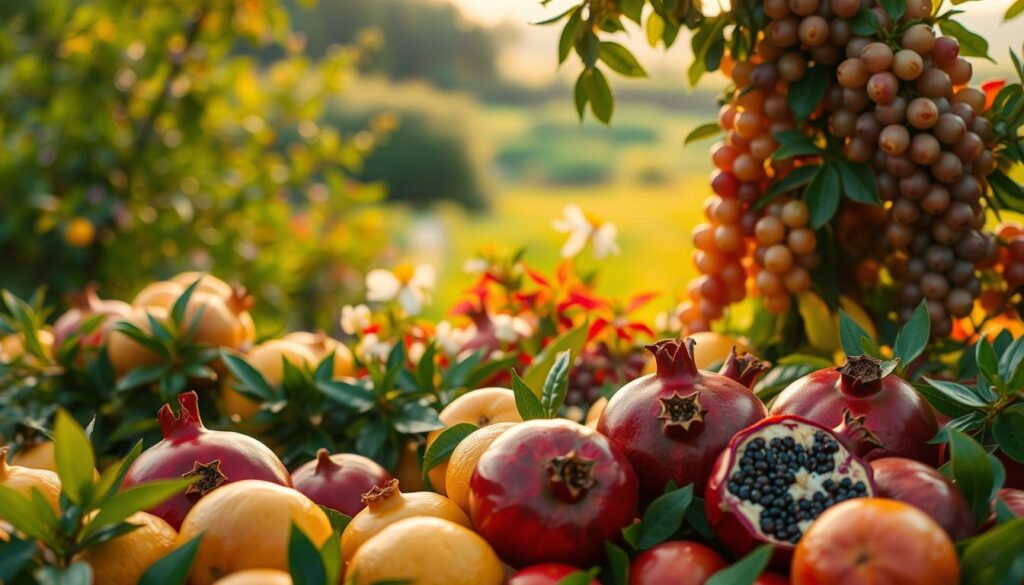
Exploring the Significance of Charity, Joy, and Peace
Charity moves beyond fleeting emotions. It’s choosing to serve others even when inconvenient—like helping a neighbor despite a hectic schedule. This love mirrors divine compassion without expecting applause.
Joy thrives in life’s storms. Unlike temporary happiness, it anchors us during setbacks. Imagine facing job loss yet feeling steadied by faith—that’s joy in motion.
Peace isn’t about calm circumstances. It’s the quiet confidence that comes from trusting God’s plan. Think of it as spiritual shock absorption for life’s bumpy roads.
Examining Patience, Kindness, and Goodness in Action
Patience sees people as works in progress. When a coworker repeats mistakes, respond with understanding—not frustration. We’re all learning.
Kindness notices hidden needs. It’s paying for a stranger’s groceries or listening when others rush by. These small acts create ripples of hope.
Goodness takes courage. It means speaking truth gently or walking away from gossip. Like a compass, it points toward integrity when shortcuts tempt us.
The Importance of Longanimity, Mildness, and Modesty Today
Longanimity is patience on steroids. When criticized unfairly, it’s staying calm instead of retaliating. Picture enduring daily traffic without road rage—that’s spiritual stamina.
Mildness disarms conflict. Someone cuts you off? Respond with a prayer instead of honking. It’s strength wearing gentle gloves.
Modesty celebrates quietly. Got promoted? Thank God privately before updating LinkedIn. True success grows best in humble soil.
Practical Ways to Manifest the Fruits in Daily Life
Daily actions become spiritual stepping stones when aligned with sacred virtues. Modern distractions might pull us toward quick fixes, but lasting growth happens through intentional, consistent choices. Let’s explore how small efforts can ripple outward, shaping both personal behavior and community connections.
Cultivating Spiritual Habits through Prayer and Reflection
Start mornings with five minutes of quiet gratitude. This simple practice anchors your awareness of divine presence. Pair scripture reading with real-life application—ask, “How does this passage guide my choices today?”
Weekly faith journals track progress without judgment. Note moments when patience felt natural or kindness flowed freely. Over time, patterns reveal where virtues thrive and where grace is needed.
Living Out Acts of Love and Compassion in Your Community
Transform grocery runs into opportunities. Smile at stressed parents. Let someone with fewer items go ahead. These micro-acts of compassion build spiritual muscles for bigger challenges.
Volunteer roles needn’t be grand. Tutor a neighborhood child. Share garden harvests. When we meet tangible needs, abstract virtues become visible. As one food bank regular notes: “Helping others reminds me who I’m called to be.”
Workplace ethics matter too. Return incorrect change. Credit colleagues’ ideas. Such choices create cultures where goodness flourishes. Remember—every action plants seeds, even if you never see the harvest.
Conclusion
Growing spiritually happens through daily choices that mirror Christ’s teachings. The virtues we nurture—like compassion and patience—don’t bloom overnight. They take root when we use the gifts given through sacraments like baptism and confirmation, shaping how we engage with challenges and joys alike.
These qualities transform ordinary moments. Holding back harsh words during stress or sharing resources quietly creates ripples of peace. Your actions become living proof of faith’s transformative power, inspiring others to explore their own spiritual paths.
Trust the process. The journey toward virtue isn’t about perfection but persistence. As you lean into divine guidance, your life naturally reflects more goodness—making neighborhoods kinder and hearts lighter. After all, as scripture reminds us, healthy trees bear lasting fruit that nourishes everyone around them.
FAQ
How do the fruits differ from the seven gifts?
While the gifts empower believers with divine abilities like wisdom or courage, the fruits reflect outward behaviors shaped by those gifts. Think of gifts as tools received and fruits as visible results grown through using them.
Why are joy and peace considered spiritual fruits?
True joy and peace come from trusting a higher purpose, even during challenges. They’re not fleeting emotions but steady states rooted in faith, showing resilience against life’s chaos.
Can kindness impact modern relationships?
Absolutely. Kindness builds bridges in divided spaces by prioritizing empathy over judgment. Small acts—like listening without interrupting—create trust and reflect inner spiritual growth.
What’s the role of patience in personal growth?
Patience teaches perseverance, helping people navigate setbacks without bitterness. It fosters humility, reminding us growth takes time—like a tree bearing fruit only after seasons of care.
How can communities practice goodness today?
Start by addressing local needs collaboratively. Food drives, mentorship programs, or simply checking on neighbors turn abstract virtues into tangible acts that uplift everyone involved.
Does modesty still matter in a digital age?
Yes—it’s about authenticity over attention. Modesty encourages valuing quiet integrity rather than chasing validation, helping people stay grounded amid social media pressures.