In a world where polished answers often overshadow raw truth, one platform stands apart. Catholic Unscripted brings real spiritual journeys to the forefront, creating space for believers to explore faith without filters. This initiative goes beyond surface-level discussions, diving deep into how modern Christians navigate life’s complexities.
Host Mark Lambert leads conversations that feel more like coffee chats than formal debates. The focus? Real people sharing real struggles—from balancing work and prayer to facing doubts in a secular age. These stories don’t come wrapped in perfect packaging, making them relatable to anyone walking their spiritual path.
What makes this approach unique? It’s built on the idea that faith grows strongest when we’re honest about our questions. Traditional religious media often prioritizes doctrine over dialogue. Here, personal experiences take center stage, showing how ancient teachings meet modern challenges.
Key Takeaways
- Features genuine conversations about spiritual growth and everyday challenges
- Creates accessible content for both committed believers and spiritual seekers
- Highlights personal stories over institutional messaging
- Addresses contemporary issues impacting faith communities
- Encourages open dialogue about doubts and uncertainties
This fresh take on religious content meets people where they are—whether they’re deeply rooted in tradition or just starting to explore spirituality. By giving voice to unvarnished truth, the platform helps listeners find connection in unexpected places.
Exploring the Genesis of Catholic Unscripted
When voices fall silent, important conversations fade—until someone decides to speak up again. In 2019, Gavin Ashenden chose to step back from public discourse. Four years later, that silence broke like thunder. His return marked the birth of a platform where tough questions meet thoughtful answers.
Foundational Conversations with Gavin Ashenden and Katherine Bennett
Ashenden teamed with Katherine Bennett to tackle topics many shy away from. Their talks dig into cultural shifts affecting faith communities. How does modern ideology clash with ancient teachings? What happens when tradition meets progress? These aren’t theoretical debates—they’re rooted in real struggles believers face daily.
Bennett’s perspective balances Ashenden’s experience. Together, they dissect issues like identity, authority, and societal change. “Truth grows in dialogue, not monologues,” Ashenden notes. This partnership set the tone for raw, respectful exchanges that define the platform.
The Shift from Silence to a Bold New Voice
Ashenden’s pivot from quiet reflection to vocal leadership surprised many. His decades as a theologian fuel these discussions, blending wisdom with urgency. The move reflects a wider trend: faith communities craving honest talk about modern challenges.
This isn’t about stirring controversy—it’s about clarity. By addressing “untouchable” topics, the platform became a beacon for those tired of surface-level faith talk. Listeners find fresh insights while staying grounded in timeless truths.
Inside Real Faith Narratives and Contemporary Debates
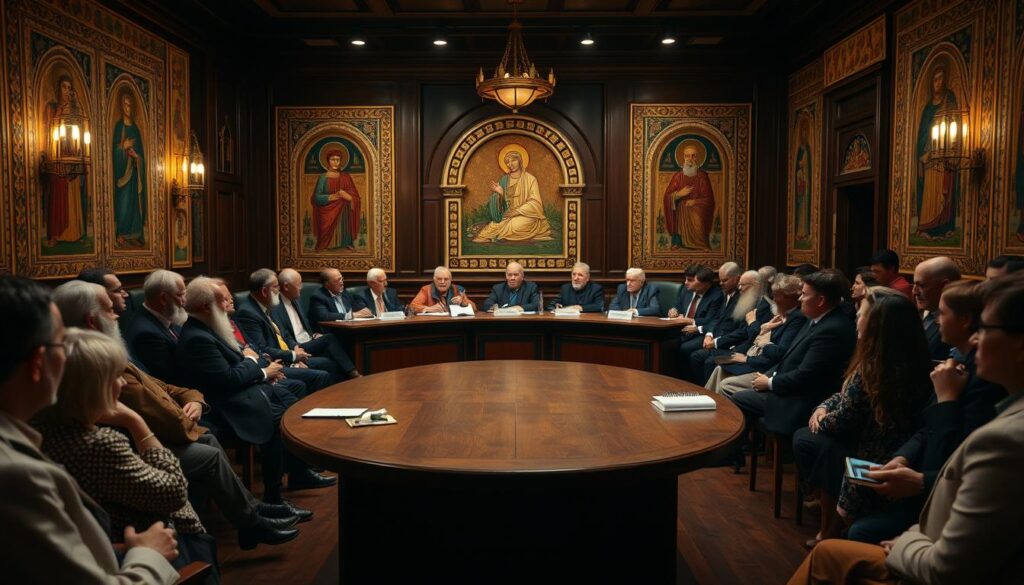
Cultural shifts often spark the deepest conversations about belief. Gavin Ashenden and Katherine Bennett tackle this head-on in their recent dialogue, dissecting how modern ideologies reshape spiritual landscapes. Their 44-minute exchange cuts through surface-level debates to reveal deeper tensions.
The Impact of Cultural Shifts on Spiritual Foundations
The term “woke mind virus” emerges as a key concern. Ashenden argues it distorts traditional teachings by prioritizing social trends over scripture. “When activism replaces theology, we lose our compass,” he states. Their analysis of Bishop Marianne Budd’s leadership exemplifies this clash—highlighting perceived contradictions between doctrine and modern pressures.
Consider these contrasting approaches to faith challenges:
| Traditional View | Progressive Approach | Impact on Community |
|---|---|---|
| Scripture as primary authority | Cultural relevance prioritized | Divided interpretations |
| Historical continuity valued | Modern activism emphasized | Generational rifts |
| Doctrinal clarity sought | Nuanced dialogue preferred | Identity conflicts |
Roots of Modern Faith Conflicts
Bennett brings historical context to women’s roles in the church. She traces feminist influences from 19th-century reform movements to today’s ordination debates. “We can’t understand current tensions without examining their origins,” she notes. The conversation reveals how past decisions shape present-day struggles over authority and tradition.
Their discussion avoids easy answers. Instead, it maps the complex terrain where ancient beliefs meet modern justice movements. By grounding debates in real stories, the hosts create space for meaningful reflection—not just reaction.
Diverse Perspectives on Justice, Gender, and Spiritual Authority
Theology comes alive when conversations confront real-world tensions. Catholic Unscripted tackles this through discussions that face modern questions head-on, blending literary wisdom with theological depth. Guests Gavin Ashenden and Katherine Bennett often turn to unexpected sources—like beloved author C.S. Lewis—to frame debates about identity and divine design.
C.S. Lewis on Gender and the Nature of God
Lewis’s writings offer surprising clarity in today’s gender debates. “Boundaries in compassion aren’t restrictions—they’re love’s architecture,” Bennett observes, summarizing his view on divine fatherhood. Ashenden highlights how Lewis saw God’s masculinity not as exclusionary, but as foundational to understanding spiritual parentage.
Their analysis reveals a key insight: unlimited empathy without structure breeds confusion. This mirrors Lewis’s warning about “trying to rewrite heaven’s blueprint” when addressing human roles in faith communities.
Balancing Justice, Mercy, and the Trinity
Modern calls for equality often clash with ancient teachings. The hosts propose a third way—seeing justice and mercy as partners, not rivals. “The Trinity shows us perfect relationship dynamics,” Ashenden notes. Father, Son, and Spirit model how distinct roles create harmony.
This framework helps explain the church’s stance on priesthood. Bennett clarifies: “Service—not status—defines spiritual leadership.” Their discussion avoids easy soundbites, instead inviting listeners to wrestle with tensions that have shaped faith for centuries.
By grounding debates in Lewis’s timeless wisdom, the platform gives a name to divine balance—where truth meets tenderness, and tradition walks with today’s seekers.
Conclusion
At life’s crossroads, truth-tellers light the path forward. Catholic Unscripted embodies this through raw conversations that honor faith’s complexities. Gavin Ashenden’s return to public dialogue proves seasoned voices matter—especially when addressing tough questions with grace.
Mark Lambert’s approach keeps discussions grounded. His coffee-chat style invites listeners to face modern challenges without fear. The platform’s core message rings clear: “No one’s beyond redemption”—a truth weaving through every story shared.
Balancing justice and mercy remains vital in today’s world. Boundaries aren’t barriers but guardrails for spiritual growth. While human institutions stumble, timeless truths stay steady, offering direction amid cultural noise.
This space thrives because it embraces tension. It shows how ancient wisdom meets contemporary struggles—not with easy answers, but with honest dialogue. Here, faith becomes a living conversation, not a relic.
FAQ
What is the main goal of Catholic Unscripted?
The platform aims to share unfiltered faith stories and foster open dialogue about modern challenges within religious communities. It highlights voices like Gavin Ashenden and Katherine Bennett to explore topics like justice, theology, and cultural shifts.
How do Gavin Ashenden and Katherine Bennett contribute to these discussions?
Both bring unique perspectives—Ashenden as a former Anglican bishop and Bennett as a theologian. They tackle issues like spiritual authority, gender debates, and the intersection of faith with societal trends through candid conversations.
What does the “shift from silence to a bold new voice” refer to?
This phrase describes the platform’s mission to move past outdated norms and address controversial topics head-on. It encourages believers to engage with issues like feminism, justice, and ideological divides in today’s world.
How does the platform address the “woke mind virus” in Christianity?
Through critical analysis, guests like Mark Lambert discuss how progressive ideologies impact traditional teachings. The goal is to help audiences discern between cultural trends and timeless spiritual truths.
Why is historical context important in discussions about faith?
Understanding history—like feminism’s role in shaping modern theology—helps clarify current debates. It provides a framework to evaluate how beliefs evolve while staying rooted in core principles.
What insights does C.S. Lewis offer on gender and divinity?
Lewis’s writings emphasize a balanced view of God’s nature, blending masculine and feminine imagery. His work challenges rigid stereotypes and invites deeper reflection on how faith intersects with identity.
How can communities balance justice and mercy in today’s debates?
By grounding discussions in the Trinity’s model of unity and diversity, the platform advocates for compassion without compromising truth. It encourages dialogue that respects both individual dignity and shared values.