Welcome to a journey through one of humanity’s most enduring institutions. The Catholic Church spans continents and cultures, connecting over 1.4 billion people through shared beliefs and traditions. From ancient cathedrals to modern parishes, this global community shapes lives in 3,500 dioceses across 24 distinct branches.
Why does this matter today? Understanding the Church’s structure helps explain its influence on art, education, and social movements. Its teachings continue shaping debates about ethics, healthcare, and human rights worldwide. You’ll find its fingerprints on everything from medieval philosophy to today’s charity networks.
The Church’s unique blend of unity and diversity stands out. While united under papal leadership, Eastern Catholic traditions maintain their own liturgical practices. This balance between central authority and cultural adaptation has fueled growth across six continents.
Key Takeaways
- Global community of 1.4+ billion members across 24 autonomous churches
- Historical influence on Western law, art, and education systems
- Operates through 3,500 dioceses with Vatican City as its spiritual center
- Maintains unity while respecting diverse cultural traditions
- Active in modern discussions about ethics and social justice
Introduction to Catholicism
Uncover the legacy of a religious tradition that has profoundly influenced global culture and thought. Roman Catholicism stands as Christianity’s largest branch, with over a billion followers worldwide. Alongside Eastern Orthodoxy and Protestantism, it forms the core of Christian practice today.
The Roman Catholic Church traces its roots to Jesus Christ and the apostles. Early followers spread their message across the Roman Empire, laying foundations for a faith that would shape laws, art, and education. Over centuries, theologians built a detailed system of beliefs addressing life’s biggest questions – from moral choices to humanity’s purpose.
Central to this tradition is the papacy, a leadership role tracing back to Saint Peter. Vatican City serves as its spiritual headquarters, blending ancient rituals with modern governance. This unique structure makes the Catholic Church both a religious institution and a historical force.
Why does this matter now? From Renaissance masterpieces to social justice movements, Roman Catholicism’s impact echoes through Western society. Its teachings continue inspiring debates about ethics, community, and human dignity in our rapidly changing world.
Understanding catholicism: A Brief Overview
Exploring the building blocks of Catholic identity starts with language. The term “Catholic” comes from the Greek katholikos, meaning “universal.” This idea of worldwide embrace shaped the Church’s mission from its earliest days. Saint Ignatius of Antioch first called it “the catholic church” in AD 110 – a name still used after 1,900 years.
Defining Key Terms and Concepts
Three pillars define Catholic teaching: apostolic succession (unbroken leadership from Christ’s apostles), magisterium (teaching authority), and papal primacy. These concepts create a unique structure among Christian groups. The Church distinguishes between unchanging dogma and adaptable discipline, allowing traditions to evolve while keeping core truths intact.
Core Beliefs and Practices
At the heart lies the Nicene Creed, established in 325 AD. This statement affirms beliefs in the Trinity, Christ’s resurrection, and baptismal salvation. Seven sacraments guide spiritual life, from Eucharist to marriage. Catholic doctrine also addresses social justice, emphasizing community support and ethical decision-making.
Special terms like transubstantiation (bread/wine becoming Christ’s body) show theology’s depth. These ideas developed through centuries of philosophical debate, creating a rich tapestry of faith practices still vibrant today.
Historical Foundations of the Catholic Church
How did a small group of followers transform into a global faith? The answer lies in ancient events that shaped the Catholic Church‘s early growth. Two forces worked together: spiritual conviction and practical geography.
From Galilee to Global Reach
Jesus Christ’s teachings in the New Testament Gospels sparked a movement. He chose twelve apostles to continue his work, instructing them to “make disciples of all nations.” After his resurrection, these followers faced their biggest test.
Pentecost changed everything. Fifty days after Easter, believers say the Holy Spirit empowered the apostles to preach boldly. This event marks the Catholic Church’s official public launch. Suddenly, fishermen became missionaries.
When Politics Met Faith
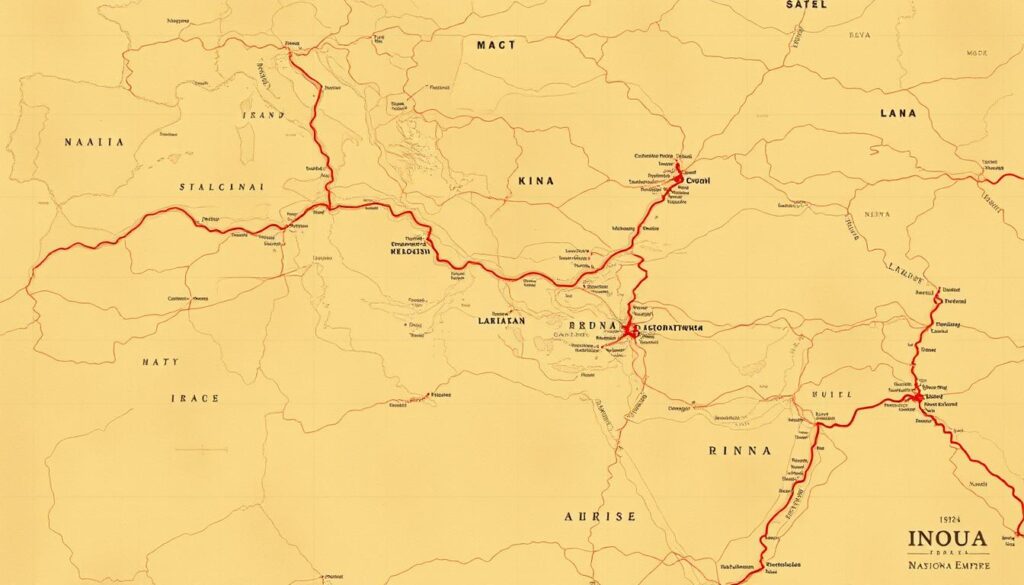
The Roman Empire’s infrastructure became Christianity’s unexpected ally. Well-built roads let missionaries travel farther than ever before. Safe seas under Pax Romana helped ideas cross borders quickly.
But it wasn’t all smooth sailing. Early Christians faced persecution for rejecting Roman gods. Yet shared Greek language helped their message stick. Common cultural references made complex ideas relatable across regions.
| Factor | Impact | Biblical Reference | Historical Evidence |
|---|---|---|---|
| Roman Roads | Enabled rapid travel | Acts 16:9-10 | Via Appia excavations |
| Common Greek | Unified communication | Luke’s Gospel | Septuagint manuscripts |
| Pax Romana | Safe trade routes | Romans 15:24 | Imperial edicts |
This unique mix of challenges and opportunities defined the Catholic Church’s early history. From Jerusalem’s streets to Rome’s highways, the New Testament vision took root in surprising ways.
The Rise of Papal Authority
How did a humble fisherman become the cornerstone of the Church’s leadership? The answer lies in a blend of scripture, history, and evolving governance that shaped one of Christianity’s most distinctive features.
Peter’s Legacy and the Diocese of Rome
Jesus’ declaration to Peter in Matthew 16:18 – “You are Peter, and on this rock I will build my church” – became the bedrock of papal claims. Early Christians honored Rome’s bishop as Peter’s successor, partly because both Peter and Paul died there. This connection turned the city into a spiritual magnet for pilgrims.
By the 3rd century, the bishop of Rome began asserting special authority over other churches. The Diocese of Rome served as his local flock, while the Holy See (the pope’s global office) gradually became Christianity’s administrative hub. Letters from early popes like Clement I show Rome settling disputes between distant congregations.
Development of the Papacy Over Centuries
Medieval popes transformed their role from spiritual leaders to power brokers. Gregory VII’s 1075 Dictatus Papae declared the pope could depose emperors – a bold claim that sparked centuries of church-state conflicts. By 1300, the papacy controlled territories across Italy through the Papal States.
| Era | Key Development | Significance |
|---|---|---|
| Early Church | Recognition of Roman primacy | Established biblical basis for leadership |
| Medieval Period | Claims of universal jurisdiction | Expanded political influence |
| Modern Era | 1870 loss of Papal States | Shifted focus to spiritual sovereignty |
Today’s Roman Catholic Church maintains this legacy through Vatican City’s unique status. The pope now leads 1.4 billion Catholics as both a religious figure and head of state – a dual role unmatched in modern governance.
Understanding the Church’s Organizational Structure
Imagine a spiritual institution running like a well-oiled global enterprise. The Church balances sacred traditions with administrative precision through three key elements: centralized leadership, local governance, and timeless legal frameworks.
The Holy See and Roman Curia
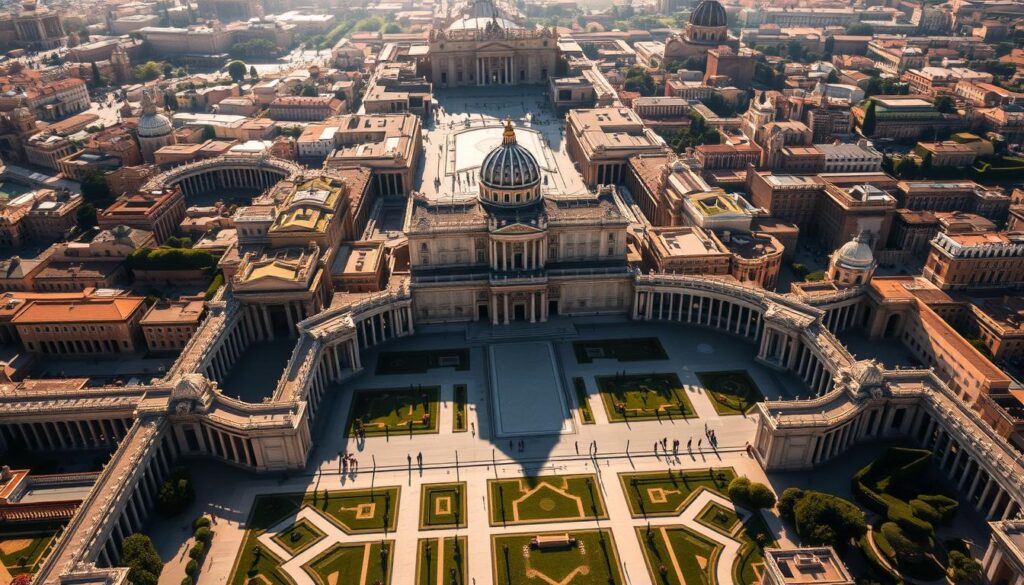
At the heart of operations lies the Holy See, the Church’s central governing body. Think of the Roman Curia as its executive team – 26 departments handling everything from doctrinal debates to missionary work. Key divisions include:
- The Dicastery for Evangelization (global outreach)
- Congregation for the Doctrine of Faith (theology oversight)
- Administration of Vatican City State (daily operations)
These offices work within the world’s smallest sovereign nation. Vatican City isn’t just the pope’s home – it’s a functioning city-state with its own postal service, bank, and media outlets.
Canonical Governance and Episcopal Polity
Local leadership thrives through 5,000+ bishops worldwide. Each oversees a diocese while maintaining unity with Rome through:
- Regular ad limina visits to the Vatican
- Implementation of canon law standards
- Collaboration with regional bishops’ conferences
The governance system blends ancient codes with modern needs. Canon law courts still handle marriage annulments, while newer tribunals address digital privacy concerns. Cardinals – those red-hatted advisors – play dual roles as papal electors and department heads within the Curia.
Key Teachings and Doctrines
What binds over a billion believers across continents? A shared framework of Catholic doctrine rooted in ancient wisdom and lived practice. At its core lies the Nicene Creed – a 4th-century statement of faith – and seven sacred rituals believed to channel divine grace.
The Creed That Built a Community
Formulated in 325 AD, the Nicene Creed remains Christianity’s most widely accepted doctrinal statement. It outlines essential beliefs like the Trinity and Christ’s resurrection. Apostolic succession ensures these teachings stay consistent – bishops trace their authority directly to Jesus’ original apostles through an unbroken chain of ordination.
Sacraments: Faith in Action
Catholics experience God’s presence through seven sacraments. The Eucharist stands central, where believers affirm that consecrated bread and wine become Christ’s body and blood (transubstantiation). Other rituals mark life’s milestones, from baptismal rebirth to marriage vows.
| Sacrament | Purpose | Biblical Basis |
|---|---|---|
| Baptism | Spiritual rebirth | John 3:5 |
| Confirmation | Strengthening faith | Acts 8:14-17 |
| Eucharist | Communion with Christ | Luke 22:19-20 |
| Penance | Moral renewal | John 20:22-23 |
These practices flow from sacred tradition, preserving teachings not fully detailed in Scripture. The Church’s magisterium (teaching authority) guides interpretation, balancing ancient texts with modern challenges. This living doctrine also inspires social action – feeding the hungry and visiting prisoners remain vital expressions of faith today.
The Role of Scripture and Sacred Tradition
How does a 2nd-century bishop shape modern faith? Saint Irenaeus of Lyons answered this by defining three anchors of Christian authority: Scripture, apostolic leadership, and sacred tradition. This framework still guides the Church today, blending written and oral teachings into a cohesive whole.
The Bible, Magisterium, and Oral Tradition
Catholics view the New Testament as part of a larger divine revelation. The Bible works alongside practices passed down through generations. For example, Sunday worship and Marian devotions stem from tradition rather than explicit biblical commands.
The magisterium – the Church’s teaching office – acts as a guardian of truth. Bishops and theologians interpret Scripture using methods refined over centuries. As Irenaeus wrote: “Where the Church is, there is the Spirit of God.”
| Catholic Bible Feature | Protestant View | Key Difference |
|---|---|---|
| 73 Books | 66 Books | Deuterocanonical texts |
| Tobit, Wisdom | Apocrypha | Inclusion status |
| Tradition as equal | Sola Scriptura | Authority sources |
Oral teachings fill gaps in biblical accounts. Details about infant baptism and purgatory developed through apostolic tradition. This living heritage allows the Church to address modern issues while maintaining ancient roots.
Unlike Protestant “Scripture alone” approaches, Catholic theology sees Bible and tradition as twin streams from one divine source. The magisterium ensures neither contradicts the other, creating stability amid cultural shifts.
The Impact of the Great Schism
The year 1054 marked a turning point in Christian history. What began as theological debates became a permanent divide between two ancient traditions. This split reshaped religious practice across Europe and the Mediterranean.
Separations and Divergent Paths
Mutual excommunications between Rome and Constantinople formalized the Great Schism. The Catholic Church maintained Latin traditions, while the Eastern Orthodox developed Greek-based practices. Both branches kept core Christian beliefs but diverged in governance styles.
Papal authority became the main sticking point. Western leaders insisted on Rome’s supreme jurisdiction, while Eastern bishops favored collective decision-making. This tension reflected deeper cultural divides between Mediterranean regions.
East-West Differences in Belief
The filioque clause debate revealed contrasting approaches to doctrine. Western churches added “and the Son” to the Nicene Creed’s description of the Holy Spirit. Eastern theologians saw this as unauthorized innovation.
Despite attempts at reconciliation, the Great Schism created lasting divisions. Today, the Catholic Church and Eastern Orthodox communities maintain distinct identities while seeking common ground through dialogue.
FAQ
What distinguishes the Roman Catholic Church from other Christian denominations?
The Roman Catholic Church emphasizes apostolic succession, recognizing the Pope as St. Peter’s successor and the ultimate authority in matters of faith. It also upholds seven sacraments, devotion to the Virgin Mary, and teachings shaped by both Scripture and Sacred Tradition.
How does apostolic succession influence church governance?
Apostolic succession ensures bishops trace their spiritual lineage back to Jesus’ apostles. This continuity grants them authority to teach, administer sacraments, and guide dioceses in communion with the Pope.
What role does the Pope play in modern Catholicism?
As Bishop of Rome and head of the global church, the Pope oversees doctrine, unity, and pastoral care. Pope Francis, for example, emphasizes social justice while upholding traditional teachings like the sanctity of life.
Why are sacraments central to Catholic practice?
Sacraments like Baptism and Eucharist are seen as visible signs of God’s grace. They mark key spiritual moments, from birth (Baptism) to healing (Anointing of the Sick), deepening believers’ connection to Christ.
What caused the Great Schism between East and West?
The 1054 split arose from disputes over papal authority, liturgical practices, and theological differences like the Filioque clause in the Nicene Creed. This led to separate Orthodox and Catholic traditions.
How does Sacred Tradition relate to the Bible?
The Catholic Church views Sacred Tradition and Scripture as complementary. Tradition includes teachings passed down orally by the apostles, interpreted by the Magisterium, ensuring consistency in doctrine across centuries.
What is the Nicene Creed’s significance?
Written in 325 CE, this creed summarizes core beliefs like the Trinity and Christ’s divinity. It’s recited during Mass, uniting Catholics globally in shared faith.
How is the Vatican’s structure organized?
The Holy See, led by the Pope, governs through the Roman Curia—departments like the Congregation for the Doctrine of the Faith. Bishops oversee dioceses, working with priests and deacons in local ministries.