Have you ever wondered what happens to unbaptized children according to Church teaching? For centuries, this sensitive question sparked deep reflection among theologians and families alike. Let’s explore a concept that bridges divine mercy and theological mystery.
While many people assume Limbo was official doctrine, it actually occupied a unique space in theological discussions. The Church never mandated belief in it, yet didn’t forbid the idea either. This balancing act reveals how faith grapples with complex spiritual realities.
In 2007, a significant shift occurred. Theological experts reclassified Limbo from widely accepted theory to “possible hypothesis” with papal approval. This change highlights how the Church carefully distinguishes between core teachings and evolving interpretations.
Key Takeaways
- Limbo was never officially defined as required belief in Catholic teaching
- The concept addressed salvation questions for unbaptized infants
- Church authorities downgraded its status in 2007 through theological review
- Modern discussions emphasize God’s mercy over strict justice
- Theology often explores ideas that aren’t formal doctrine
Understanding this topic helps clarify how religious truth develops while maintaining core principles. As we continue, you’ll discover why these historical debates still matter for today’s spiritual conversations.
Historical Roots and Theological Foundations
How did spiritual thinkers address salvation mysteries before modern times? For over seven centuries, scholars wrestled with questions about original sin and divine justice. Their efforts created a framework that balanced scriptural insights with philosophical rigor.
Early Church Perspectives and Scriptural Influences
Ancient Christian writers recognized baptism’s importance but struggled with cases involving unbaptized infants. Pope John XXII’s 1321 statement marked a turning point, declaring souls experience consequences “in different places” based on their spiritual state. This teaching laid groundwork for distinguishing between types of post-death existence.
Scholastic Contributions and Early Theologians
Medieval scholars brought new clarity using precise terminology:
- Poena damni: The pain of losing divine presence
- Poena sensus: Physical suffering concepts
St. Thomas Aquinas and others argued that original sin didn’t merit active punishment. Pope Urban IV’s 1439 declaration at Florence reinforced this view, separating mortal sin consequences from birth-related spiritual states. These ideas gained traction because they respected both God’s mercy and truth about sacramental necessities.
Through careful study, theologians built a system that honored tradition while addressing real pastoral concerns. Their work shows how spiritual teaching evolves through respectful dialogue across generations.
Catholicism Limbo: Doctrine, Debate, and Church Teaching
Sacraments form the backbone of spiritual practice, but what happens when circumstances prevent their reception? This question fueled centuries of discussion about divine justice and mercy. Let’s unpack how church teaching addresses these sensitive matters through evolving perspectives.
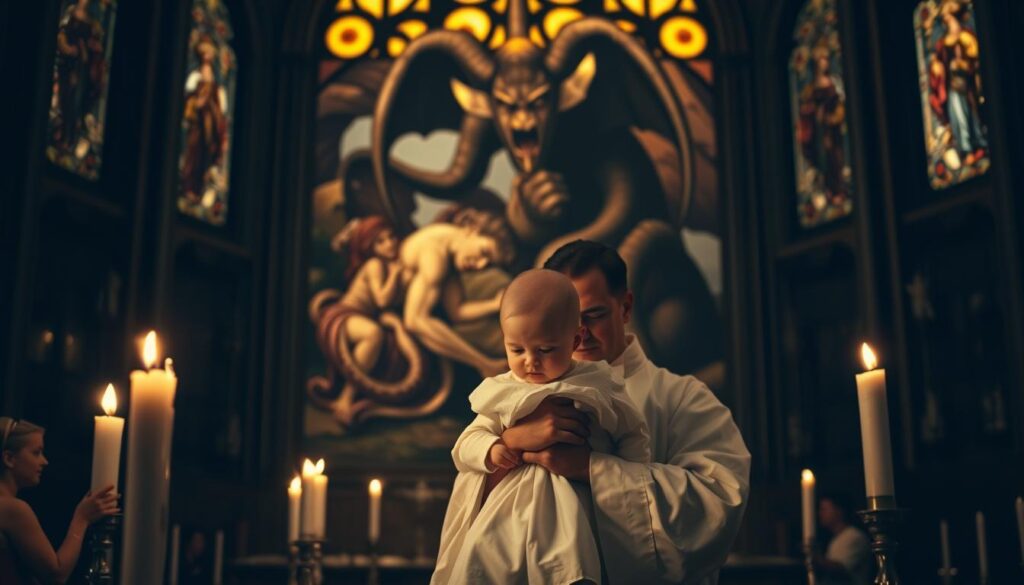
Baptism, Original Sin, and the Role of Sacramental Necessity
The link between baptism and original sin remains central to this debate. Since ancient times, spiritual leaders recognized the sacrament’s power to cleanse inherited spiritual stains. Yet pastoral concerns arose for parents grieving infants who died before receiving the rite.
Pope Pius VI’s 1794 declaration clarified the Church’s stance. He condemned claims labeling the concept as heresy, showing official tolerance for this theological theory. This balanced approach respected both sacramental importance and divine compassion.
Papal Statements and Magisterial Clarifications
Church authorities consistently emphasize baptism’s necessity while leaving room for hope. The Catechism states clearly: “God has bound salvation to the Sacrament of Baptism, but He Himself is not bound by His sacraments.” This wisdom acknowledges God’s freedom to act beyond ordinary channels of grace.
Comparing Historical Catechisms and Modern Interpretations
Textual analysis reveals shifting emphases across generations:
- The 1566 Roman Catechism omitted any mention of the concept
- 1949 Baltimore Catechism included specific teachings about it
- Modern versions focus on hopeful trust in divine mercy
This progression shows how church teaching maintains core truths while adapting pastoral approaches. Parents today find comfort in teachings that balance sacramental urgency with confidence in God’s loving care for unbaptized children.
Contemporary Understandings and Scholarly Opinions
Modern theology continues to reshape how we approach age-old spiritual questions. In 2007, a pivotal document transformed discussions about unbaptized infants, offering fresh perspectives grounded in scripture and tradition. This shift reflects the Church’s commitment to balancing doctrinal clarity with compassionate hope.
The International Theological Commission’s Impact
Approved by Pope Benedict XVI, the Commission’s report redefined centuries of theological dialogue. It presented three pillars supporting hope for salvation: liturgical practices honoring unbaptized martyrs, Jesus’ teachings about children, and Christ’s grace outweighing original sin. The text carefully notes we lack certainty but can trust divine mercy.
Modern Interpretations and the Debate Over Unbaptized Infants
Today’s theologians emphasize God’s desire to welcome all souls. They argue infants, unlike adults, don’t consciously reject grace – a view echoed in Mark 10:14. While baptism remains vital, the Church now acknowledges multiple ways divine love might reach those who die young. This approach comforts families without undermining sacramental importance.
The Commission’s work shows how teaching evolves through prayerful study. By prioritizing Christ’s compassion, it offers a path between rigid theories and unfounded certainty. As Pope Benedict XVI affirmed, some mysteries invite trust rather than definitive answers.
FAQ
What does the Church officially teach about limbo?
While not formal doctrine, limbo was a theological theory suggesting unbaptized infants exist in a state of natural happiness without divine vision. The Church emphasizes trust in God’s mercy and hope for their salvation.
How does original sin relate to baptism in Catholic teaching?
Baptism cleanses original sin, inherited from Adam and Eve, restoring a person’s relationship with God. The sacrament highlights God’s grace, though theologians debate its necessity for salvation in exceptional cases.
Did early theologians like Augustine influence beliefs about limbo?
Yes. Augustine’s teachings on original sin shaped later discussions, but medieval thinkers like Thomas Aquinas refined ideas about a “border” state, balancing divine justice with compassion for unbaptized children.
How did Pope Benedict XVI address this topic?
Pope Benedict approved a 2007 document stressing hope for unbaptized infants’ salvation. He encouraged focusing on Christ’s mercy rather than speculative concepts like limbo, aligning with modern pastoral approaches.
Can unbaptized children be saved according to current Catholic thought?
The Church teaches that God’s love extends to all. While baptism remains vital, theologians suggest God may provide paths to salvation beyond the sacrament, especially for those without choice.
What role did the International Theological Commission play?
In 2007, the Commission concluded that limbo wasn’t definitive doctrine. It emphasized trust in God’s desire to save all people, encouraging a shift toward hope and inclusivity in pastoral care.