In 2018, New York’s Metropolitan Museum of Art hosted a historic event that blurred lines between spiritual tradition and high-fashion spectacle. The “Heavenly Bodies” exhibition showcased over 40 Vatican artifacts alongside daring creations from luxury houses like Versace and Dolce & Gabbana. This unprecedented partnership revealed how religious symbolism continues to shape creative visions worldwide.
The accompanying star-studded gala became a runway for bold interpretations. Celebrities embodied everything from papal regalia to modernized saints, sparking debates about artistic expression versus cultural sensitivity. While some praised the inventive tributes, others questioned where inspiration crossed into appropriation.
This fusion of devotional imagery and couture craftsmanship attracted record-breaking crowds. Visitors explored jeweled vestments displayed beside metallic gowns, creating conversations about shared aesthetics across centuries. The event proved that ancient traditions could feel freshly relevant through innovative presentation.
Key Takeaways
- Major museum event merged centuries-old religious artifacts with modern designer fashion
- Vatican collaboration marked first-time loan of sacred items to a costume institute
- Celebrity fashion statements sparked global discussions about art and reverence
- Exhibition attracted diverse audiences, bridging gaps between belief systems
- Demonstrated religion’s lasting impact on visual culture and creative industries
Setting the Stage: Historical and Cultural Context
The interplay between church traditions and creative design began centuries before luxury brands walked fashion runways. Sacred garments initially served practical religious purposes, but their intricate details planted seeds for today’s high-fashion statements.
The Evolution of Catholic Influence in Art and Fashion
Medieval artisans wove spiritual meaning into every thread of liturgical vestments. These ceremonial pieces blended Roman embroidery techniques with Frankish metalwork, creating visual narratives about faith. By the Renaissance, these designs became blueprints for royal attire – proving sacred aesthetics could shape secular power.
From Medieval Vestments to Modern Couture
Designers like Dolce & Gabbana transformed ecclesiastical motifs into 21st-century showstoppers. Their 2013 Byzantine-inspired gown used gold leaf patterns reminiscent of ancient church objects, while John Galliano reimagined papal silhouettes as avant-garde evening wear. This creative translation shows how historical elements gain new life through contemporary vision.
The Catholic Church’s artistic presence persists because its symbols speak a universal visual language. Stained glass colors become silk gradients. Reliquary shapes inspire necklines. What began as sacred craft now walks red carpets – proving spiritual imagery never truly leaves the cultural spotlight.
Decoding the Catholic Aesthetic in Contemporary Design
Fashion becomes a language of paradox when infused with sacred symbols. Designers channel the catholic imagination – a worldview where ordinary materials shimmer with divine meaning. This creative approach turns fabric into storytelling mediums, blending reverence with runway-ready drama.
Symbolism, Sacrament, and Sensuality
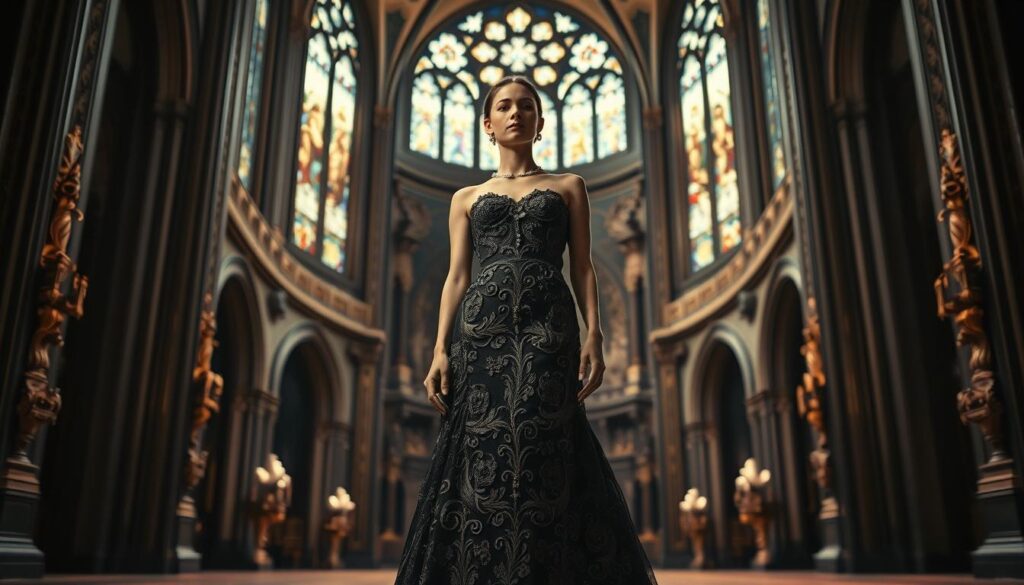
A 2007 Versace gown demonstrates this duality. Cross-striped patterns transform the body into a living icon, while strategic cutouts celebrate human form. Similarly, Viktor & Rolf’s Shroud-inspired cape whispers about death and resurrection through draped linen textures.
The sacramental lens reshapes how we view clothing. Designers embed hidden meanings: beadwork mimicking water droplets references baptism. Silhouettes framing the body like stained glass windows play with light and shadow. These elements create wearable mysteries that spark curiosity.
| Traditional Symbol | Modern Translation | Designer Example |
|---|---|---|
| Rosary beads | Metallic chain detailing | Dolce & Gabbana 2016 |
| Monstrance shapes | Circular necklines | Valentino 2019 |
| Liturgical colors | Ombré silk gradients | Gucci 2021 |
This aesthetic thrives on contrasts. A gown might pair modest high collars with daring thigh slits – mirroring the tension between sacred vows and earthly desires. After sunset, sequins catch light like votive candles, turning night events into moving altarpieces.
Through this fashion catholic imagination, designers prove spiritual symbols still pulse with life. They reinvent ancient motifs for audiences who may never enter a chapel, yet feel stirred by visual echoes of transcendence.
Catholicism Met Gala: The Fusion of Faith and Fashion
The 2018 cultural phenomenon at New York’s Metropolitan Museum redefined how spiritual heritage interacts with modern style. Visitors witnessed medieval reliquaries displayed beside chrome-plated corsets, creating visual conversations across eight centuries of craftsmanship.
Exhibition Layout and Design Dialogues
Curators carefully separated Vatican-loaned artifacts from contemporary pieces in the Anna Wintour Costume Center. This spatial division honored the sacred nature of historical items while allowing bold comparisons. A suspended Mugler gown mimicking Renaissance Madonnas floated near 17th-century papal tiaras, demonstrating continuity in symbolic storytelling.
| Vatican Artifact | Modern Counterpart | Designer |
|---|---|---|
| Gold embroidered cope | Beaded silk cape | Dior |
| Silver reliquary cross | Chrome necklace ensemble | Chanel |
| Illuminated manuscript | Laser-cut leather dress | Versace |
Star-Studded Sacred Style
Celebrities transformed the red carpet into a living gallery of faith-inspired fashion. Zendaya’s armor-like dress blended medieval warrior aesthetics with delicate metallic draping, capturing Joan of Arc’s legendary resolve. Meanwhile, a bejeweled attendee reinterpreted cardinal robes through crimson sequins and exaggerated shoulders.
The event’s true surprise came through unexpected collaborations. Clergy members discussed textile symbolism with designers, while A-listers asked thoughtful questions about sacred garment preservation. These interactions proved fashion could become common ground for people from vastly different worlds.
The Dynamic Dialogue Between Sacred and Secular
When sacred objects meet celebrity red carpets, unexpected conversations begin. The exhibition’s strict division between church artifacts and fashion pieces sparked debate. Organizers followed religious guidelines for handling consecrated items, but critics argued this separation missed the point. “Religion breathes through culture like air through lungs,” noted one curator.
Bridging Divine Inspiration and Popular Culture
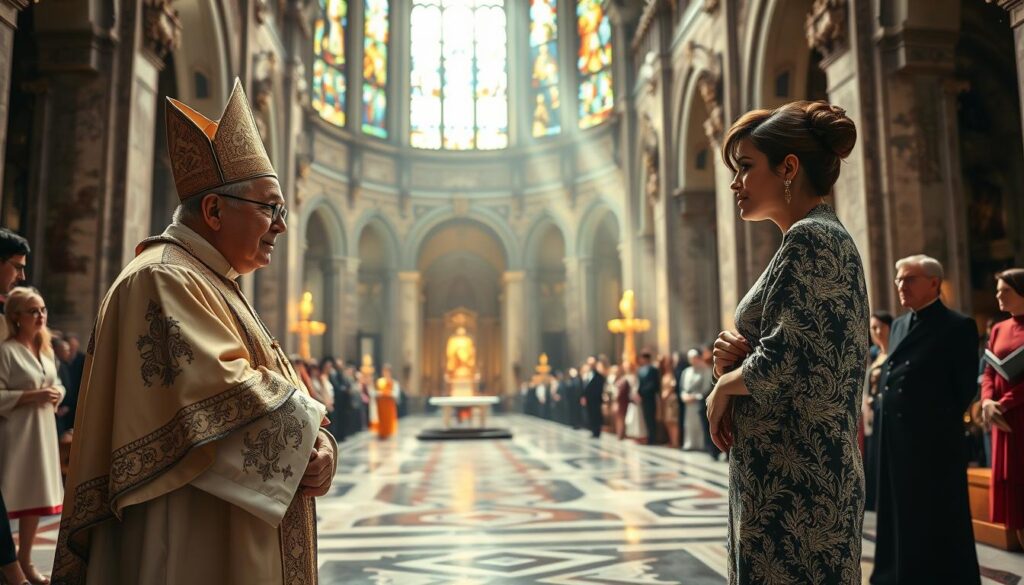
The gala flipped the script entirely. Clergy members discussed embroidery techniques with designers while comedians shared childhood memories of altar service. This lively exchange revealed how faith traditions could engage modern audiences without losing their essence.
| Exhibition Approach | Gala Experience | Key Difference |
|---|---|---|
| Separated sacred/secular | Blended spiritual/style | Physical vs social spaces |
| Silent observation | Active dialogue | Passive vs engaged learning |
| Historical context only | Personal storytelling | Academic vs emotional connections |
Celebrities became living examples of this bridge-building. A talk show host joked about his old cassock fitting better than his tuxedo. A pop star asked a bishop how her crystal-encrusted gown compared to liturgical vestments. These moments showed people from different worlds finding common ground through shared appreciation for beauty.
The event proved religion doesn’t need special treatment to stay relevant. When sacred symbols mingle freely in cultural spaces, they spark fresh perspectives. This approach could chart a new course for how communities share their deepest values through universal languages like art and design.
Fashion as a Reflection of the Catholic Imagination
Clothing becomes sacred ground where human bodies meet divine ideas. Designers channel the catholic imagination through fabric – transforming saints’ stories into sequined narratives and sacramental rituals into silhouette statements. This creative alchemy turns runways into modern chapels.
Iconography in Designer Collections
Sacred symbols find fresh life when stitched into contemporary designs. A 2023 collection featured hands embroidered with gold thread, echoing Renaissance paintings of saints. Another designer reinterpreted halos as circular headpieces that catch light like stained glass.
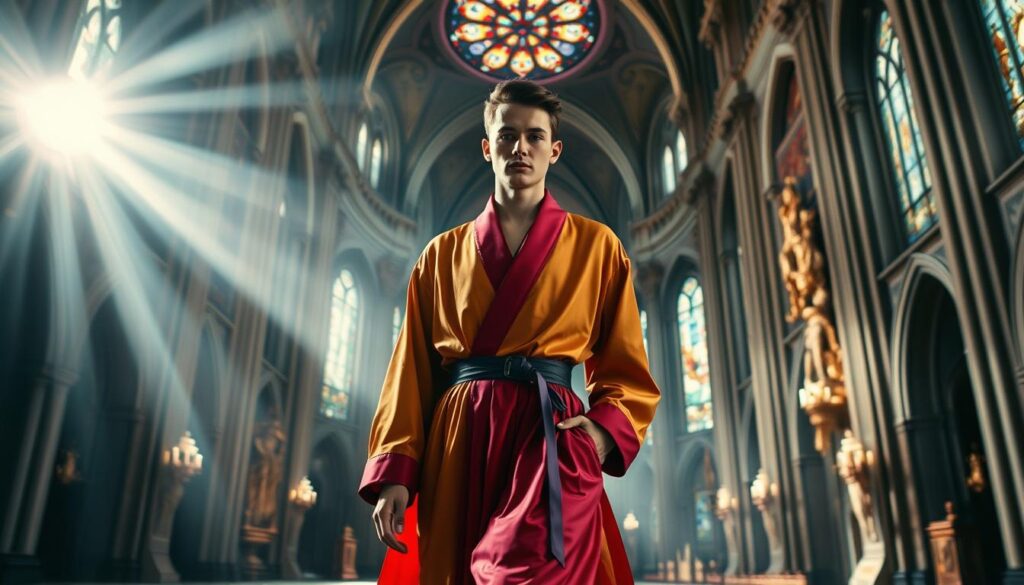
These pieces honor tradition while speaking to modern eyes. “Fashion lets us wear our imagination,” explains curator Lila Marcos. “A beaded gown becomes a walking reliquary – holding stories instead of bones.”
The Role of Cultural and Queer Narratives
LGBTQ artists have long found kinship in religious pageantry. Hanson Ellis notes: “The Church’s dance between sin and forgiveness creates space for radical self-expression.” Designers channel this tension through garments that mix sacred motifs with queer joy.
Robert Mapplethorpe’s leather bodies meet Oscar Wilde’s velvet wit in modern collections. A recent show paired cardinal-red robes with gender-fluid tailoring – proving fashion catholic imagination thrives where rules bend.
Conclusion
Beauty and belief intertwined spectacularly in a museum showcase that redefined sacred aesthetics. The Heavenly Bodies exhibition proved religious symbols carry timeless power, even when reinterpreted through sequins and silk. By blending Vatican artifacts with bold couture, it created a living dialogue between prayer books and runway looks.
This collaboration showed how sacred objects maintain their essence across contexts. Like Origen’s vision of the Church holding both sinners and saints, the event mixed reverence with rebellion. Designers transformed vestments into wearable poetry while keeping their spiritual heartbeat.
The project revealed our shared hunger for meaning. Visitors didn’t just see dresses – they witnessed faith breathing through fabric. As the Metropolitan Museum of Art demonstrated, ancient traditions can spark fresh creativity when we approach them with open hands and curious minds.
Fashion becomes a mirror for our deepest longings. When culture embraces sacred imagination, it crafts bridges where art meets soul – proving beauty remains faith’s universal language.
FAQ
How did the Catholic Church influence historical fashion trends?
For centuries, the Church shaped aesthetics through liturgical vestments, stained glass art, and symbolic motifs like crosses. Designers later drew from these elements, transforming sacred embroidery and regalia into modern couture seen in collections by houses like Versace and Valentino.
What was the "Heavenly Bodies" exhibition about?
The 2018 Metropolitan Museum of Art showcase explored how Catholic iconography—like saints’ halos or sacramental objects—inspired fashion. It featured over 150 pieces, including papal robes loaned by the Vatican and avant-garde designs by Alexander McQueen and Balenciaga.
Why do designers blend religious themes with contemporary style?
Symbols like rosaries or stained glass patterns evoke storytelling, mystery, and tradition. Brands like Dolce & Gabbana use these to merge cultural narratives with modern sensibilities, creating pieces that challenge norms while honoring heritage.
How did celebrities interpret Catholic themes at the Met Gala?
Attendees like Rihanna and Blake Lively wore designs referencing angelic imagery, clerical collars, or jeweled crowns resembling halos. These looks sparked conversations about faith’s role in art and identity, balancing reverence with bold creativity.
Can fashion redefine sacred traditions without disrespect?
While some critics argue it trivializes belief, many designers view it as celebrating cultural legacy. For example, Iris van Herpen’s holographic “nun” ensembles or Jean Paul Gaultier’s corset gowns with cross motifs aim to reinterpret, not mock, spiritual symbolism.
How does queer culture intersect with Catholic-inspired fashion?
Artists like Leigh Bowery or drag performers use liturgical drag to reclaim religious imagery, blending camp and devotion. Designers like Rick Owens explore this tension, using ecclesiastical silhouettes to challenge traditional views on gender and spirituality.