Across America, a growing network of spiritual organizations is reshaping how faith groups address societal challenges. These partnerships blend resources and expertise to help neighbors experiencing hardship, from housing instability to food insecurity. By focusing on shared values rather than differences, they create lasting change in local areas.
This directory helps you explore how different denominations collaborate while keeping their unique beliefs. You’ll see real examples of faith groups tackling homelessness and poverty through shared efforts. Their approach combines practical aid with emotional support, reflecting core teachings about compassion.
Many wonder how such diverse groups coordinate effectively. The answer lies in structured programs that align with community needs while respecting each congregation’s traditions. Volunteers and staff work side-by-side, offering everything from job training to crisis counseling.
Looking to get involved? This guide explains multiple entry points for participation, whether through donations or hands-on service. Discover how collective action amplifies individual efforts and fosters deeper connections between people of all backgrounds.
Key Takeaways
- Collaborative faith initiatives address critical needs like housing and food access
- Diverse spiritual groups maintain their identities while working toward common goals
- Programs combine practical assistance with emotional and spiritual support
- Community members can contribute through various engagement opportunities
- Shared efforts create stronger neighborhood bonds and systemic solutions
Overview of the Christian Churches United Directory
Finding spiritual and practical support just got easier with an innovative online resource. This directory acts as a bridge between community members and faith-based groups offering essential services. Its design focuses on simplicity, helping users quickly locate assistance programs while fostering connections between neighbors.
Purpose and Vision for the Directory
The platform aims to unite people with organizations addressing critical needs like housing and food access. By highlighting collaborative efforts, it showcases how different groups work together while respecting their unique traditions. The vision emphasizes creating lasting community bonds through shared service opportunities.
Scope and Services Offered
Users can explore multiple assistance categories through intuitive filters. Key offerings include:
| Feature | Benefit | Example |
|---|---|---|
| 24/7 Crisis Support | Immediate help for urgent needs | Safe Haven shelters |
| Volunteer Matching | Tailored service opportunities | Food pantry staffing |
| Program Search | Customizable filters by location | Job training workshops |
The directory also provides detailed profiles about worship styles and mission focuses. Whether seeking mentorship programs or disaster relief partnerships, users find updated information to match their goals.
Historical Roots and Evolution of United Churches
The story of spiritual collaboration spans centuries, shaped by believers seeking deeper connections. Early efforts focused on shared worship spaces and joint charitable projects. But a transformative shift occurred when groups began merging structures to strengthen their collective impact.
Early Union Movements and Milestones
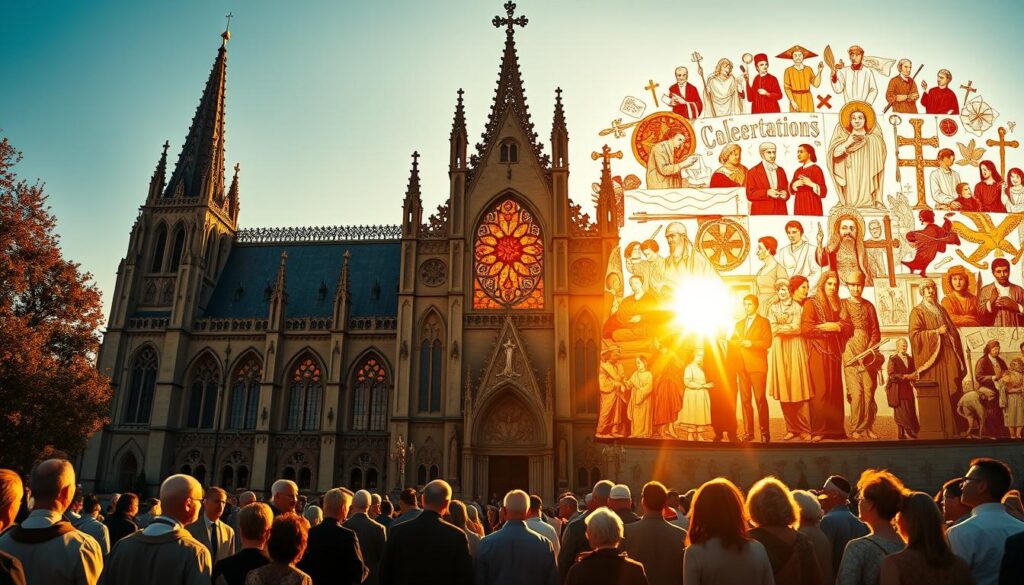
In 1817, Germany’s Old Prussian Union created a blueprint for merging traditions. Reformed and Lutheran groups combined resources while preserving theological distinctives. This pioneering union proved diverse beliefs could coexist within one organizational framework.
The model inspired similar efforts across Europe and North America. By the late 1800s, multiple denominations explored formal partnerships. These experiments laid groundwork for more ambitious collaborations.
Key Developments in the 20th Century
The 1925 formation of Canada’s national faith community marked a turning point. Methodists, Presbyterians, and Congregationalists pooled resources to address postwar social needs. This “kenotic ecclesiology” approach—where groups surrendered individual identities for shared missions—spread globally.
Over 150 structural mergers occurred worldwide by 2000. Many blended Presbyterian, Methodist, and Disciples of Christ traditions. These unions often prioritized practical ministry over doctrinal debates, creating platforms for community transformation.
The Mission and Values Behind Christian Churches United
At the core of collaborative faith efforts lies a powerful commitment to healing divisions through service. Rooted in the prayer “That they may all be one” (John 17:21), these partnerships demonstrate how shared purpose transcends theological differences. This approach recognizes scripture as both historical document and living guide, offering wisdom for today’s complex social challenges.
Commitment to Community Support
Local partnerships tackle pressing needs through coordinated action. Food banks, shelter networks, and job programs combine resources from multiple congregations. This strategy amplifies impact while maintaining each group’s unique identity.
| Initiative | Collaboration Model | Outcome |
|---|---|---|
| Homeless Outreach | Rotating shelter hosting | 35% shelter capacity increase |
| Food Security | Shared distribution centers | 12M meals served annually |
| Mental Health | Cross-trained volunteers | 24/7 crisis hotlines |
Embracing Diverse Theological Perspectives
These alliances thrive through respectful dialogue about faith interpretations. Essential beliefs form common ground, while non-essential differences spark growth opportunities. This balance allows progressive and conservative groups to address social justice together.
Local autonomy ensures congregations maintain distinct worship styles. Yet shared training programs create unified approaches to service. The result? Stronger neighborhoods built on mutual understanding and practical compassion.
Exploring the Impact of christian churches united in Modern Society
Modern faith collectives are redefining community support systems through innovative partnerships. These alliances tackle pressing issues like housing shortages and mental health crises while maintaining spiritual foundations. Their approach blends tradition with contemporary problem-solving, creating bridges between diverse groups.

One standout example comes from post-apartheid South Africa, where merged congregations helped heal racial divisions through shared leadership models. This process of reconciliation shows how spiritual groups can address historical injustices while building equitable futures. Similar efforts in the United States have transformed food distribution networks and disaster response systems.
Key impacts include:
- 24/7 crisis hotlines staffed by cross-trained volunteers
- Job training programs connecting employers with underserved populations
- Environmental initiatives that combine scripture-based stewardship with clean energy projects
“When we pool our strengths, we create solutions no single group could achieve alone.”
These collectives adapt quickly to emerging needs. Recent efforts address immigration challenges through legal aid partnerships and language classes. Their social witness continues evolving, embracing new technologies while preserving core values of compassion and unity.
With over 4,600 congregations across the country, these networks demonstrate what’s possible when communities unite behind shared goals. They prove that meaningful action often begins with simple conversations between neighbors.
Navigating the Directory: How to Find Local Churches
Discovering spiritual communities that match your values just became simpler. The directory streamlines connections between seekers and neighborhood congregations through smart design and detailed profiles. Customizable search tools help you identify groups aligned with your priorities, whether you value traditional hymns or modern social initiatives.
Search and Filter Tips
Start by entering your zip code or city name to see nearby options. Refine results using multiple filters:
- Worship styles: Contemporary bands vs. organ-led services
- Programs: Youth mentorship or elder care initiatives
- Accessibility: Ramp access or sign language support
Some denominations let individual locations set their own organizational structure. This means you might find two congregations from the same tradition offering different volunteer opportunities.
Utilizing Location-Based Resources
Interactive maps show each church’s proximity to bus stops and community centers. Detailed profiles explain:
| Feature | Details Provided |
|---|---|
| Leadership Models | Pastoral teams vs. member-led committees |
| Service Times | Weekend gatherings & midweek studies |
| Contact Methods | Email forms & direct phone numbers |
One user shared: “The transportation icons helped me find three walkable options near my apartment.” This practical approach removes barriers to participation while respecting each group’s unique identity.
Community Programs and Outreach Initiatives
Neighborhoods thrive when people unite behind practical solutions. Collaborative efforts now offer structured pathways to address urgent needs while building lasting relationships. These initiatives combine immediate aid with skill-building opportunities, creating ladders out of hardship.
Safe Haven and Crisis Support
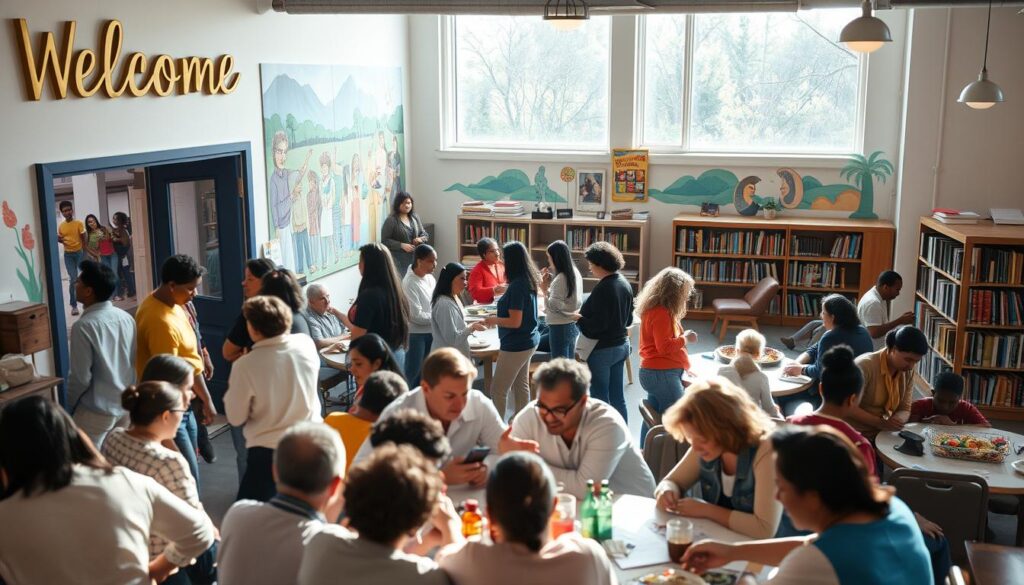
The Safe Haven initiative provides more than temporary shelter. Trained staff offer 24/7 access to counseling and job coaching. This holistic approach helps men regain stability through:
| Service | Impact | Success Metric |
|---|---|---|
| Emergency Housing | Immediate safety | 89% retention rate |
| Addiction Recovery | Long-term health | 200+ annual referrals |
| Job Training | Economic independence | 60% employment rate |
Case managers work closely with participants for 6-18 months. This sustained support helps rebuild confidence and life skills.
Volunteer and Donation Opportunities
Community members fuel these programs through hands-on action. Opportunities range from meal preparation to career mentorship. Financial gifts amplify impact in measurable ways:
| Donation Type | Direct Benefit | Community Effect |
|---|---|---|
| $50 | Week of groceries | Supports 3 families |
| $250 | Job certification | Creates 2 employable workers |
| $1000 | Housing deposit | Prevents homelessness |
“Teaching resume workshops showed me how skills I take for granted can change lives.”
Monthly giving programs help sustain critical services. Every contribution – time, money, or expertise – strengthens community bonds while addressing root causes of poverty.
Shared Beliefs and Doctrinal Diversity
Spiritual communities thrive when they balance common ground with respectful differences. This delicate harmony allows groups to address modern challenges while honoring centuries-old traditions. At the heart of these partnerships lies a simple truth: unity grows stronger when rooted in mutual understanding.
Core Tenets and Collaborative Values
The foundation of these alliances rests on essential spiritual principles. Beliefs like Christ’s divinity and scriptural authority create shared identity across traditions. Historic creeds serve as guides rather than rulebooks, allowing groups to interpret teachings within their cultural contexts.
Local autonomy remains crucial in this framework. Individual congregations maintain decision-making power while contributing to collective goals. This approach lets progressive and conservative groups collaborate on social initiatives without compromising their distinct practices.
Ecumenical efforts demonstrate how doctrinal diversity strengthens communities. By valuing different perspectives, these partnerships develop innovative solutions to poverty and injustice. The result? A vibrant network where varied traditions unite to serve neighbors in need.
FAQ
What is the purpose of the Christian Churches United Directory?
The directory connects individuals with congregations, resources, and outreach programs. It aims to foster collaboration among member groups while highlighting local initiatives like food banks or volunteer opportunities.
How did united church movements evolve in the 20th century?
Many organizations shifted focus toward social justice, interfaith dialogue, and community-driven missions. Mergers between denominations, like the formation of the United Church of Christ, reflected a growing emphasis on shared goals over doctrinal differences.
What values guide these collaborative faith groups?
Core principles include inclusivity, service to marginalized communities, and respect for diverse interpretations of scripture. Programs often prioritize practical aid—such as housing assistance or crisis counseling—alongside spiritual growth.
How can I find a congregation near me using the directory?
Use location filters, zip code searches, or interactive maps to identify nearby options. Many listings also specify worship styles, language services, or accessibility features to match your preferences.
What types of outreach programs are commonly offered?
Initiatives range from homeless shelters and addiction recovery support to educational workshops and youth mentorship. Volunteer roles might include meal preparation, tutoring, or organizing donation drives.
How do member groups handle theological differences?
While united by core beliefs like compassion and service, many congregations maintain flexibility in practices. Dialogue-focused events and joint projects help bridge gaps between traditions while celebrating shared goals.