Have you ever noticed variations in how faith groups present their core moral teachings? A curious friend recently asked why some lists of divine principles appear shorter in certain traditions. This question opens a fascinating window into biblical interpretation and historical development within Christianity.
The original sacred texts never numbered these ancient guidelines. Early theologians like Origen and Augustine organized them differently to emphasize specific values. While modern groups use distinct numbering systems, all versions preserve the same ethical foundation.
Many assume one tradition removed teachings, but this stems from misunderstandings. The Catholic Church and Protestant communities simply group instructions differently. For example, rules about worship and social relationships might combine or separate based on theological priorities.
Key Takeaways
- Original biblical texts don’t number moral guidelines
- Numbering differences reflect theological emphasis
- Early church leaders shaped modern interpretations
- All traditions maintain the same core principles
- Historical context explains modern variations
Exploring these differences helps us appreciate how faith communities maintain shared truths through unique lenses. By understanding this history, we foster richer dialogue about spiritual foundations that unite rather than divide.
Historical Development of the Ten Commandments
Ancient debates among theologians still influence Sunday school lessons across America. Early Christian leaders faced a unique challenge—organizing sacred principles from unnumbered biblical texts. Their solutions created lasting frameworks that shape religious education centuries later.
Origins and Evolving Interpretations
In the third century, Origen proposed a system separating directives about worship. This approach became foundational for many faith groups emphasizing distinct rules about divine reverence and material representations. Centuries later, Augustine streamlined these concepts while expanding social guidelines.
The Catechism of the Catholic Church explains:
“The division and numbering of the Commandments have varied in the course of history.”
This flexibility allowed different communities to highlight aspects matching their theological priorities.
Influential Figures in Commandment Numbering
Origen’s structure influenced Eastern traditions and later Reformed groups. His emphasis on clear distinctions helped orthodox churches use teaching methods that reinforced specific values. Meanwhile, Augustine’s fifth-century model prioritized unity in worship directives while deepening ethical dimensions.
Both systems survived because they served practical needs. Leaders weren’t rewriting sacred texts but organizing them for clearer instruction. Today, these historical choices remind us how people across generations have wrestled with presenting timeless truths effectively.
Scriptural Interpretations and Context
Many wonder why sacred texts seem to contradict themselves about religious art. The answer lies in understanding ancient cultural practices versus modern assumptions. Let’s explore how scripture addresses imagery through its original lens.
Examining Exodus 20 and Deuteronomy
Exodus 20:4 famously warns against creating “any likeness of anything in heaven above or the earth beneath.” Yet five chapters later, God instructs Moses to craft golden cherubim statues for the Ark. This apparent contradiction reveals a key distinction.
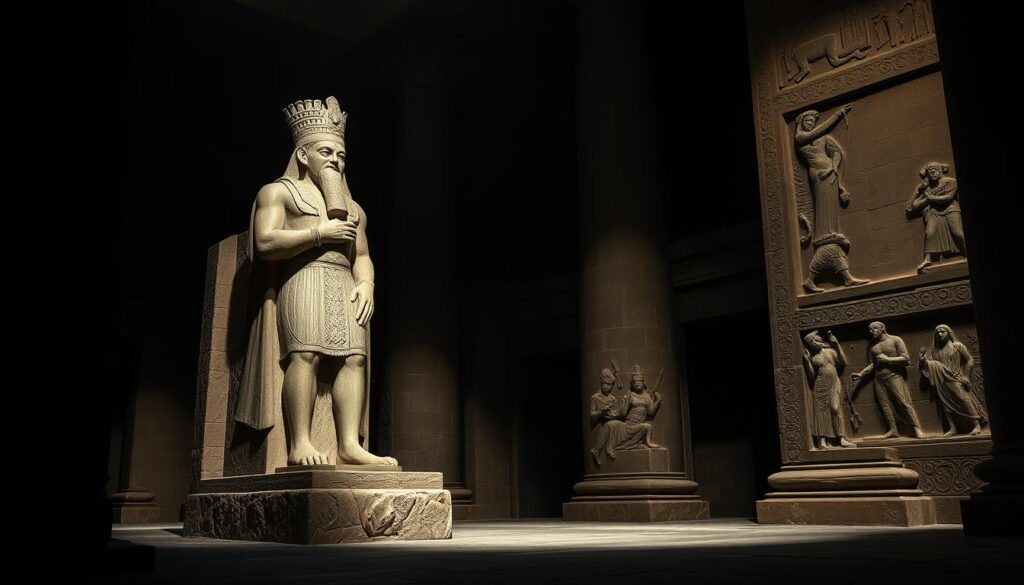
Biblical scholars emphasize the passage targets idolatry, not artistic expression. Ancient Near Eastern cultures often worshipped physical representations of their gods. Israel’s neighbors carved graven images to bow before, violating monotheistic principles.
Idolatry, Statues, and Biblical Intent
The tabernacle and Solomon’s temple featured elaborate artwork approved by divine command. Carved oxen supported ritual baths, while embroidered curtains displayed celestial patterns. These served educational and symbolic purposes rather than becoming objects of worship.
Modern faith communities follow this pattern. As one theologian notes:
“The issue isn’t making images but misdirecting devotion meant for God alone.”
This distinction explains why some traditions use statues as visual aids while maintaining strict monotheism. The core principle remains: no created thing should replace the Creator in human reverence.
Understanding protestant 10 commandments vs catholic
Imagine two families organizing their pantry differently while storing identical ingredients. This analogy helps explain why faith communities structure their moral frameworks in distinct ways. The core principles remain consistent, but grouping methods reveal unique priorities.
Structural Differences in Moral Frameworks
Major traditions divide ethical instructions differently while preserving all original content. One key variation appears in how they handle desires toward others’ lives. Catholic teachings separate rules about wanting a neighbor’s spouse from wanting their possessions. Many Protestant communities combine these into a single principle.
| Commandment | Catholic/Lutheran | Protestant/Orthodox |
|---|---|---|
| 1 | No other gods + no idols | No other gods |
| 2 | No blasphemy | No idols |
| 9-10 | Separate rules for coveting spouse and goods | Combined rule about coveting |
Meaning Behind the Organization
By separating desires for a neighbor’s wife from material wants, some traditions emphasize personal relationships as distinct from property. As one scholar observes:
“How we categorize moral principles shapes how communities value human dignity.”
This structural choice influences teachings about respect in marriages and business dealings. Both systems warn against harmful desires but highlight different aspects through their organization. Understanding these nuances helps appreciate how ancient wisdom adapts to modern contexts while maintaining its core message.
Modern Practices and Theological Reflections
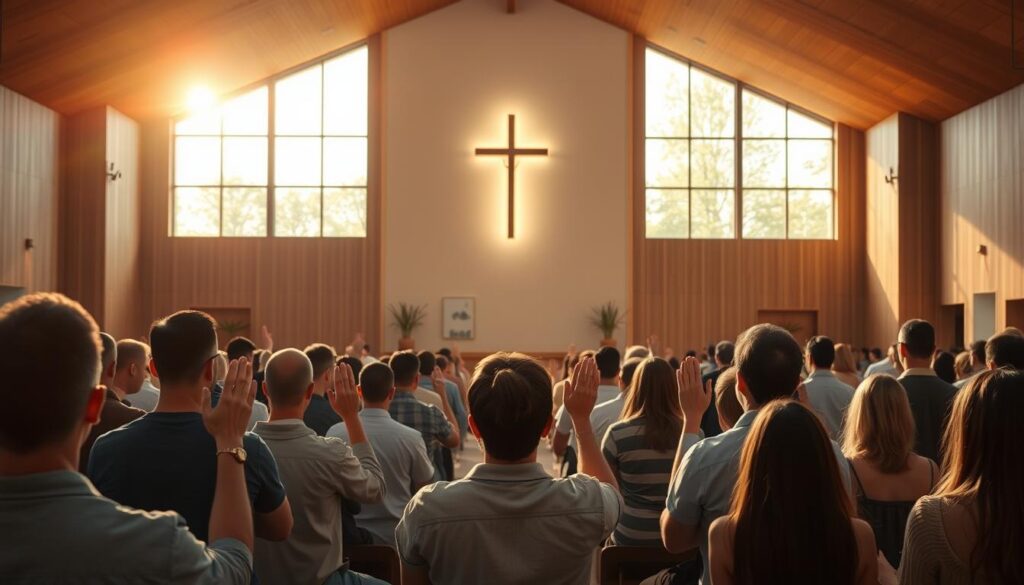
Sunday services across America showcase how ancient traditions evolve while preserving core values. The way communities pray reveals deeper truths about their theological priorities and historical roots.
Prayer Patterns in Contemporary Worship
During Mass, Catholic congregations add a special praise after the Lord’s Prayer. The priest leads an intercessory prayer first, then all join in declaring: “For the kingdom, the power and the glory are Yours, now and forever.” This practice developed over centuries as a liturgical tradition rather than doctrinal requirement.
Expressing Shared Beliefs Differently
Many Protestant Orthodox churches conclude the Our Father directly with the doxology in all settings. This immediate praise reflects their emphasis on personal connection with divine authority. As one worship leader notes:
“How we end prayers shapes how we carry faith into daily life.”
| Practice | Catholic Tradition | Protestant Approach |
|---|---|---|
| Doxology Timing | After intercessory prayer | Immediately post-Our Father |
| Commandment Emphasis | “Honor father and mother” as 4th | Lists it as 5th principle |
| Liturgical Context | Mass-specific practices | Consistent across settings |
Unity Through Adapted Traditions
American churches maintain the full moral framework despite organizational differences. Both traditions teach children to respect parents through the honor father mother directive. Theological education now highlights how varied practices strengthen rather than divide faith communities.
Modern interfaith dialogues focus on shared commitments to family values and ethical living. These conversations help believers appreciate how different worship styles can all lead to the same spiritual truths.
Conclusion
At the heart of every meaningful conversation between faith traditions lies a simple truth: different labels often describe the same timeless wisdom. A curious friend might ask why communities express shared beliefs through varied structures, but the answer reveals unity rather than division.
Early theologians like Origen and Augustine organized moral guidelines to meet their communities’ needs. Their numbering choices became teaching tools—not alterations to divine principles. Both major Christian traditions maintain identical ethical content, proving what seems like missing elements simply live in different categories.
Modern misunderstandings often stem from comparing surface structures without examining historical roots. When we study how ancient leaders prioritized values for their audiences, accusations of omission fade. The full moral framework remains intact across traditions, like chapters rearranged in a beloved book.
This awareness invites richer dialogue. Recognizing organizational differences as teaching strategies helps believers focus on shared spiritual foundations. After all, light refracts into colors through varied angles while remaining one beam.
As discussions continue, may we approach variations with grace. These differences ultimately showcase humanity’s enduring effort to live sacred truths—a journey without an end, but filled with opportunities for mutual understanding.
FAQ
Why do some churches split the commandments differently?
Variations in numbering stem from early theological debates. Catholic and Lutheran traditions group idolatry and worship rules together, while others treat them as separate directives to emphasize distinct moral priorities.
How does the treatment of “coveting” differ between traditions?
Some denominations combine prohibitions against desiring a neighbor’s spouse or possessions into one commandment. Others separate these to highlight distinct ethical concerns about materialism and marital fidelity.
Are religious statues considered idolatrous today?
Interpretations vary. Many groups view statues as symbolic teaching tools rather than objects of worship, while others cite Exodus 20’s warnings against “graven images” to avoid physical representations entirely.
What role does the doxology play in commandment lists?
The Catholic tradition includes a closing praise from Deuteronomy 5, omitted in Protestant versions. This reflects differing emphases on liturgy versus textual precision in scriptural presentation.
Do numbering changes affect core moral teachings?
While the total ethical principles remain consistent, emphasis shifts. For example, separating idolatry from monotheism underscores distinct warnings about spiritual distractions in certain traditions.
How have modern churches addressed these variations?
Many denominations now focus on shared ethical values rather than numbering disputes. Joint educational materials often present both systems to foster interfaith understanding while maintaining theological distinctives.