When facing end-of-life decisions, many Catholic families seek ways to honor their loved ones while staying true to their spiritual values. The Catholic Church offers guidance rooted in reverence for the human body as a sacred creation, reflecting its teachings about resurrection and eternal life.
For centuries, traditional burial was the norm, symbolizing hope in bodily resurrection. Today, the Church acknowledges cremation as an option if chosen respectfully—not to reject core beliefs. This balance allows families to navigate modern challenges while upholding dignity for the deceased.
Central to this discussion is Genesis 3:19: “Remember, man, you are dust, and to dust you shall return.” This passage shapes Catholic practices, emphasizing that how we treat mortal remains matters deeply. While cremation is permitted, scattering ashes or keeping them at home remains discouraged to maintain reverence.
Contemporary Catholics often weigh practical concerns like cemetery costs against their desire to honor Church teachings. Pastoral leaders emphasize that final choices should reflect faith in resurrection rather than convenience alone. Through open dialogue, families find meaningful ways to celebrate life while respecting sacred traditions.
Key Takeaways
- The Catholic Church prioritizes respect for the human body as part of its resurrection theology
- Traditional burial remains preferred, but cremation is permitted with specific guidelines
- Modern teachings reflect an evolution from historical prohibitions while maintaining core beliefs
- Families should choose end-of-life practices that honor both faith traditions and personal circumstances
- Ashes must be treated with same reverence as bodily remains, following Church protocols
Historical Evolution of Catholic Funeral Practices
Catholic burial customs have always mirrored core spiritual values while adapting to societal changes. Early Christians embraced traditional interment, inspired by Christ’s own entombment. This practice became a visible expression of hope in bodily resurrection.
Ancient Traditions and Cremation Prohibitions
For over 1,500 years, the Church discouraged burning remains. Roman persecutors used fire to mock Christian resurrection beliefs, as noted by Fr. William J. Devlin: “Pagans cast martyrs’ bodies into flames to undermine faith in eternal life.” Burial emerged as both a sacred ritual and defiance against oppression.
Shifts in Church Stance from Centuries to Today
Practical needs reshaped policies in 1963. Overcrowded cemeteries and rising costs led to conditional acceptance of cremation—provided it didn’t reject resurrection theology. The 1983 Code of Canon Law later clarified guidelines, ensuring ashes receive dignified treatment akin to whole bodies.
| Time Period | Key Characteristics | Primary Influences |
|---|---|---|
| Early Centuries | Burial as spiritual resistance | Persecution & theological identity |
| 1963 Shift | Limited cremation allowance | Sanitation, space, & family needs |
| Post-1983 | Formalized reverence guidelines | Balancing tradition with modern realities |
This evolution shows how timeless truths meet changing circumstances. Leaders prioritized both doctrinal integrity and compassionate response to the faithful’s needs.
The Catholic Church’s Approach to Cremated Remains
Modern Catholic guidelines balance tradition with compassion, offering clear directions for honoring loved ones. Recent updates clarify how to maintain reverence while addressing practical needs.
Guidelines for Handling Remains with Dignity
The Church teaches that ashes require the same respect as whole bodies. According to Vatican directives, scattering remains outdoors or storing them at home remains prohibited. Instead, families must place urns in blessed locations like cemeteries or church columbaria.
In 2023, exceptions emerged allowing minimal portions of ashes to be kept in meaningful places. As Cardinal Fernández noted: “This adaptation respects cultural needs while safeguarding sacred principles.” Containers must prevent accidental dispersal and avoid decorative use.
Funeral Rites and Sacred Traditions
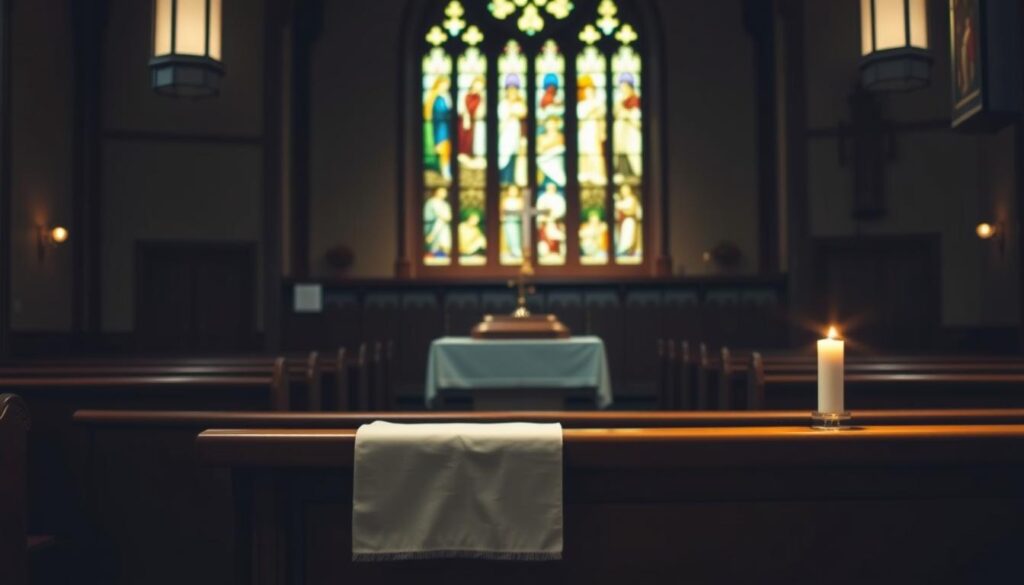
Traditional services adapt seamlessly when using urns. The funeral Mass proceeds with cremated remains present, covered in a white pall symbolizing baptismal purity. Essential elements include:
- Vigil prayers at the wake
- Liturgical procession with the urn
- Final commendation at the burial site
Parish priests often collaborate with funeral homes to ensure proper protocols. This approach maintains theological integrity while comforting grieving families through familiar rituals.
Cremation and Catholicism: Beliefs, Practices, and Implications
At the heart of Catholic teachings lies a profound respect for the human body as sacred. This principle shapes decisions about honoring loved ones while maintaining hope in divine promises.
Theological Significance of the Resurrection Body
Central to Christian faith is the belief that God reunites soul and glorified form at the end of time. The 2016 Vatican instruction affirms: “Cremation doesn’t limit God’s power to restore life.” While physical decay occurs naturally, the Church emphasizes trust in spiritual renewal beyond earthly limits.
Respecting the Human Body in Life, Death, and Beyond
Every person, body and soul, reflects divine creation. This truth guides treatment of remains—whether buried or cremated. Proper care demonstrates reverence for life’s sacred journey and rejects materialistic views of existence.
Families navigating these choices find strength in Church teachings that balance compassion with eternal truths. By honoring both faith and practical needs, they create meaningful tributes aligned with resurrection hope.
FAQ
What is the Catholic Church’s current stance on cremation?
The Church permits it but emphasizes that cremated remains must be treated with the same respect as a body. They should be stored in a sacred place, like a cemetery, rather than kept at home or scattered.
Why did the Church prohibit cremation in earlier centuries?
Early teachings emphasized the resurrection of the body, and some feared cremation rejected this belief. Cultural ties to pagan rituals also influenced the ban, which was lifted in 1963 after theological reflection.
Can a funeral Mass be held with cremated remains present?
Yes. The funeral rites can include a service with the ashes, provided they’re in a dignified container. However, the Church encourages having the body present for the Mass when possible.
How does the Church connect burial practices to faith in resurrection?
Traditional burial reflects the belief that the human body is a temple of the Holy Spirit. Honoring it in death symbolizes hope for its renewal in eternal life, as taught in Scripture.
Are families allowed to keep ashes at home?
The Church advises against this. Keeping remains in a sacred place, like a columbarium or grave, ensures communal reverence and aligns with the dignity owed to the deceased.
What role do funeral rites play in Catholic tradition?
These rituals honor the deceased, comfort loved ones, and affirm the soul’s journey to God. They also unite the community in prayer, reinforcing shared beliefs about life beyond death.
Why is scattering ashes discouraged?
Scattering can imply a lack of permanence or respect for the body. The Church teaches that cremated remains should rest in a consecrated space to reflect ongoing spiritual connection.
How have modern attitudes influenced Catholic funeral practices?
While traditions remain central, flexibility has grown. Many now choose cremation for practical reasons, but the focus on liturgical practices and reverence for the body endures.