The 1700s brought radical changes to spiritual life across colonial settlements. Waves of religious revival reshaped communities, blending European traditions with emerging American ideals. This era saw fiery preachers challenge established norms, sparking movements that prioritized personal faith over rigid doctrine.
New denominations flourished as settlers sought fresh expressions of belief. Emotional gatherings under open skies replaced formal services for many, creating lasting impacts on worship styles. Key legal milestones later cemented principles we still value today, separating government influence from spiritual matters.
From coastal towns to frontier settlements, diverse faith groups adapted to their surroundings. These communities laid groundwork for modern religious freedom while preserving core values. Their stories reveal how early Americans balanced heritage with innovation during turbulent times.
Key Takeaways
- The Great Awakening revolutionized colonial worship through emotional revivals
- Methodist and Moravian movements gained traction in urban centers
- Religious freedom became law through landmark documents post-1776
- Preachers like George Whitefield drew massive outdoor crowds
- New denominations challenged traditional church authority structures
- Colonial meeting houses evolved into permanent worship spaces
Historical Context and Colonial Beginnings
English policies shaped America’s spiritual landscape long before colonists built their first meeting houses. Religious freedom seekers carried European conflicts across the Atlantic, planting seeds for new expressions of belief.
The Role of Colonial Settlements and Early Religious Movements
Four main groups emerged from England’s religious turmoil. Quakers built thriving trade networks while maintaining simple worship practices. Congregationalists created self-governing communities where local leaders set spiritual rules.
These distinct approaches to faith transformed raw wilderness into organized societies. Presbyterians developed flexible theology that later influenced educational institutions. Particular Baptists focused on personal conversion experiences that would fuel revival movements.
Dissenters, the Act of Settlement, and Evolving Faith
England’s 1701 law changed colonial dynamics overnight. By securing Protestant succession to the throne, it strengthened ties between American believers and their homeland. This legal framework let certain denominations flourish while others faced challenges.
The separation of church and state began taking shape as communities tested new governance models. While some groups maintained European traditions, others blended old practices with frontier innovations. These experiments laid groundwork for America’s unique approach to spiritual life.
Exploring “protestant churches in 18th c”: Revival, Missions, and Growth
Spiritual landscapes across the colonies shifted dramatically as new forms of worship took root. Two powerful forces reshaped religious life: emotional revivals and ambitious missionary efforts. These changes created lasting patterns still visible in modern faith practices.
The Great Awakening and Its Lasting Influence
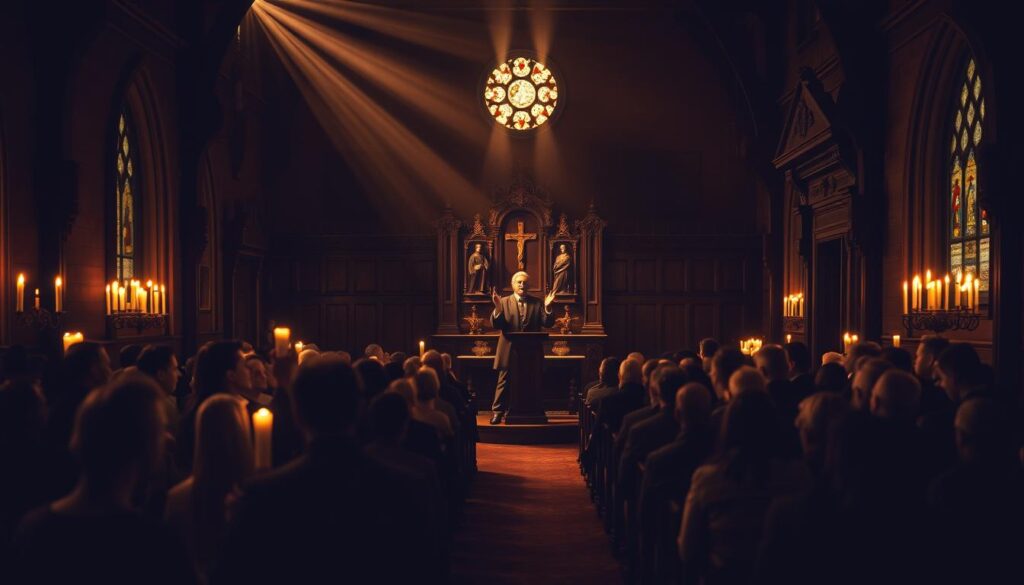
The 1750s witnessed a spiritual earthquake across North America. Preachers like George Whitefield drew thousands to open-air meetings, where crowds experienced intense emotional conversions. This great awakening prioritized heartfelt faith over dry rituals, forever changing how communities practiced their beliefs.
Jonathan Edwards’ famous sermon “Sinners in the Hands of an Angry God” epitomized the revival’s urgency. These gatherings broke down social barriers, creating shared spiritual experiences among diverse groups. The movement’s emphasis on personal connection with divinity influenced education, politics, and social reforms for generations.
Pietism, Moravian Outreach, and Missionary Work
German Pietists brought fresh energy to spiritual life through their focus on individual piety. Settling in Pennsylvania and Georgia, they established tight-knit communities emphasizing daily devotion. Their heart-centered approach inspired new missionary ventures reaching from Native American tribes to distant continents.
Moravian missionaries made history in 1706 by founding India’s first Protestant mission at Tranquebar. Backed by European royalty, these efforts marked the start of organized global evangelism. The Baptist Missionary Society later continued this legacy, sending William Carey to establish groundbreaking work in India.
Notable Figures and Critical Events in Protestant History
Visionary leaders ignited spiritual revolutions that transformed colonial religious practices. Their work reshaped worship styles and created lasting community bonds. Three key forces drove these changes: fiery preachers, innovative communities, and cultural shifts.
John Wesley, George Whitefield, and the Methodist Revival
John Wesley’s life changed forever during a 1738 London meeting. As a Moravian speaker read Martin Luther’s writings, Wesley described feeling his “heart strangely warmed” – a moment sparking the Methodist movement. This emphasis on personal conversion challenged Anglican Church traditions, prioritizing emotional faith over formal rituals.
George Whitefield’s booming voice captivated crowds from New York to Georgia. His open-air sermons drew thousands, creating shared experiences across social classes. Together, these leaders showed how heart-centered preaching could build vibrant spiritual networks.
Count Zinzendorf and the Formation of the Moravian Community
Count Zinzendorf turned his German estate into a refuge for persecuted believers in 1722. The Herrnhut settlement became a model Christian community, blending prayer with practical work. Moravian missionaries later established vital centers in Pennsylvania, sending helpers as far as the Caribbean.
Their slogan “Come as you are” welcomed all seekers. This approach influenced English revivals and set new standards for inclusive worship. By 1775, their communities spanned continents while maintaining close-knit bonds.
The Impact of Enlightenment Thought on Religious Reform
The French Revolution’s upheaval forced religious groups to rethink traditions. As Voltaire questioned church authority, movements like Methodism offered heartfelt alternatives to cold rationality. Leaders balanced new ideas with timeless spiritual needs.
These changes created lasting images of faith – warm communities, passionate preaching, and personal transformation. Their legacy continues shaping American religious life today.
Conclusion
By the late 1700s, a distinct spiritual identity had taken root across North America. Religious movements reshaped communities through passionate revivals and innovative missions. These changes created lasting patterns in how people practiced faith and organized their spiritual lives.
The era’s legacy lives on in modern principles of religious freedom and community-driven worship. From frontier settlements to growing cities, diverse groups found new ways to express shared beliefs. Their experiences remind us how historical events continue shaping our understanding of faith’s role in society.
FAQ
How did colonial settlements shape early religious movements in America?
Colonial settlements created diverse communities where faith played a central role. Groups like Puritans, Quakers, and Anglicans established churches that blended European traditions with New World challenges, fostering unique spiritual identities.
What role did dissenters play in evolving 18th-century faith practices?
Dissenters challenged state-backed churches, advocating for religious freedom and separation of church and government. Their efforts led to new denominations and a shift toward personal spiritual experiences over rigid doctrine.
Why was the Great Awakening significant for Protestant growth?
The Great Awakening emphasized emotional revival and personal conversion, uniting colonies through preachers like George Whitefield. It sparked grassroots movements, increased missionary work, and laid groundwork for later reforms.
How did Moravian missionaries influence 18th-century communities?
Moravians, led by Count Zinzendorf, prioritized global missions and communal living. Their outreach to Native Americans and enslaved people introduced inclusive worship styles, inspiring other groups to expand their evangelical efforts.
What connected John Wesley and George Whitefield to the Methodist revival?
Both leaders preached salvation through faith and heartfelt conversion. While Wesley organized Methodist societies, Whitefield’s open-air sermons drew massive crowds, fueling a transatlantic revival that reshaped Protestantism.
How did Enlightenment ideas affect religious reform in the 1700s?
Enlightenment thinkers promoted reason and individual rights, pushing churches to adapt. This era saw debates over tradition versus innovation, influencing movements like Unitarianism and fostering tolerance in some colonial regions.