Finding a spiritual home that aligns with your beliefs is simpler than ever. Modern tools help connect people with congregations offering meaningful worship and supportive environments. These communities blend rich traditions with contemporary approaches to faith.
Many congregations have served neighborhoods for generations. For example, one historic Chicago faith group has fostered connections since 1879. Such groups honor their heritage while adapting spaces for accessibility and modern needs.
Newcomers and returning members alike find opportunities for growth through pastoral guidance and group activities. Multiple service formats accommodate diverse schedules, from traditional hymns to casual gatherings. Families appreciate flexible options that fit busy lives.
Community outreach remains central to these organizations’ missions. Food drives, volunteer projects, and youth programs let members live their faith through action. Shared values create bonds that extend beyond weekly services.
Key Takeaways
- Modern search tools simplify finding congregations matching your spiritual needs
- Historic faith groups balance tradition with modern community engagement
- Multiple service formats accommodate different schedules and preferences
- Community programs connect faith with practical support for neighbors
- Inclusive environments welcome both new members and returning visitors
Discovering Your Local Lutheran Church
Connecting with a faith community begins with understanding practical details that fit your lifestyle. Many spiritual groups maintain predictable schedules while offering diverse ways to engage.
Service Times and Worship Schedules
Sunday gatherings often anchor weekly routines. For example, Wicker Park’s congregation meets at 10 a.m., while Gloria Dei holds services at 9 a.m. with early communion. Most groups provide midweek options like Bible studies or prayer circles.
Seasonal adjustments keep traditions fresh. Advent candlelight services or Lenten suppers create meaningful moments beyond regular worship hours. Always check websites for holiday updates or special events.
Location Details and Contact Information
Historic buildings often become neighborhood landmarks. The Wicker Park group has gathered at Hoyne & LeMoyne since 1879, while Gloria Dei serves Chicago’s Garfield Ridge area. Parking lots and bus routes make visits stress-free.
Reaching out is straightforward:
- Call 773-276-0263 for immediate questions
- Email office@wickerparklutheran.org for detailed inquiries
- Use online forms for quick responses
These options ensure everyone finds convenient ways to connect.
Locating a Lutheran Church Close to Me
Modern tools simplify connecting with faith groups that match your values. Online directories let you filter options by location, worship style, and service focus. Many organizations update their listings weekly, ensuring accurate information.
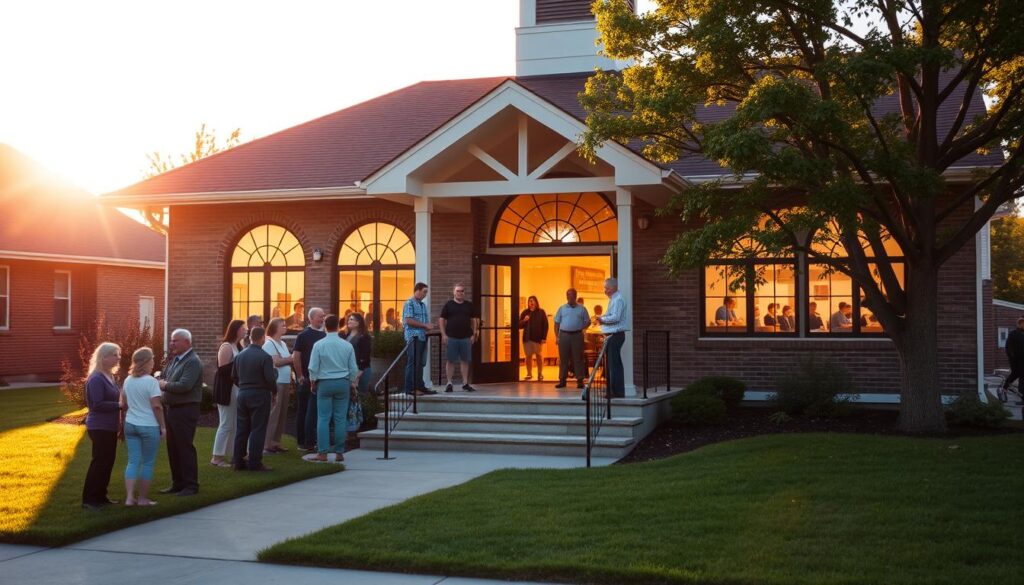
Finding Nearby Congregations
Denominational websites offer search tools sorted by ZIP code or city. For example, Gloria Dei maintains its Northern Illinois District affiliation through the Lutheran Church—Missouri Synod. This helps visitors understand theological alignment before visiting.
Consider these factors when choosing:
| Feature | Small Groups | Larger Communities |
|---|---|---|
| Worship Style | Traditional liturgy | Blended services |
| Programs | Local food drives | Multi-age ministries |
| Transport | Walkable locations | Shuttle services |
Community, Faith, and Congregation Life
Neighborhood engagement varies by group. Some prioritize partnerships with schools, while others host seasonal festivals. The Garfield Ridge area near Midway Airport features historic sacramental practices alongside modern outreach efforts.
Weeknight study groups and weekend volunteer projects create multiple entry points. Many first-time visitors appreciate low-pressure environments where they can explore traditions at their own pace.
Exploring Worship Services and Community Engagement
Spiritual growth thrives when sacred traditions meet modern connection tools. Many congregations blend time-honored practices with digital resources to nurture meaningful participation.
Traditional worship patterns create familiar rhythms for participants. Hymn singing, scripture reflections, and shared communion anchor weekly gatherings. These elements form a foundation for personal reflection and collective celebration.
Online Communities and Involvement Opportunities
Platforms like Church Community Builder (CCB) help members stay connected beyond physical gatherings. Wicker Park’s congregation uses this tool to coordinate meal deliveries and volunteer shifts. Members can join small groups or track prayer requests through intuitive dashboards.
Service opportunities adapt to various interests and schedules:
- Assisting with hospitality roles during services
- Packaging groceries for local food pantries
- Joining advocacy teams for social justice causes
Digital tools also extend learning opportunities. Many groups share sermon recordings and educational materials online. This approach supports those balancing busy schedules or health considerations.
Seasonal projects like holiday gift drives or summer mentorship programs demonstrate faith-driven initiatives. Partnerships with schools and shelters amplify community-focused efforts. Through these connections, spiritual values become tangible acts of care.
Historic Architecture and Community Initiatives
Century-old buildings tell stories of faith while adapting to serve modern needs. Many spiritual groups balance architectural preservation with upgrades that welcome diverse visitors. These efforts create spaces where heritage meets contemporary values.
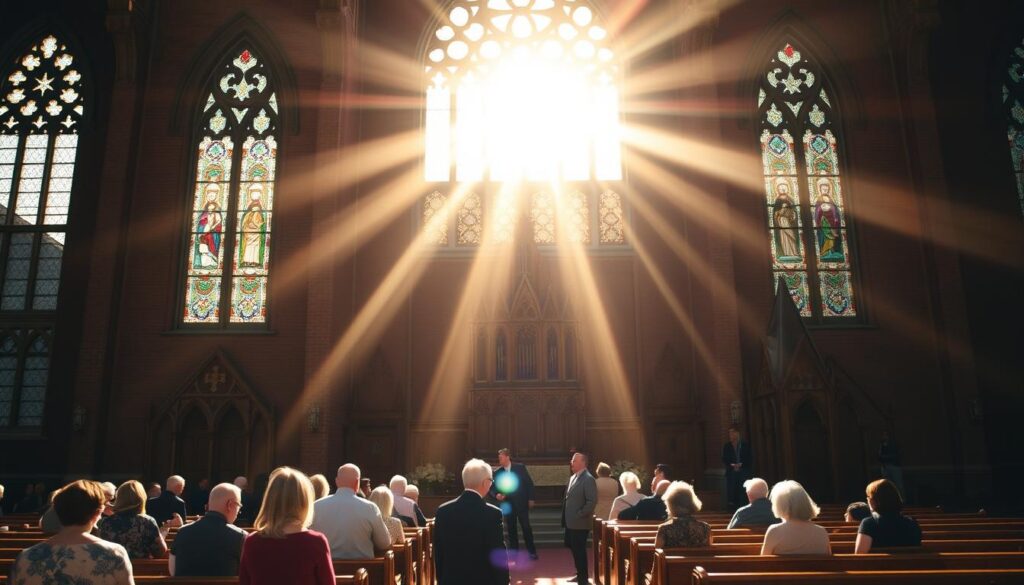
Preserving Historic Worship Spaces
The Wicker Park congregation’s 1906 structure showcases stained-glass windows and hand-carved woodwork. Specialists use traditional techniques to repair original features while reinforcing structural safety. This careful approach maintains visual charm for future generations.
Accessibility Improvements and Community Campaigns
A $1.4 million initiative called “A Place for All” addresses modern needs. The plan includes:
- Installing elevators for multi-level access
- Creating ADA-compliant restrooms
- Expanding gathering areas for events
| Preservation Focus | Modern Upgrade | Community Impact |
|---|---|---|
| Original brickwork restoration | Energy-efficient HVAC systems | Lower utility costs |
| Stained-glass conservation | Gender-neutral facilities | Inclusive environment |
| Wood beam reinforcement | Digital security systems | Safer event hosting |
Local supporters help fund these changes through bake sales and donor drives. Updated spaces now host neighborhood meetings and youth workshops. This blend of history and innovation strengthens bonds across generations.
Conclusion
Exploring local faith communities offers transformative possibilities for personal and collective growth. These groups provide spaces where individuals nurture their spiritual journeys while forming bonds that strengthen neighborhoods. Shared values and collaborative efforts create networks of support during life’s milestones and everyday challenges.
Many congregations blend deeply rooted traditions with fresh approaches to service. This balance allows members to honor heritage while addressing modern needs through food drives, mentorship programs, and inclusive gatherings. Such initiatives demonstrate how timeless principles adapt to uplift today’s communities.
Taking the first step toward involvement can reshape daily experiences. Whether through weekly services, volunteer projects, or fellowship events, participation fosters meaningful connections. These relationships often grow into lifelong sources of encouragement and purpose.
Investments in accessible facilities and outreach programs reflect a commitment to sustainable community building. By joining these efforts, individuals discover opportunities to develop their beliefs while contributing to something larger than themselves. The journey toward spiritual fulfillment begins with simple acts of curiosity and openness.
FAQ
How can I find a nearby congregation?
Use online church locators like those from the ELCA or LCMS websites. Social media groups and local community boards often share details about congregations in your area. You can also ask neighbors or check local directories.
What worship styles are common in these communities?
Many offer both traditional liturgies with hymns and modern services featuring contemporary music. Some blend casual and formal elements to welcome diverse preferences. Check individual websites or call ahead to learn about specific styles.
Are there opportunities to get involved beyond Sunday services?
Yes! Most congregations host Bible studies, youth groups, and volunteer initiatives like food drives or neighborhood cleanups. Look for event calendars online or ask about small-group ministries focused on shared interests.
How accessible are these spaces for those with mobility needs?
Many have ramps, elevators, and reserved parking. Some offer hearing assistance devices or large-print materials. Contact staff directly to discuss specific accommodations—they’re often happy to ensure everyone can participate comfortably.
Can I visit historic sanctuaries even if I’m not a member?
Absolutely! Several congregations with historic architecture welcome visitors for tours or special events. Check their social media pages for open-house announcements or heritage celebration dates.
Do these communities support online participation?
Many stream services live or post recorded sessions. Virtual prayer groups and Zoom-based classes are also growing. Explore their websites or YouTube channels to stay connected if you can’t attend in person.