Every day, millions of Americans face challenges that threaten their stability. From food insecurity to housing crises, these struggles demand compassionate solutions that address immediate needs while fostering lasting change. One organization stands out for its ability to deliver both: a faith-based network operating at national scale.
With a presence in over 1,400 neighborhoods, this group helps 6 million people annually through essential programs. Their approach goes beyond temporary fixes. Dignity and respect guide every interaction, whether providing emergency financial aid or creating pathways to healthcare access.
The network’s strength lies in its holistic support system. Families receive coordinated assistance for multiple needs – meals today, job training tomorrow. This method helps individuals transition from crisis to self-sufficiency, building stronger communities block by block.
Key Takeaways
- Operates one of America’s largest health and human services networks
- Serves 6 million people annually across 1,400+ locations
- Focuses on both emergency relief and sustainable independence
- Provides comprehensive support including housing and healthcare
- Rooted in principles of dignity and community empowerment
Our Mission and Impact
Breaking cycles of hardship requires more than temporary fixes—it demands solutions that restore dignity while building independence. At its core, this organization helps families and individuals tackle urgent needs like housing insecurity and hunger through personalized support systems.
Last year alone, over 30,000 people accessed nutritious food through pantry programs designed to respect cultural preferences. Meanwhile, $1.67 million in housing assistance prevented evictions for hundreds of households. These efforts create ripple effects—stable homes allow parents to seek better jobs, while reliable meals help children thrive in school.
What sets the approach apart? Staff address overlapping challenges through:
- Case management connecting clients to healthcare and job training
- Financial coaching to break debt cycles
- Emergency aid that preserves self-respect
Open to all regardless of faith or background, the model proves that compassion paired with practical tools can rewrite life stories. As one client shared: “They saw my potential, not just my problems.”
Overview of lutheran community services in Action
Economic turbulence has pushed food insecurity to record levels, with 1 in 6 households facing tough choices between meals and bills. This crisis demands more than good intentions—it requires strategic action backed by robust networks. Through coordinated efforts spanning 50 states, teams deliver critical aid while empowering people to rebuild stability.
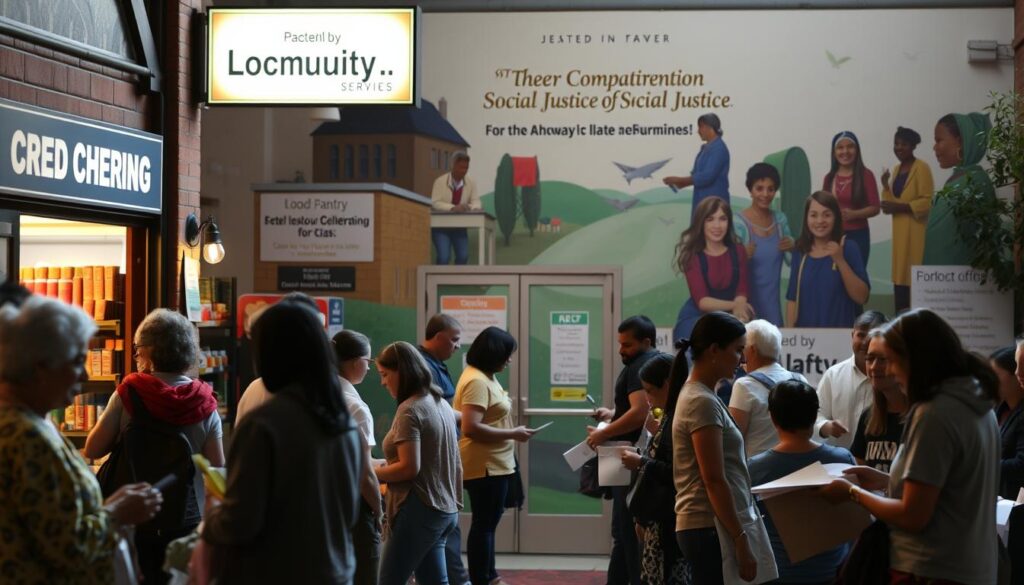
Volunteers form the backbone of operations, sorting donations at food hubs and mentoring job seekers. Last month alone, 12,000 helpers packed emergency kits containing fresh produce and hygiene items. “We meet urgency with creativity,” explains a program director. “Mobile pantries now reach rural areas, while nutrition classes teach budget-friendly cooking.”
Key initiatives address interconnected challenges:
- Three-tier assistance combining immediate groceries with financial coaching
- Health screenings paired with insurance navigation support
- Childcare subsidies enabling parents to attend workforce training
Corporate partnerships amplify these efforts. A recent tech grant funded tablets for telehealth appointments—connecting isolated seniors to doctors within minutes. Every project undergoes rigorous impact reviews, ensuring resources create measurable change.
From urban neighborhoods to tribal lands, this approach proves customized care fosters lasting progress. As inflation strains budgets, the focus remains clear: equip families with tools to thrive, not just survive.
Comprehensive Community Support Programs
When basic needs are met, individuals can focus on building brighter futures. This principle drives initiatives that combine nutritional support with financial stability tools. Designed to address multiple challenges at once, these efforts create pathways out of crisis.
Food Pantries and Nutritional Aid
Over 30,000 people access fresh produce and culturally appropriate meals each year through neighborhood distribution centers. The Delaware Food Farmacy stands out, delivering 35,250 medically tailored meals to those managing diabetes or heart conditions. Partnerships with healthcare providers ensure food becomes part of treatment plans.
Housing and Financial Assistance
Security deposits and utility bill help prevent evictions while case workers develop long-term stability plans. “We pair emergency funds with budgeting workshops,” explains a program coordinator. This dual approach helps families tackle immediate costs while learning money management skills.
Both initiatives share a common thread: addressing physical and financial health together. By meeting urgent needs while teaching self-sufficiency strategies, these programs help people regain control of their lives.
Health and Wellbeing Initiatives
True wellness extends beyond physical health—it thrives when mind and body work in harmony. Our initiatives tackle both aspects through evidence-based strategies that empower lasting change.
Breaking Free From Tobacco
The smoking cessation program partners with state resources to offer free coaching and nicotine replacements. Over 2,500 individuals have enrolled, accessing tools to manage cravings and build healthier habits. “We help people rewrite their relationship with tobacco,” shares a counselor.
Holistic Care Networks
Mental health support blends seamlessly with practical assistance. Trained specialists address stress, trauma, and anxiety while connecting participants to housing or job resources. This dual focus helps people tackle root causes of instability.
Key features include:
- Personalized care plans combining therapy with life skills training
- Culturally sensitive approaches honoring diverse backgrounds
- Preventive education on coping mechanisms and nutrition
By treating health as interconnected, these efforts create ripple effects. Families gain stability, workplaces retain employees, and neighborhoods grow stronger—one healed life at a time.
Family and Child Support Services
Strong families form the backbone of thriving neighborhoods, yet many in Wilmington face daily pressures that strain their foundations. Poverty rates and food access challenges create complex barriers to stability. Our approach focuses on strengthening households through tailored solutions that nurture both parents and children.

Last year, over 800 families gained access to free childcare while parents completed job training. “This program gave me breathing room to rebuild,” shares a single mother of three. Teams work closely with schools to identify at-risk youth, providing tutoring and mentorship that keeps kids engaged in learning.
Key strategies include:
- Parent coaching sessions focused on stress management and budgeting
- After-school meals paired with homework help
- Emergency housing placements that keep families together
Prevention remains central to the model. Early intervention workshops teach conflict resolution and financial planning before crises emerge. Partnerships with healthcare providers ensure children receive developmental screenings during food pantry visits.
By addressing multiple needs simultaneously, these efforts create lasting change. Children in supported households show 40% higher school attendance rates, while parents report better job retention. It’s proof that investing in families today builds stronger communities tomorrow.
Empowering Immigrant Communities
New beginnings often come with complex challenges. Navigating legal systems and cultural differences can feel overwhelming for those building lives in unfamiliar territory. One initiative in the Pacific Northwest bridges these gaps through specialized support tailored to immigrant needs.
Legal Pathways to Stability
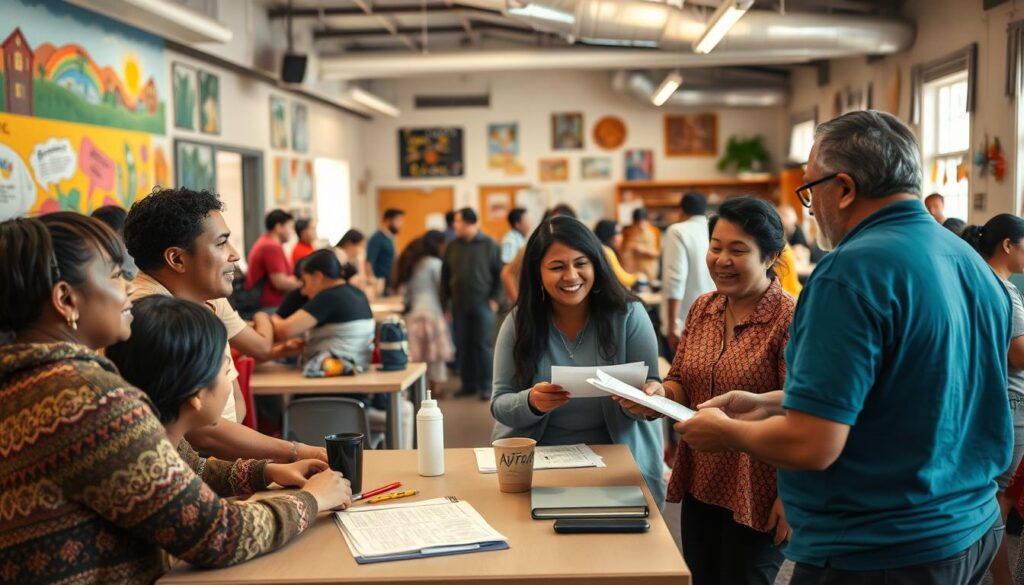
The Immigration Counseling and Advocacy Program offers affordable solutions across eight counties. From DACA renewals to family reunification cases, trained professionals guide applicants through each step. “We simplify complex processes,” notes a legal advocate. Key services include:
| Service Type | Eligible Applicants | Key Benefit |
|---|---|---|
| Naturalization Assistance | Permanent Residents | Citizenship Preparation |
| VAWA Petitions | Abuse Survivors | Legal Protection |
| Employment Authorization | TPS Holders | Work Rights |
Breaking Language Barriers
Bilingual staff provide critical support in English and Spanish, ensuring clear communication during sensitive legal matters. Cultural competency training helps teams address unique needs – from explaining court procedures to connecting families with local resources.
Partnerships with regional employers and schools foster integration beyond paperwork. Citizenship classes and know-your-rights workshops empower participants to engage confidently in their neighborhoods. As one recent citizen shared: “This program didn’t just change my status – it changed my future.”
Community Engagement and Volunteer Opportunities
Volunteers are the heartbeat of meaningful change. Across the nation, individuals and businesses partner with this network to strengthen neighborhoods through hands-on action. Whether sorting fresh produce at food hubs or mentoring job seekers, every contribution creates ripples of progress.
Opportunities to Give Back
Teams match helpers with roles that fit their talents and schedules. A retired teacher might tutor students, while a marketing pro could assist with event promotions. “I found purpose in organizing donation drives,” shares a longtime volunteer. Flexible options ensure everyone can participate:
| Role | Time Commitment | Primary Impact |
|---|---|---|
| Food Pantry Assistant | 4 hrs/week | Feeds 120 families |
| Garden Coordinator | Seasonal | Grows 800 lbs of produce |
| Career Mentor | 2 sessions/month | Supports 15 job seekers |
Corporate teams often adopt special projects, like sponsoring mobile food units or skills workshops. Training programs help volunteers grow personally while addressing critical needs. Seasonal campaigns and cultural festivals offer additional ways to connect while driving awareness.
Through these collaborations, neighborhoods gain resilience. As one partner business leader notes: “Our employees learn empathy while making tangible differences.”
Collaborative Partnerships and Sponsorship
Progress thrives when hands join together. Corporate sponsors, local businesses, and foundations amplify efforts to uplift neighbors through shared resources and expertise. Strategic alliances turn ideas into action—like a recent tech grant funding tablets for telehealth access in rural areas.
Regional grocers donate surplus food while logistics firms transport supplies at cost. These collaborations stretch every dollar further. “Our partners don’t just write checks—they roll up sleeves,” notes a program director. A Midwest bank’s financial literacy workshops now reach 14 states through joint funding.
Sponsorship opportunities range from single events to multi-year pledges. Restaurants adopt meal programs, while manufacturers supply job training tools. Every contribution sparks measurable change: $5,000 sponsors 25 housing consultations, and 100 volunteer hours stocks pantries for a month.
By blending skills and passion, these bonds create solutions no group could achieve alone. Together, they prove that collective care builds bridges to brighter futures.
FAQ
How can I access food pantry support?
Nutritional aid programs are open to anyone facing food insecurity. Visit local centers during operating hours or contact staff for delivery options if transportation is a challenge.
What mental health resources are available?
Free counseling, crisis intervention, and case management services help individuals navigate emotional challenges. Bilingual specialists ensure culturally sensitive care for diverse populations.
Do you provide legal help for immigration cases?
Yes! Accredited representatives offer low-cost guidance on visa applications, citizenship processes, and family reunification. Walk-in clinics provide immediate assistance for urgent needs.
Can volunteers without specialized skills contribute?
Absolutely! Opportunities range from organizing donation drives to mentoring youth. Training is provided for roles like ESL tutors or event coordinators based on your interests.
How does housing assistance work?
Emergency rental support prevents evictions, while long-term programs connect families with affordable housing options. Financial coaching helps build budgeting skills for lasting stability.
Are smoking cessation programs free?
Yes, all wellness initiatives – including quit-smoking workshops – are offered at no cost. Participants receive nicotine replacements and personalized strategies to improve health outcomes.
What partnerships strengthen your impact?
Collaborations with healthcare networks, schools, and local businesses allow expanded reach. Sponsorships fund critical initiatives like back-to-school supplies and holiday meal distributions.