From bustling city centers to quiet rural towns, America’s spiritual landscape thrives with vibrant faith communities. These institutions have long served as cornerstones of local life, blending tradition with modern values. Their influence stretches beyond Sunday services, shaping everything from neighborhood events to national ethics.
Dozens of denominations exist under the Protestant umbrella, each offering unique traditions and beliefs. Whether you’re drawn to historic congregations or contemporary worship styles, there’s a community for every seeker. This diversity reflects the nation’s cultural richness, connecting generations through shared spiritual journeys.
Our guide helps you navigate this dynamic world. We’ll explore how different groups adapt to changing times while preserving core teachings. You’ll also learn about regional trends, membership patterns, and the evolving role of faith in daily life.
Key Takeaways
- America’s spiritual communities reflect a wide range of traditions and worship styles
- Historic institutions continue to shape cultural values nationwide
- Denominational differences highlight unique approaches to shared beliefs
- Membership trends reveal shifts in modern religious engagement
- Upcoming sections provide actionable insights for exploring these groups
Introduction: The Evolving Role of Protestant Churches in America
For centuries, spiritual communities have shaped America’s identity. These groups built schools, hospitals, and social programs long before modern institutions existed. Today, they face new tests while holding firm to timeless values.
Historical Perspectives and Contemporary Relevance
Early settlers established congregations that became civic anchors. Colonial meetinghouses hosted town debates alongside worship services. Over time, these groups adapted to industrial revolutions and civil rights movements without losing their core mission.
Modern congregations blend tradition with innovation. Livestreamed services reach homebound members, while food banks address local needs. One pastor notes: “Our building might be quieter, but our impact grows through partnerships and outreach.”
Understanding Church Membership in a Changing Landscape
Membership rolls no longer tell the full story. Many participate in programs without formal enrollment. Young adults often prefer flexible involvement over traditional commitments.
| Era | Focus | Membership Approach |
|---|---|---|
| Colonial Times | Community Survival | Mandatory Participation |
| 20th Century | Institutional Growth | Formal Registrations |
| Modern Day | Social Impact | Event-Based Engagement |
Despite shifting metrics, annual charity drives and youth mentorships show enduring influence. As cultural priorities evolve, these communities keep redefining what faith in action looks like.
Exploring protestant churches usa: Key Denominations and Membership Trends
America’s faith communities showcase a tapestry of traditions, each weaving unique threads into the nation’s spiritual fabric. While some groups dominate membership charts, others shape culture through specialized ministries and historical legacies. Let’s unpack the distinctives of major organizations driving this diversity.
Southern Baptist Convention and Its Leading Influence
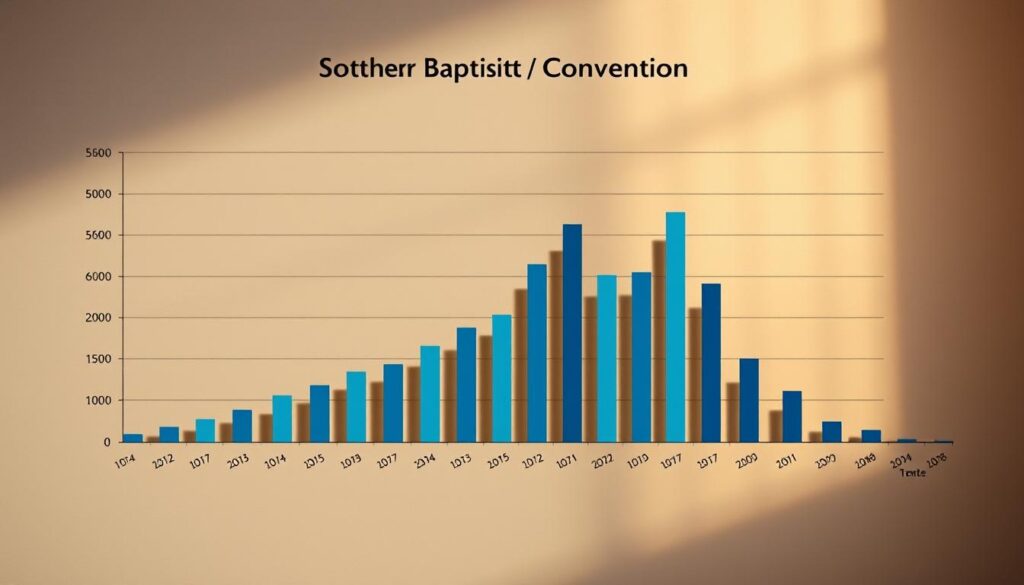
The Southern Baptist Convention remains the largest denomination, with 16.2 million members. Its decentralized structure empowers local congregations while maintaining shared beliefs like biblical literalism and evangelism focus. Regional strongholds span from Texas to the Carolinas, though recent outreach targets urban centers nationwide.
The United Methodist Church and Other Major Denominations
Second in size, the United Methodist Church balances traditional liturgy with progressive social initiatives. Its 7.8 million members support global health programs and interfaith dialogue. Meanwhile, groups like the Evangelical Lutheran Church preserve European-rooted practices, while the African Methodist Episcopal Church champions educational equity and racial justice.
Smaller but impactful denominations fill specific niches:
- National Baptist Convention: 5 million members fostering Black theological scholarship
- Presbyterian Church (USA): Representative governance model influencing civic engagement
- Episcopal Church: Liturgical richness attracting intergenerational families
These groups face shared challenges—retaining younger members and addressing cultural shifts. Yet their adaptive strategies, from digital ministry tools to community gardens, prove faith communities remain vital in modern society.
Listicle Spotlight: Top Denominations by Membership in the United States
Membership numbers reveal fascinating patterns in America’s faith communities. Recent data from The Yearbook of American and Canadian Churches shows how traditions stack up in modern engagement. Let’s explore what these figures mean for spiritual life nationwide.
Leaders and Trends in Faith Communities
Here’s the breakdown of top groups by size:
- Southern Baptist Convention (16.2 million) – Dominates through local autonomy and evangelism focus
- United Methodist Church (7.8 million) – Balances liturgy with social justice work
- Church of God in Christ (5.5 million) – Key player in Black Pentecostal traditions
- National Baptist Convention (5 million) – Advances theological education initiatives
- Evangelical Lutheran Church USA (4.5 million) – Maintains Scandinavian-rooted practices
Adapting to New Realities
Only the Assemblies of God reported growth (+0.5%), while others face declines. Many groups now prioritize service quality over quantity. African Methodist Episcopal churches (2.5 million members) exemplify this shift through scholarship programs and food drives.
Despite challenges, these communities innovate. Livestreamed Bible studies and pop-up meal centers show faith adapting to modern needs. As one leader observed: “Our impact isn’t measured in seats filled, but lives changed.”
Conclusion
In every corner of the United States, communities gather in shared pursuit of meaning and service. The landscape of spiritual groups offers something for everyone—from traditional liturgies to modern outreach programs. While membership numbers show shifts, the true measure lies in transformed lives and strengthened neighborhoods.
Look beyond the statistics. Vibrant congregations thrive through food pantries, youth mentorships, and intergenerational connections. These efforts prove that lasting impact stems from compassion, not crowd sizes.
Your local area likely hosts multiple denominations, each with unique strengths. Visiting different groups can enrich your spiritual journey while supporting community bonds across the nation. Whether you seek quiet reflection or active service, opportunities await.
As traditions adapt to new challenges, core values remain steady. The heartbeat of faith communities continues to unite people, proving that growth happens when service meets sincerity.
FAQ
What is the largest Protestant denomination in the U.S.?
The Southern Baptist Convention holds the top spot, with over 13 million members. Its influence spans worship practices, community outreach, and theological education nationwide.
How has the United Methodist Church’s membership changed recently?
Membership has declined due to debates over theology and social issues. However, regional growth persists in areas aligning with its traditional values and community-focused ministries.
Where can I find reliable data on church membership trends?
The Yearbook of American and Canadian Churches offers annual updates. It tracks membership, donations, and participation across denominations like the Evangelical Lutheran Church and Assemblies of God.
What challenges do major denominations face today?
Secularization, generational shifts, and adapting to modern values are key hurdles. Groups like the African Methodist Episcopal Zion Church prioritize youth engagement to address these trends.
How does the African Methodist Episcopal Church impact communities?
Founded in 1816, it champions social justice, education, and empowerment. Its 2.5 million members actively support initiatives like affordable housing and voter registration drives.