Finding a spiritual home that aligns with your beliefs can transform your life. In a city bursting with cultural diversity, Manila’s faith communities stand out for their warmth and inclusivity. This guide helps you navigate vibrant congregations where meaningful connections and uplifting worship experiences thrive.
Many of these groups trace their roots to 1898, when U.S. chaplains and missionaries introduced Protestant traditions. Today, nearly 11% of Filipinos identify with these denominations, which range from Pentecostal gatherings to locally founded ministries. Each offers unique programs that blend spiritual growth with community service.
Whether you value contemporary music, Bible-based teaching, or outreach initiatives, there’s a place for you here. Some congregations have served neighborhoods for decades, creating tight-knit networks through youth programs and volunteer projects. Others focus on modern worship styles that resonate with younger generations.
Key Takeaways
- Explore diverse worship styles and denominations across Manila’s faith communities
- Learn about congregations with deep historical roots and modern approaches
- Find groups prioritizing fellowship, outreach, and personalized spiritual growth
- Discover how local ministries actively support their neighborhoods
- Identify welcoming spaces for newcomers and long-term residents alike
Introduction to Protestant Churches in Manila
Spiritual growth thrives in spaces where melodies meet meaningful connections. Manila’s faith communities offer vibrant hubs where diverse backgrounds unite through shared values and uplifting traditions.
Overview of Worship and Community
Sunday gatherings here range from organ-accompanied hymns to electric guitar-led praise sessions. Many congregations host midweek small groups where people discuss faith journeys over home-cooked meals. These settings foster relationships that support members through career changes, family milestones, and personal challenges.
Community initiatives often include:
| Activity Type | Traditional Style | Contemporary Approach |
|---|---|---|
| Worship Music | Classical hymns | Modern worship bands |
| Study Format | Lecture-style sermons | Interactive workshops |
| Outreach | Food drives | Tech mentorship programs |
The Significance of an Ultimate Guide
Choosing where to grow spiritually impacts daily life more than many realize. Our research highlights communities with childcare support for young families and career-focused ministries for professionals. One member shared: “Finding my group helped me rebuild after losing my job – they became my anchor.”
This guide simplifies your search by matching belief systems with practical needs. Whether you prioritize neighborhood involvement or global missions, the right fit awaits.
Historical Background of Protestantism in the Philippines
The late 19th century brought seismic shifts to the islands’ spiritual identity. As the American colonial regime replaced Spanish rule after 1898, new religious ideas arrived with occupying forces. This pivotal time laid foundations for diverse faith practices that still influence local culture today.
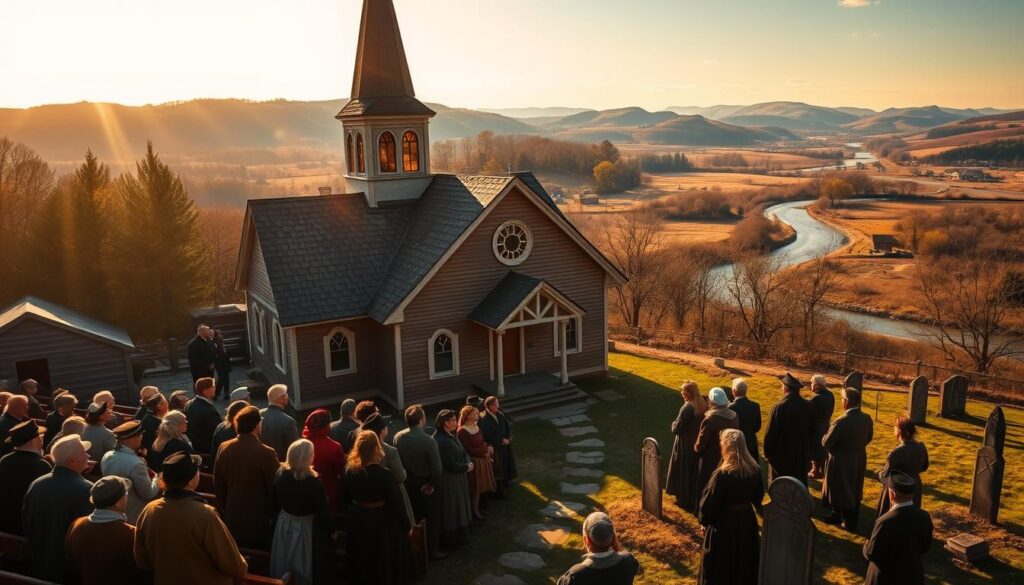
U.S. military chaplains became unexpected spiritual pioneers during the Filipino-American War (1899-1902). These volunteers held services for soldiers while introducing Protestant teachings to curious locals. Leaders from major denominations saw the islands as fertile ground for spreading their beliefs, often viewing colonization as divine destiny.
This cross-cultural exchange created lasting changes. Where Spanish Catholicism emphasized hierarchy, American missionaries promoted personal scripture study. Early gatherings blended Western hymns with Tagalog translations, planting seeds for future adaptations. By 1901, organized efforts from groups like Methodists established permanent ministries.
Today’s faith communities reflect this unique heritage. Traditional hymnbooks sit alongside indigenous instruments in many services. Sermons address modern social issues while preserving core teachings from those early years. This blend of old and new continues shaping spiritual journeys across generations.
American Mission and Early Evangelical Efforts
August 28, 1898, changed spiritual life in the islands forever. On that humid Sunday, Chaplain George Stull gathered soldiers in a repurposed Spanish dungeon near Manila Bay. What began as a military service became the first spark of lasting change.
Military Chaplains as Spiritual Pioneers
Stull’s diary reveals curious locals joining his Methodist Episcopal service that day. This unexpected mix of American troops and Filipino seekers planted seeds for cross-cultural congregations. Military chaplains soon expanded their role from comforting homesick soldiers to sharing new interpretations of scripture.
Building Bridges Through Service
Early missionaries faced a delicate task. They introduced fresh ideas to communities steeped in Roman Catholic traditions spanning 300 years. Instead of confrontation, many focused on practical support:
- Opened clinics treating tropical diseases
- Established schools teaching English and vocational skills
- Created literacy programs using translated Bibles
Under American rule, these efforts gained official backing. Denominations built hospitals and colleges that still operate today. One teacher noted: “We didn’t just share hymns – we shared hope through healing and learning.”
This strategic approach helped new teachings take root. While the Catholic Church remained dominant, alternative spiritual paths emerged. Communities discovered choices reflecting both global connections and local needs.
Pioneering Filipino Leaders and Their Legacy
Personal stories often shape spiritual movements in profound ways. The journey of one remarkable family reveals how faith transitions influenced entire communities during a transformative era.
The Zamora Family and Early Conversions
Paulino Zamora’s life changed forever in 1872 when Spanish authorities executed his uncle, priest Jacinto Zamora. This tragedy sparked deep questions about religious authority, leading the family to explore new spiritual paths. Paulino later joined the Masons, becoming a vocal advocate for reform.
His son Nicolas took a different route, joining Methodist missionaries in 1900. Within three years, he rose from deacon to elder, captivating crowds with relatable sermons. “He spoke like someone who understood our struggles,” noted a listener from those early years.
Unlike foreign preachers, Nicolas blended traditional Filipino values with new teachings. He organized study groups that felt like family gatherings rather than formal classes. This approach helped build trust among people wary of foreign-led religious groups.
The Zamoras’ legacy lives on through congregations emphasizing cultural relevance. Their story reminds us that meaningful change often starts with individuals courageous enough to reimagine tradition.
Evolution of Protestant Denominations in Manila
Faith communities in the Philippines began rewriting their spiritual playbook during the early 20th century. What started as foreign-led missions transformed into self-reliant movements shaped by local needs and cultural pride.
From Independent Movements to Organized Churches
In 1909, a bold shift occurred in Tondo. Filipino Methodists working with the church United States mission launched Pulong ng Katotohanan (Truth Society). This group organized evangelistic projects without American oversight, planting seeds for homegrown ministries.
Nicolas Zamora accelerated this change by founding IEMELIF – the nation’s first fully independent denomination. His approach blended Methodist teachings with Tagalog language services, creating spaces where neighbors felt understood. One member recalled: “We finally worshipped without feeling like guests in our own land.”
Building self-sufficient communities required innovation:
- Local leaders developed training programs for pastors
- Volunteers managed finances through neighborhood contributions
- Sermons addressed everyday struggles alongside scripture
By the 1920s, these efforts proved independence didn’t mean isolation. New denominations partnered with global networks while keeping decision-making local. This balance of tradition and autonomy continues shaping spiritual journeys across generations.
Architectural and Cultural Significance of Church Buildings
In the heart of spiritual spaces, every curve and corner holds a message. The Church of the Risen Lord stands as a testament to this truth, its parabolic shape challenging traditional notions of sacred design. This unique form reminds visitors that human perfection remains elusive – a concept mirrored in the structure’s gentle slopes that never quite reach a defined peak.
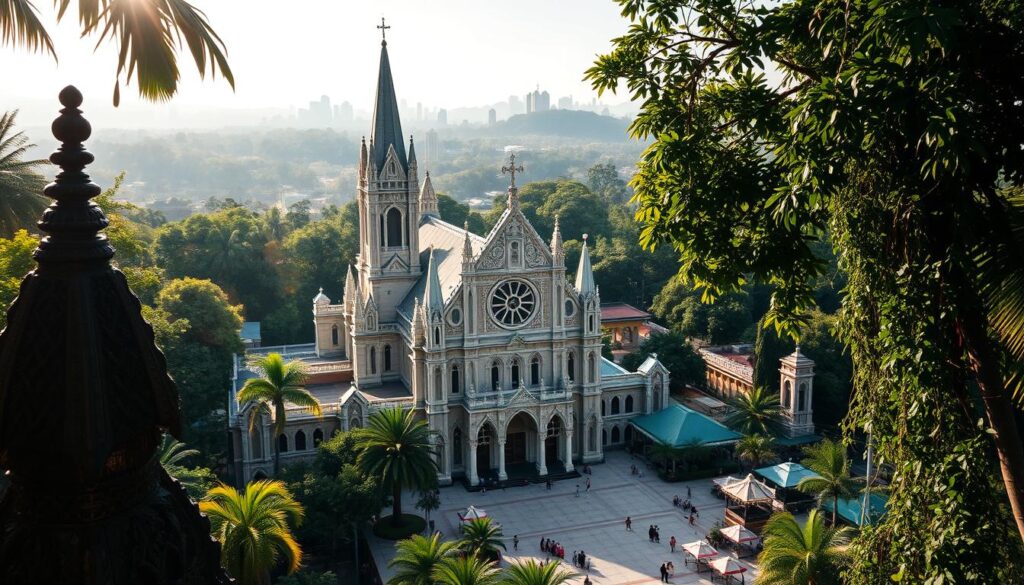
Modern meets meaningful in its basilica-style framework. The concrete shell roof, folded like origami paper, creates dynamic acoustics while symbolizing life’s unfolding journey. “The roof isn’t just structural – it’s a sermon in steel and cement,” shares a local architect.
| Design Element | Cultural Influence | Spiritual Symbolism |
|---|---|---|
| Parabolic Walls | Filipino value of humility | Human imperfection |
| Folded Roof | Traditional paper crafts | Life’s unfolding path |
| Open Layout | Community-centric values | Inclusive worship |
These spaces serve multiple roles beyond Sunday services. Many host literacy programs and disaster relief coordination centers. The blending of Western architectural principles with local artistry creates landmarks that resonate with both history and hope.
Light filters through stained glass depicting native flora instead of European saints. Wood carvings by regional artisans adorn prayer niches. This intentional design approach helps people connect faith traditions with cultural identity, making sacred spaces feel like home.
Exploring the “protestant church manila” Experience
Walking into a Sunday service here feels like joining a family reunion where strangers become friends. Voices rise in harmony, blending centuries-old hymns with guitar-led praise songs.
First-time visitors often notice how traditions merge with local culture. English teachings flow seamlessly into Tagalog prayers, while tambourines accent classic organ melodies. One regular shares: “Our music mirrors our lives – rooted in history but dancing with today’s rhythm.”
| Traditional Elements | Modern Adaptations | Community Impact |
|---|---|---|
| Scripture recitations | Interactive app devotionals | Tech mentorship programs |
| Choir performances | Multimedia worship teams | Youth skills workshops |
| Potluck dinners | Virtual small groups | Online counseling services |
Fellowship extends beyond weekly services through neighborhood projects. Professionals mentor students on Saturdays, while retirees organize food drives. These activities create bonds that often last decades.
Newcomers appreciate how teachings address real-world challenges. Recent series covered work-life balance and parenting in the digital age. As one young parent noted: “They don’t just talk about faith – they show how it works Monday through Friday.”
Through years of evolution, these communities maintain their core mission. They’ve become spaces where people from various walks of life grow together, proving that spiritual connection thrives when tradition meets innovation.
Worship, Music, and Community Practices
Harmony of voices and hands in service defines modern faith gatherings. Across the city, worship experiences blend ancient traditions with fresh expressions. Organ-led hymns share space with electric guitar riffs, creating spaces where generations connect through shared rhythms.
Student Ministry and Ecumenical Outreach
Young adults find purpose through specialized programs addressing academic stress and career questions. One thriving group pairs engineering students with mentors in their field while exploring ethical dilemmas. These initiatives reflect a culture that values both practical skills and spiritual growth.
Music bridges global and local traditions seamlessly. Original Tagalog worship songs sit alongside translated classics, creating soundtracks that resonate deeply. Many congregations partner with public schools, offering free education resources through after-school tutoring.
Ecumenical efforts thrive through neighborhood clean-ups and disaster relief collaborations. A church united with Buddhist temples recently built a community garden, proving shared values often transcend doctrinal differences. As one volunteer noted: “We grow better together – both vegetables and friendships.”
FAQ
How did American colonial rule shape religious practices in the Philippines?
During the early 20th century, chaplains and missionaries from the U.S. introduced new denominations like the Protestant Episcopal Church. Their efforts led to the establishment of schools and social programs, blending faith with education.
Who were key Filipino figures in early evangelical movements?
Leaders like the Zamora family played pivotal roles. Nicolas Zamora, for example, broke from foreign-led groups to form the Iglesia Filipina Independiente, emphasizing local leadership and cultural relevance.
What role do student ministries play in these communities?
Organizations like the Student Christian Movement focus on youth engagement, fostering interfaith dialogue and social activism. They often collaborate with universities to address issues like inequality.
Are there unique architectural styles in Manila’s churches?
Yes! Many blend Spanish colonial designs with modern elements. For instance, the Union Church of Manila combines stained glass and tropical motifs, reflecting both heritage and adaptability.
How do denominations address cultural diversity in worship?
Services often incorporate local languages, traditional music, and regional festivals. Groups like the National Council of Churches prioritize inclusivity, adapting rituals to resonate with Filipino customs.
What challenges did early missionaries face?
Beyond language barriers, they navigated resistance from established groups. Books like Protestantism in the Philippines by Cornell University Press detail clashes over doctrine and efforts to build trust.