Welcome to Bengaluru—a city where spiritual heritage meets modern energy. Perched 900 meters above sea level on the Deccan Plateau, this vibrant metropolis balances its reputation as India’s tech hub with a deep-rooted connection to diverse faith traditions. Among its mosaic of temples, mosques, and gurudwaras, you’ll find over 200 sacred spaces reflecting centuries of architectural and cultural evolution.
What makes these destinations special? It’s their ability to blend history with warmth. Many structures showcase stunning colonial-era designs, while others highlight contemporary styles. Visitors often describe the atmosphere as welcoming—a place where quiet reflection meets community spirit.
From intricate stained glass to soaring spires, each location tells a story. These landmarks aren’t just about worship; they preserve Bengaluru’s layered identity. Whether you’re drawn to artistry, history, or peaceful moments, you’ll find something inspiring here.
Key Takeaways
- Bengaluru’s elevation and multicultural vibe create a unique setting for spiritual exploration
- Historic and modern designs coexist, offering visual and cultural richness
- Sacred spaces here prioritize inclusivity, inviting people from all walks of life
- Architectural details range from Victorian influences to minimalist modern styles
- Many sites double as cultural hubs, hosting events that celebrate local traditions
Exploring Bangalore’s Rich Spiritual Heritage
Where glass towers meet ancient spires, a unique harmony of beliefs thrives. The people here have nurtured a secular identity for generations, making the city a living example of unity. Over 150 historic churches stand as architectural landmarks, each telling stories of cultural fusion.
City’s Multi-Religious Legacy
British colonial rule left a lasting imprint, with missionaries and soldiers establishing many places of worship between 1700-1900. These spaces became hubs for diverse groups:
| Community | Cultural Contribution | Language Services |
|---|---|---|
| Scottish Settlers | Presbyterian traditions | English & Kannada |
| Irish Regiments | Military chapel designs | Tamil & Telugu |
| Local Congregations | South Indian music | Multi-lingual prayers |
Interplay of Tradition and Modernity
Morning bells still echo near tech parks, creating surreal moments where past meets present. Many best places for quiet reflection hide in plain sight between coffee shops and coworking spaces.
These landmarks aren’t frozen in time. They host coding workshops beside Sunday schools, proving faith and progress coexist. Visitors often describe the atmosphere as “a time capsule with free Wi-Fi.”
Timeless Architecture and Design of Bangalore Churches
Bengaluru’s skyline tells stories through stone and light. Its sacred spaces showcase a blend of European grandeur and local craftsmanship. From vaulted ceilings to intricate motifs, every detail reflects thoughtful design choices that have endured for generations.
Gothic, Renaissance, and Roman Influences
St. Mark’s Cathedral stands as a textbook example of English Renaissance architecture, with symmetrical facades and ornamental pillars. Meanwhile, St. Mary’s Basilica leans into Gothic drama—pointed arches and ribbed vaults create a sense of upward motion. “The columns seem to reach for the heavens,” one visitor noted.
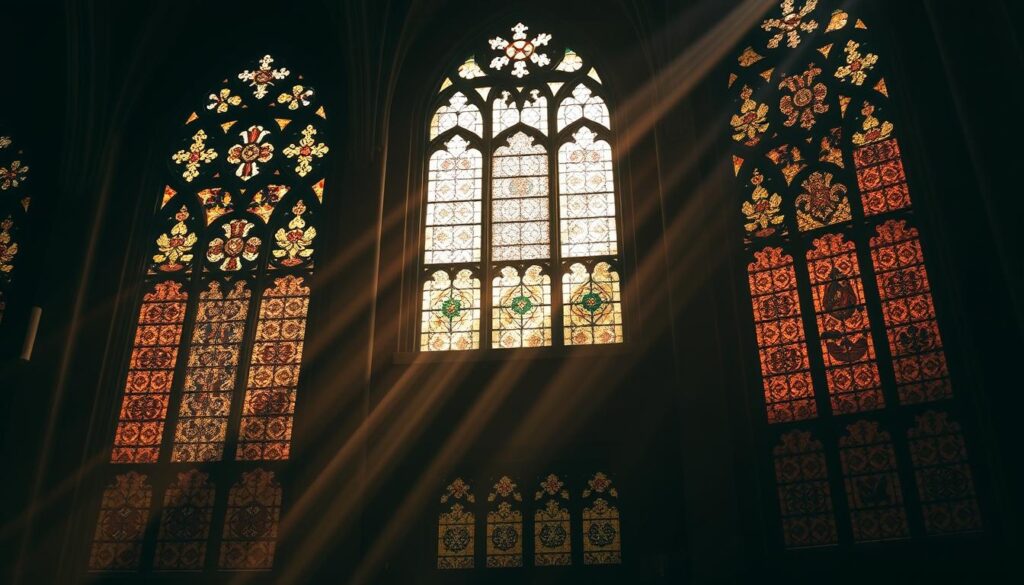
Sacred Hearts Church offers a stylistic cocktail. Its main structure nods to French Gothic traditions, while side altars feature Roman-inspired domes and classical columns. This fusion creates visual contrast without losing harmony.
Unique Features: Stained Glass, Pipe Organs, and More
No visit is complete without admiring the stained glass windows. At St. Luke’s, sunlight transforms biblical scenes into kaleidoscopic displays. The colors shift throughout the day, offering new perspectives with each hour.
Music lovers gravitate toward St. John’s Church, home to a rare 19th-century pipe organ. Its deep, resonant tones still accompany hymns during services. Equally impressive is St. Luke’s 80-foot tower—a granite-and-glass marvel blending Indian craftsmanship with Western engineering.
These structures prove that beauty serves purpose. Their architecture isn’t just decorative—it shapes how light falls, how sound travels, and how communities gather. Each style tells a chapter of Bengaluru’s evolving story.
Historic Landmarks: Iconic Churches of the City
Bangalore’s streets whisper tales of faith etched in stone and stained glass. These sacred sites blend spiritual significance with dramatic historical events, creating living museums of colonial-era India.
Famous Sites and Their Stories
St. Mark’s Cathedral stands proudly on M.G. Road as the oldest Anglican place of worship in the region. Its English Renaissance arches have sheltered worshippers since 1808. Nearby, Holy Trinity Church broke ground in 1852 after soldiers protested restrictive policies—a bold move that attracted famous visitors like Winston Churchill.
| Landmark | Year Built | Unique Feature |
|---|---|---|
| Fort Church | 1808 | First Protestant site (demolished 1933) |
| St. Patrick’s | 1844 | Dome entrance for Irish troops |
| Holy Trinity | 1852 | Military protest origins |
Preserving Colonial and Spiritual Heritage
Many original structures faced challenges over time. The Fort Church made way for hospitals, but its story lives through archives. Conservation teams now use 3D mapping to protect remaining sites. “These places aren’t just buildings—they’re time capsules,” notes a local historian.
From soldier gatherings to modern-day tours, these landmarks continue bridging past and present. Their survival depends on careful restoration—ensuring future generations can touch the same stones that witnessed history unfold.
Protestant Church Bangalore: A Closer Look
Modern Bengaluru thrives on innovation, yet its sacred spaces remain anchors of cultural continuity. These institutions blend tradition with urban energy, creating hubs where faith meets daily life.
Historical Impact and Community Role
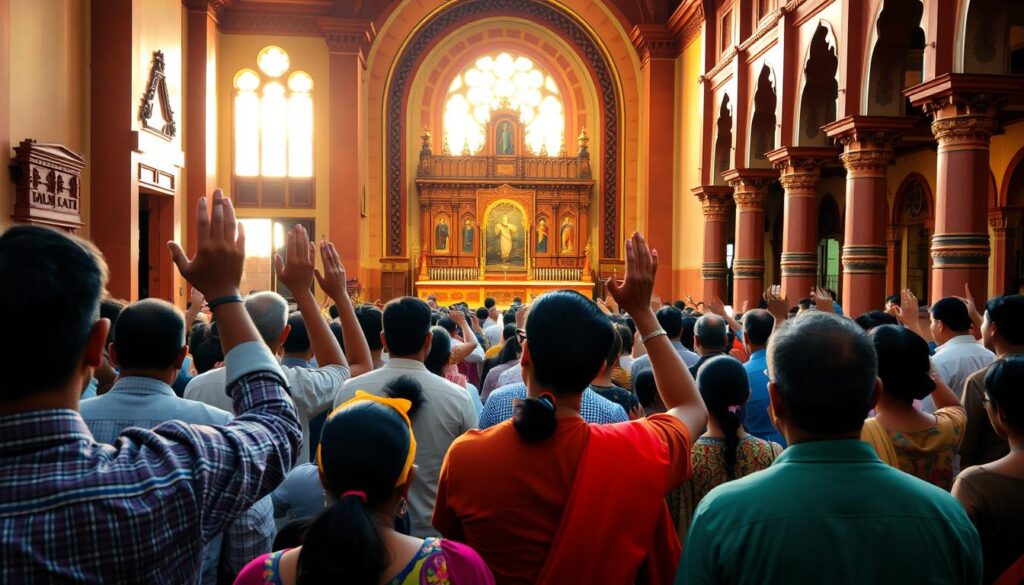
The Assembly Of God Bethel Church redefines scale in spiritual gatherings. With space for 10,000 attendees, it hosts services in eight languages—from French to Nepali. “Our doors open wider than our sanctuary,” shares a longtime member.
All Peoples Church exemplifies grassroots growth. What began with 10 individuals in 2001 now draws thousands weekly. Founder Ashish Raichur notes:
“True community starts when strangers become family through shared purpose.”
Architectural and Cultural Insights
Modern designs prioritize connection over ornamentation. Sprawling auditoriums feature advanced acoustics, while flexible seating adapts to diverse events. Observe how these spaces serve multiple roles:
| Feature | Assembly Of God | All Peoples |
|---|---|---|
| Capacity | 10,000 | 3,500 |
| Languages | 8 | 5 |
| Founded | 1986 | 2001 |
Glass facades and open lobbies create welcoming environments. Yet traditional elements persist—hymn boards display lyrics in regional scripts, blending heritage with modernity. These spaces prove that spiritual centers can evolve without losing their soul.
Weekend Getaways and Spiritual Retreats in Bangalore
Looking for a peaceful escape from Bengaluru’s fast-paced life? The city’s spiritual landmarks offer perfect weekend getaways where history and tranquility meet. These sacred spaces transform into havens of calm, especially during special events that blend devotion with dazzling displays.
Ideal Sites for a Relaxing Visit
St. Mark’s Cathedral becomes a winter wonderland each December. Thousands of fairy lights outline its English Renaissance arches, creating a magical setting for evening carol services. Visitors often describe the atmosphere as “a holiday postcard come to life.”
At Francis Xavier’s Cathedral, New Year’s Eve shines bright. The granite cross glows with multicolored LEDs, while midnight mass features candlelit processions. It’s one of the best places to witness community joy blending with spiritual reflection.
September brings vibrant energy to St. Mary’s Basilica. The 10-day Marian festival culminates in a flower-decked procession through nearby streets. Locals recommend arriving early to secure a spot near the main altar.
| Location | Best Time | Key Feature |
|---|---|---|
| St. Mark’s Cathedral | December | Light-covered arches |
| Francis Xavier’s | December-January | Illuminated cross |
| St. Mary’s Basilica | September | Floral procession |
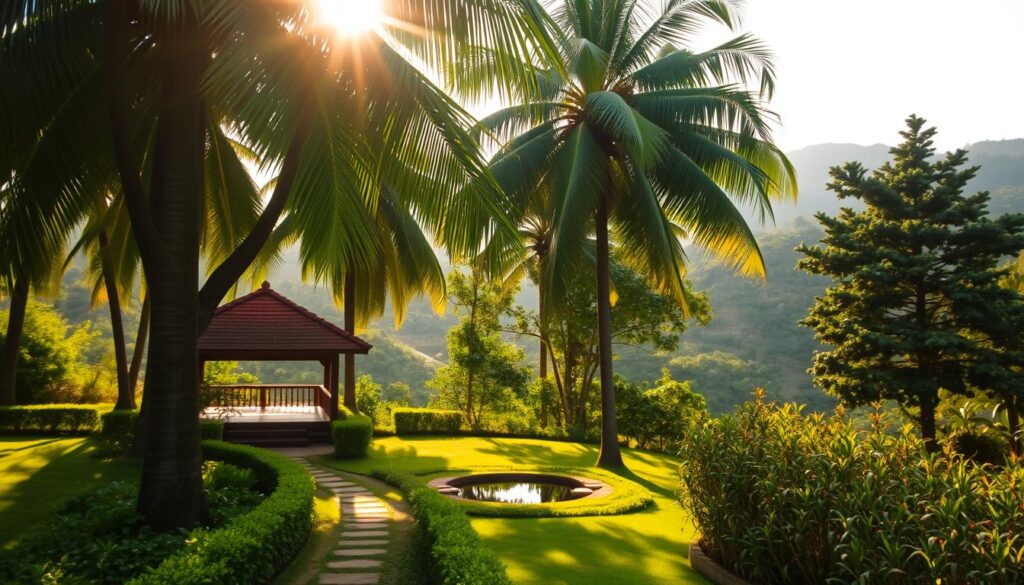
Beyond festivals, these sites offer daily retreat opportunities. Morning visitors find serenity in courtyard gardens where birdsong replaces traffic noise. The best time for solitary reflection? Weekday dawn hours, when soft light filters through stained glass.
Planning your visit around these events turns a simple trip into a memorable weekend getaway. Each location combines architectural beauty with seasonal traditions, proving spiritual refreshment exists just beyond Bengaluru’s tech parks.
Understanding the History of Church Establishments
Every brick in Bengaluru’s historic worship sites whispers tales of yesteryears. These structures began as modest meeting places, evolving into architectural marvels through colonial ambition and community dedication. Their timelines reveal surprising twists—from policy disputes to reconstruction sagas.
Colonial Roots and Modern Restorations
Trinity Church’s 1848 foundation marked a turning point. Built to serve British regiments, its completion in 1852 sparked demand for more spaces. The East India Company initially resisted, enforcing a controversial ‘One Station, One Church’ rule. This policy collapsed faster than Francis Xavier’s Cathedral cross did in 1912—a dramatic event requiring post-WWI reconstruction.
| Landmark | Year Started | Notable Fact |
|---|---|---|
| Sacred Heart | 1880 | Began in rented bungalow |
| All Saints | 1869 | 13-month construction |
| St. Andrews | 1866 | Military-funded project |
Evolution of Worship Spaces Over the Years
Early congregations often met in repurposed barracks. Sacred Heart’s journey from Race Course Road cottage to Gothic masterpiece shows this transformation. “We build not just walls, but bridges between eras,” declared Rt. Rev. Msgr. Kleiner at its 1893 expansion.
Military chapels gradually welcomed civilian worshippers. Builders faced unique challenges—imported stained glass survived monsoons, while local granite withstood decades of use. Today, careful restorations maintain original designs while upgrading facilities for modern needs.
These sites now serve dual roles: active church communities and heritage landmarks. Their survival across two centuries proves Bengaluru’s talent for blending tradition with reinvention.
Navigating Church Locations Across the City
Exploring Bengaluru’s spiritual landmarks becomes an urban adventure where history hides between modern storefronts. Let’s map out must-see spots and quiet treasures worth discovering.
Popular Areas: Brigade Road and M.G. Road
Two iconic streets anchor the city’s spiritual geography. St. Mark’s Cathedral dominates M.G. Road with its Renaissance arches, while St. Patrick’s sits just off bustling Brigade Road. Both locations blend seamlessly with shopping districts – perfect for combining cultural visits with café stops.
Don’t miss Holy Trinity Church at M.G. Road’s eastern end. Its military heritage adds unique character to this historic corner. These places Bangalore visitors love remain accessible via metro stations and ride-sharing apps.
Hidden Gems in Lesser-Known Neighborhoods
Venture beyond main thoroughroads to find quiet sanctuaries. Cooke Town’s century-old chapels surprise with Art Deco details, while Richards Town hides a minimalist prayer hall inside a converted bungalow.
Local tip: Use cycling routes to uncover these churches Bangalore residents cherish. Many sit near leafy parks, offering peaceful respites from urban noise. Whether you seek grandeur or simplicity, the city delivers diverse spiritual places waiting to be explored.
FAQ
What architectural styles can I find in the city’s historic places of worship?
Many sites blend Gothic, Renaissance, and Roman influences, featuring elements like pointed arches, intricate carvings, and towering spires. Stained glass windows and pipe organs are common highlights.
Which areas are best for exploring spiritual landmarks?
Brigade Road and M.G. Road host well-known sites, while quieter neighborhoods hide lesser-known gems with unique stories. These areas reflect the city’s multi-religious legacy and colonial past.
Are there any serene spots for a weekend retreat?
Yes! Several locations offer peaceful settings for reflection, combining lush greenery with timeless design. These spaces provide a break from urban life while celebrating cultural and spiritual heritage.
How have these religious sites evolved over time?
Originally built during colonial rule, many have undergone careful restorations to preserve their original charm. Modern updates often balance tradition with contemporary needs for community gatherings.
What role do these landmarks play in local culture?
Beyond worship, they serve as hubs for events, festivals, and social initiatives. Their design and history also attract art lovers and history enthusiasts, fostering a deeper connection to the city’s roots.
Can visitors attend musical performances or events?
Some venues host choir recitals, organ concerts, and seasonal celebrations. Check local listings for events open to the public—experiencing live music in these acoustically rich spaces is unforgettable.
What makes the stained glass windows special?
Crafted with vibrant colors and detailed biblical scenes, these windows transform sunlight into dynamic storytelling. They’re not just decorative but also symbolize spiritual themes through artistry.