Since 2001, a distinct association of faith communities has reshaped the landscape of American Lutheranism. Born from theological debates within larger church bodies, this group prioritizes congregational autonomy while fostering shared mission work. Its growth—from 31 founding churches to over 1,000 worldwide—reflects a desire for balance between tradition and modern practice.
Unlike traditional denominations, this network operates as a collaborative affiliation. Member churches make independent decisions while supporting joint initiatives through resources and training. This structure appeals to congregations seeking flexibility without losing connection to Lutheran teachings.
Today, the association serves 300,000 members across 39 U.S. states and 16 countries. It positions itself as a centrist option, bridging gaps between progressive and conservative Lutheran traditions. This approach helps maintain unity while respecting diverse local practices.
Key Takeaways
- Founded in 2001 as an alternative to existing Lutheran institutions
- Grew from 31 to 1,000+ global congregations in 23 years
- Operates as a collaborative network, not a centralized denomination
- Balances traditional theology with modern congregational autonomy
- Serves 300,000 members across 39 U.S. states and 16 nations
- Fourth-largest Lutheran community in the United States
Introduction to the Lutheran LCMC and Its Unique Mission
A new model of church collaboration emerged in 2001, offering congregations freedom to govern themselves while staying rooted in shared beliefs. This association differs from traditional denominations by functioning as a network rather than a top-down hierarchy. Churches maintain control over local decisions but unite through joint training programs and outreach efforts.
Defining Key Terms and Purpose
This church body describes itself as “centrist” – positioned between progressive and conservative Lutheran groups. Its founding members sought to preserve core teachings while adapting to modern needs. “Our mission isn’t about control, but connection,” explains one leader. Members emphasize scripture’s authority and justification through faith alone.
The organization’s bylaws state its purpose clearly:
“To support our common mission to bear witness to the good news that sinners are put right with God by faith alone in Jesus Christ.”
This focus shapes everything from worship styles to community projects.
Setting the Stage for a Comparative Analysis
Unlike many denominations, this association doesn’t require churches to follow standardized policies. A congregation in Texas might approach social issues differently than one in Minnesota, yet both support the same evangelical teachings. This flexibility attracts churches wanting autonomy without isolation.
The structure originated from the WordAlone Network, which helped create alternatives for congregations seeking reform. Today, over 1,000 churches worldwide participate in this balance of independence and mutual support. Their approach offers fresh perspectives on age-old questions of faith and practice.
Historical Development and Growth of the LCMC
A wave of congregations seeking autonomy led to the birth of a new faith-based organization two decades ago. This group emerged as churches sought alternatives to centralized governance while maintaining core theological principles.
Foundations and Early Challenges
The WordAlone Network, formed by concerned church members, became the driving force behind this movement. Their efforts gained urgency when the ELCA’s partnership with the Episcopal Church through the “Called to Common Mission” agreement sparked debates over leadership structures.
Initial challenges included creating a sustainable framework without traditional denominational support. Charter members faced financial pressures and skepticism from established church bodies. One early leader noted:
“We weren’t rebels – we wanted to preserve traditions while embracing local decision-making.”
Expansion in the United States and Beyond
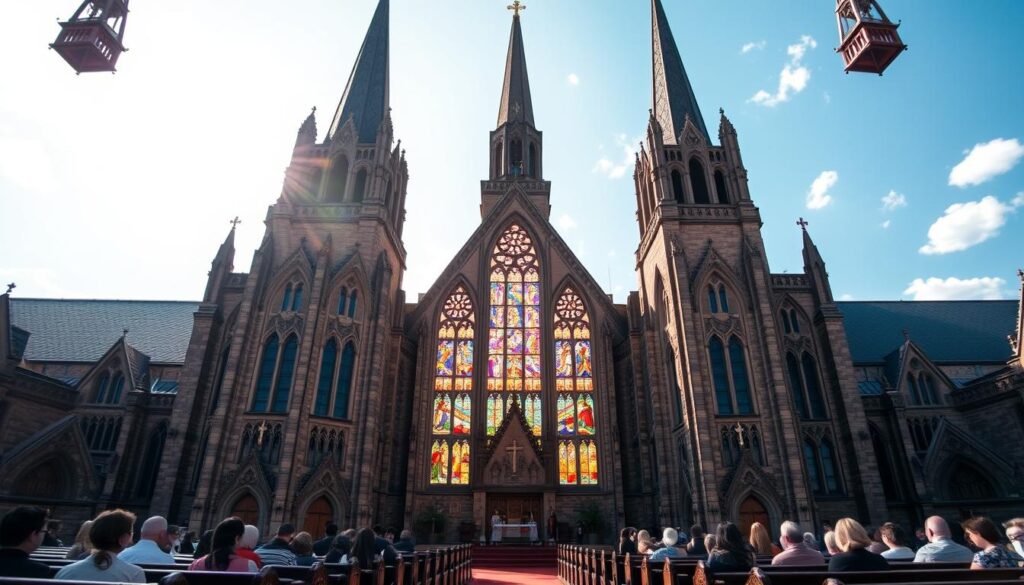
From 31 founding churches, the network now includes 812 U.S. congregations across 39 states and territories like Guam. International growth followed, with communities in 16 countries including Cambodia, Nicaragua, and Russia.
Key factors in this spread include:
- Flexible governance models
- Shared online resources through their website
- Mission partnerships emphasizing community outreach
This growth mirrors ongoing conversations about authority and adaptation within modern religious organizations. By balancing independence with collaboration, the group continues to attract congregations worldwide.
Lutheran LCMC versus Other Lutheran Church Bodies
Faith communities seeking middle-ground theology often find themselves comparing this association to established denominations. Its approach bridges divides through adaptable doctrine and decentralized leadership.
Comparative Doctrinal Stances
This church body carves a unique path between progressive and conservative teachings. Unlike the ELCA’s openness to broader social policies, it maintains traditional views on scripture’s authority. Yet it diverges from strict conservative groups by allowing female clergy—a choice individual congregations can adopt or decline.
“We focus on essentials rather than enforcing uniformity,” notes a regional coordinator. This flexibility extends to biblical interpretation, where pastors balance historical context with modern application. Such positioning attracts churches wanting stability without rigid dogma.
Distinct Organizational Differences
Governance models reveal sharp contrasts with other denominations. While the ELCA uses bishops for oversight, this network lets congregations self-manage budgets, staff, and outreach. Local autonomy shapes ministry styles—urban churches might host community kitchens, while rural ones prioritize youth programs.
The rejection of hierarchical control impacts partnerships. Unlike denominations requiring full doctrinal alignment for collaboration, this group partners with diverse organizations on shared goals like disaster relief. Ranked fourth in size nationally, its growth reflects changing preferences in religious structure.
Distinctive Doctrinal Beliefs and Church Structure
This church body roots its beliefs in unchanging foundations while reimagining traditional governance. Its approach blends historic Christian teachings with innovative organizational methods, creating a unique space in modern religious practice.
Scripture as Ultimate Authority

The denomination holds scripture above all human interpretations. Leaders emphasize: “Our teachings stand on biblical truth, not cultural trends.” This principle shapes every aspect of ministry, from worship styles to community outreach.
Three core convictions guide their practice:
- Freedom to interpret scripture within confessional boundaries
- Shared accountability among member churches
- Historical Lutheran documents as teaching tools
Governance Through Collaboration
Unlike hierarchical denominations, this network operates through collective decision-making. Local churches manage their affairs while supporting joint initiatives through resource sharing and voluntary partnerships.
| Aspect | Traditional Model | This Approach |
|---|---|---|
| Scriptural Authority | Interpreted by clergy | Congregational discernment |
| Leadership Structure | Bishops & hierarchy | Elected councils |
| Decision-Making | Centralized policies | Local autonomy |
| Confessional Documents | Mandatory adherence | Guiding references |
One pastor explains:
“We’re united by shared values, not rulebooks. Our structure lets churches address local needs while keeping doctrinal integrity.”
This balance helps congregations stay relevant without compromising core teachings.
Mission, Community Engagement, and Evangelism
Community impact and spiritual growth intertwine in this denomination’s approach to modern evangelism. Every activity flows from a central calling: sharing hope through practical action and gospel-centered teaching.
Sharing the Life-Giving Gospel
The church group prioritizes discipleship through service. Over 80% of congregations run food pantries or mentorship programs. One pastor shares: “We meet physical needs to open doors for spiritual conversations.”
Three key strategies define their work:
- Training lay leaders through online courses
- Supporting 42 global missionaries
- Funding new worship communities in underserved areas
“Our common mission isn’t about numbers—it’s about changed lives,”
Local churches choose outreach methods matching their community’s needs. Urban congregations often host job fairs, while rural ones focus on youth camps. This flexibility helps members address real issues while sharing their faith.
The denomination’s website offers free resources like evangelism toolkits and Bible study guides. These tools help small churches launch impactful programs without large budgets. Recent initiatives include disaster relief partnerships and addiction recovery networks.
Controversies and Critical Debates in the LCMC
Navigating complex theological debates remains a defining challenge for this growing association. While its flexible structure attracts diverse congregations, differences in practice spark ongoing discussions about unity and doctrine.
Balancing Tradition and Modern Practice
The ordination of women illustrates the association’s middle-ground approach. Unlike conservative denominations that forbid female clergy, it lets individual churches decide. Some congregations welcome women as pastors, while others restrict leadership roles based on traditional interpretations.
Critics argue this variance creates doctrinal inconsistency. One conservative leader notes: “Scripture’s teachings shouldn’t be optional.” The body also faces scrutiny for allowing pastors trained at non-Lutheran seminaries, raising questions about confessional alignment.
Partnerships and Accountability
Dual membership policies generate both freedom and friction. Churches can join other denominations while remaining part of the association—a practice uncommon in most religious bodies. This openness fosters collaboration but complicates accountability, as pastors might answer to multiple governing groups.
The association’s human sexuality stance adds clarity amid these debates. All clergy must affirm traditional marriage views, creating shared boundaries while respecting local autonomy. These careful balances show how modern faith communities navigate unity without uniformity.
FAQ
How does the LCMC differ from other Lutheran groups?
The Lutheran Congregations in Mission for Christ prioritizes congregational autonomy, allowing local churches to make decisions without centralized oversight. This contrasts with bodies like the ELCA or LCMS, which follow more hierarchical structures. Doctrinally, it emphasizes scripture and the Lutheran Confessions while encouraging flexibility in ministry approaches.
What core beliefs define the LCMC?
Affirming the authority of the Bible and the Lutheran Confessions, this church body focuses on sharing the Gospel, fostering community outreach, and supporting congregational-led missions. Its teachings align with historic Lutheran theology but avoid rigid denominational mandates.
Does the LCMC allow women to serve as pastors?
Yes. Unlike some Lutheran denominations, the LCMC permits individual congregations to decide whether to ordain women. This approach reflects its commitment to local autonomy while encouraging dialogue on theological and cultural matters.
How is the LCMC structured organizationally?
It operates under a congregational polity model, meaning each church governs itself independently. There’s no central hierarchy imposing rules, though member congregations collaborate through networks, training programs, and shared mission projects.
What role does evangelism play in the LCMC?
Spreading the Gospel is central to its identity. Churches within this association often engage in local and global missions, community service, and partnerships that reflect their commitment to “life-giving” faith practices and outreach.
Can LCMC churches partner with other denominations?
Absolutely. While maintaining Lutheran theological roots, congregations frequently collaborate with non-Lutheran groups on joint initiatives, disaster relief, or interdenominational worship events, fostering unity without compromising doctrinal distinctives.
How has the LCMC grown since its founding?
Starting with a small group of congregations in 2001, it has expanded to over 800 churches across the U.S. and internationally. Growth stems from its flexible structure, focus on mission, and appeal to communities seeking less bureaucratic oversight.