Every spring, millions of believers worldwide enter a sacred season marked by reflection and growth. This 40-day period, beginning on Ash Wednesday and concluding before Easter, invites participants to focus on prayer, generosity, and self-examination. It’s more than a tradition—it’s a journey designed to deepen one’s connection to faith.
Rooted in ancient practices, this time of spiritual renewal helps bridge everyday life with the joy of Easter. Through intentional acts like fasting or helping others, individuals create space for personal transformation. The rhythm of these weeks mirrors the natural world’s shift from winter stillness to spring’s vibrant celebration.
What makes this practice stand out in the Catholic Church? It balances personal devotion with shared rituals. From receiving ashes on foreheads to gathering for special services, every step builds toward a collective experience. Even in modern life, its timeless structure offers clarity for those seeking purpose.
Key Takeaways
- 40-day period focused on prayer, fasting, and charitable acts
- Aligns with spring’s themes of renewal and growth
- Combines personal reflection with community traditions
- Prepares hearts for Easter through intentional practices
- Accessible to believers at all stages of their faith journey
An Introduction to Lent
In the rhythm of the liturgical year, this observance stands out as a season of transformation. Spanning 40 days, it bridges ordinary routines with Easter’s promise through intentional reflection. While often linked to specific traditions, its core themes resonate across Christian communities.
What Is Lent and Why It Matters
This sacred period centers on three pillars: prayer, fasting, and generosity. Unlike celebratory seasons, its tone leans toward quiet introspection. As one priest notes, “It’s not about deprivation, but making room for what truly nourishes us.”
Believers embrace practices like abstaining from comforts or volunteering more often. These acts aren’t obligations—they’re tools for recentering priorities. Over six weeks, small sacrifices create space for gratitude and clarity.
Spiritual Significance and Seasonal Reflections
Why dedicate weeks to simplicity? The lenten season mirrors nature’s spring renewal, inviting personal growth. By stepping back from distractions, individuals confront their limitations and rediscover hope.
This time also fosters community bonds. Shared rituals—like Friday fish fries or prayer groups—turn individual journeys into collective experiences. Together, participants prepare hearts for Easter’s joy through mutual support.
Whether giving up social media or adding daily meditation, the way one observes this period matters less than the intent behind it. As daylight lengthens, so does the opportunity to cultivate compassion and purpose.
The History and Origins of Lent
Tracing its lineage to biblical narratives, this observance has transformed across eras. What began as simple fasting rituals blossomed into structured spiritual exercises embraced worldwide.
Biblical Foundations and Early Practices
The desert journey of Jesus forms the bedrock of this tradition. After his baptism, he spent 40 days fasting and praying, resisting temptation while preparing for ministry. Early Christians mirrored this devotion through brief pre-Easter fasts lasting three days.
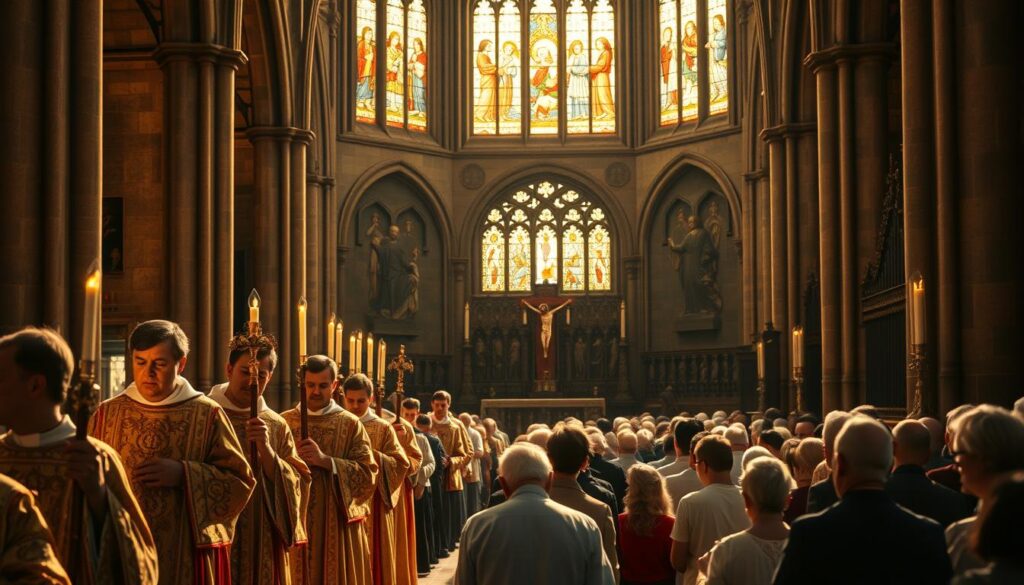
By the 4th century, these practices expanded. New converts underwent intensive preparation through prayer and instruction before Easter baptisms. Entire communities joined them, creating shared rhythms of reflection.
Evolution Through Centuries of Christian Tradition
The Council of Nicaea in 325 A.D. standardized the 40-day period, aligning it with Jesus’ wilderness experience. Over time, traditions adapted to local cultures while preserving core principles. Fish Fridays and ash rituals emerged as lasting symbols.
| Time Period | Practice | Significance |
|---|---|---|
| 1st-3rd Century | 3-day fast | Easter preparation |
| 4th Century | 40-day structure | Council of Nicaea |
| Middle Ages | Fish Fridays | Community unity |
| Modern Era | Digital fasts | Cultural adaptation |
Today, the Catholic Church maintains this ancient framework while encouraging personal interpretation. Whether giving up coffee or volunteering extra hours, the heart of the practice remains unchanged: creating space for growth.
Observing catholicism lent: A Guide to Spiritual Preparation
Three timeless practices shape this sacred season: prayer, fasting, and generosity. Together, they form a rhythm that transforms routines into moments of connection. Whether you’re new to these traditions or deepening your practice, each pillar offers fresh ways to grow.
Incorporating Prayer and Scripture
Start small. Five morning minutes with the Lord’s Prayer or a Psalm can anchor your day. Many find journaling reflections on passages like Matthew 6:1-18 helpful. “Scripture isn’t just read—it’s a conversation starter,” shares a ministry leader.
Try pairing prayer reading with daily tasks. Recite verses while preparing meals or commuting. Apps with daily devotionals keep guidance at your fingertips. Over time, these moments build spiritual muscle memory.
Methods of Fasting and Abstinence
Self-control fasting isn’t limited to food. Consider screen time limits or pausing online shopping. The goal? Creating space to notice what truly matters. As the USCCB reminds us:
“We fast not to suffer, but to awaken our hunger for God’s grace.”
Abstinence practices—like meat-free Fridays—teach gratitude through simplicity. They also quietly connect us to those facing food insecurity. Pair these acts with donating meals or volunteering to multiply their impact.
Remember: consistency beats perfection. Missed a day? Start fresh. The 40-day journey reshapes hearts through steady effort, not flawless performance.
Ash Wednesday and the Start of Lent
Millions gather each year on a day marked by smudged foreheads and quiet reflection. Ash Wednesday, falling on March 5, 2025, opens the door to spiritual renewal through ancient symbols. This powerful tradition invites participants to confront life’s fragility while embracing hope.
The Role of Ashes in Repentance and Renewal
Receiving ashes shaped like a cross isn’t just ritual—it’s rebellion against superficial living. Early Christians in the fourth century wore sackcloth and dust to show remorse. By 1091, this practice expanded to all believers, creating unity through shared humility.
The ashes themselves carry hidden meaning. Many churches burn palm branches from last year’s Palm Sunday celebrations. This connects Jesus’ joyful entry into Jerusalem with our modern journey toward Easter’s light.
“We’re dust, yes—but dust that matters,” a priest recently observed during an Ash Wednesday homily. The smudged cross serves two purposes: reminding us of mortality and declaring our worth in God’s eyes. It’s both personal accountability and collective grace.
Today, the day bridges centuries of faith. From medieval fish fries to digital fasts, methods change—but the call to penance remains. As foreheads bear those ashy marks worldwide, hearts align in seeking transformation.
Fasting, Prayer, and Almsgiving Essentials
Navigating spiritual practices requires understanding both rules and purpose. These three pillars work together to create rhythms that reshape daily life while nurturing faith. Let’s explore practical ways to engage with these traditions meaningfully.

Understanding Fasting and Meat Abstinence
Fasting guidelines focus on simplicity. Those aged 18-59 limit themselves to one full meal plus two smaller ones on Ash Wednesday and Good Friday. The Church reminds us: “This isn’t about hunger pains—it’s about making room for grace.”
Meat abstinence applies differently. Members 14+ skip beef, pork, and poultry on Fridays during this season. Fish remains popular, but the real goal? Cultivating gratitude through conscious choices.
| Age Group | Practice | Days Required |
|---|---|---|
| 14+ | No meat | Fridays + Ash Wednesday |
| 18-59 | Reduced meals | Ash Wednesday & Good Friday |
Nurturing Prayer and Devotional Practices
Pair prayer with fasting for deeper impact. Try morning gratitude lists or evening reflection walks. Many find mealtimes ideal for brief prayers—blessing that simple meal becomes a moment of connection.
Consider these ideas to enhance devotion:
- Set phone reminders for 2-minute prayer breaks
- Read one Psalm during breakfast
- Donate saved snack money to food banks
Remember, these practices aren’t checklists. As one member shares: “When my stomach growls, I pray for those whose hunger isn’t optional.” Through balanced effort, we grow in compassion while honoring ancient wisdom.
Special Lenten Traditions and Observances
As days lengthen in spring, believers enter the week that forms Lent’s emotional climax. This final stretch combines ancient rituals with personal reflection, guiding participants through Christ’s final earthly journey. The air hums with anticipation, blending sorrow and hope into transformative experiences.
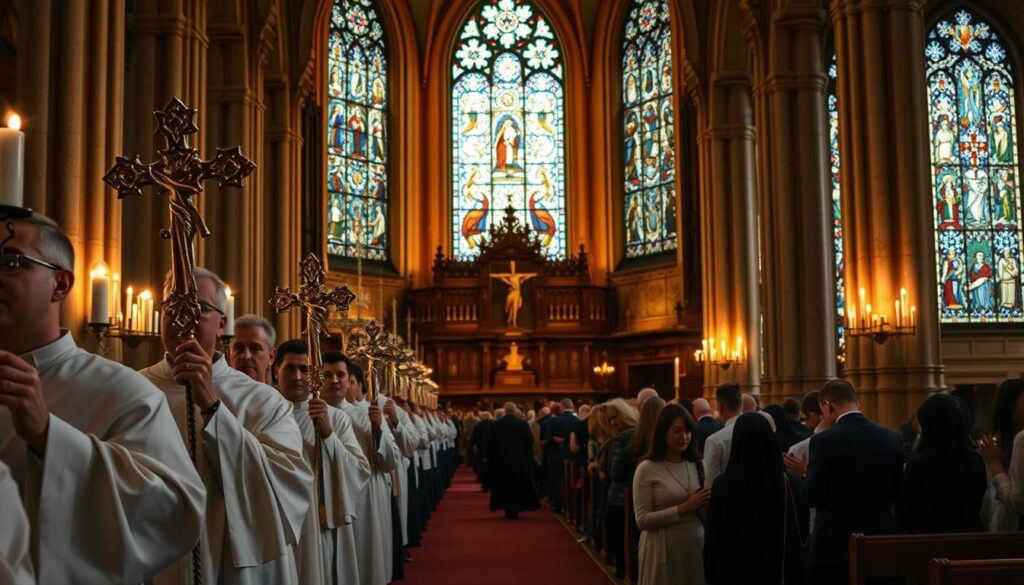
Walking Through Sacred Days
Palm Sunday kicks off this pivotal week with rustling palm branches and processions. Congregants reenact Jesus’ Jerusalem entry, holding fronds blessed during Mass. Many weave these palms into crosses, keeping them as reminders of faith’s triumphs and trials.
The liturgy takes a dramatic turn as readers voice every character in the Passion narrative. “Hearing the crowd shout ‘Crucify him!’ chills me every time,” shares a lifelong churchgoer. This communal storytelling makes ancient events feel urgently present.
| Day | Date 2025 | Key Tradition |
|---|---|---|
| Holy Thursday | April 17 | Foot-washing ceremony |
| Good Friday | April 18 | Veneration of the Cross |
| Holy Saturday | April 19 | Blessing of Easter fire |
Holy Saturday wraps the Triduum in quiet expectation. Churches sit dark until nightfall, when candlelight spreads through pews during Easter Vigil. This celebration of light overcoming darkness prepares hearts for resurrection joy.
These holy week observances create a powerful rhythm. From waving palms to sharing flame, each act connects believers across generations. As one pastor notes: “We don’t just remember history—we step into its living stream.”
Practical Steps for a Meaningful Lenten Journey
Creating meaningful change starts with small, intentional choices. This season offers a chance to align daily habits with deeper values, blending personal commitment with shared purpose. Whether you’re new to spiritual disciplines or refining existing practices, focus on progress over perfection.
Choosing Intentions That Resonate
Personal sacrifices work best when tied to growth goals. Swap late-night scrolling for reflective journaling, or replace coffee runs with donations to local shelters. A parish volunteer suggests: “Ask yourself: What distracts me from living generously? Start there.”
Consider pairing physical fasts with heart-centered actions. Skip dessert, then write encouraging notes to isolated neighbors. Replace streaming hours with family walks, using nature’s renewal as inspiration. These practices gain power when linked to community impact.
Track progress through simple tools—a jar for saved snack money or a prayer app streak counter. Remember, the goal isn’t rigid rules but creating space for grace. As Easter approaches, these steps prepare hearts to embrace hope’s full bloom.
FAQ
Why do Catholics avoid meat on Fridays during Lent?
Abstaining from meat symbolizes sacrifice and self-discipline, honoring Jesus’ sacrifice on Good Friday. Fish is allowed as it was historically seen as a simpler meal, aligning with the spirit of penance.
What’s the significance of ashes on Ash Wednesday?
Ashes represent repentance and mortality, reminding believers to reflect on their spiritual journey. The phrase “Remember you are dust, and to dust you shall return” ties to humility and renewal.
How long does the Lenten season last?
It spans 40 days, starting on Ash Wednesday and ending before Holy Thursday evening. This mirrors Jesus’ 40 days in the wilderness and emphasizes preparation for Easter through prayer and fasting.
Are there exceptions to fasting rules?
Yes! Children, elderly individuals, and those with health needs are exempt. The focus is on meaningful sacrifice, not rigid rules—choose practices that deepen your faith without harming well-being.
What’s the difference between fasting and abstinence?
Fasting limits food intake (e.g., one full meal plus two small meals), while abstinence avoids specific items like meat. Both encourage mindfulness and solidarity with those in need.
Why is Holy Week central to Lent?
It commemorates Jesus’ final days, including Palm Sunday, the Last Supper, and Good Friday. These events lead to Easter, making it a time for deep reflection and communal worship.
Can I personalize my Lenten sacrifices?
Absolutely! While traditions like fasting are encouraged, adding personal goals—like volunteering or reducing screen time—helps tailor the journey to your spiritual growth.
How does almsgiving fit into Lent?
Giving to others reflects Christ’s love and combats selfishness. It’s not just about money—donating time or resources strengthens community ties and embodies faith in action.