The Presbyterian tradition is rooted in the Reformation, influenced by theologians such as John Calvin and John Knox. This Christian denomination has a rich history and theological tradition that has shaped its core beliefs and practices.
Understanding the significance of Presbyterianism requires exploring its history, theology, and practices. At its core, Presbyterian beliefs are centered on the authority of the Bible and the sovereignty of God.
Key Takeaways
- The Presbyterian tradition is influenced by the Reformation.
- Core beliefs are centered on the authority of the Bible.
- The sovereignty of God is a fundamental aspect of Presbyterianism.
- Presbyterian practices are shaped by its theological tradition.
- Understanding Presbyterianism requires exploring its history and theology.
What is the Presbyterian Church?
Understanding the Presbyterian Church requires exploring its historical origins and the theological principles it upholds. The Presbyterian Church is a Protestant Christian denomination that originated from the Reformation in Europe.
History and Origins
The Presbyterian Church has its roots in the 16th-century Reformation, significantly influenced by John Calvin and John Knox. John Calvin’s theological writings and John Knox’s leadership in Scotland shaped the Presbyterian movement. The church’s governance and theology were further developed through the Westminster Confession of Faith in the 17th century.
The Reformation was a pivotal moment in Christian history, marking a shift away from certain Catholic Church practices. Presbyterianism emerged as part of this broader movement, emphasizing the authority of Scripture and the importance of faith in Christ.
Key Beliefs and Practices
Presbyterian beliefs are centered on the sovereignty of God, the authority of Scripture, and the importance of faith in Christ. These core tenets guide Presbyterian worship, governance, and community life.
- The Presbyterian Church places a strong emphasis on the Bible, believing it to be the inspired word of God.
- Worship services are typically characterized by simplicity, focusing on prayer, Scripture reading, and preaching.
- Sacraments, particularly baptism and the Lord’s Supper, are significant in Presbyterian practice, symbolizing God’s grace and covenant with believers.
By understanding these key beliefs and practices, one can gain insight into the Presbyterian Church’s identity and its role within the broader Christian community.
Understanding Presbyterian Governance
The Presbyterian Church’s governance model is based on a presbyterian system, where local churches are governed by a council of elders. This system is rooted in the New Testament and has been a hallmark of Presbyterianism throughout its history.
The governance structure of the Presbyterian Church is characterized by a balance between local autonomy and connectional oversight. This balance is achieved through the elder-led structure, where a council of elders, also known as the session, is responsible for the spiritual leadership and governance of the local church.
Elder-Led Structure
The elder-led structure is a fundamental aspect of Presbyterian governance. Elders are chosen for their spiritual maturity and leadership abilities, and they play a crucial role in guiding the congregation. The responsibilities of elders include:
- Providing spiritual guidance and oversight
- Making decisions on behalf of the congregation
- Overseeing the administration of sacraments
- Leading the congregation in mission and outreach efforts
This structure is supported by biblical references such as 1 Timothy 5:17, which highlights the importance of elders in the church.
Congregational Autonomy
While the Presbyterian Church has a connectional system that links local churches together, each congregation also enjoys a significant degree of autonomy. This means that local churches have the freedom to make decisions on their own affairs, under the guidance of their elders.
Congregational autonomy allows Presbyterian churches to be responsive to the needs of their local communities. It enables them to:
- Develop their own worship and ministry programs
- Engage in local outreach and mission work
- Manage their own financial and administrative affairs
This balance between connectionalism and autonomy is a key feature of Presbyterian governance, allowing for both unity and diversity within the denomination.
Core Beliefs of the Presbyterian Faith
The core of the Presbyterian faith is built upon a foundation of biblical authority and the role of grace in salvation. This foundation shapes the theology and practices of Presbyterian churches worldwide.
Presbyterian beliefs are deeply rooted in the authority of Scripture, which is considered the primary source of guidance for faith and practice. This belief is central to understanding Presbyterian theology and worship.
The Authority of Scripture
The Presbyterian Church places a high value on the Bible, believing it to be the inspired word of God. This belief in the authority of Scripture influences various aspects of Presbyterian life, from worship to community service.
The Westminster Confession of Faith, a key doctrinal standard in Presbyterianism, underscores the importance of Scripture. It states that the Bible is “the only sufficient, certain, and infallible rule of all saving knowledge.”
The Role of Grace and Faith
In Presbyterian theology, the role of grace in salvation is paramount. Presbyterians believe that salvation comes through faith in Jesus Christ, and that this faith is a gift from God, highlighting the sovereignty of God in the salvation process.
The concept of grace is closely tied to the idea of predestination, which is a significant aspect of Presbyterian doctrine. This belief emphasizes God’s sovereignty in choosing those who will be saved.
By understanding the core beliefs of the Presbyterian denomination, one can gain insight into its practices, worship, and community life. These beliefs serve as the foundation upon which Presbyterian identity is built.
The Significance of Sacraments
In Presbyterian worship, sacraments hold a pivotal role, symbolizing spiritual truths and deepening the faith of believers. The Presbyterian Church recognizes two sacraments: baptism and the Lord’s Supper, both of which are rooted in biblical teachings and are central to the Presbyterian faith.
Baptism in the Presbyterian Tradition
Baptism is viewed as a sign of initiation into the Christian faith, symbolizing the cleansing of sin and the believer’s union with Christ. The Presbyterian Church practices infant baptism, seeing it as a sign of covenantal inclusion, where children are welcomed into the community of faith. This practice is based on biblical passages such as Matthew 28:19, which commands baptism in the name of the Father, Son, and Holy Spirit.
The significance of baptism lies in its representation of God’s grace and the individual’s or family’s commitment to raise the child in the Christian faith. It is a rite that is both a sign and a seal of the covenant between God and his people.
The Lord’s Supper Practices
The Lord’s Supper, also known as Communion, is a commemoration of Christ’s death and resurrection. According to 1 Corinthians 11:23-26, it is a remembrance of Jesus’ sacrifice, where believers partake in bread and wine (or grape juice), symbolizing Christ’s body and blood. In Presbyterian worship, the Lord’s Supper is celebrated regularly, though the frequency can vary among congregations.
This sacrament is seen as a means of spiritual nourishment for believers, a time when they reflect on their faith and renew their commitment to Christ. The Lord’s Supper is also a unifying element among Presbyterians, connecting them with other Christians worldwide who observe this practice.
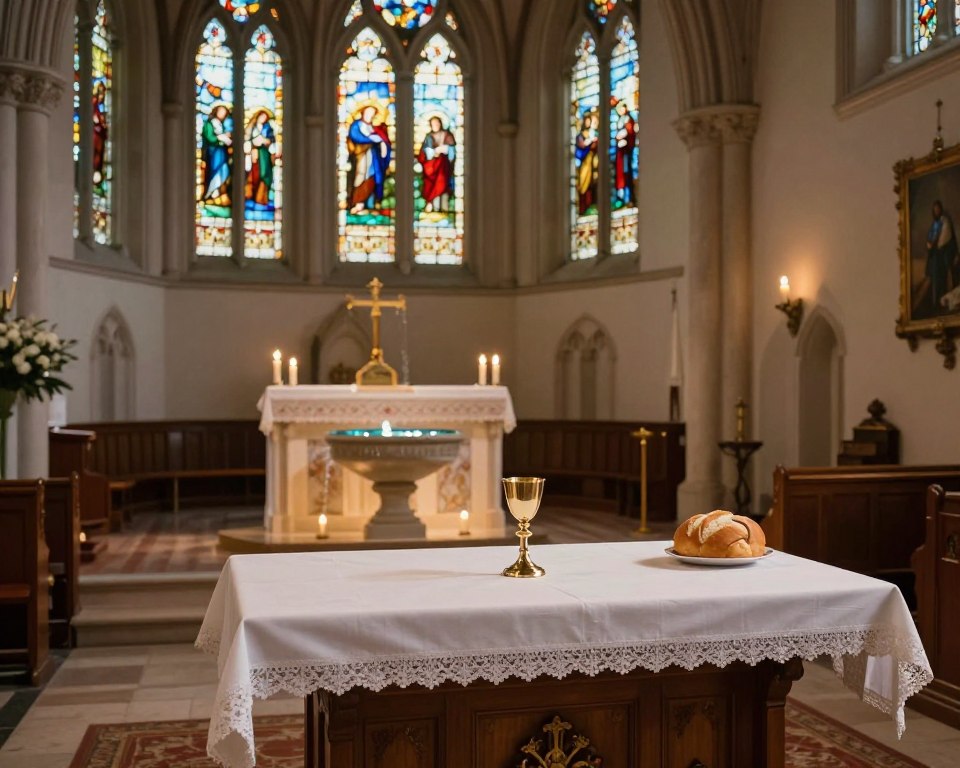
| Sacrament | Significance | Biblical Basis |
|---|---|---|
| Baptism | Initiation into Christian faith, symbolizing cleansing of sin and union with Christ | Matthew 28:19 |
| The Lord’s Supper | Commemoration of Christ’s death and resurrection, symbolizing spiritual nourishment | 1 Corinthians 11:23-26 |
The sacraments of baptism and the Lord’s Supper are foundational elements of Presbyterian worship and theology. They embody the core beliefs of the Presbyterian Church, emphasizing the importance of grace, faith, and community.
The Role of Worship in Presbyterian Life
Presbyterian worship is characterized by a blend of reverence, community engagement, and the proclamation of the Word. This unique blend is rooted in the church’s theological foundations and historical practices, shaping the spiritual lives of its adherents. Worship in the Presbyterian tradition is not just a ritual; it’s a meaningful experience that fosters a deep connection with God and the community.
Elements of a Typical Service
A typical Presbyterian worship service includes several key elements. Prayer is a fundamental aspect, with congregations praying for guidance, thanksgiving, and intercession. The reading of Scripture is also central, as it is believed to convey God’s message to the faithful. Additionally, music plays a vital role, with a mix of traditional hymns and contemporary songs that enrich the worship experience.
The service often follows a liturgical structure, which may include the sacraments of baptism and the Lord’s Supper, although the frequency of these sacraments can vary among different Presbyterian congregations. The sermon is another crucial element, where the pastor interprets Scripture and applies its teachings to everyday life, providing spiritual guidance and encouragement.
Music and Liturgy
Music is an integral part of Presbyterian worship, serving as a means of expressing faith, joy, and reverence. The choice between traditional and contemporary music varies among congregations, reflecting their diverse preferences and cultural contexts. Liturgy, or the ritual of worship, is carefully crafted to ensure that the service is conducted with dignity and respect, following established patterns that have been passed down through the church’s history.
The incorporation of liturgical elements, such as responsive readings and creeds, adds depth and richness to the worship service. These elements help to connect the congregation with the broader Presbyterian community and with the historical roots of their faith, fostering a sense of continuity and shared identity.
Presbyterian Church and Community Engagement
Through its robust community engagement programs, the Presbyterian Church demonstrates its dedication to serving others. This commitment is rooted in the church’s theological understanding of the importance of loving and serving one’s neighbor.
Mission Work and Outreach Programs
The Presbyterian Church is involved in a wide range of mission work and outreach programs, both locally and globally. These initiatives are designed to address various community needs, from providing food and shelter to supporting education and healthcare.
- Local food banks and soup kitchens
- Disaster relief efforts
- Global mission trips
- Community development projects
These programs not only provide immediate assistance but also work towards long-term solutions, empowering communities to become self-sufficient.
Social Justice Efforts
In addition to direct service, the Presbyterian Church is committed to social justice efforts, advocating for policies and practices that promote equality and justice. This includes:
- Advocating for human rights
- Promoting environmental stewardship
- Supporting economic justice initiatives
By engaging in these efforts, the Presbyterian Church seeks to address the root causes of social issues, working towards a more just and equitable society.
The Presbyterian Church’s community engagement is a vital expression of its faith, demonstrating a commitment to serving others and promoting justice.
Variations within Presbyterianism
Within the Presbyterian tradition, there exists a notable range of variations that reflect different interpretations of Reformed theology. These variations are evident in the diverse denominations and branches within Presbyterianism, each with its unique characteristics and emphases.
Diverse Branches
The Presbyterian Church is comprised of various branches, including mainline and conservative denominations. The mainline branches tend to be more progressive and inclusive, often embracing a broader range of theological perspectives. In contrast, conservative branches generally adhere to more traditional interpretations of Scripture and Reformed theology.
Key differences between mainline and conservative branches include:
- Theological stance on contemporary issues
- Approach to Scripture and its authority
- Worship styles and practices
- Engagement with social justice and community outreach
These differences reflect the diverse ways in which Presbyterian churches interpret and apply Reformed theology in their contexts.
Global Presence
Presbyterianism is a global movement, with churches and denominations found across the world. From the Presbyterian Church in America to the Presbyterian Church of Africa, the global Presbyterian movement is united by a shared commitment to Reformed theology and Presbyterian governance.
Some notable global Presbyterian churches include:
- The Presbyterian Church of Korea
- The Presbyterian Church of Australia
- The Church of Scotland
- The Presbyterian Church in Canada
These churches, while sharing a common Presbyterian heritage, exhibit a rich diversity in their cultural expressions and theological emphases.
The global Presbyterian movement is a testament to the adaptability and resilience of Reformed theology in diverse cultural contexts. As Presbyterian churches continue to evolve and grow, they remain connected through their shared commitment to the principles of the Reformation.
How to Get Involved with a Local Church
Engaging with a local Presbyterian church can provide opportunities for spiritual growth, community service, and meaningful relationships. As you consider getting involved, you’ll find that Presbyterian churches offer a welcoming environment for individuals and families from all walks of life.
Finding a Church Near You
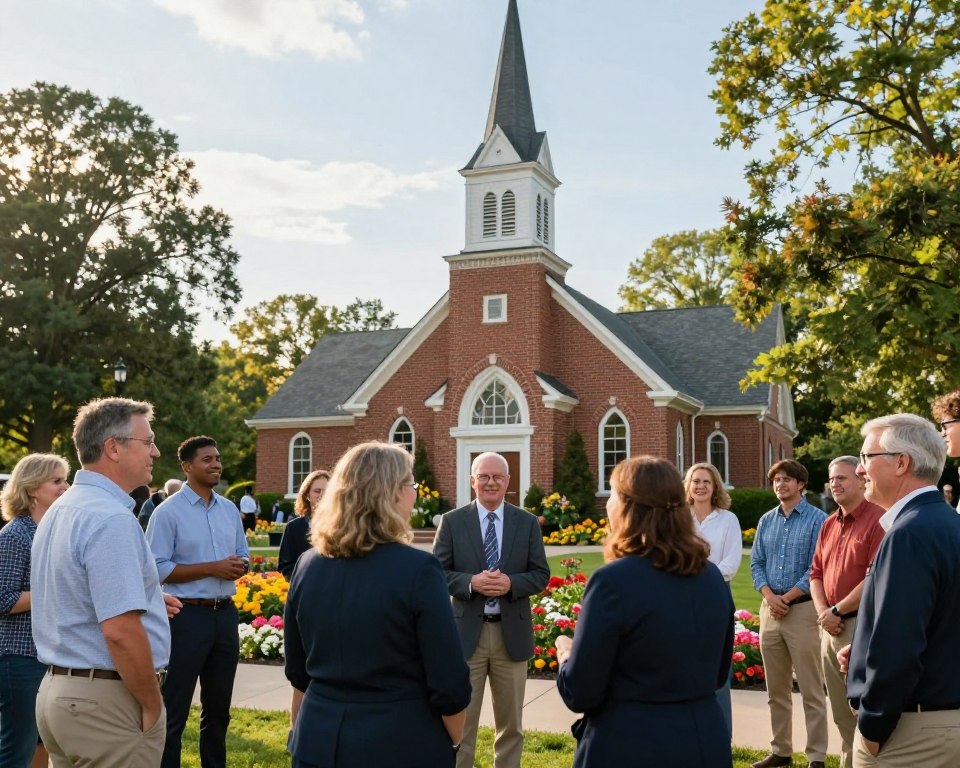
To find a Presbyterian church near you, start by searching online or asking friends and family for recommendations. You can also visit the Presbyterian Church website to use their church finder tool. When searching, consider factors such as the church’s location, worship style, and community programs to ensure it aligns with your needs and preferences.
Once you’ve identified a few potential churches, visit their websites or social media pages to learn more about their beliefs, values, and activities. This research will help you narrow down your options and choose a church that feels like a good fit.
Participating in Church Activities
After finding a church that resonates with you, the next step is to get involved in its activities. Presbyterian churches offer a variety of programs and events, such as worship services, Bible studies, and community outreach initiatives. By participating in these activities, you can build relationships with other members, deepen your understanding of the Presbyterian faith, and contribute to the church’s mission.
Some ways to get involved include:
- Attending worship services and joining in discussions or Bible studies
- Volunteering for community outreach programs or mission trips
- Joining a small group or fellowship to connect with others
- Participating in church governance or leadership roles
As you become more involved, you’ll have the opportunity to serve others, grow in your faith, and become a valued member of the church community.
“The church is not a social club; it’s a community of people called by God to live out their faith in the world.”
To further illustrate the various aspects of Presbyterian church governance and community involvement, consider the following comparison:
| Aspect | Presbyterian Church | Other Denominations |
|---|---|---|
| Governance Structure | Elder-led, with a focus on presbyterian church governance | Varies, with some having a more hierarchical structure |
| Community Engagement | Emphasizes outreach and social justice, reflecting the presbyterian church meaning of serving others | May have different approaches to community engagement |
Resources for Further Exploration
Delving deeper into Presbyterianism can be a rewarding experience, offering insights into its rich history and theology. For those interested in exploring further, various resources are available to enhance understanding of Presbyterian beliefs and practices.
Classic and Contemporary Works
Reading classic works such as John Calvin’s Institutes of the Christian Religion provides a foundational understanding of Presbyterian theology and its historical context. Contemporary resources, including books on Presbyterian history and beliefs, offer a more nuanced exploration of the faith.
Online Courses and Podcasts
Online learning opportunities, such as courses and podcasts, are also available, providing accessible and engaging ways to deepen one’s understanding of Presbyterianism. These resources cover a range of topics, from Presbyterian worship practices to its stance on social justice issues, and are valuable for those seeking to explore Presbyterian beliefs and history in more depth.
FAQ
What is the meaning of Presbyterian Church?
The Presbyterian Church is a Protestant Christian denomination that originated from the Reformation, influenced by theologians such as John Calvin and John Knox. It is characterized by its emphasis on faith in Christ, the authority of Scripture, and the importance of living a life guided by biblical principles.
What are the core beliefs of the Presbyterian faith?
The Presbyterian faith is centered on the sovereignty of God, the authority of Scripture, and the role of grace and faith in salvation. The Westminster Confession of Faith outlines the key doctrines of the Presbyterian Church, highlighting the importance of faith in Christ and the significance of living a life guided by biblical principles.
How is the Presbyterian Church governed?
The Presbyterian Church is governed by an elder-led system, where local churches are overseen by a council of elders. This governance structure is based on biblical passages such as 1 Timothy 5:17, which highlights the role of elders in the church.
What is the significance of sacraments in Presbyterian worship?
The Presbyterian Church practices two sacraments: baptism and the Lord’s Supper. Baptism is seen as a sign of covenantal inclusion, while the Lord’s Supper is celebrated as a means of spiritual nourishment. These practices are rooted in biblical passages such as Matthew 28:19 and 1 Corinthians 11:23-26.
How does the Presbyterian Church engage with the broader community?
The Presbyterian Church is involved in a range of community engagement activities, from local food banks to global mission initiatives. These efforts are motivated by a commitment to loving and serving others, and are guided by biblical principles.
What are the differences between mainline and conservative Presbyterian branches?
Mainline and conservative Presbyterian branches differ in their theological and cultural perspectives. Mainline Presbyterian churches tend to be more liberal in their theology and practice, while conservative Presbyterian churches are more traditional and conservative.
How can I get involved with a local Presbyterian church?
To get involved with a local Presbyterian church, you can start by attending worship services and meeting with church members. You can also join a small group or participate in church activities, such as volunteer work or community outreach programs.
What resources are available for further exploration of Presbyterianism?
There are many resources available for further exploration of Presbyterianism, including books on Presbyterian theology, online learning opportunities, and classic works such as John Calvin’s Institutes. These resources can help deepen your understanding of Presbyterian beliefs and practices.
What is Presbyterianism?
Presbyterianism is a Protestant Christian tradition that emphasizes the authority of Scripture, the sovereignty of God, and the importance of faith in Christ. It is characterized by its elder-led governance structure and its commitment to Reformed theology.
How does Presbyterian worship differ from other denominations?
Presbyterian worship is characterized by its emphasis on reverence, community, and the proclamation of the Word. Presbyterian worship services often include a mix of traditional hymns and contemporary music, as well as liturgical elements such as prayer and the reading of Scripture.