Christianity’s diverse landscape includes hundreds of faith communities shaped by centuries of history. These groups, born from the 16th-century Reformation, carry titles reflecting their roots, beliefs, and cultural influences. Understanding their names offers a window into their identity—from honoring reformers like Martin Luther to highlighting practices such as adult baptism.
Today, over 800 million people identify with these traditions globally. Pentecostal and Charismatic groups lead in membership, followed by Anglicans, Baptists, and Lutherans. Each family has unique governance styles, often prioritizing local decision-making over centralized hierarchies.
Names like “Methodist” or “Adventist” reveal theological priorities, while others nod to geographic origins. This guide unpacks how these labels emerged, their core principles, and how they’ve adapted across continents. You’ll learn why some groups emphasize unity through alliances, while others focus on distinct teachings.
Key Takeaways
- Protestant traditions began during the Reformation and now include hundreds of denominations
- Church names often honor founders, locations, or theological practices
- Pentecostal groups form the largest Protestant family worldwide
- Local governance contrasts with centralized Catholic structures
- Names reflect cultural, historical, and regional influences
Introduction to Protestant Denominations
Faith communities across the globe express their beliefs through various organized groups. These groups developed unique identities after breaking from older religious structures centuries ago. Their differences often center on how they interpret sacred texts and organize their practices.
What Are Protestant Denominations?
These faith groups trace their roots to 16th-century reforms. Unlike the Roman Catholic Church, which follows centralized leadership, they emphasize personal Bible study. Members believe everyone can connect directly with divine teachings without intermediaries.
Nine main families exist today, including Baptists and Lutherans. Each group maintains distinct traditions while sharing core ideas like salvation through faith. They view themselves as parts of a universal spiritual community beyond physical buildings.
Key Characteristics and Beliefs
Shared principles unite these groups despite their diversity. They prioritize scripture over tradition and reject hierarchical control. Local congregations often make decisions independently while collaborating on shared goals.
Here’s how they compare to other Christian traditions:
| Feature | Protestant Denomination | Roman Catholic Church |
|---|---|---|
| Scripture Interpretation | Individual & congregational | Papal authority |
| Leadership Structure | Local autonomy | Central hierarchy |
| Core Emphasis | Faith-based salvation | Sacraments & tradition |
This flexible system allows groups to adapt teachings to cultural contexts while preserving essential beliefs. From global networks to neighborhood assemblies, these communities shape modern spiritual life.
Historical Evolution of Protestant Churches
Religious transformations in 16th-century Europe reshaped spiritual landscapes forever. This period saw communities redefine their relationships with sacred texts and authority structures. Let’s explore how these changes unfolded through pivotal moments and leaders.

The Reformation and Its Impact
Martin Luther’s 95 Theses in 1517 sparked a chain reaction across the Roman Catholic world. His critiques of indulgences and church practices found eager audiences. Within decades, reformers like John Calvin expanded these ideas into full theological systems.
England’s break from the Catholic Church came through royal politics. Henry VIII’s 1534 Act of Supremacy created the Church of England, blending traditional rituals with new governance. Thomas Cranmer later shaped its identity through prayer books and doctrinal statements.
Milestones in Denominational Development
New faith communities emerged as reforms spread. Lutherans organized around scriptural authority, while Baptists pioneered believer’s baptism in 1609 Amsterdam. Methodists later formed revival-focused societies within the Church of England framework.
Regional influences shaped these movements profoundly:
| Event | Year | Key Figure |
|---|---|---|
| Lutheran Church Formation | 1520s | Martin Luther |
| Anglican Church Establishment | 1534 | Henry VIII |
| First Baptist Assembly | 1609 | John Smyth |
| Methodist Movement Begins | 1730s | John Wesley |
Migration patterns carried these traditions across the world, adapting to local cultures while preserving core beliefs. Revival movements further diversified practices, creating the rich denominational tapestry we recognize today.
Understanding “protestant churches names”
What’s in a name? For faith communities, titles act like spiritual signposts pointing to core beliefs and historical journeys. These labels help members identify shared values while inviting others to explore their distinct approaches to worship.
Definition and Importance
Group titles often reveal what matters most to a denomination. “A church’s name functions as both compass and map,” notes theologian Dr. Emily Carter. Baptist churches highlight baptism practices, while reformed churches signal theological roots in Calvinist teachings.
Names preserve heritage too. The Lutheran church honors Martin Luther’s reforms, creating instant historical connections. Modern assemblies sometimes update titles to reflect new priorities without abandoning foundational truths.
Examples Across Various Denominations
This table shows how different groups use names to communicate identity:
| Denomination | Naming Reason | Key Example |
|---|---|---|
| Baptist Churches | Baptism practices | Full immersion rituals |
| Methodist Church | Disciplined faith approach | John Wesley’s teachings |
| Lutheran Church | Founder recognition | Martin Luther’s legacy |
| Reformed Churches | Theological tradition | Calvinist principles |
| Presbyterian | Leadership structure | Elder-led governance |
Geographic markers also appear frequently. Groups like the Korean Presbyterian Church or African Methodist Episcopal denomination blend location with tradition, showing how faith adapts across cultures.
Major Denominational Families Explained
Global spiritual communities organize around distinct belief systems that shape their identities. Six key groups stand out for their historical impact and unique practices. Let’s explore what makes each tradition special.
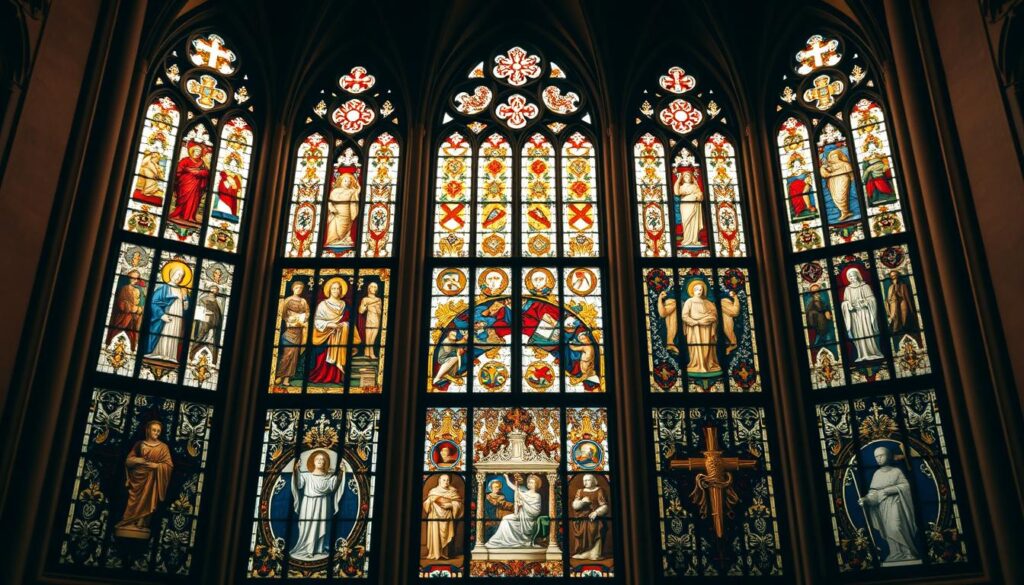
Baptist, Methodist, and Lutheran Traditions
The baptist convention represents communities prioritizing adult baptism by immersion. With 84 million members, they value local decision-making over centralized control. Their focus on personal faith decisions shapes outreach efforts.
Lutheran church teachings stem from Martin Luther’s emphasis on grace-driven salvation. Nearly 70 million members practice liturgical worship and infant baptism. Their communion theology blends symbolic and literal elements.
John Wesley’s methodist church movement champions social justice and spiritual growth. Over 46 million members pursue “Christian perfection” through structured faith practices. Their small-group approach fosters personal accountability.
Anglican, Reformed, and Pentecostal Influences
The anglican church balances tradition with reform, serving 97 million believers. As a middle path between Catholic and Protestant practices, it maintains bishop-led governance. This flexibility allows cultural adaptation while preserving core rituals.
Reformed churches follow Calvinist principles emphasizing God’s supreme authority. With 70 million adherents, they stress predestination and scriptural authority. Presbyterian groups form the largest subset within this family.
Pentecostal communities lead global growth, boasting 644 million members. The pentecostal church experience centers on spiritual gifts like healing and speaking in tongues. Emotional worship services and spontaneous prayer define their vibrant gatherings.
Understanding these families helps navigate spiritual landscapes. While sharing core Christian beliefs, each group brings unique perspectives to scripture interpretation and community life.
The Role of Membership and Growth in Denominations
Numbers tell stories beyond mere counts—they reveal shifts in belief and community engagement. Tracking participation helps us see where spiritual movements thrive or face challenges. Let’s explore what membership data says about modern faith communities.
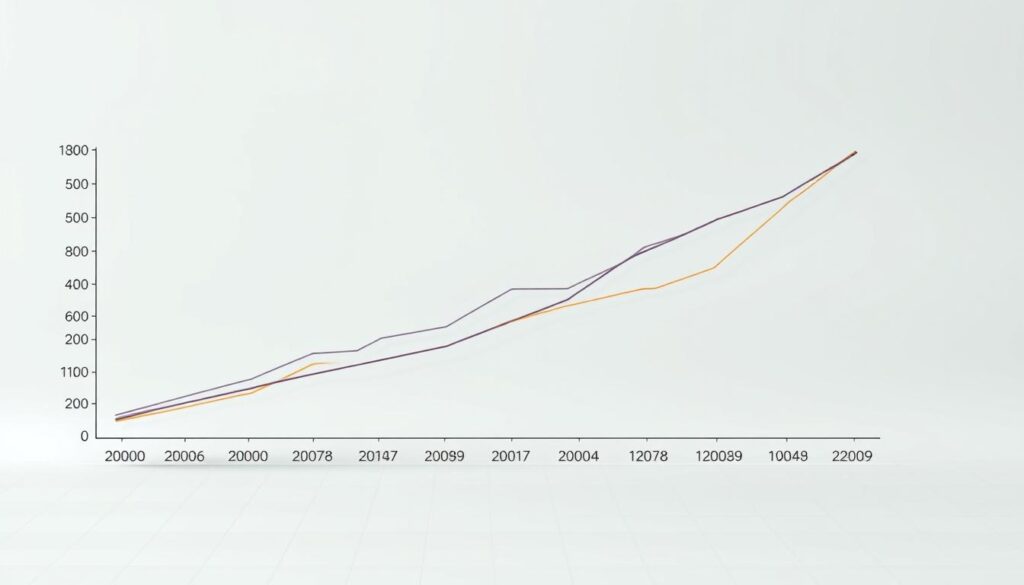
Statistical Insights from Church Reports
Global alliances report striking figures. The World Evangelical Alliance connects 600 million believers, while the Anglican Communion spans 85-110 million members. Yet numbers don’t always reflect active participation. Some groups count every baptized person, while others track weekly attendees.
Recent trends show contrasts. The Assemblies of God saw a 0.5% U.S. membership increase—a rare growth story. Meanwhile, many traditional groups report declines. This table highlights key differences:
| Denominational Family | Global Membership | Recent Growth |
|---|---|---|
| Anglican Communion | 85-110 million | Mixed (Global rise, Western decline) |
| Lutheran World Federation | 78.4 million | Stable |
| Baptist World Alliance | 51 million | Declining in North America |
| World Communion of Reformed Churches | 100 million | Growing in Africa/Asia |
| Assemblies of God | Not specified | +0.5% (U.S.) |
Impact of Membership Data on Church Identity
These numbers shape how groups view themselves. Declining denominations often rethink outreach methods. Some adopt contemporary worship styles or focus on social justice issues. Others double down on traditional teachings.
Growth patterns also influence resource allocation. Groups expanding in Africa and Asia prioritize translation projects and local leadership training. Meanwhile, North American churches facing membership drops invest in digital outreach and community programs.
As one researcher notes: “A denomination’s survival often hinges on balancing heritage with cultural relevance.” Membership stats don’t just measure size—they mirror how effectively spiritual communities adapt to changing worlds.
Prominent Protestant Denominations in the United States
America’s spiritual tapestry features distinct communities shaping modern religious life. Recent data from the Yearbook of American and Canadian Churches reveals fascinating membership patterns. These groups adapt historic traditions to meet contemporary needs while maintaining core identities.
Southern Baptist Convention and United Methodists
The Southern Baptist Convention leads with 16.2 million members, emphasizing local decision-making and evangelism. Their decentralized structure allows congregations to address regional needs effectively. Meanwhile, the United Methodist Church reports 7.8 million members despite recent internal debates over doctrine.
Insights from National Membership Data
Other major groups include the National Baptist Convention (5 million) and Evangelical Lutheran Church. The Church of God in Christ ranks third with 5.5 million members, showcasing Pentecostal growth trends. Southern states dominate Baptist membership, while Methodists maintain stronger Midwest roots.
Urban centers see younger denominations gaining traction through contemporary worship styles. “Our numbers reflect both heritage and innovation,” notes a Dallas-based faith leader. These patterns highlight how communities balance tradition with cultural relevance in the United States.
FAQ
What are some major Protestant denominations in the United States?
The Southern Baptist Convention, United Methodist Church, Evangelical Lutheran Church in America, and Presbyterian Church (USA) are among the largest. Groups like the Assemblies of God and Anglican Communion also hold significant influence.
How do Baptist and Methodist traditions differ?
Baptists emphasize believer’s baptism and local church autonomy, while Methodists focus on Wesleyan theology, communal sacraments, and a connectional structure. Both value scripture but approach governance differently.
Why is membership data important for denominations?
Numbers from organizations like the National Baptist Convention or Evangelical Lutheran Church highlight growth trends, regional influence, and outreach effectiveness. This data shapes strategies for community engagement and resource allocation.
What role did the Reformation play in denominational development?
The Reformation sparked movements like Lutheranism and the Reformed Church, challenging Roman Catholic practices. It led to doctrinal splits, creating diverse traditions such as Anglican, Anabaptist, and later Pentecostal branches.
How do Pentecostal churches differ from Anglican traditions?
Pentecostal groups, like the Assemblies of God, prioritize spiritual gifts (e.g., speaking in tongues) and spontaneous worship. Anglicans, part of the global Anglican Communion, follow liturgical practices and episcopal governance rooted in Church of England heritage.
What defines a “denominational family”?
Groups like the Reformed Church in America or African Methodist Episcopal Church share core beliefs but may vary in practices. Families often emerge from historical splits, cultural contexts, or theological debates, such as the Methodist Episcopal Church’s evolution.