The Presbyterian Church in America (PCA) is a conservative Reformed denomination that emphasizes biblical teachings and community. It offers a welcoming environment for individuals seeking to connect and grow in their faith.
The PCA is committed to providing various resources and ministries that enable individuals to get involved and give back to their communities. Through its Christian worship services, the PCA fosters a sense of belonging among its members.
Key Takeaways
- A conservative Reformed denomination with a strong emphasis on biblical teachings.
- Offers a welcoming community for individuals to connect and grow in their faith.
- Provides various resources and ministries for community involvement.
- Fosters a sense of belonging through Christian worship services.
- Committed to enabling individuals to get involved and give back.
Introduction to the Presbyterian Church in America
The PCA, or Presbyterian Church in America, is known for its adherence to the principles of the Reformation and the authority of Scripture. This denomination has a rich history and a distinct set of beliefs that guide its practices and community life.
Overview of the PCA’s History
The Presbyterian Church in America was formed in 1973 by conservative churches that broke away from the Presbyterian Church in the United States. This separation was largely due to theological differences, with the PCA leaning towards a more conservative interpretation of Presbyterian doctrine.
The PCA’s theology is rooted in the Reformed tradition, emphasizing the authority of the Bible in matters of faith and practice. The church’s doctrinal foundation is built upon the Westminster Confession of Faith and the Larger and Shorter Catechisms, which provide a comprehensive framework for understanding Reformed theology.
Key Beliefs and Principles
The PCA affirms the Westminster Confession of Faith and the Larger and Shorter Catechisms as its doctrinal standards. These documents outline the church’s understanding of God’s sovereignty, the authority of Scripture, and the path to salvation through faith in Jesus Christ.
“The Presbyterian Church in America is committed to the inerrancy of Scripture and the importance of living out one’s faith in the context of community and service.”
A key aspect of PCA’s beliefs is its commitment to the Reformed tradition, which emphasizes the grace of God in salvation and the importance of living a life that reflects God’s sovereignty in all aspects.
| Key Document | Description |
|---|---|
| Westminster Confession of Faith | A comprehensive statement of Reformed theology, covering the nature of God, salvation, and church governance. |
| Larger Catechism | A detailed explanation of the principles of the Christian faith, structured around 196 questions and answers. |
| Shorter Catechism | A concise guide to Christian doctrine, designed for instruction and memorization, consisting of 107 questions and answers. |
The PCA’s adherence to these documents shapes its worship practices, community life, and outreach efforts, making it a distinct and vibrant part of the broader Presbyterian community.
Core Beliefs of the PCA
At the heart of the PCA’s identity are its core beliefs, which shape its approach to faith and practice. The Presbyterian Church in America is grounded in a conservative Reformed theology that emphasizes the authority of Scripture, salvation through faith, and the importance of the sacraments.
The Authority of Scripture
The PCA affirms the authority of Scripture in matters of faith and practice. This means that the Bible is considered the inspired Word of God, guiding the church’s teachings and decisions.
The PCA’s commitment to Scripture’s authority reflects its belief in the Bible as a source of divine guidance and wisdom.
Salvation Through Faith
Salvation through faith in Jesus Christ is a central tenet of the PCA’s theology. The church teaches that salvation is a gift from God, received through faith in Jesus Christ, and not through human works or merits.
This belief is rooted in the Reformed tradition, emphasizing the sovereignty of God in salvation.
Importance of the Sacraments
The PCA places significant emphasis on the sacraments, specifically baptism and the Lord’s Supper. These sacraments are considered means of grace, through which God nourishes and sustains the faith of believers.
The church views baptism as a sign of God’s covenant with His people and the Lord’s Supper as a commemoration of Christ’s sacrifice, fostering spiritual growth among believers.
In summary, the PCA’s core beliefs form a robust theological framework that guides its practices and community life. By affirming the authority of Scripture, salvation through faith, and the importance of the sacraments, the PCA maintains its identity as a conservative Reformed church.
Worship Practices in the PCA
The PCA’s approach to worship is rooted in its commitment to reverence and respect for God. This foundational principle guides the diverse worship practices within the Presbyterian Church in America, allowing for a rich tapestry of spiritual experiences.
Worship in the PCA is characterized by a blend of traditional and contemporary elements, reflecting the church’s theological foundations and its engagement with the congregation. This blend is evident in the variety of worship styles across different PCA churches.
Traditional vs. Contemporary Worship
The PCA accommodates a range of worship styles, from traditional to contemporary, ensuring that congregations can worship in a manner that is meaningful to them. Traditional worship often features hymns and liturgical elements, while contemporary worship may incorporate modern Christian music and more informal elements.
This diversity in worship styles is a deliberate choice, reflecting the PCA’s commitment to being a welcoming community. As noted by PCA resources, the key is to maintain a focus on reverence and respect for God amidst this diversity.
“Worship is not just a matter of personal preference but a corporate act of reverence and obedience to God.”
The Role of Music in Services
Music plays a significant role in PCA worship services, with many churches incorporating a mix of hymns, psalms, and contemporary Christian music. The choice of music is guided by the PCA’s theological principles and the desire to engage the congregation in meaningful worship.
| Worship Element | Traditional Worship | Contemporary Worship |
|---|---|---|
| Music Style | Hymns, Liturgical Music | Contemporary Christian Music |
| Liturgy | Formal, Traditional Liturgy | Informal, Flexible Liturgy |
| Congregational Engagement | Responsive Readings, Traditional Hymns | Modern Songs, Interactive Elements |
The PCA’s approach to worship, including its use of music, is designed to foster a deep sense of community and reverence among its congregations. By embracing a variety of worship styles, the PCA ensures that its worship practices are both meaningful and engaging for its diverse membership.
Community Life in the PCA
At the heart of the Presbyterian Church in America is a strong sense of community, fostered through various fellowship opportunities and outreach programs. The PCA’s emphasis on community life is reflected in its churches, which often host small groups and Bible studies that allow members to deepen their faith and build meaningful relationships.
Fellowship Opportunities
Fellowship is a vital aspect of community life in the PCA. Churches within the denomination offer a range of activities designed to bring members together, including social events, volunteer opportunities, and community service projects. These activities not only strengthen bonds among church members but also provide a platform for serving the wider community.
Many PCA churches have established small groups that meet regularly to discuss scripture, share personal experiences, and support one another in their spiritual journeys. These groups provide a nurturing environment where members can grow in their faith and develop lasting connections.
Involvement in Local Outreach
The PCA encourages its churches to be actively involved in local outreach and community service. This involvement can take many forms, from organizing food drives and charity events to partnering with local organizations to address specific community needs.
By engaging in local outreach, PCA churches demonstrate their commitment to serving others and living out their faith in practical ways. This not only benefits the community but also enriches the spiritual lives of church members.
Through its focus on community life and outreach, the Presbyterian Church in America provides a welcoming and supportive environment for its members, while also making a positive impact in the communities it serves.
The Structure of PCA Churches
At the heart of the PCA’s structure is a commitment to biblical governance, reflected in its leadership roles and the importance of the Session and Presbytery.
Governance and Leadership Roles
The PCA churches are governed by a constitution, with elders and deacons playing pivotal roles in leadership. Elders are responsible for the spiritual guidance of the church, while deacons focus on serving the congregation’s physical and emotional needs.
Leadership Roles in the PCA are designed to support the church’s mission and ensure its faithful operation. The church’s governance structure is outlined in the PCA’s constitution, which provides a framework for decision-making and accountability.
| Leadership Role | Description | Responsibilities |
|---|---|---|
| Elders | Spiritual leaders | Guiding the church spiritually, overseeing worship, and ensuring the church’s adherence to its mission. |
| Deacons | Servant leaders | Serving the congregation’s needs, managing church benevolence, and supporting the elders. |
| Session | Church governing body | Overseeing church operations, making key decisions, and guiding the congregation. |
Importance of the Session and Presbytery
The Session is crucial for the spiritual health of the local church, as it provides spiritual guidance and oversight. The Presbytery, on the other hand, offers a broader level of support and oversight, connecting local churches within a region.
The PCA’s system of governance is designed to balance local church autonomy with the benefits of connectionalism. This balance is key to the PCA’s ability to support its churches while respecting their independence.
The structure of PCA churches is a testament to their commitment to biblical governance and effective leadership. By understanding the roles of elders, deacons, the Session, and Presbytery, one can appreciate the complexity and beauty of the PCA’s organizational framework.
Educational Opportunities within the PCA
The PCA prioritizes education, offering a range of programs designed to deepen knowledge of Scripture and Reformed principles. This commitment to education is reflected in its various educational initiatives, from Sunday School and Bible studies to advanced theological training at its affiliated seminaries.
Sunday School and Bible Studies
Sunday School and Bible studies are fundamental components of the PCA’s educational framework. These programs are designed to educate members about the Bible, church history, and Reformed theology. They provide a nurturing environment where individuals can grow in their faith and understanding of Christian doctrine.
Key aspects of Sunday School and Bible studies in the PCA include:
- In-depth study of Scripture
- Exploration of Reformed theology and its application to daily life
- Opportunities for fellowship and spiritual growth
Seminaries Affiliated with the PCA
The PCA is associated with several theological seminaries that provide advanced training for pastors, church leaders, and others seeking a deeper understanding of Reformed theology. These seminaries are committed to a conservative Reformed approach to theological education, ensuring that graduates are well-versed in Scripture and equipped to serve the church effectively.
| Seminary Name | Location | Focus |
|---|---|---|
| Reformed Theological Seminary | Multiple Locations | Training for ministry with a Reformed perspective |
| Westminster Theological Seminary | Philadelphia, PA | Advanced theological education grounded in Reformed theology |
| Erskine Theological Seminary | Due West, SC | Preparation for ministry with a focus on Reformed principles |

The PCA’s educational resources, including its Sunday School programs, Bible studies, and seminary training, are designed to support the spiritual growth of its members and prepare leaders to serve the church. By providing a comprehensive education grounded in Reformed theology, the PCA ensures that its members are well-equipped to understand and apply biblical principles in their lives.
Youth and Family Programs in the PCA
The PCA places a significant emphasis on developing programs that cater to the spiritual and social needs of its younger members and their families. This commitment is reflected in the variety of youth groups and activities, as well as the resources available for family support.
Youth Groups and Activities
Youth groups within the PCA are designed to be engaging and spiritually enriching. These groups often participate in community service, Bible studies, and social events, fostering a sense of community and spiritual growth among the youth. For instance, many PCA churches have active youth groups that organize retreats, mission trips, and fellowship events.
Family Support and Resources
The PCA also provides extensive resources for families, including counseling services, parenting classes, and family-oriented Bible studies. These resources aim to strengthen family bonds and support parents in their roles. By offering such programs, the PCA demonstrates its commitment to nurturing families within the presbyterian congregation.
| Program Type | Description | Target Audience |
|---|---|---|
| Youth Bible Studies | In-depth studies of the Bible tailored for youth | Teenagers |
| Family Counseling | Professional counseling services for families | Families |
| Parenting Classes | Workshops and classes on effective parenting | Parents |
Through these initiatives, the PCA creates a supportive environment that encourages spiritual growth and development among its members, from youth to adults, within the context of christian worship services and community life.
Mission Work and Community Outreach
At the heart of the Presbyterian Church in America’s activities is a strong commitment to mission work and community service. The PCA church is dedicated to spreading the gospel and serving those in need, both locally and globally.
Local Missions and Service Projects
The Presbyterian Church in America is involved in various local missions and service projects, aiming to make a positive impact in the communities it serves. These initiatives range from food drives and homeless shelters to educational programs and health services.
Examples of Local Mission Work:
- Food banks and pantries
- Homeless shelters and housing assistance
- Youth education and mentorship programs
Global Mission Efforts
In addition to local missions, the PCA is committed to global mission efforts, working to spread the gospel and provide aid to those in need around the world. This includes supporting missionaries, disaster relief efforts, and community development projects.
| Region | Mission Focus | Examples of Projects |
|---|---|---|
| Africa | Church planting, education, and healthcare | Building schools, providing medical care |
| Asia | Disaster relief, community development | Disaster response teams, community centers |
| Latin America | Evangelism, social services | Church planting, food assistance programs |
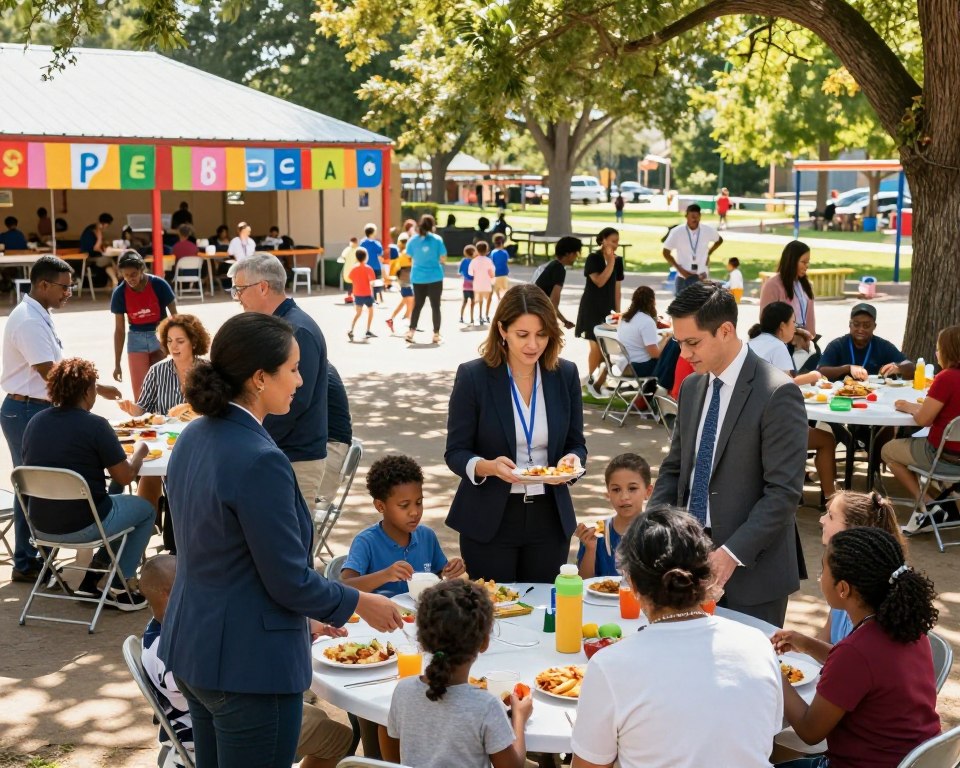
The PCA’s global mission efforts are a testament to its commitment to serving a broader community and demonstrating the love of Christ to a global audience.
Women’s Ministry in the PCA
Within the PCA, women play a crucial role in shaping the spiritual and community life of the church. The Presbyterian Church in America recognizes the valuable contributions women make, supporting their involvement in various aspects of church life.
Roles of Women in Church
Women in the PCA are actively engaged in multiple roles, including teaching, serving, and leadership positions. The PCA’s theology affirms the importance of women’s participation in the life of the church, encouraging them to use their gifts and talents to serve others.
Key areas where women serve include:
- Teaching in Sunday Schools and Bible studies
- Leading worship and prayer meetings
- Participating in church governance and decision-making processes
- Engaging in community outreach and mission work
Support Groups and Activities
Many PCA churches have established women’s ministries that provide support, resources, and fellowship for women. These ministries often include:
- Bible studies and prayer groups tailored for women
- Community service projects and outreach initiatives
- Support groups for women facing various life challenges
- Events and conferences focused on women’s spiritual growth and development
The PCA’s commitment to supporting women is evident in its various programs and initiatives. For example, many churches have women’s Bible studies that explore topics relevant to women’s lives, providing a safe space for discussion and spiritual growth.
| Ministry Area | Description | Impact |
|---|---|---|
| Teaching and Leadership | Women are equipped to teach and lead in various church settings. | Empowers women to share their knowledge and experience, enriching the church community. |
| Community Outreach | Women engage in outreach programs, serving the local community. | Fosters a spirit of service and compassion, reflecting the church’s mission. |
| Support Groups | Women’s ministries offer support groups for women facing life’s challenges. | Provides a nurturing environment where women can find support and encouragement. |
In summary, the PCA’s women’s ministry is a vibrant and integral part of the church’s life, providing opportunities for women to grow spiritually, serve others, and connect with one another.
Joining the Presbyterian Church in America
Becoming a member of the Presbyterian Church in America, a conservative reformed church, is a significant step in one’s spiritual journey. The PCA welcomes individuals to join its community, providing a supportive environment for worship, fellowship, and service.
Membership Process
The process of membership in the PCA involves confession of faith and baptism. Individuals interested in joining a Presbyterian congregation are encouraged to speak with their local church’s pastor or session to learn more about the membership process.
Benefits of Membership
Being part of the PCA community offers numerous benefits, including opportunities for worship, fellowship, and service. Members of a Presbyterian congregation can grow in their faith, participate in community outreach programs, and engage in meaningful relationships with others.
By joining the PCA, individuals become part of a community grounded in Scripture and committed to the Reformed tradition, fostering spiritual growth and a deeper connection with like-minded believers.
FAQ
What is the Presbyterian Church in America?
The Presbyterian Church in America (PCA) is a conservative Reformed denomination that emphasizes biblical teachings and community. It is a Presbyterian denomination that adheres to the Westminster Confession of Faith and the Larger and Shorter Catechisms.
What are the core beliefs of the PCA?
The PCA’s core beliefs include the authority of Scripture, salvation through faith, and the importance of the sacraments. The PCA holds to a conservative Reformed theology, affirming the sovereignty of God and the significance of the sacraments as means of grace.
What is the role of the Westminster Confession of Faith in the PCA?
The Westminster Confession of Faith is a foundational document that shapes the PCA’s theology. It is a comprehensive summary of Reformed theology, outlining the church’s understanding of the Bible, the nature of God, and the plan of salvation.
What is the PCA’s approach to worship?
The PCA’s approach to worship emphasizes reverence and respect for God. Worship services may be traditional or contemporary, with music playing a significant role in many services. The PCA encourages churches to worship in a manner that is biblically faithful and culturally relevant.
How is a PCA church governed?
PCA churches are governed by a Session, which is composed of elders who oversee the spiritual life of the congregation. The Session is responsible for ensuring the church’s adherence to the Westminster Confession of Faith and for providing spiritual guidance to the congregation.
What educational opportunities are available within the PCA?
The PCA offers various educational opportunities, including Sunday School and Bible studies, as well as seminaries affiliated with the denomination. These educational institutions provide training for pastors and church leaders, equipping them to serve the church and spread the gospel.
How can I join the PCA?
To join the PCA, one typically needs to become a member of a local PCA church. This involves meeting with the Session, professing faith in Jesus Christ, and committing to the church’s membership vows.
What is the PCA’s stance on missions and community outreach?
The PCA is committed to spreading the gospel and serving those in need, both locally and globally. The denomination supports various mission efforts, including church planting, disaster relief, and community service projects.
What is the role of women in the PCA?
The PCA understands the role of women in the church to be one of dignity and service. Women are encouraged to participate in various ministries, including teaching, serving, and leadership roles, although the PCA generally reserves the office of pastor to men.
What resources are available for families within the PCA?
The PCA provides various resources for families, including family support groups, counseling services, and parenting classes. The denomination also encourages churches to develop family-friendly ministries and activities.