The Presbyterian Church in Ireland is a Protestant Christian denomination with roots in the 16th-century Protestant Reformation. With a rich history and a strong presence in Ireland, this church has become an integral part of Irish society.
At its core, the Presbyterian Church emphasizes faith, community, and tradition. It has played a significant role in shaping the spiritual and social fabric of Ireland.
With its origins in the Protestant Reformation, the church has evolved over time, maintaining its commitment to Christian values and community service.
Key Takeaways
- The Presbyterian Church in Ireland is a Protestant Christian denomination.
- It originated in the 16th-century Protestant Reformation.
- The church emphasizes faith, community, and tradition.
- It has a significant presence in Ireland and contributes to the country’s spiritual and social fabric.
- The church is committed to Christian values and community service.
A Brief History of the Presbyterian Church in Ireland
With roots tracing back to the Scottish Presbyterian migration, the Presbyterian Church in Ireland has a storied past. The church’s history is closely tied to the Plantation of Ulster in the early 17th century, a period that saw significant Scottish Presbyterian settlement in Ireland.
Early Beginnings and Roots
The early Presbyterians in Ireland were largely Scottish Presbyterians who brought with them their faith, practices, and governance structure. The influence of Scottish Presbyterianism was profound, shaping the theological and organizational foundations of the Presbyterian Church in Ireland.
“The Presbyterian Church in Ireland’s roots in Scottish Presbyterianism are evident in its governance and theological stance.”
Development Through the Centuries
Over the centuries, the Presbyterian Church in Ireland developed and grew, adapting to the changing social and political landscape of Ireland. The church played a significant role in Irish society, contributing to education, social welfare, and community development.
The formation of the Presbytery of Ulster in 1624 marked a significant milestone in the church’s development, establishing a formal governance structure for Presbyterian churches in Ireland.
Key Historical Milestones
The Presbyterian Church in Ireland has a number of key historical milestones that highlight its growth and development. Some of these milestones include:
| Year | Event | Significance |
|---|---|---|
| 1624 | Formation of the Presbytery of Ulster | Established formal governance for Presbyterian churches |
| 1690s | Williamite War | Impacted Presbyterian communities, particularly in Ulster |
| 1840s | The Great Famine | Presbyterian Church responded with relief efforts |
These milestones underscore the complex and sometimes challenging history of the Presbyterian Church in Ireland, shaped by both internal developments and external factors.
Core Beliefs of the Presbyterian Church
The core beliefs of the Presbyterian Church in Ireland are shaped by its history and Reformed tradition. At the heart of the church’s theology is the Westminster Confession of Faith, a document that outlines the key tenets of Presbyterian belief.
Understanding the Confession of Faith
The Westminster Confession of Faith is a foundational document that guides the theological understanding of the Presbyterian Church. It articulates beliefs such as the Trinity and the sacrificial death and resurrection of Jesus, providing a framework for Presbyterian theology and practice.
This confession is not just a historical document but a living part of the church’s life, influencing its worship, governance, and community practices. It serves as a unifying element among Presbyterian congregations, ensuring a shared understanding of core Christian doctrines.
The Role of Scripture and Tradition
The Presbyterian Church places a strong emphasis on scripture, adhering to the principle that the Bible is the primary source of authority in matters of faith and practice. Alongside scripture, the church values tradition, drawing on the historical teachings and practices of the Christian church to inform its contemporary beliefs and actions.
This balance between scripture and tradition allows the Presbyterian Church to remain rooted in its historical faith while engaging with contemporary issues and contexts. It fosters a dynamic approach to theology, where ancient truths are applied to modern life.
Structure and Governance of the Church
The governance of the Presbyterian Church in Ireland is characterized by a Presbyterian model of leadership, emphasizing the importance of elders. This model is rooted in the church’s history and theology, shaping how decisions are made and how the community is served.
Presbyterian Model of Leadership
The Presbyterian Church operates under a system where leadership is shared among elected elders and ministers. This governance structure is designed to ensure that the church remains accountable to its congregation and that decision-making is a collaborative process.
Elders play a crucial role in the governance of the church, overseeing both spiritual and administrative aspects. They are chosen by the congregation for their wisdom, faith, and commitment to the church’s mission.
Role of Elders and Ministers
Elders and ministers work together to guide the congregation. While ministers are responsible for preaching, teaching, and pastoral care, elders support these efforts by managing the church’s affairs and ensuring that the community’s needs are met.
The General Assembly, which meets annually, is a key component of the church’s governance. It brings together representatives from across the church to discuss important issues, make decisions, and provide guidance for the future.
| Role | Responsibilities | Selection Process |
|---|---|---|
| Elders | Spiritual and administrative oversight, managing church affairs | Elected by the congregation |
| Ministers | Preaching, teaching, pastoral care | Appointed through a process involving the congregation and church hierarchy |
| General Assembly Representatives | Decision-making, guidance, and representation at the General Assembly | Elected by presbyteries |
This governance structure not only reflects the church’s commitment to its Presbyterian heritage but also ensures that it remains a vibrant and responsive community, capable of addressing the needs of its members and the wider society.
Worship Practices in Presbyterian Churches
Worship is a central aspect of life in the Presbyterian Church, reflecting its commitment to faith, community, and spiritual growth. The church’s worship practices are deeply rooted in its theology and tradition, emphasizing the importance of sacraments and communal worship.
Sundays and Sacraments
The Presbyterian Church in Ireland observes Sunday as the Lord’s Day, a day dedicated to worship, prayer, and community gathering. The church recognizes two sacraments: baptism and communion. Baptism is seen as a symbol of initiation into the Christian faith, while communion, also known as the Lord’s Supper, is a celebration of Christ’s presence among his followers.
“The sacraments are not merely rituals but are means of grace, through which believers experience God’s love and redemption,” as emphasized in the church’s Confession of Faith. The frequency of communion varies among congregations, but it is typically observed on a monthly or quarterly basis.
Community Worship and Events
Community is at the heart of Presbyterian worship. Beyond Sunday services, many churches organize various events and activities that foster fellowship and spiritual growth. These can include prayer groups, Bible studies, and community outreach programs, all designed to nurture the faith of members and engage with the wider community.
The Presbyterian Church in Ireland is committed to making worship accessible and meaningful to all. This is reflected in its diverse worship styles, ranging from traditional to contemporary services, ensuring that there is a welcoming environment for everyone.
“Worship is not just something we do on Sunday; it’s a way of life that guides us every day,” said a Presbyterian minister, highlighting the integral role of worship in the daily lives of believers.
The Role of Community in the Presbyterian Church
The Presbyterian Church’s approach to community is multifaceted, involving both outreach efforts and internal fellowship-building activities. This dual focus reflects the church’s commitment to serving both its members and the wider community.
Outreach Initiatives
The Presbyterian Church in Ireland is known for its community outreach programs, designed to be inclusive and welcoming. These programs are tailored to serve the needs of the local community, addressing various social, emotional, and spiritual needs.
- Food banks and soup kitchens to support those in need
- Youth programs focusing on education and personal development
- Support groups for individuals dealing with grief, addiction, or other challenges
These initiatives not only provide essential services but also serve as a bridge, connecting the church with the broader community and fostering a sense of unity and purpose.
Fostering Fellowship
Alongside its outreach efforts, the Presbyterian Church places a significant emphasis on building fellowship among its members. This is achieved through various activities and events that encourage interaction, mutual support, and a sense of belonging.
- Regular fellowship meetings and social gatherings
- Small group Bible studies and prayer groups
- Community service projects that bring members together in service to others
By cultivating a strong sense of community among its members, the church creates a supportive environment where individuals can grow spiritually and personally.
The Presbyterian Church’s commitment to community, both within and beyond its membership, is a defining characteristic of its mission and identity. Through its outreach programs and fellowship initiatives, the church seeks to embody the values of compassion, service, and unity.
Education and Youth Programs
The Presbyterian Church in Ireland is deeply committed to the education and spiritual development of its youth through various programs. These initiatives are designed to nurture young minds, foster a deeper understanding of faith, and encourage active participation within the church community.
Sunday School Initiatives
The Sunday school programs offered by the Presbyterian Church in Ireland are a cornerstone of its youth engagement efforts. These programs are tailored to different age groups, ensuring that the content is relevant and engaging for all participants.
- Age-Specific Curriculum: The curriculum is carefully designed to be age-appropriate, covering a range of topics from basic Bible stories for younger children to more in-depth studies of Christian doctrine and ethics for older students.
- Interactive Learning: The programs incorporate a variety of teaching methods, including storytelling, discussions, and activities, to keep the learning experience engaging and interactive.
Youth Engagement and Activities
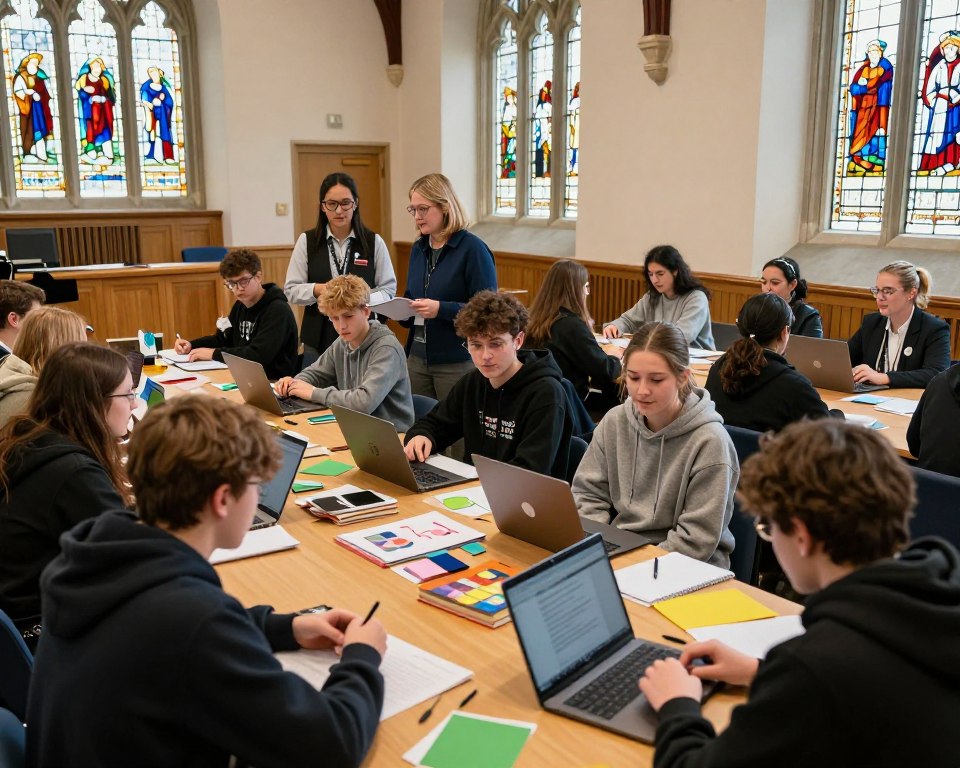
Beyond Sunday school, the Presbyterian Church in Ireland offers a range of activities aimed at engaging young people and supporting their development. These activities are designed to be both enjoyable and enriching, providing opportunities for young people to grow in their faith and build meaningful relationships with their peers.
Key Activities Include:
- Youth Camps and Retreats: These events provide a unique opportunity for young people to come together, participate in team-building activities, and deepen their understanding of their faith in a supportive environment.
- Community Service Projects: The church encourages young people to get involved in community service, promoting values of compassion, empathy, and social responsibility.
- Youth Leadership Development: Programs are in place to help young people develop leadership skills, preparing them for future roles within the church and beyond.
By investing in the education and spiritual development of its youth, the Presbyterian Church in Ireland is building a strong foundation for the future of Christianity in Ireland.
Social Issues and Community Involvement
The Presbyterian Church in Ireland is deeply committed to addressing social issues and fostering community involvement. This commitment is reflected in its various initiatives aimed at promoting social justice and supporting local charities.
Advocacy and Social Justice
The church is actively engaged in advocacy and social justice efforts, challenging injustice and promoting human dignity. Through its prophetic voice, the Presbyterian Church in Ireland addresses critical social issues, striving to create a more just and equitable society.
Key Areas of Focus include poverty alleviation, human rights, and environmental stewardship. The church works closely with community organizations and other faith groups to amplify its impact.
Support for Local Charities
In addition to its advocacy efforts, the Presbyterian Church in Ireland provides significant support to local charities. This support is multifaceted, involving financial assistance, volunteer mobilization, and resource sharing.
Local charities benefit from the church’s backing, enabling them to continue their vital work in the community. The church’s support helps address immediate needs while also contributing to long-term community development.
- Financial assistance to charities
- Mobilization of volunteers for community projects
- Sharing resources with local organizations
By combining advocacy, social justice efforts, and support for local charities, the Presbyterian Church in Ireland demonstrates a comprehensive approach to community involvement. This holistic strategy underscores the church’s commitment to serving the community and promoting positive change.
Interfaith and Ecumenical Relationships
Interfaith dialogue and ecumenical cooperation are pivotal aspects of the Presbyterian Church in Ireland’s commitment to Christian unity. The church recognizes the value of working together with other denominations and faith communities to promote mutual understanding and respect.
The Presbyterian Church in Ireland is actively involved in various interfaith and ecumenical initiatives. These initiatives are designed to foster a spirit of cooperation and unity among different Christian denominations.
Collaboration with Other Denominations
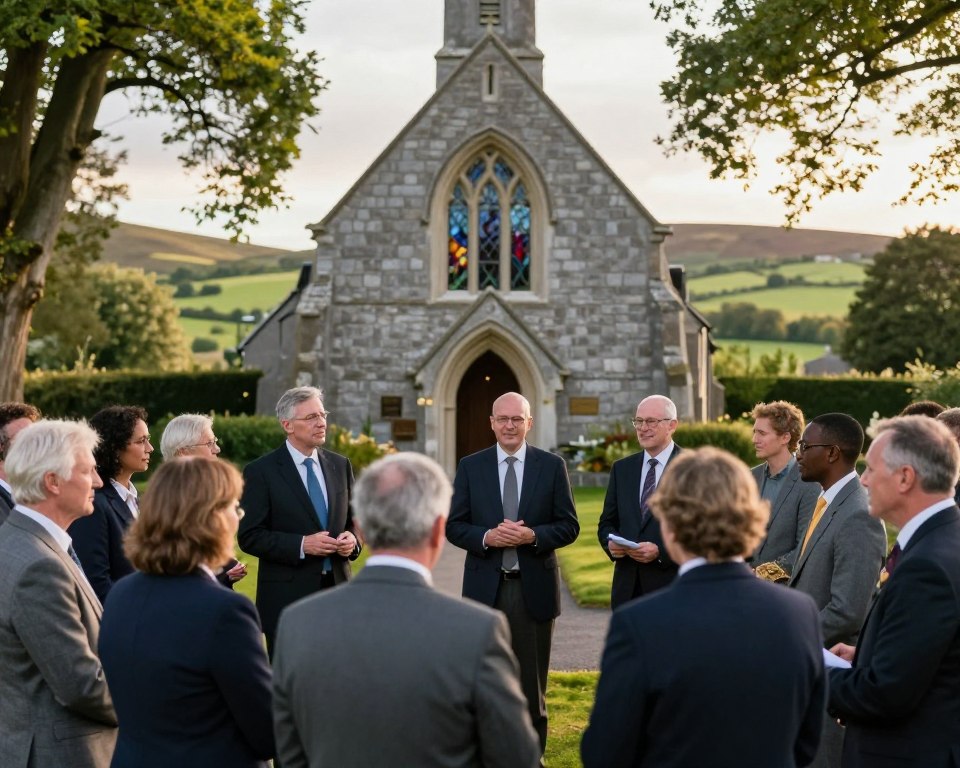
The Presbyterian Church in Ireland collaborates with other Christian denominations through various ecumenical organizations and initiatives. This cooperation is aimed at fostering unity and promoting joint community service projects.
Some of the key areas of collaboration include:
- Joint worship services and prayer events
- Community outreach and social justice initiatives
- Theological discussions and educational programs
Joint Community Efforts
Through joint community efforts, the Presbyterian Church in Ireland, along with other denominations, engages in outreach programs, social services, and community development projects. These efforts not only strengthen the bonds between different Christian communities but also contribute to the well-being of the broader society.
Examples of joint community efforts include:
- Food banks and poverty alleviation programs
- Youth development initiatives and summer camps
- Disaster relief and support services
By working together, the Presbyterian Church in Ireland and other Christian denominations in Ireland demonstrate their commitment to living out their faith in practical ways, serving as a positive force in their communities.
Visiting a Presbyterian Church in Ireland
Visitors to a Presbyterian Church in Ireland can expect a warm welcome and a service centered around scripture and prayer, reflecting the core of presbyterianism.
First Visit Expectations
On your first visit, you can expect to be greeted by the congregation and included in the worship service. The service typically includes hymns, prayers, and a sermon based on biblical teachings, embodying the principles of christianity in Ireland.
Finding a Local Congregation
To find a local Presbyterian congregation, you can visit the Presbyterian Church in Ireland’s official website or contact their office directly. They can provide information on churches in your area, including those in Northern Ireland, where many historic northern ireland churches are located.
By attending a service, you can experience the community and faith of the Presbyterian Church in Ireland firsthand.
FAQ
What is the history of the Presbyterian Church in Ireland?
The Presbyterian Church in Ireland has its roots in the Protestant Reformation and the Scottish Presbyterian migration to Ireland during the Plantation of Ulster.
What are the core beliefs of the Presbyterian Church in Ireland?
The church’s beliefs are rooted in the Westminster Confession of Faith and the Reformed tradition, with a strong emphasis on scripture and tradition.
How is the Presbyterian Church in Ireland governed?
The church is governed by elders chosen by the congregation, with a general assembly that meets annually to make decisions and provide guidance.
What are the worship practices like in a Presbyterian Church in Ireland?
The church’s worship practices are centered around the sacraments of baptism and communion, with a strong emphasis on community and fellowship.
What community outreach programs does the Presbyterian Church in Ireland have?
The church has a range of community outreach programs designed to engage with the wider community and build relationships among its members.
What education and youth programs are available in the Presbyterian Church in Ireland?
The church has a range of programs aimed at educating and engaging young people, including Sunday school initiatives and youth engagement activities.
Is the Presbyterian Church in Ireland involved in social issues?
Yes, the church is actively engaged in addressing social issues and supporting local charities, with a focus on promoting social justice.
Does the Presbyterian Church in Ireland collaborate with other denominations?
Yes, the church is committed to working with other denominations and faith communities, promoting understanding, cooperation, and mutual respect.
What can I expect when visiting a Presbyterian Church in Ireland?
Visitors can expect to be greeted warmly and included in the worship service, which is centered around scripture and prayer.
How can I find a local Presbyterian congregation in Ireland?
The church’s website and other resources can help visitors find a local congregation and get involved in the church community.