What if everything you assumed about modern Christianity only told half the story? Let’s explore a faith community that quietly shapes spiritual lives across 100+ countries. With roots stretching back five centuries, this group’s influence might surprise even seasoned history buffs.
Recent estimates show over 833 million individuals align with Protestant traditions worldwide. That’s enough to fill every U.S. state nearly six times over. These believers form part of a larger Christian community totaling 2.5 billion, representing one-third of humanity’s spiritual landscape.
Why does this matter? Protestant traditions account for nearly 40% of global Christianity. From bustling cities to remote villages, this movement’s reach spans cultures and generations. Its growth patterns reveal unexpected hotspots, while some established regions see gradual shifts.
Our journey will unpack how historical events and modern trends shape these communities. You’ll discover why certain nations became strongholds and how migration patterns redistribute faith practices. Ready to see Christianity’s second-largest branch through fresh eyes?
Key Takeaways
- Over 833 million individuals globally identify with Protestant traditions
- Represents nearly 40% of the worldwide Christian community
- Accounts for more than 10% of Earth’s total inhabitants
- Growth patterns vary dramatically by region and culture
- Historical events continue shaping modern demographic trends
- Urbanization and migration drive unexpected distribution shifts
Historical Roots and the Reformation
A single church door in Germany became history’s most famous bulletin board in 1517. When Martin Luther challenged religious authorities with his 95 Theses, he unknowingly launched a spiritual earthquake. This act of defiance exposed deep frustrations with practices like paid forgiveness and rigid hierarchies.
Key Figures and Early Movements
Luther’s ideas spread faster than medieval gossip. By 1525, reformers like John Calvin transformed Geneva into a “Protestant Rome”, while fiery Scotsman John Knox reshaped his nation’s faith. These leaders shared common goals: accessible scripture and simplified worship.
But the movement wasn’t just about theology. Urban centers embraced reforms as tools for education and self-governance. Printers became unsung heroes, mass-producing Bibles in local languages.
Proto-Protestantism and Pre-Reformation Dissent
Long before Luther, groups like the Waldensians questioned church authority. Czech reformer Jan Hus faced execution in 1415 for ideas that eerily predicted Luther’s arguments a century later.
These early dissenters planted seeds in fertile soil. When the 16th century brought political tensions and new technology, Europe finally had the perfect storm for lasting change. The term “Protestant” itself emerged from princes protesting imperial decrees – proof that faith and power always danced closely.
Global Evolution and Demographic Shifts
The map of faith communities underwent dramatic redrawing during the 20th century. While European nations once dominated religious statistics, new spiritual epicenters emerged across three continents.
Statistical Insights from Europe, Africa, and Beyond
Africa’s faith landscape transformed most strikingly. From 1900 to 2000, Protestant communities grew 13-fold – jumping from 2% to over 27% of the continent’s population. South America saw similar momentum, with Protestant numbers swelling from 2.5% to 17% in the same timeframe.
Asia’s growth appears modest at first glance. But 5.5% of its massive population means 300 million+ Protestants today. Even traditional strongholds evolved – by 2010, 59% of global Anglicans lived in Africa, flipping the script on this British-born tradition.
Secularization and Cultural Change Over Time
Northern Europe tells a different story. While Reformation countries still show majority Protestant affiliation, church attendance has dwindled. Denmark reports only 3% regular worshipers despite 75% official membership.
This contrast highlights faith’s evolving role. Urbanization and education drive changes in some countries, while grassroots movements fuel growth elsewhere. The result? A faith family where Nairobi church services now outnumber those in Nottingham.
Understanding protestantism population: Demographic Insights
The 21st century has rewritten the atlas of spiritual practice in unexpected ways. Spiritual communities now cluster in patterns that would astonish early reformers, with surprising strongholds emerging across developing nations.
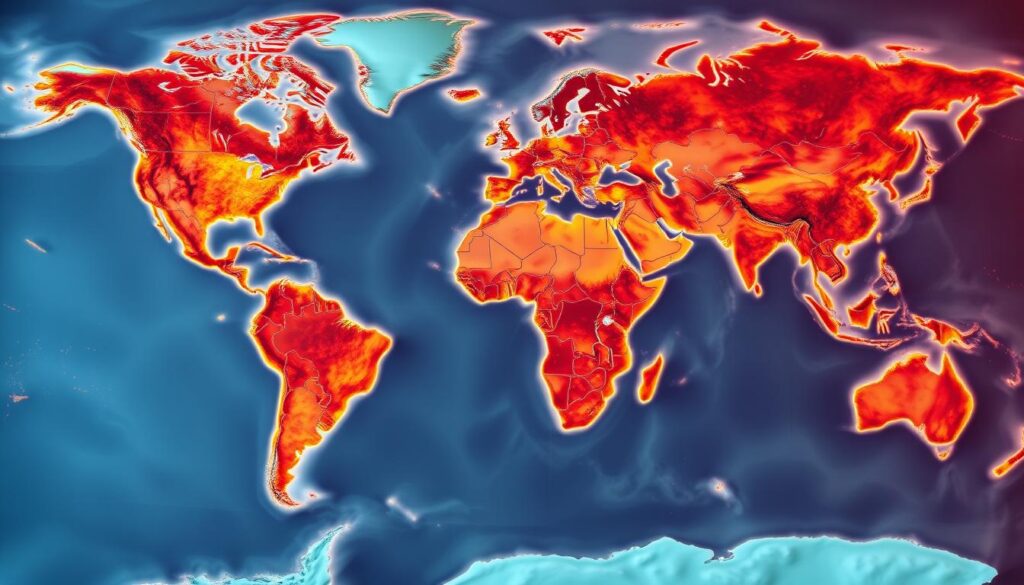
Growth Trends Over the Century
Africa’s faith landscape tells the most dramatic story. From 1900 to 2010, Protestant communities grew from 2% to over 27% of the continent’s inhabitants. This surge equals adding Germany’s entire population every five years for a century.
Latin America shows similar momentum. Brazil alone now has more Protestants than Germany’s total population. Meanwhile, China quietly hosts the world’s largest Protestant minority – estimates suggest over 60 million believers.
Regional Variations and Emerging Markets
The numbers reveal a seismic shift:
| Region | 2010 Followers | 2050 Projection |
|---|---|---|
| Sub-Saharan Africa | 300 million | 49% of global total |
| Americas | 260 million | Stable growth |
| Asia-Pacific | 140 million | Rapid expansion |
| Europe | 100 million |
Oceania’s Protestant groups grow steadily while European churches face empty pews. By 2040, half of all Protestants will likely live in Africa – a complete reversal from 1900’s demographics. This transformation reshapes everything from worship styles to global religious leadership.
Urbanization and grassroots movements fuel these changes. As traditional strongholds adapt, new spiritual capitals emerge from Nairobi to São Paulo. The numbers don’t just count believers – they map a living, breathing reformation.
Diversity Within Protestant Denominations
Imagine a spiritual mosaic where every piece tells a different story. The world of Protestant faith displays stunning variety, with over 300 distinct denominational families shaping modern religious practice. This vibrant landscape defies simple categorization.
Major Branches: Lutheran, Anglican, Baptist, and More
Pentecostal groups lead global numbers at 10.8%, followed closely by Anglicans (10.6%) and Lutherans (9.7%). Baptists claim 9% of adherents, their energetic worship style becoming synonymous with Protestant churches worldwide.
Smaller branches reveal surprising depth:
- United churches: 7.2%
- Presbyterian/Reformed: 7%
- Methodist: 3.4%
The Salvation Army and Moravians represent niche traditions, while 38.2% belong to unclassified denominations. This fragmentation reflects constant spiritual innovation.
The Rise of Evangelical and Mainline Movements
Recent decades saw evangelical groups surge as mainline churches stabilize. Grassroots movements emphasize personal conversion and scriptural authority, resonating in Africa and Latin America.
America’s religious map illustrates this shift. While hosting 20% of global Protestants, U.S. churches now balance traditional Methodists with growing nondenominational communities. This evolution proves Protestantism’s enduring adaptability across cultures and generations.
Cultural and Societal Impacts of Protestantism
Picture a world where reading was reserved for clergy and art served only religious elites. Protestant communities shattered these barriers, creating ripples that still shape modern life. Their emphasis on personal scripture study sparked literacy movements, while theological debates inspired scientific curiosity.
Influence on Art, Education, and Social Reform
Early reformers didn’t just change churches – they transformed classrooms. By 1972, 72% of American Nobel laureates came from Protestant backgrounds. These pioneers dominated scientific fields:
| Field | Protestant Laureates |
|---|---|
| Chemistry | 84.2% |
| Medicine | 60% |
| Physics | 58.6% |
This intellectual legacy stems from valuing education as spiritual duty. Sunday schools taught factory workers to read. Missionaries built universities across Africa and Asia.
The same drive fueled social change. Abolitionists quoted scripture to condemn slavery. Suffragettes found theological arguments for equality. Today, environmental groups draw from Protestant ideas about caring for creation.
From lab coats to protest signs, this faith tradition proves religion can spark progress. Its focus on individual responsibility reshaped everything from business ethics to community service – proving ideas born in 16th-century Europe still inspire global change.
Protestant Churches and Membership Trends in the United States
Once dominant, Protestant churches now navigate shifting loyalties. Recent surveys reveal surprising changes in America’s spiritual identity. The land that birthed megachurches and revival meetings faces new realities in faith participation.
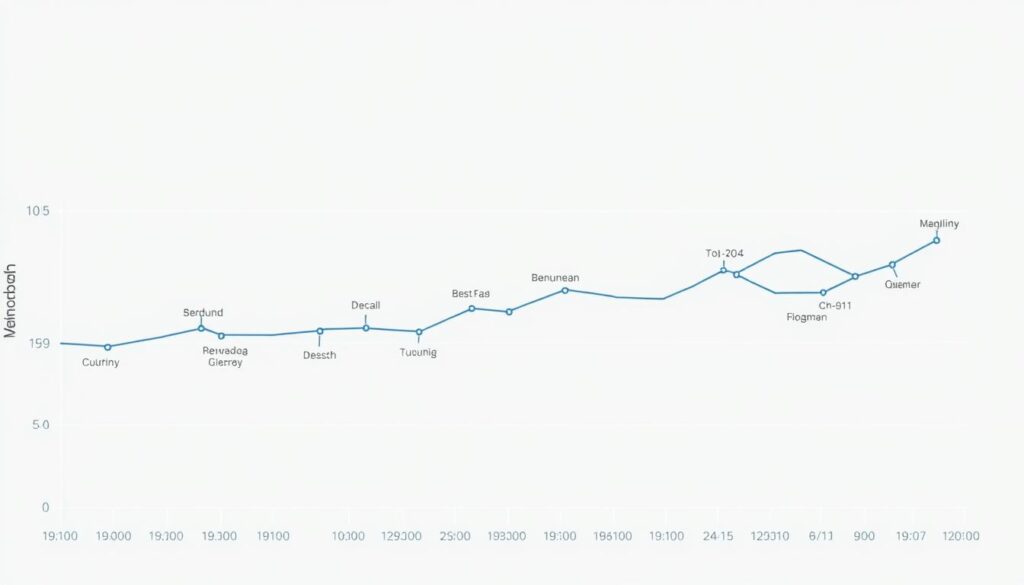
Shifts Between Traditions
Three distinct streams flow through American Protestantism today. Evangelical churches claim 55% of adherents, with Southern Baptists leading at 13.2 million members. Mainline groups like Methodists hold 32%, while Black churches maintain 14% despite demographic pressures.
Membership tells contrasting stories. Mainline denominations shrink as younger generations drift away. Evangelical and Black congregations adapt through contemporary worship and community outreach. “Our message hasn’t changed, but our methods must,” notes a Nashville pastor.
By the Numbers: America’s Protestant Profile
2019 marked a historic tipping point. Protestants dipped to 43% of Americans – losing majority status for the first time. Yet 20% of global Protestants still call the U.S. home, creating complex dynamics.
Urbanization reshapes spiritual maps. Immigrant churches flourish in cities, while rural congregations age. Generational turnover accelerates changes – 35% of young adults now claim no religious affiliation. Through these shifts, Protestant churches remain cultural anchors in many communities.
Key Factors Behind Shifts in Protestant Adherence Over Time
The mid-20th century ignited a spiritual revolution that reshaped continents. Post-war changes created perfect conditions for faith communities to expand beyond traditional strongholds. Three key forces drove this transformation: political shifts, social needs, and adaptable theology.
Regional Growth Engines
New nations emerging from colonial rule became fertile ground for spiritual movements. Africa’s independence era (1950s-1970s) saw Protestant groups grow 600% faster than population increases. Local leaders blended biblical teachings with cultural traditions, creating vibrant hybrid practices.
| Region | Growth Driver | Key Example |
|---|---|---|
| Africa | Indigenous leadership | Zimbabwe’s Apostolic Faith surge |
| Latin America | Legal reforms | Brazil’s 1980 evangelical boom |
| Asia | Urban migration | South Korean megachurches |
Latin America’s landscape shifted dramatically after governments lifted century-old restrictions. By 2000, 1 in 5 Guatemalans identified with Protestant groups. “This isn’t just conversion – it’s cultural reinvention,” observes scholar Mark Juergensmeyer.
“Popular Protestantism represents one of history’s most rapid religious transformations, matching global Islam’s expansion pace.”
Grassroots networks thrived by addressing practical needs. Literacy programs and healthcare initiatives built trust in communities seeking both spiritual hope and social progress. This dual focus continues driving growth in developing nations today.
Protestantism’s Role in Shaping Global Religious Landscapes
The spiritual map of our world is being redrawn in real time. Faith communities once concentrated in Europe now thrive across Africa, Asia, and Latin America. This shift creates new dialogues between traditions while reshaping centuries-old religious dynamics.
Comparisons with Catholicism and Other Faith Groups
While Catholicism remains Christianity’s largest Protestant counterpart, growth rates tell contrasting stories. Experts project Protestant groups could match Catholic numbers by 2050 – a first since the Reformation. This trend stems from differing approaches to cultural adaptation and grassroots expansion.
Mainline denominations like Anglicans coexist with evangelical movements in this global mosaic. Unlike centralized Catholic structures, Protestant groups often empower local leaders. This flexibility helps them resonate in diverse settings – from Brazilian favelas to Korean megacities.
Future Projections and the Evolving Religious Scene
By mid-century, over half of Christians may identify with Protestant denominations. Historian Hans J. Hillerbrand notes their growth rate triples Catholicism’s pace. Africa will likely host 49% of adherents, while Europe’s share shrinks to 14%.
This transformation impacts global religion beyond Christianity. As Protestant groups expand, they interact more with Islam, Hinduism, and others. These exchanges could redefine interfaith relations in our interconnected age.
The future promises both challenges and opportunities. Rising Pentecostal movements and historic denominations must address climate concerns and social justice. Their responses will shape not just churches, but entire societies.
FAQ
Which countries have the largest Protestant communities today?
The United States, Nigeria, Brazil, and China are among the nations with significant followings. In Africa, countries like Kenya and South Africa also have rapidly growing churches, driven by evangelical outreach and cultural adaptability.
How did the Reformation shape modern denominations?
The 16th-century Reformation, led by figures like Martin Luther and John Calvin, broke from Catholic traditions, emphasizing scripture and individual faith. This movement birthed groups like Lutherans, Anglicans, and later Baptists, shaping today’s diverse branches.
Why are regions like Africa seeing growth in churches?
High birth rates, missionary activity, and localized worship styles have fueled expansion. Evangelical and Pentecostal groups, in particular, resonate with cultural values, fostering vibrant communities across sub-Saharan Africa and Latin America.
What distinguishes Evangelical from Mainline churches?
Evangelicals prioritize scripture, personal conversion, and active evangelism, while Mainline groups (e.g., Methodists, Presbyterians) often focus on social justice and interfaith dialogue. Membership trends show Evangelicals growing faster in many regions.
How has secularization impacted Europe’s religious landscape?
Declining attendance and identification with traditional institutions reflect broader cultural shifts. However, immigrant communities and charismatic movements are revitalizing some areas, creating a complex mix of growth and decline.
What role do Black churches play in American religious life?
Historically centers of empowerment and civil rights advocacy, groups like the National Baptist Convention remain influential. They blend spiritual practices with community activism, maintaining strong membership despite broader denominational declines.
How does Protestantism compare globally to Catholicism?
While Catholicism remains centralized under the Vatican, Protestantism’s decentralized structure allows for doctrinal diversity. Growth in Africa and Asia contrasts with Catholicism’s stronghold in Latin America, though both face challenges from secularism.
Are newer movements replacing traditional denominations?
Non-denominational congregations and Pentecostal networks are rising, especially among younger generations. Their flexible structures and contemporary worship styles appeal to those seeking less formal, more experiential faith practices.