The United Methodist Church is a global community with approximately 10 million members across Africa, Asia, Europe, and the United States.
This worldwide connection is built on a rich history and a shared commitment to faith and service. With a presence in diverse regions, the church plays a significant role in the lives of its members and the broader community.
Key Takeaways
- The United Methodist Church has a global presence with 10 million members.
- The church is active in Africa, Asia, Europe, and the United States.
- It is built on a rich history and a shared commitment to faith.
- The church plays a significant role in the lives of its members.
- Its global connection is a testament to its enduring legacy.
The Origins and History of Methodism
The Methodist movement, initiated by John Wesley, has a rich history dating back to the 18th century. This significant religious revival emerged in England and later spread to America, shaping the United Methodist Church as we know it today.
John Wesley and the Methodist Movement
John Wesley, a key figure in the Methodist movement, was instrumental in its development. His evangelical beliefs and practices defined the early Methodist community.
Key Historical Figures
Other notable figures, such as Charles Wesley, John Wesley’s brother, contributed to the movement through hymn writing and preaching.
Early Methodist Practices
Early Methodists practiced small group meetings, known as “class meetings,” for spiritual growth and accountability.
From England to America: The Methodist Journey
Methodism spread to America in the 18th century, with the first Methodist society formed in New York City in 1766.
| Year | Event |
|---|---|
| 1730s | Methodist movement begins in England |
| 1766 | First Methodist society in America |
| 1968 | Formation of the United Methodist Church |
Formation of the United Methodist Church in 1968
The United Methodist Church was formed through the union of the Methodist Church and the Evangelical United Brethren Church in 1968.
Core Beliefs and Theological Foundations
Understanding the United Methodist Church requires exploring its core theological beliefs, which are deeply rooted in its history and practices. The church’s theological foundations are guided by several key principles that shape its teachings and practices.
The Wesleyan Quadrilateral
The United Methodist Church is guided by the Wesleyan Quadrilateral, a theological framework that emphasizes four primary sources of authority: scripture, tradition, reason, and experience. This quadrilateral approach provides a comprehensive understanding of God’s will.
Scripture as Primary Authority
Scripture is considered the primary authority in the United Methodist Church. The Bible is seen as the inspired word of God, guiding the church’s teachings and practices.
Role of Tradition, Reason, and Experience
In addition to scripture, the church values tradition, drawing on the historical teachings and practices of the Christian faith. Reason is also considered essential, as it allows for the thoughtful interpretation of scripture and tradition. Furthermore, personal experience plays a crucial role, as individuals reflect on their faith and its application in their lives.
Grace-Centered Theology
The United Methodist Church is characterized by a grace-centered theology, emphasizing God’s unconditional love and grace towards humanity. This theology is rooted in the teachings of John Wesley, who stressed the importance of grace in Christian living.
Social Principles and Justice
The church is also committed to social principles and justice, advocating for the rights and dignity of all people. This commitment is reflected in its various social justice initiatives and advocacy efforts, guided by the principles of love, justice, and compassion.
Understanding the United Methodist Church Structure
Understanding the organizational framework of the United Methodist Church is crucial for its members. The church is organized into a hierarchical structure that facilitates its operations and mission.
Local Churches and Districts
The foundation of the United Methodist Church lies in its local churches, which are grouped into districts. These local churches are the primary units where members gather for worship, community service, and spiritual growth.
Annual Conferences and Jurisdictions
Local churches are further organized into annual conferences, which are grouped into jurisdictions. Annual conferences play a crucial role in the church’s governance, overseeing the ordination of clergy and the allocation of resources.
The General Conference and Global Connection
The General Conference is the highest legislative body of the United Methodist Church, meeting every four years to make decisions on church policies and direction. It represents the global connection of the church, bringing together delegates from around the world.
Decision-Making Processes
Decision-making in the United Methodist Church involves a representative system, where delegates are elected to represent their conferences at higher-level gatherings, such as the General Conference.
Representation System
The representation system ensures that various voices within the church are heard. It includes clergy and lay members, providing a balanced approach to decision-making.
The United Methodist Church’s structure is designed to support its mission and facilitate global connection among its members. Understanding this structure is key to participating fully in the church’s life and work.
How to Experience Methodist Worship Services
The Methodist tradition of worship is characterized by its emphasis on participatory and inclusive services. Methodist worship services typically blend traditional and contemporary elements, creating a rich and engaging experience for attendees.
Sunday Worship Format and Elements
Understanding the format of a typical Sunday worship service can help newcomers feel more comfortable and engaged. The service usually follows a structured order, with elements that encourage participation from the congregation.
Order of Service
The order of service in a Methodist church generally includes:
- Welcome and greeting
- Prayer and invocation
- Hymns and worship songs
- Scripture readings
- Sermon or message
- Creeds or affirmations of faith
- Offering or collection
- Communion or Eucharist (on some Sundays)
- Blessing or benediction
Participatory Elements
Methodist worship encourages active participation from the congregation. This can include:
- Responsive readings
- Congregational hymns and songs
- Shared prayers
- Joining in creeds or affirmations
Special Services Throughout the Christian Year
Methodist churches observe various special services and celebrations throughout the Christian year, including:
| Season | Description | Typical Services |
|---|---|---|
| Advent | A period of preparation for Christmas | Special Advent wreath lighting services |
| Lent | A season of reflection leading up to Easter | Lenten prayer services, Ash Wednesday |
| Easter | Celebration of the Resurrection | Sunrise services, special Easter music |
| Christmas | Celebration of the birth of Jesus | Candlelight services, Christmas Eve services |
Music and Liturgy in Methodist Tradition
Music plays a vital role in Methodist worship, with a rich tradition of hymnody and liturgical music. The use of hymns, contemporary songs, and liturgical elements like litanies and responsive readings enhances the worship experience.
By understanding these elements, visitors can more fully engage with the worship service and feel a part of the community.
Understanding United Methodist Sacraments
The United Methodist Church practices two essential sacraments that are central to the faith journey. These sacraments, Baptism and Holy Communion, are significant rituals that symbolize God’s grace and love.
How Baptism is Practiced
Baptism in the United Methodist Church is a sacrament that welcomes individuals into the community of faith. It is performed with water, symbolizing spiritual rebirth.
Infant and Adult Baptism
The United Methodist Church practices both infant and adult baptism, believing that God’s grace is present in both. Infant baptism represents the covenant between God and the child’s family, while adult baptism is a personal declaration of faith.
Meaning and Symbolism
Baptism symbolizes the cleansing of sin and the new life in Christ. It is a powerful symbol of God’s love and acceptance.
Participating in Holy Communion
Holy Communion, also known as the Lord’s Supper, is a sacrament where believers participate in the body and blood of Christ through bread and wine (or grape juice). It is a ritual that fosters spiritual nourishment and unity among believers.
Other Important Rituals and Ceremonies
Apart from Baptism and Holy Communion, the United Methodist Church observes other significant rituals such as confirmation, marriage, and funerals, which are integral to the life cycle and spiritual journey of its members.
| Sacrament | Significance | Elements |
|---|---|---|
| Baptism | Welcoming into the faith community | Water |
| Holy Communion | Spiritual nourishment and unity | Bread and Wine/Grape Juice |
How to Find a United Methodist Church Near You
Discovering a United Methodist Church near you can be a straightforward process with the correct guidance. The United Methodist Church offers various resources to help you locate a local congregation.
Using the UMC Church Locator Tool
The United Methodist Church website provides a church locator tool that allows you to find a local church by entering your location or zip code. This tool is designed to make it easy for you to discover nearby congregations.
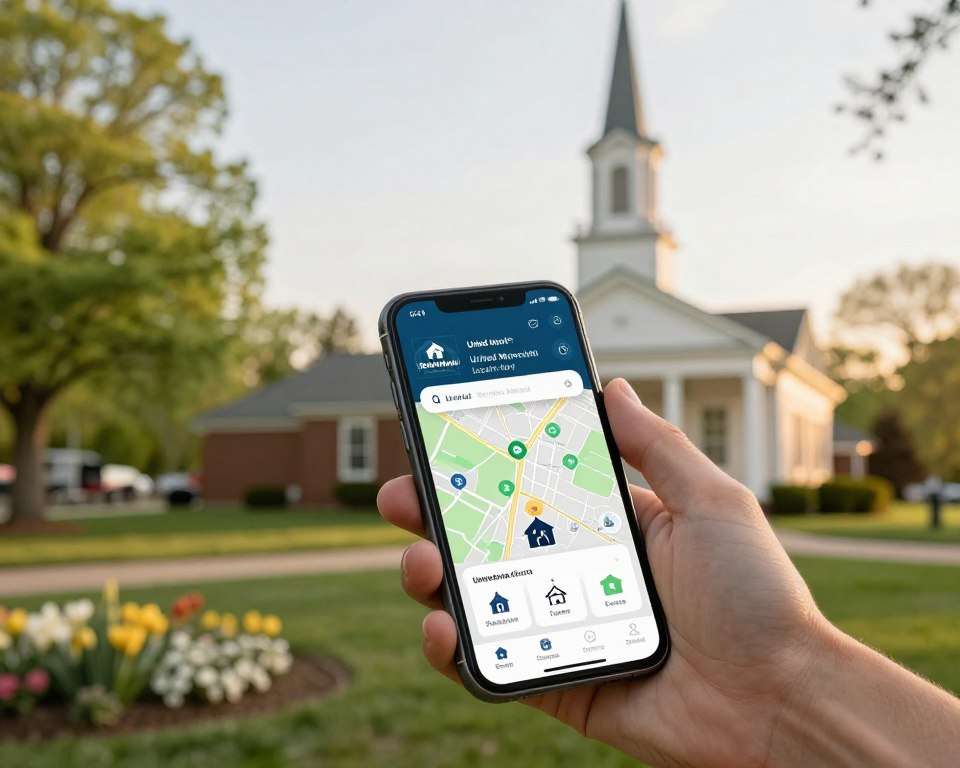
Researching Congregation Characteristics
Once you’ve identified potential churches using the locator tool, you can research their characteristics. Many churches provide information about their worship styles, community programs, and ministries on their websites or through local directories.
Preparing for Your First Visit
Before attending a service, it’s helpful to know what to expect. You can start by checking the church’s website or contacting them directly.
What to Expect
When visiting a United Methodist Church, you can typically expect a welcoming atmosphere, a traditional or contemporary worship service, and opportunities to meet new people.
Common Questions for Newcomers
Newcomers often have questions about the church’s beliefs, practices, and community. Don’t hesitate to ask church members or leaders for information.
| Church Feature | Description |
|---|---|
| Worship Style | Traditional or contemporary services |
| Community Programs | Various outreach and social programs |
| Ministries | Youth, adult, and family ministries |
Steps to Becoming a Member of the United Methodist Church
Becoming a member of the United Methodist Church involves a series of steps that help individuals understand and embrace the denomination’s beliefs and practices. This process is designed to foster a deeper connection with the community and to clarify the commitments involved in membership.
Attending Membership Classes
One of the initial steps towards becoming a member is attending membership classes. These classes provide an in-depth look at the beliefs, practices, and expectations of the United Methodist Church.
Topics Covered in Classes
- The history and theology of the United Methodist Church
- The significance of sacraments and worship practices
- The role of members within the church community
- The church’s stance on social issues and community service
Length and Format
The length and format of these classes can vary by church, but they typically last several weeks and include discussions, presentations, and sometimes guest speakers.
Understanding the Membership Vows
During the membership process, individuals are asked to affirm certain membership vows. These vows include commitments to:
- Renege on evil and profess faith in Jesus Christ
- Participate in worship and sacraments
- Support the church through service and financial stewardship
Transferring Membership from Other Denominations
For those coming from other denominations, the process involves transferring membership. This typically requires a letter of transfer from the previous church and a conversation with the pastor or church leadership.
By following these steps, individuals can become meaningful members of the United Methodist Church, engaging fully with the community and its mission.
How to Participate in United Methodist Ministries
The United Methodist Church offers a diverse range of ministries that cater to various age groups and interests. These ministries provide opportunities for spiritual growth, community service, and fellowship.
Getting Involved in Children and Youth Programs
The United Methodist Church has a strong commitment to nurturing the spiritual development of children and youth. Programs such as Sunday school, youth groups, and summer camps are available for young people.
Joining Adult Education and Small Groups
Adult education and small groups offer a chance to deepen your understanding of faith and connect with others. These groups may focus on Bible study, prayer, or community service.
Contributing to Music and Worship Arts
Music and worship arts play a vital role in United Methodist worship. Opportunities to contribute include:
Choir and Musical Opportunities
Joining the choir or participating in other musical ensembles can be a meaningful way to serve.
Technical and Creative Roles
Technical and creative roles, such as sound and lighting, are also essential to worship services.
| Ministry | Description | Age Group |
|---|---|---|
| Children’s Sunday School | Spiritual education for children | Children |
| Youth Group | Fellowship and service for youth | Youth |
| Adult Bible Study | In-depth Bible study for adults | Adults |
| Choir | Musical worship participation | All Ages |
By participating in these ministries, you can deepen your faith, serve the community, and connect with others.
Guide to United Methodist Church Mission Work
Mission work is a cornerstone of the United Methodist Church’s activities, encompassing local community outreach and global partnerships. The church is involved in a wide range of initiatives aimed at serving those in need, both within the United States and around the world.
Engaging in Local Community Outreach
The United Methodist Church places a strong emphasis on local community outreach. This includes food banks, homeless shelters, and other programs designed to support vulnerable populations. By engaging in local outreach, the church is able to make a tangible difference in the lives of individuals and families.
Participating in National Service Opportunities
Beyond local outreach, the United Methodist Church also participates in national service opportunities. This can include disaster response efforts, community development projects, and advocacy for social justice. Through these initiatives, the church is able to address broader social issues and support communities across the country.
Supporting Global Missions and Partnerships
The United Methodist Church is also committed to supporting global missions and partnerships. This involves working with churches and organizations in other countries to promote development, provide humanitarian aid, and foster peace and understanding.
UMCOR Disaster Response
One key aspect of the church’s global mission work is its disaster response efforts, led by the United Methodist Committee on Relief (UMCOR). UMCOR provides critical assistance to communities affected by natural disasters and other crises, helping them to recover and rebuild.
Long-term Mission Partnerships
In addition to disaster response, the United Methodist Church also engages in long-term mission partnerships. These partnerships involve collaboration with churches and communities over an extended period, supporting sustainable development and empowering local leaders.
As the United Methodist Church continues its mission work, it remains committed to serving others and promoting justice and compassion. Through its various initiatives, the church is making a positive impact on communities around the world.
“The mission of the church is to make disciples of Jesus Christ for the transformation of the world.” This statement encapsulates the United Methodist Church’s commitment to mission work, both locally and globally.
| Type of Mission Work | Description | Examples |
|---|---|---|
| Local Community Outreach | Programs and services aimed at supporting local communities. | Food banks, homeless shelters |
| National Service Opportunities | Initiatives that address broader social issues across the country. | Disaster response, advocacy for social justice |
| Global Missions and Partnerships | Collaboration with international partners to promote development and provide aid. | UMCOR disaster response, long-term mission partnerships |
The United Methodist Church’s Approach to Social Issues
The United Methodist Church’s approach to social issues is rooted in its historical commitment to creating a more just society. This commitment is guided by the church’s Social Principles, which serve as a moral compass for addressing various social concerns.
Historical Commitment to Social Justice
The United Methodist Church has a long history of advocating for social justice, dating back to the teachings of John Wesley. Wesley’s emphasis on social holiness and the pursuit of justice continues to influence the church’s stance on contemporary social issues.
Understanding Current Social Principles
The United Methodist Church’s Social Principles are reviewed and updated periodically to reflect the changing landscape of social issues. These principles address a wide range of topics, including human rights, environmental stewardship, and economic justice.
| Social Principle | Description |
|---|---|
| Human Rights | Advocacy for the dignity and rights of all individuals, regardless of race, gender, or socioeconomic status. |
| Environmental Stewardship | Promoting responsible care for the earth and its resources. |
| Economic Justice | Working towards fair economic practices and opportunities for all. |
How to Engage in Faithful Dialogue
Engaging in faithful dialogue about social issues requires a commitment to listening, understanding, and empathy. The United Methodist Church encourages its members to participate in discussions about social issues, guided by the principles of respect and open-mindedness.
Resources for Discussion
The church provides various resources to facilitate discussions on social issues, including study guides and online materials.
Creating Safe Spaces for Conversation
Creating safe and inclusive environments for conversation is crucial. This involves fostering a culture of respect and empathy, where individuals feel comfortable sharing their perspectives.
Financial Stewardship in Methodist Life
The practice of financial stewardship is deeply rooted in Methodist beliefs, guiding adherents in their giving habits. Financial stewardship encompasses various aspects, including tithing, church budget allocation, and special offerings, all of which play crucial roles in supporting the mission and ministries of the United Methodist Church.
Practicing Tithing and Giving
Tithing and giving are fundamental to Methodist financial stewardship. The concept of tithing involves giving a tenth of one’s income to support the church and its activities. Methodists are encouraged to view their giving as an act of worship and a demonstration of their commitment to their faith.
- Giving is seen as a way to honor God and support the community.
- Regular giving helps in planning and executing church programs and missions.
Understanding Church Budget Allocation
The allocation of the church budget is a critical aspect of financial stewardship. It involves distributing funds to various areas such as local ministries, community outreach programs, and global missions.
Contributing to Special Offerings
Special offerings are an essential part of Methodist giving, supporting specific causes and initiatives beyond the regular budget.
Apportionments System
The apportionments system is a method used by the United Methodist Church to distribute funds to different levels of the church, including local churches, annual conferences, and general church programs.
Designated Giving Options
Designated giving allows individuals to contribute to specific causes or projects within the church, providing flexibility and personal involvement in giving.
By practicing financial stewardship, Methodists can actively participate in the life and mission of their church, supporting both local and global initiatives.
How to Take on Leadership Roles as a Layperson
The United Methodist Church empowers its lay members to take on crucial leadership roles, fostering a sense of community and shared responsibility. This approach not only enriches the church’s activities but also provides laypersons with opportunities for personal and spiritual growth.
Serving on Church Committees
One of the primary ways laypersons can take on leadership roles is by serving on church committees. These committees are responsible for various aspects of church life, including finance, outreach, and worship. By joining a committee, lay members can contribute their skills and experience to support the church’s mission.
Becoming a Certified Lay Servant
Becoming a Certified Lay Servant is another significant leadership role. Certified Lay Servants are trained and equipped to provide leadership in local churches, often focusing on areas such as worship, education, and community outreach. This role requires a commitment to ongoing training and service.
Pursuing Certified Lay Ministry
For those seeking a more in-depth leadership role, Certified Lay Ministry is an option. This involves advanced training and a deeper commitment to serving the church. Certified Lay Ministers can lead worship, provide pastoral care, and engage in various ministry activities.
Training Requirements
The training for Certified Lay Ministry typically includes coursework in theology, biblical studies, and practical ministry skills. This comprehensive training prepares individuals for the demands and opportunities of lay ministry.
Service Opportunities
Certified Lay Ministers have a wide range of service opportunities, from leading small groups to participating in church-wide initiatives. Their role is crucial in supporting the church’s overall mission and in providing leadership in various contexts.
By taking on these leadership roles, laypersons can make a meaningful difference in the United Methodist Church, contributing to its vitality and growth.
The Path to Ordained Ministry in the United Methodist Church
Becoming an ordained minister in the United Methodist Church is a multifaceted process that begins with discerning a call to ministry. This journey is deeply personal and involves a commitment to serving others through the church.
Discerning a Call to Ministry
The first step in the path to ordained ministry is discerning a call to serve. This involves a period of reflection and prayer, often guided by church leaders and mentors. As John Wesley, the founder of Methodism, once emphasized the importance of a personal calling to ministry.
“You are called to this very thing—to be a Methodist, to be one of those who, having received the grace of God in Christ, do not ‘waste the grace’ in vain.”
Completing Education Requirements
Once the call to ministry is discerned, the next step involves completing the necessary education requirements. This typically includes earning a Master of Divinity degree from a seminary approved by the United Methodist Church.
Navigating the Ordination Process
The ordination process in the United Methodist Church involves several stages.
Commissioning Phase
During the commissioning phase, candidates are recognized for their call to ministry and begin their journey towards ordination. This phase is crucial for preparing them for the responsibilities of ministry.
Full Connection and Ordination
The final stage is full connection and ordination, where candidates are ordained as elders or deacons in the United Methodist Church. This is a significant milestone, marking their commitment to a lifetime of service.
| Stage | Description |
|---|---|
| Discerning a Call | Reflection and prayer guided by church leaders |
| Education | Earning a Master of Divinity degree from an approved seminary |
| Commissioning | Recognition of call to ministry and preparation for ordination |
| Full Connection and Ordination | Ordination as elder or deacon |
Current Challenges and Future Directions
As the United Methodist Church navigates the complexities of the modern world, it must address several pressing issues. The church is currently grappling with various challenges that will shape its future direction.
Understanding Denominational Discussions
The United Methodist Church is engaged in ongoing discussions about its future, including debates on doctrine, polity, and social issues. These discussions are crucial in determining the church’s stance on various matters and its overall direction.
Adapting to Cultural Changes
The church must also adapt to the changing cultural landscape. This includes being responsive to the needs of a diverse congregation and engaging with the broader community.
- Embracing diversity and inclusivity
- Addressing social justice issues
- Utilizing technology to enhance ministry
Vision for the Church’s Next Chapter
The United Methodist Church is looking towards the future, envisioning a church that is vibrant, inclusive, and effective in its mission.
Renewal Movements
Renewal movements within the church are seeking to revitalize and rejuvenate the denomination, promoting a more dynamic and engaged congregation.
Innovation in Ministry
Innovation in ministry is crucial for the church’s future. This includes exploring new forms of worship, community engagement, and discipleship.
Conclusion: Embracing Your Journey with the Methodist Faith
As we conclude our exploration of the United Methodist Church, it’s clear that the Methodist faith offers a rich and diverse spiritual journey. With its roots in the teachings of John Wesley, the church has evolved into a global community that values grace, justice, and compassion.
Your journey with Methodism can be a deeply personal and meaningful one. Whether you’re seeking a community to worship with, a framework for understanding your faith, or opportunities to serve others, the United Methodist Church provides a welcoming and inclusive environment.
As you continue on your spiritual path, consider how you can engage with the Methodist faith in a way that resonates with you. You might participate in a local church’s ministries, explore the church’s social principles, or simply attend a worship service to experience the community firsthand.
By embracing your journey with the Methodist faith, you’ll become part of a larger story that spans centuries and crosses cultures. You’ll be connected to a global community that’s committed to making a positive difference in the world.
FAQ
What is the United Methodist Church?
The United Methodist Church is a global Protestant denomination with a rich history and diverse presence, rooted in the teachings of John Wesley and the Methodist movement.
What are the core beliefs of the United Methodist Church?
The United Methodist Church is guided by the Wesleyan Quadrilateral, which includes scripture, tradition, reason, and experience, and is centered on grace-centered theology and a commitment to social principles and justice.
How is the United Methodist Church organized?
The United Methodist Church is organized into local churches, districts, annual conferences, jurisdictions, and the General Conference, with a connectional system that facilitates global connection and decision-making.
What happens during a typical United Methodist worship service?
A typical United Methodist worship service includes elements such as prayer, scripture reading, sermon, and Holy Communion, with variations depending on the congregation and occasion.
What sacraments are practiced by the United Methodist Church?
The United Methodist Church practices two sacraments: Baptism and Holy Communion, which are considered essential elements of Christian worship and discipleship.
How can I find a United Methodist Church near me?
You can use the UMC Church Locator Tool to find a United Methodist Church near you, and research congregation characteristics to find a community that suits your needs.
How do I become a member of the United Methodist Church?
To become a member, attend membership classes, understand the membership vows, and participate in the confirmation or reception process, which may vary depending on the local church.
What opportunities are available for involvement in United Methodist ministries?
The United Methodist Church offers various ministries, including children and youth programs, adult education, music and worship arts, and community outreach, providing opportunities for service and growth.
How does the United Methodist Church approach social issues?
The United Methodist Church is committed to social justice, guided by its Social Principles, and encourages faithful dialogue and engagement on issues such as human rights, environmental stewardship, and community development.
What is the role of financial stewardship in Methodist life?
Financial stewardship is essential in Methodist life, involving practices such as tithing and giving, understanding church budget allocation, and contributing to special offerings that support local and global missions.
How can I take on leadership roles within the United Methodist Church?
You can take on leadership roles by serving on church committees, becoming a certified lay servant, or pursuing certified lay ministry, which can help you grow in faith and service.
What is the process for becoming an ordained minister in the United Methodist Church?
To become an ordained minister, you must discern a call to ministry, complete education requirements, and navigate the ordination process, which involves evaluation, candidacy, and commissioning.
What are the current challenges and future directions of the United Methodist Church?
The United Methodist Church is addressing denominational discussions, adapting to cultural changes, and envisioning its next chapter, with a focus on remaining faithful to its mission and values.
How can I get involved in United Methodist mission work?
You can engage in local community outreach, participate in national service opportunities, and support global missions and partnerships, which are essential to the church’s mission and ministry.
What is the significance of the Wesleyan Quadrilateral in United Methodist theology?
The Wesleyan Quadrilateral is a foundational theological framework that guides United Methodist understanding of scripture, tradition, reason, and experience, shaping the church’s approach to faith and practice.