The United Methodist Church is driven by a profound purpose: to make disciples of Jesus Christ for the transformation of the world. This core objective is rooted in the church’s core values and is a guiding principle for its activities.
As outlined in the Book of Discipline, the church’s mission is centered on creating a community of faith that is committed to serving others and spreading the message of Jesus Christ. By understanding the methodist church vision statement, one can grasp the full scope of the church’s goals and aspirations.
Key Takeaways
- The United Methodist Church’s primary mission is to make disciples of Jesus Christ.
- The church’s core values drive its purpose and activities.
- The Book of Discipline outlines the church’s mission and guiding principles.
- The methodist church vision statement provides insight into its goals and aspirations.
- The church is committed to serving others and spreading the message of Jesus Christ.
Introduction to the United Methodist Church
The United Methodist Church is a global denomination with a rich history and a strong commitment to its core beliefs. As a faith community, it seeks to follow the teachings of Jesus Christ and promote spiritual growth among its members.
Overview of the Denomination
The United Methodist Church affirms that Jesus Christ is the Son of God, the Savior of the world, and the Lord of all (¶ 121, The Churches: Book of Discipline, Section 1). This core belief is central to its theology and practices. The church is known for its emphasis on social justice, compassion, and community service, reflecting its commitment to living out its faith in practical ways.
The denomination’s core values include a strong emphasis on scripture, tradition, and reason in understanding and applying Christian teachings. This approach allows for a nuanced and thoughtful engagement with contemporary issues.
Historical Context of Its Formation
The United Methodist Church has its roots in the 18th-century Wesleyan movement, founded by John Wesley. The movement emphasized personal holiness, evangelism, and social justice. Over time, the denomination has evolved, but its core commitment to these principles has remained a constant driving force.
The historical context of the United Methodist Church’s formation is marked by its response to the social and religious needs of its time. This legacy continues to shape its beliefs and practices today, as it seeks to remain relevant and faithful to its founding principles.
Core Beliefs of the United Methodist Church
Understanding the core beliefs of the United Methodist Church requires delving into its Wesleyan theology and the significant role of scripture and tradition. The church’s theological foundation is rooted in the teachings of John Wesley and other spiritual forebears, shaping its mission and practices.
Understanding Wesleyan Theology
Wesleyan theology, named after John Wesley, emphasizes the importance of personal faith, evangelism, and social justice. It is characterized by an emphasis on the grace of God, the authority of Scripture, and the role of reason and experience in interpreting faith.
Key Principles of Wesleyan Theology:
- Salvation by faith through grace
- The authority and sufficiency of Scripture
- The importance of personal holiness and social justice
The Role of Scripture and Tradition
The United Methodist Church places a high value on both scripture and tradition. Scripture is seen as the primary source of authority, while tradition provides a framework for understanding and interpreting scripture in the context of the church’s history and practices.
| Aspect | Scripture | Tradition |
|---|---|---|
| Authority | Primary source of doctrine and practice | Provides historical context and interpretation |
| Role in Worship | Central to worship services and personal devotion | Influences liturgy and worship practices |
As stated in The Churches: Book of Discipline, Section 1, “John Wesley, Phillip Otterbein, Jacob Albright, and our other spiritual forebears understood this mission in this way” (¶ 121), highlighting the importance of understanding the church’s historical and theological roots.
The United Methodist Church Mission Statement Explained
The United Methodist Church’s mission is succinctly captured in its mission statement, which provides direction for its various ministries and initiatives. The mission statement reads:
“The mission of the Church is to make disciples of Jesus Christ for the transformation of the world.”
This statement, as outlined in ¶ 120 ofThe Book of Discipline, Section 1, serves as the foundation for the church’s activities and outreach programs.
Unpacking the Mission Statement
To understand the depth of the United Methodist Church’s mission, it’s essential to break down the key elements of its mission statement. The statement is composed of two primary parts: making disciples of Jesus Christ and transforming the world.
- Making Disciples of Jesus Christ: This involves spreading the teachings of Jesus Christ and nurturing individuals in their faith journey. It encompasses various activities, including evangelism, education, and community service.
- Transformation of the World: The ultimate goal is not just to grow the church but to bring about positive change in society. This includes addressing social injustices, promoting peace, and caring for the environment.
Key Components of the Mission
The United Methodist Church’s mission statement is not just a declaration; it’s a call to action that guides its global impact and community engagement. Some of the key components that drive this mission include:
- Evangelism and Witness: Sharing the message of Jesus Christ with others, both locally and globally.
- Compassionate Ministry: Providing aid and support to those in need, reflecting the love of Christ.
- Justice and Advocacy: Standing up for the rights of the marginalized and working towards a more just society.
- Community Building: Fostering a sense of community among its members and beyond, through various fellowship programs and activities.
By understanding and embracing its mission statement, the United Methodist Church is able to stay focused on its core objectives, making a meaningful difference in the lives of individuals and communities worldwide.
Community Engagement and Outreach Programs
Community engagement is at the heart of the United Methodist Church’s mission, driving its efforts to serve communities locally and globally. The church seeks to fulfill its global mission through the Spirit-given servant ministries of all Christians, both lay and clergy, as stated in The Book of Discipline.
Local Initiatives and Their Impact
The United Methodist Church is involved in various local initiatives that aim to address the needs of the community. These initiatives include food banks, homeless shelters, and educational programs, which are crucial for supporting vulnerable populations.
- Providing assistance to those in need through food drives and clothing donations.
- Operating shelters and providing services for the homeless.
- Offering educational programs, including literacy classes and youth mentorship.
These local initiatives not only provide immediate relief but also work towards long-term solutions to social issues, embodying the church’s commitment to compassionate service.
“The Church seeks to fulfill its global mission through the Spirit-given servant ministries of all Christians, both lay and clergy.” – The Book of Discipline, Section 1, ¶ 123
Global Missions and Partnerships
Beyond local communities, the United Methodist Church is actively engaged in global missions and partnerships. These efforts are designed to address global challenges and support communities worldwide.
The church collaborates with international organizations and other denominations to:
- Provide disaster relief and humanitarian aid.
- Support development projects, such as clean water initiatives and healthcare programs.
- Promote peace and reconciliation in conflict areas.
Through these global missions, the United Methodist Church demonstrates its commitment to being a global force for good, living out its mission to “make disciples of Jesus Christ for the transformation of the world.”
Social Justice and Advocacy
Social justice is a cornerstone of the United Methodist Church’s teachings, guiding its actions and advocacy efforts. As servants of Christ, the church is called to engage in the struggle for justice and reconciliation, as stated in The Book of Discipline (¶ 124).
The United Methodist Church’s commitment to social justice is multifaceted, involving various initiatives aimed at addressing inequality and injustice. This includes advocating for the rights of marginalized communities and promoting systemic change.
Addressing Inequality and Injustice
The church recognizes that inequality and injustice are pervasive issues that affect individuals and communities worldwide. To combat these challenges, the United Methodist Church has implemented several key strategies:
- Advocating for policy changes at local, national, and international levels to promote fairness and equality.
- Supporting community-based initiatives that address the root causes of inequality and injustice.
- Providing education and resources to empower individuals and communities to advocate for their rights.
These efforts are guided by the church’s commitment to social justice, ensuring that all individuals are treated with dignity and respect.
Advocacy for Marginalized Communities
A critical aspect of the United Methodist Church’s social justice efforts is its advocacy for marginalized communities. This includes:
- Supporting initiatives that promote the rights and well-being of women, children, and minorities.
- Engaging in advocacy campaigns to address systemic injustices and promote policy changes.
- Providing resources and support to communities affected by inequality and injustice.
Through these efforts, the United Methodist Church demonstrates its commitment to creating a more just and equitable society. By advocating for marginalized communities, the church lives out its mission to serve as a voice for those who are often unheard.
The United Methodist Church’s advocacy for social justice is not limited to local communities; it also engages in global missions and partnerships to address inequality and injustice worldwide.
Spiritual Growth and Discipleship
At the heart of the United Methodist Church’s teachings is the commitment to nurturing persons in Christian living through various means, including worship, the sacraments, spiritual disciplines, and other means of grace, as outlined in The Book of Discipline (¶ 122, Section 1). This foundational principle underscores the church’s emphasis on spiritual growth and discipleship.
Resources for Personal Development
The United Methodist Church offers a variety of resources to support personal spiritual development. These include:
- Spiritual Disciplines: Practices such as prayer, fasting, and Bible study are encouraged as means to deepen one’s faith.
- Worship and Sacraments: Participation in worship services and sacraments like communion are considered essential for spiritual nourishment.
- Study Materials: The church provides various study resources, including Bible studies and devotionals, to guide individuals in their spiritual journeys.
These resources are designed to be accessible, allowing members to engage in personal development at their own pace and according to their needs.
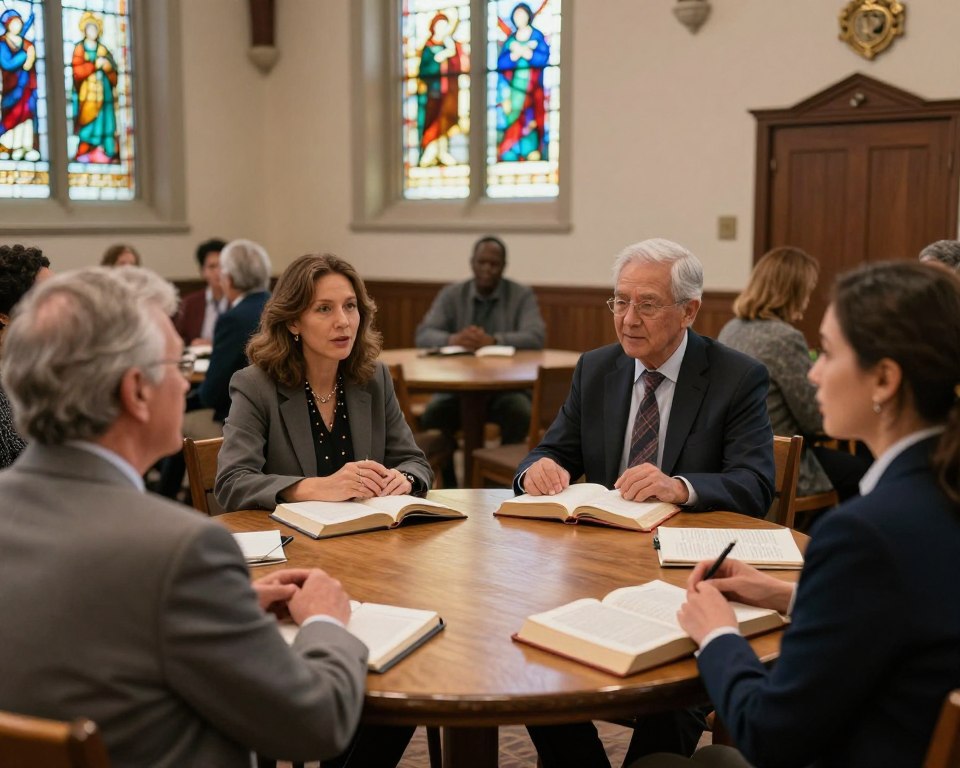
Importance of Small Group Ministries
Small group ministries play a crucial role in the United Methodist Church’s approach to spiritual growth and discipleship. These groups provide a supportive community where members can share their experiences, pray together, and study scripture. The importance of small group ministries lies in their ability to:
- Foster Community: By gathering in small groups, members form meaningful connections with one another.
- Enhance Spiritual Growth: Through shared study and discussion, participants deepen their understanding of their faith.
- Provide Support: Small groups offer a network of support, where members can encourage and pray for one another.
By combining personal development resources with the communal aspect of small group ministries, the United Methodist Church creates a comprehensive approach to spiritual growth and discipleship.
The Role of Worship in the Mission
At the heart of the United Methodist Church’s mission is a vibrant worship life that fosters connection and spiritual development among its members. Worship is a multifaceted expression that encompasses various forms of services, all aimed at creating an inclusive and diverse community.
Types of Worship Services Offered
The United Methodist Church offers a range of worship services to cater to different preferences and needs within its community. These include traditional services that follow a liturgical format, contemporary services that incorporate modern music and elements, and special services for holidays and significant events.
Worship services are designed to be welcoming, ensuring that all members feel included and valued.
Emphasis on Inclusivity and Diversity
Inclusivity and diversity are core principles in the worship services of the United Methodist Church. The church strives to create an environment where everyone feels at home, regardless of their background or identity.
| Aspect | Description |
|---|---|
| Inclusivity | Worship services are designed to be accessible to all, promoting a sense of belonging. |
| Diversity | A variety of worship styles and elements are incorporated to reflect the diverse makeup of the congregation. |
As stated in The Book of Discipline, “We are called together for worship and fellowship and for the upbuilding of the Christian community” (¶ 124, Section 1). This underscores the importance of worship in fostering a sense of community and spiritual growth.
Connecting with The United Methodist Church
Embracing the spirit of connection and service, the United Methodist Church provides avenues for individuals to engage locally and virtually. United Methodists throughout the world are bound together in a connectional covenant, as stated in The Book of Discipline (¶ 125, The Churches: Book of Discipline, Section 1).
How to Get Involved Locally
Getting involved locally is a great way to experience the mission of the United Methodist Church firsthand. Local churches offer various ministries and activities that cater to different interests and age groups. Whether it’s through community service, educational programs, or worship services, there’s a place for everyone to contribute and grow.
- Find a local United Methodist Church and visit their website or attend a service to learn more about their ministries.
- Participate in community outreach programs that address local needs such as food banks, shelters, and youth programs.
- Join a small group or Bible study to deepen your faith and connect with others.

Opportunities for Virtual Participation
For those who cannot be physically present or prefer to participate online, the United Methodist Church offers several opportunities for virtual engagement. From online worship services to virtual small groups and mission work, individuals can stay connected and serve from anywhere.
- Attend online worship services and watch live streams or recorded services on the church’s website or social media platforms.
- Join virtual Bible studies, prayer groups, or other online ministries that align with your interests.
- Participate in global missions and advocacy campaigns through the church’s online platforms.
By engaging locally and virtually, individuals can be part of the United Methodist Church’s mission to spread love, compassion, and justice. Whether you’re looking to deepen your faith, serve others, or connect with a community, there are numerous ways to get involved and make a difference.
Conclusion: Living the Mission Every Day
The United Methodist Church’s mission is not just a statement; it’s a call to action that guides daily practice and community involvement. At its core, the church is committed to crossing boundaries of language, culture, and social or economic status, as outlined in The Book of Discipline.
This commitment is reflected in the church’s community outreach programs, which aim to address the needs of local and global communities. By living the mission every day, members of the United Methodist Church can make a meaningful difference in the lives of others.
Putting Faith into Action
To live the mission, individuals can start by engaging in daily practices that reflect the church’s values. This can include volunteering for community outreach programs, participating in worship services, and advocating for social justice.
Joining a Community of Faith
For those looking to get involved, the United Methodist Church offers various opportunities for community engagement. By joining a local church or participating in online communities, individuals can connect with others who share their commitment to living the mission.
The united methodist church mission statement serves as a guiding force for these efforts, inspiring members to embody the church’s values in their daily lives. Through methodist church community outreach and a deepening commitment to living the mission, the United Methodist Church continues to make a positive impact.
FAQ
What is the United Methodist Church’s mission statement?
The United Methodist Church’s mission statement is to make disciples of Jesus Christ for the transformation of the world.
What are the core beliefs of the United Methodist Church?
The United Methodist Church is rooted in Wesleyan theology, emphasizing the importance of scripture, tradition, and reason. The church believes in the Trinity and the divinity of Jesus Christ.
What is the significance of the United Methodist Church’s community outreach programs?
The United Methodist Church’s community outreach programs aim to serve others and make a positive impact locally and globally, demonstrating the church’s commitment to living out its mission.
How does the United Methodist Church approach social justice and advocacy?
The United Methodist Church is committed to addressing inequality and injustice, advocating for marginalized communities, and promoting social justice initiatives.
What resources does the United Methodist Church offer for spiritual growth and discipleship?
The United Methodist Church provides resources for personal development, including small group ministries, to support individuals in their spiritual journeys.
What types of worship services are offered by the United Methodist Church?
The United Methodist Church offers a variety of worship services, emphasizing inclusivity and diversity, to meet the needs of its diverse congregation.
How can I get involved with the United Methodist Church locally?
To get involved locally, you can visit a nearby United Methodist Church, contact the church office, or participate in community outreach programs.
Can I participate in the United Methodist Church virtually?
Yes, the United Methodist Church offers opportunities for virtual participation, including online worship services and digital community engagement.
What is the United Methodist Church’s global impact?
The United Methodist Church has a significant global impact through its mission projects, partnerships, and advocacy efforts, promoting positive change worldwide.
How can I support the United Methodist Church’s mission?
You can support the United Methodist Church’s mission by getting involved locally, participating in community outreach programs, and advocating for social justice initiatives.