Welcome to your guide to thriving faith communities in the United Kingdom. With over 50 national denominations—from Anglican to Orthodox traditions—this region hosts one of Europe’s most diverse spiritual landscapes. Whether you prefer centuries-old rituals or modern worship styles, there’s a place here for every seeker.
Historic cathedrals stand alongside lively community congregations, each offering unique ways to connect with faith. Many prioritize inclusivity, creating spaces where individuals from all backgrounds can grow spiritually. You’ll find services ranging from quiet liturgical gatherings to energetic praise sessions.
Beyond Sunday worship, these communities foster connection through outreach programs, youth groups, and study circles. They focus on building relationships that support both personal journeys and collective well-being. Our directory highlights locations with clear service details, helping you find your ideal match.
Key Takeaways
- Explore 50+ denominations across Anglican, Catholic, Orthodox, and other traditions
- Find congregations blending historic practices with modern worship styles
- Access churches offering community programs beyond standard services
- Discover inclusive environments welcoming people at all faith stages
- Compare locations through detailed service times and contact information
Overview of Christian Churches in the UK
Great Britain’s faith communities form a living mosaic shaped by 2,000 years of history. From ancient Roman outposts to today’s multicultural cities, spiritual traditions here blend timeless rituals with fresh expressions. Churches Together in England, a council uniting 50+ denominations, reflects this ongoing journey of unity and diversity.
Roots of Religious Life in England and Wales
Organized worship began taking shape during Roman rule, with the 6th-century Gregorian mission cementing Christianity’s foothold. By medieval times, over 9,000 parishes dotted the landscape – a network still influencing where people gather today. The Reformation birthed the Anglican Church’s distinctive via media approach, balancing sacramental and reformed practices.
Innovation in Today’s Faith Communities
Modern congregations balance heritage with creativity. Pentecostal and Charismatic movements introduced contemporary music and informal services, while traditional denominations adopt new outreach methods. Over 20% of parishes now host international congregations, addressing shifting cultural needs.
“Our strength lies in honoring the past while embracing the present,” notes a CTE representative. “From Gothic cathedrals to storefront chapels, every space tells part of Britain’s ongoing spiritual story.”
| Tradition | Distinct Features | Community Impact |
|---|---|---|
| Anglican | Liturgical services | Food banks in 83% of dioceses |
| Pentecostal | Contemporary worship | Youth mentorship programs |
| Orthodox | Byzantine rituals | Cultural preservation initiatives |
Recent growth areas include digital ministry partnerships and eco-conscious worship spaces. Over 60% of congregations now stream services, creating hybrid communities that connect people across Great Britain and beyond.
Understanding “christian churches uk” and Its Impact
When exploring spiritual communities in Britain, the phrase “Christian churches UK” reveals a vibrant tapestry of traditions. This term describes over 50,000 congregations spanning medieval cathedrals, storefront chapels, and even digital meeting spaces. Each adapts timeless values to address modern needs while preserving cultural heritage.
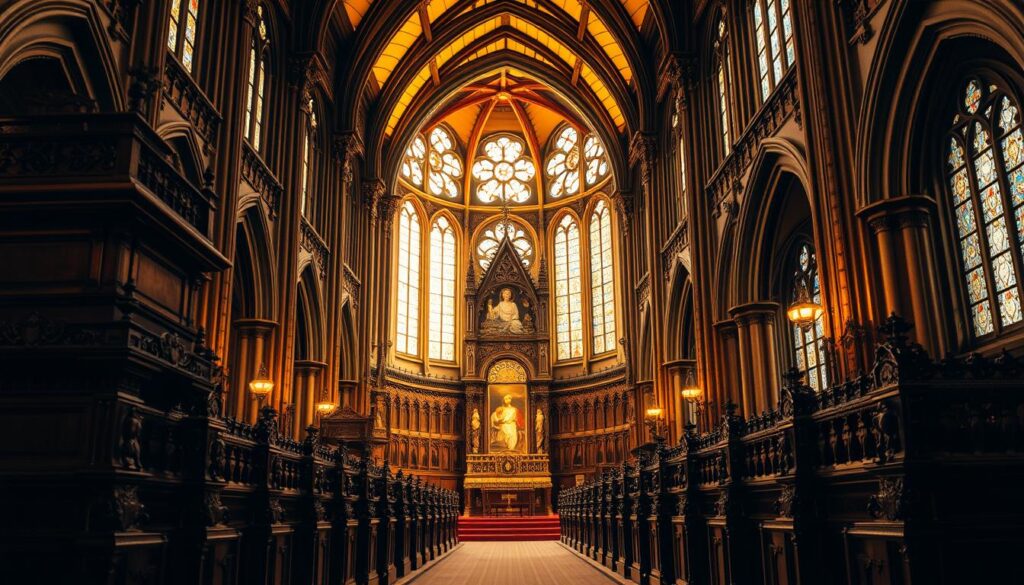
These groups do more than host weekly services. Many run food banks that distribute 1.3 million meals annually. Others offer counseling programs or support networks for vulnerable populations. A Bristol-based pastor notes: “Our shared mission unites different traditions – we’re neighbors helping neighbors.”
Technology reshapes how communities connect. Over 75% now stream services, creating hybrid gatherings where global members participate. Virtual Bible studies and online donation portals expand their reach beyond physical locations.
Collaboration between denominations strengthens their collective impact. Joint initiatives tackle homelessness and environmental concerns. This cooperative spirit helps diverse groups address societal challenges while respecting distinct practices.
Diverse Denominations and Traditions
The United Kingdom’s spiritual landscape thrives through its mix of worship styles and doctrinal approaches. From candlelit choral services to lively prayer meetings, these variations reflect centuries of theological evolution. Let’s explore how different groups shape modern faith experiences.
Anglican Roots and Reformed Practices
Anglicanism’s broad spectrum ranges from high-church rituals to casual gatherings. Some parishes use incense and traditional hymns, while others feature rock bands and interactive sermons. A London vicar explains: “Our strength lies in honoring ancient liturgy while speaking to contemporary hearts.”
Key Anglican branches include:
- Anglo-Catholic groups emphasizing sacraments
- Evangelical wings focused on personal conversion
- Central traditions blending both approaches
Protestant and Nonconformist Movements
Reformed traditions prioritize direct engagement with scripture. Methodists pioneered open-air preaching, while Baptists championed believer’s baptism. Today, many Protestant groups lead community projects like homeless shelters and addiction recovery programs.
| Tradition | Worship Style | Community Role |
|---|---|---|
| Pentecostal | Spontaneous prayer | Youth empowerment |
| Quaker | Silent meditation | Peace advocacy |
| Free Church | Bible-centered teaching | Family support |
These movements prove faith thrives through adaptation. Whether through centuries-old practices or modern innovations, there’s space for every seeker to grow.
The Church of England: A Pillar of UK Christianity
Steeped in centuries of tradition, this institution shapes spiritual life across England and Wales. Its influence extends to the Channel Islands and beyond, connecting 26 million members through shared rituals and community service.
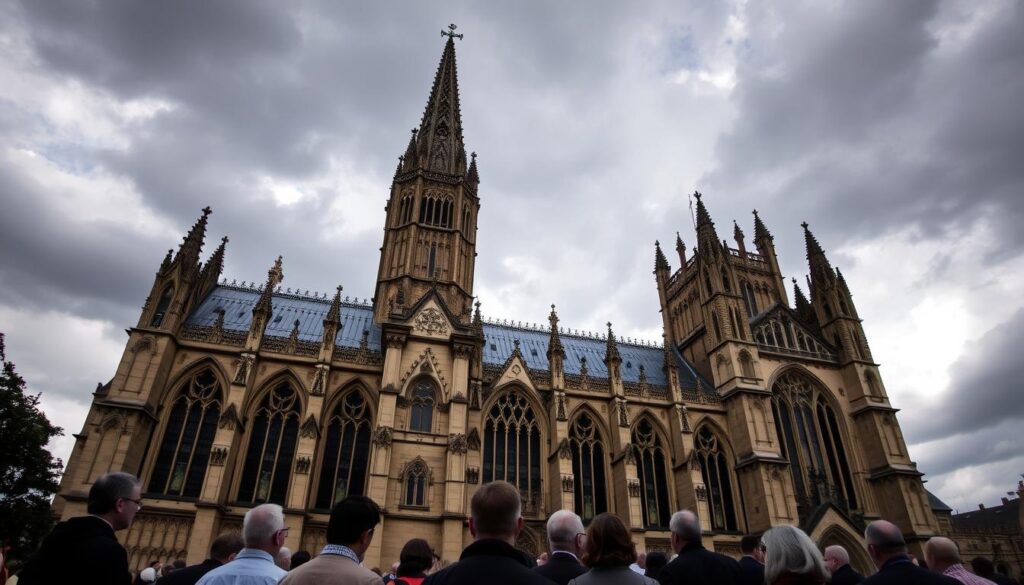
Key Historical Milestones
Henry VIII’s 1534 split from Rome changed everything. Royal authority replaced papal rule, creating a distinct path for the British Isles. Thomas Cranmer’s 1662 Book of Common Prayer made worship accessible to ordinary people—not just Latin-speaking clergy.
The Elizabethan Settlement (1559-1563) cemented a middle way. It blended Catholic rituals with Protestant theology, a balance still defining Anglican identity today. Over time, the church expanded its reach:
- 43 cathedrals anchoring local communities
- Cross-border parishes in Wales and Europe
- Social programs supporting education and welfare
Modern governance reflects unique ties to the kingdom. The monarch serves as Supreme Governor, while the Archbishop of Canterbury leads spiritual matters. This structure preserves tradition while addressing 21st-century needs.
Community and Congregational Life in UK Churches
At the heart of British spiritual hubs lies a vibrant network of relationships that transform Sunday gatherings into lifelong connections. Many describe their church family as a safe space where people from all walks of life share meals, celebrate milestones, and weather challenges together. “We’re not just seat neighbors—we’re life companions,” explains a Manchester congregation member.
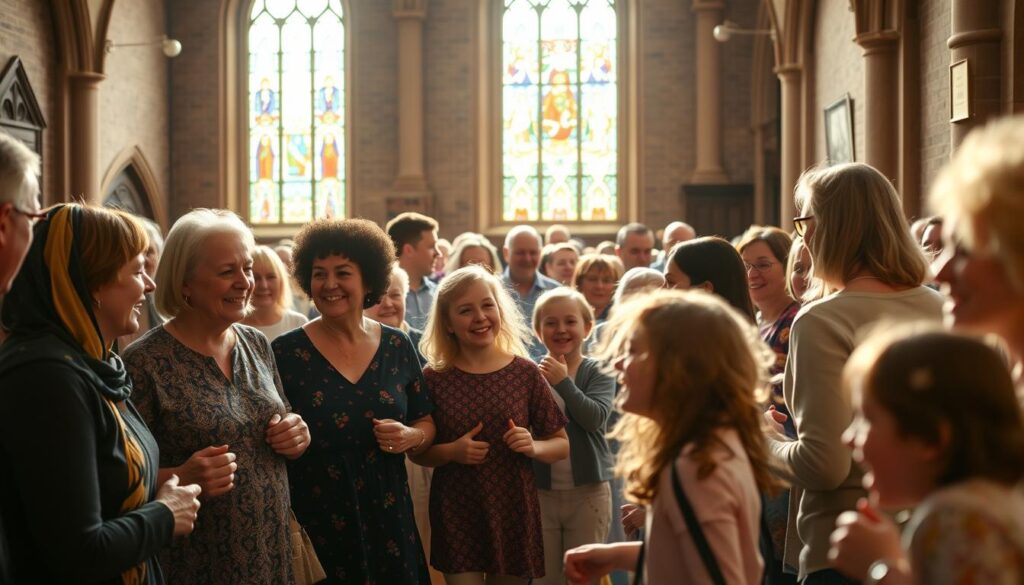
Weekly rhythms extend beyond worship services through small group studies and volunteer teams. Members might teach Sunday school, join cleaning crews, or organize neighborhood food drives. These activities create natural opportunities for spiritual growth while addressing practical needs.
A team-oriented approach empowers members to lead initiatives matching their skills. One London community reports 80% participation in service roles—from greeting newcomers to managing social media. This shared responsibility builds ownership and deepens connections.
Outreach programs demonstrate faith in action. Local congregations frequently partner with schools and charities, offering tutoring services or hosting donation drives. Such efforts reinforce the idea that spiritual life flourishes through practical care for others.
Newcomers often find their place through casual invitations to coffee meetups or hobby-based groups. As relationships blossom, many discover a supportive network that feels like home. This organic growth model keeps communities dynamic and welcoming.
Service and Worship: What to Expect
Finding your rhythm in a spiritual community starts with understanding weekly patterns. Most groups design their schedules to welcome both early risers and late sleepers, creating multiple entry points for connection.
Flexible Timing for Modern Lives
Morning services typically begin between 9:00 AM and 11:00 AM, with some locations offering afternoon options at 2:30 PM. Evening meetings around 6:00 PM cater to those with weekend commitments. Many spaces host multiple gatherings—you might find traditional liturgy at 9:00 AM followed by contemporary worship at 11:00 AM.
In-person services usually last 60-90 minutes. They blend music, teaching, and community interaction. “Our coffee hour after the final hymn often becomes the highlight,” shares a London worship leader. Some groups extend the experience through shared meals or small group discussions.
Digital Doors Always Open
Over 80% of communities now stream their meetings. Platforms like YouTube and Facebook Live let you participate from home while maintaining connection. Many websites archive sermons for later viewing, perfect for night-shift workers or caregivers.
Hybrid models combine physical and digital elements seamlessly. A Birmingham congregation reports 40% of their online attendees eventually visit in person. Whether you join live or catch up later, these services ensure nobody misses meaningful moments.
From sunrise gatherings to midnight prayer chains, today’s spiritual communities adapt to varied schedules. This flexibility helps people weave faith practices into busy lives while building lasting relationships.
FAQ
How have congregations in Great Britain adapted their practices over time?
Many groups have blended traditional liturgy with modern expressions of faith, such as digital outreach or community-focused programs. This balance preserves heritage while meeting contemporary needs.
What distinguishes Anglican traditions from other Protestant movements?
Anglican worship often follows the Book of Common Prayer and emphasizes sacraments, while Reformed and Nonconformist groups prioritize preaching and congregational participation. Both share a commitment to Scripture.
Are in-person gatherings still central to congregational life?
Yes! Most communities offer Sunday meetings alongside online services. Physical gatherings foster connection, while digital options expand accessibility for those unable to attend.
How does the Church of England influence local communities today?
Beyond spiritual guidance, it often partners with charities, schools, and councils to address social issues. Its historic presence provides a stable framework for outreach across England and Wales.
Can visitors participate in services even if they’re new to the faith?
Absolutely. Most welcome seekers with open arms, offering guidance through printed materials, friendly greeters, or introductory sessions. Participation level is always your choice.
What role do online platforms play in modern worship?
Livestreams, podcasts, and social media help maintain connections between weekly meetings. They’re especially valuable for remote members, shift workers, or those exploring faith privately.