Finding a spiritual home in the nation’s capital just got easier. The area boasts vibrant faith communities that blend rich traditions with modern engagement. Whether you prefer historic sanctuaries or innovative ministries, there’s a place for everyone to grow and connect.
Many congregations here have served locals for generations. Their programs range from Sunday worship to volunteer initiatives addressing local needs. You’ll find dynamic music, thought-provoking sermons, and opportunities to build meaningful relationships.
Location matters, and these spiritual hubs are often steps from metro stations or iconic landmarks. This makes joining events or services convenient for busy professionals and families alike. Some even host cultural activities, creating spaces where faith and community intersect naturally.
Key Takeaways
- Diverse worship styles cater to traditional and contemporary preferences
- Central locations near public transit enhance accessibility
- Active outreach programs address both spiritual and social needs
- Historic congregations coexist with modern ministry approaches
- Music and preaching quality varies to match different tastes
- Weekday events foster deeper community connections
Overview of Protestant Churches in Washington DC
The heart of DC beats with faith groups that have shaped the city for generations. These congregations blend historic roots with forward-thinking values, creating spaces where tradition meets modern service.
Rich History and Community Impact
Many local spiritual hubs trace their origins to pivotal moments in American history. The Lutheran Church of the Reformation, founded in 1869, stands near Capitol Hill as a testament to enduring service. Its food drives and tutoring programs support neighbors year-round.
St. John’s Episcopal parish near the White House has hosted presidents while advocating for marginalized groups since 1816. Both locations prove sacred places can drive social change while preserving heritage.
Welcoming Faith Environments
Modern congregations prioritize inclusion through concrete actions. The Lutheran community became one of the first Reconciling in Christ members in 1987, actively welcoming LGBTQ+ families. “We grow stronger when everyone has a seat at the table,” explains a longtime member.
| Feature | Lutheran Church of the Reformation | St. John’s Episcopal |
|---|---|---|
| Founded | 1869 | 1816 |
| Outreach Focus | Hunger relief, education | Social justice, advocacy |
| Inclusive Milestone | Reconciling in Christ since 1987 | Welcomes all racial/ethnic backgrounds |
Young professionals and retirees alike find connection through shared meals and volunteer projects. These multigenerational communities prove faith thrives when people feel truly seen.
Worship Services & Community Events in DC
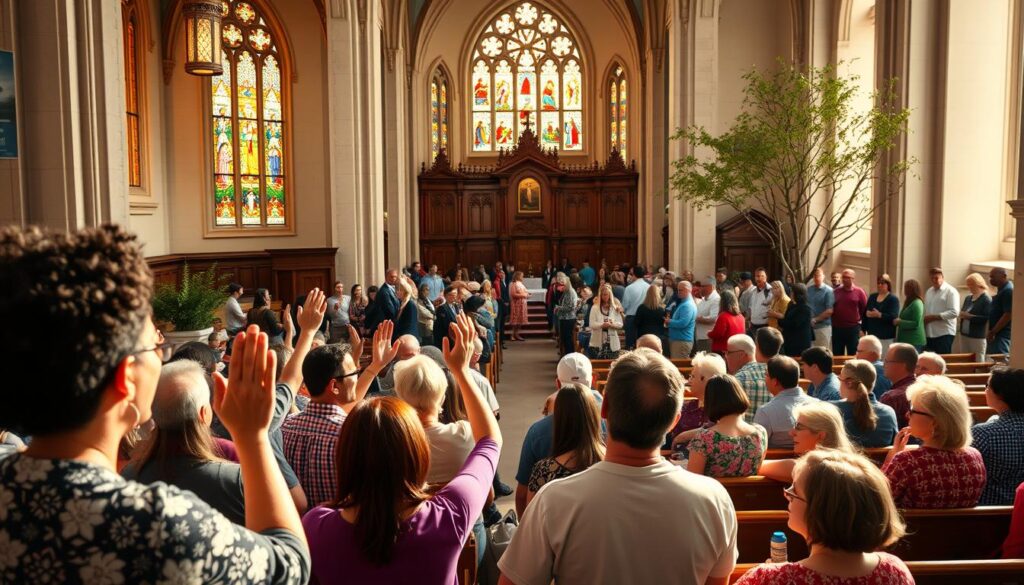
Discover flexible ways to connect with faith communities year-round. Many congregations adapt their schedules to match modern lifestyles while maintaining meaningful traditions. You’ll find options ranging from sunrise gatherings to evening reflections, with seamless digital access for remote participation.
Weekly Rhythms Made Simple
Reformation’s Sunday services shift seasonally – 8:30 AM & 11:00 AM during academic months, consolidating to 10:00 AM in summer. Their livestreams reach viewers via three platforms, ensuring nobody misses inspirational messages or uplifting music. “Technology helps us extend our sacred space beyond physical walls,” notes their media team.
Can’t-Miss Gatherings
Mark your calendar for the Labor Day retreat at Caboose Farm featuring Rev. Dr. Michael Niebauer. This three-day event explores Biblical interpretation through his book Four Mountains, with registration closing August 15. Meanwhile, St. John’s blends fun and purpose with summer ice cream socials and school supply drives for refugees.
Upcoming events include ordination celebrations and choir performances with guest conductors. Most activities welcome newcomers, though some require early sign-ups due to limited capacity. Always check details online – many congregations update their calendars weekly.
Inside a protestant church washington dc Experience
Stepping into these spiritual hubs reveals more than weekly gatherings—they’re spaces where life’s milestones and everyday moments intertwine. Vibrant programs nurture relationships while addressing real-world needs, creating environments where values become actionable.
Family, Faith & Fellowship
Parents discover robust support systems through intergenerational activities. Kids enjoy story hours that blend play with foundational teachings, while teens tackle social issues in guided discussions. “Our children found friends who share their values here,” shares a mother in Capitol Hill’s parenting group.
Programs and Community Outreach
Local congregations transform buildings into resource centers during weekdays. Free tutoring sessions and career workshops fill calendars alongside meal-packing events for shelters. The Lutheran community’s mission—“to love and serve the world”—comes alive when neighbors access their kitchen for cooking classes.
| Program Type | Participants | Impact |
|---|---|---|
| Family Dinners | Parents & Children | Strengthen bonds through shared meals |
| Justice Initiatives | Teens & Adults | Address systemic poverty through advocacy |
| Skill Shares | All Ages | Teach practical abilities like budgeting |
Members often describe their roles as extensions of home life. Whether organizing donation drives or leading art therapy sessions, every action reinforces the idea that faith thrives through service. These efforts create lasting bonds that ripple beyond Sunday mornings.
Embracing Diverse Church Life on Capitol Hill
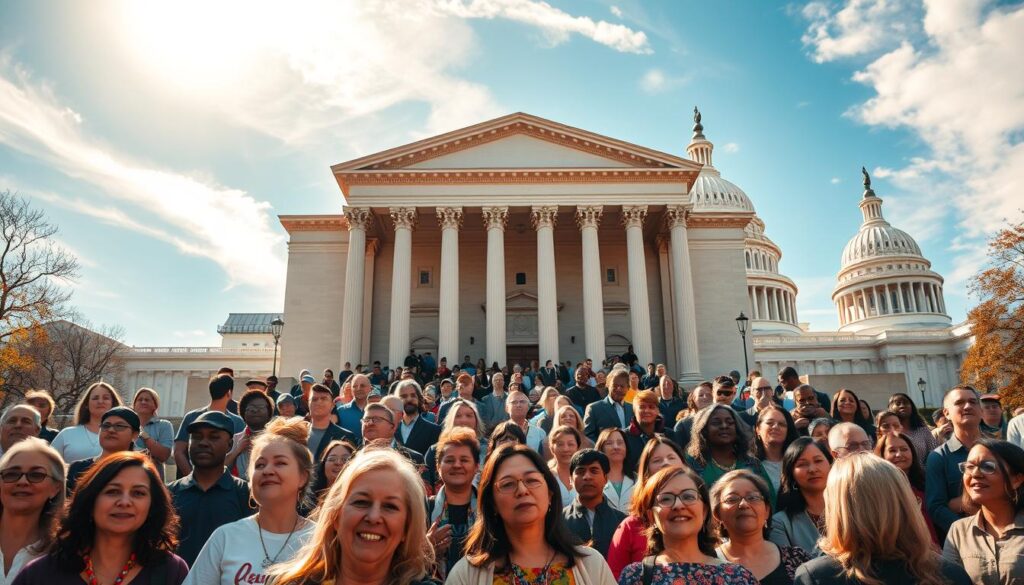
Capitol Hill’s spiritual landscape thrives through connections that span ages and cultures. Neighborhood congregations demonstrate how shared values can unite individuals across differences, fostering environments where everyone contributes unique perspectives.
Multigenerational Communities and Inclusive Worship
Sunday mornings here might find college students discussing social justice with retirees, while parents swap parenting tips between services. One Lutheran congregation reports three generations of families attending together, blending ancient hymns with modern acoustic sets.
St. John’s sets the tone with its open-door philosophy. “Whoever you are, we welcome you,” declares their mission statement. This approach transforms worship experiences into celebrations of human diversity rather than uniformity.
Events like cultural festivals and neighborhood cleanups become bridges between strangers. A recent intergenerational cooking class saw teens teaching seniors TikTok recipes while learning family traditions from the 1950s. These interactions prove spiritual growth happens through shared life experiences.
Weekday programs extend this inclusive energy. Book clubs explore faith through global literature, and volunteer teams pack meals for shelters alongside interfaith partners. Such efforts show how love becomes action when communities prioritize belonging over conformity.
Conclusion
Exploring spiritual communities in the capital reveals more than Sunday services—it’s about finding where your values take root. From historic landmarks to innovative social initiatives, these groups create spaces where personal growth and neighborhood impact intersect naturally.
Whether drawn to centuries-old traditions or contemporary justice efforts, you’ll discover environments that nurture both individual purpose and collective action. Central locations near transit hubs make joining book clubs, volunteer projects, or intergenerational meals simpler than expected.
Many first-time visitors quickly become regulars, finding that shared meals and service opportunities forge connections faster than typical city interactions. These communities thrive by turning compassion into concrete change, whether stocking food pantries or advocating for equitable policies.
What begins as a search for belonging often blossoms into lifelong friendships and unexpected collaborations. Every neighborhood offers unique ways to grow spiritually while contributing to something larger than yourself—no prior experience required.
FAQ
How do local congregations contribute to DC’s cultural fabric?
Many faith communities in the capital area blend historic traditions with modern outreach, offering food drives, volunteer initiatives, and interfaith dialogues that strengthen neighborhood bonds.
Are there options for families with young children?
Absolutely! Most congregations provide Sunday school, youth groups, and parenting workshops, fostering connections through age-appropriate lessons and family-friendly gatherings.
Can visitors access services online?
Yes, many offer livestreamed worship sessions and virtual Bible studies, making it easy to engage from home. Check individual websites for streaming details.
What types of outreach programs are available?
From homeless shelter partnerships to mentorship initiatives, local groups prioritize serving vulnerable populations. Seasonal drives and disaster relief efforts are also common.
How inclusive are these spiritual communities?
Capitol Hill congregations often emphasize diversity, with services celebrating varied backgrounds, languages, and traditions to create welcoming spaces for all.
Do they host guest speakers or special events?
Regularly! Look out for concerts, holiday celebrations, and talks by renowned theologians or social justice leaders—many open to the public.