The United Methodist Church is rich in tradition and worship practices. Discovering the right worship resources can enhance the spiritual journey of the congregation.
Discipleship Ministries provides worship leaders with quality music, liturgy, and preaching resources for faithful and vital local church worship. With the help of Discipleship Ministries, worship leaders can access a wealth of information to plan meaningful services.
Key Takeaways
- Access to quality worship resources for United Methodist churches
- Discipleship Ministries provides music, liturgy, and preaching resources
- Resources available for planning meaningful worship services
- Enhance the spiritual journey of the congregation
- Worship leaders can access a wealth of information
Introduction to United Methodist Worship Resources
Worship is a vital aspect of the United Methodist tradition, and understanding its core elements is essential for creating meaningful services. The United Methodist Church places a strong emphasis on worship as a means of connecting with the divine, and there are numerous resources available to support this endeavor.
Overview of Worship Practices
United Methodist worship practices are characterized by a rich and diverse tradition that encompasses a wide range of liturgical elements, including music, prayers, and scripture readings. Effective worship planning involves understanding these core elements and using them to create services that resonate with the congregation.
Some key aspects of United Methodist worship practices include:
- Emphasis on community and participation
- Use of traditional and contemporary worship styles
- Incorporation of sacraments and liturgical rituals
Importance of Worship in United Methodist Traditions
Worship plays a central role in United Methodist traditions, serving as a means of spiritual growth and development. By understanding the importance of worship, leaders can better plan services that meet the needs of their congregation.
The use of UMC worship planning tools and Methodist worship resources online can provide valuable support for worship leaders, offering guidance on liturgical elements, worship planning, and community engagement.
By exploring these resources and understanding the core elements of United Methodist worship practices, leaders can create meaningful services that foster a deeper connection with the divine.
Types of Worship Resources Available
The United Methodist Church offers an extensive selection of worship materials, from traditional print to modern digital formats. This variety ensures that worship leaders can find the resources they need to create meaningful and engaging services.
Print Resources: Books and Manuals
Print resources remain a cornerstone of worship planning in the United Methodist tradition. The United Methodist Hymnal is a key resource, providing hymns, prayers, and liturgies that are central to United Methodist worship. Other print materials include worship manuals and guides that offer structured services and liturgical suggestions for various occasions.
These resources are valuable for their tactile nature and the ability to be used in conjunction with digital materials. Many congregations appreciate the tangibility of print resources, which can be particularly useful during services.
Digital Resources: Websites and Apps
In addition to print materials, the United Methodist Church offers a range of digital resources. Websites such as the official United Methodist Church site and Discipleship Ministries provide access to a wealth of worship planning resources, including articles, webinars, and downloadable materials. Mobile apps also offer convenient access to worship resources, allowing leaders to prepare services on-the-go.
Digital resources are particularly useful for their flexibility and the ability to be easily updated. They can also be used to supplement print materials, providing a comprehensive approach to worship planning.
Audio and Video Materials
Audio and video materials are another important aspect of worship resources in the United Methodist Church. These can include recorded hymns, sermons, and liturgical elements that can be used to enhance worship services. The use of multimedia can help create a more dynamic and engaging worship experience.
For example, video recordings of baptisms or other significant rituals can be used to illustrate sermons or provide a visual element to the service. Audio recordings of hymns or prayers can also be used to supplement the congregation’s singing or to provide a moment of reflection.
| Resource Type | Description | Examples |
|---|---|---|
| Tangible materials used for worship planning | United Methodist Hymnal, Worship Manuals | |
| Digital | Online resources and mobile apps for worship planning | United Methodist Church Website, Discipleship Ministries |
| Audio/Video | Multimedia elements to enhance worship services | Recorded Hymns, Sermons, Liturgical Videos |
Liturgical Elements in Worship
Liturgical elements are fundamental to the worship practices of the United Methodist Church, fostering a deeper connection with the congregation. These elements are crucial in creating services that are both meaningful and engaging. Discipleship Ministries is committed to working with worship and music leaders throughout the church to provide resources that enhance these liturgical elements.
Music and Hymnody
Music and hymnody are integral parts of United Methodist worship, providing a means of expressing faith and connecting with the divine. The use of hymns, contemporary songs, and other musical elements can significantly enhance the worship experience. Worship leaders can explore various resources, including hymnals and online music libraries, to find the most appropriate music for their services.
Some popular hymns and songs in United Methodist worship include traditional hymns, contemporary Christian music, and songs that reflect the church’s social justice commitments. Incorporating a variety of musical styles can help engage the congregation and create a more inclusive worship environment.
Prayers and Liturgies
Prayers and liturgies are essential components of liturgical worship, providing a structured format for the service. The United Methodist Church offers a range of resources for prayers and liturgies, including liturgical guides and prayer books. These resources help worship leaders create meaningful and reverent services.
The use of responsive readings, litanies, and other liturgical forms can add depth and variety to worship services. Worship leaders are encouraged to explore these resources to enhance their services and engage their congregations more effectively.
Scripture Readings and Sermon Guides
Scripture readings and sermon guides are vital elements of United Methodist worship, helping to convey the message of the Gospel and guide the congregation in their faith journey. The church provides various resources, including lectionaries and sermon guides, to support worship leaders in preparing their services.
| Resource Type | Description | Benefit |
|---|---|---|
| Lectionaries | Provide a structured reading plan, ensuring a broad coverage of scripture over time. | Enhances the congregation’s understanding of the Bible. |
| Sermon Guides | Offer insights and reflections on the scripture readings, aiding in sermon preparation. | Supports worship leaders in creating meaningful sermons. |
| Scripture Study Guides | Provide additional context and study materials for personal or group study. | Deepens the congregation’s engagement with scripture. |
By incorporating these liturgical elements and utilizing the available resources, worship leaders in the United Methodist Church can create services that are both meaningful and engaging, fostering a deeper connection with their congregation.
Seasonal Worship Resources
As the liturgical calendar unfolds, the United Methodist Church offers a rich array of worship resources tailored to each season. These resources are designed to enhance the spiritual journey of congregations and provide worship leaders with the tools they need to create meaningful services.
Advent and Christmas
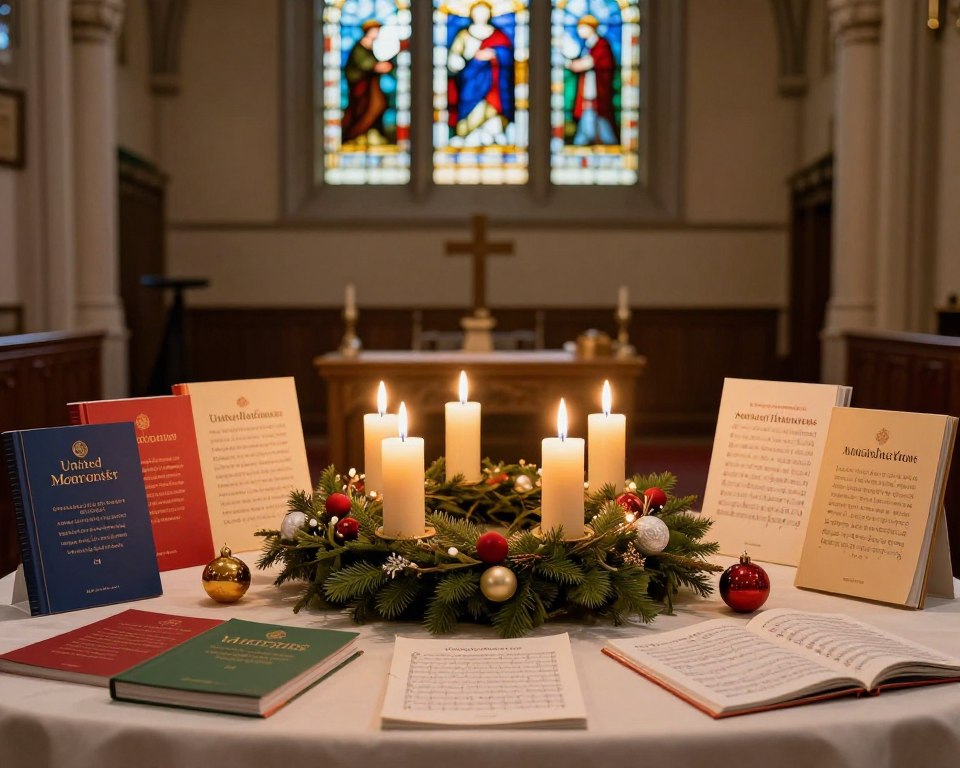
The seasons of Advent and Christmas are significant in the United Methodist Church, marking the anticipation and celebration of the birth of Jesus Christ. Worship resources for this period include special music, liturgies, and scripture readings that emphasize themes of hope, preparation, and joy.
Some of the resources available for Advent and Christmas include:
- Special hymns and worship songs that reflect the themes of the season
- Liturgies and prayers that guide the congregation through the Advent season
- Scripture readings and sermon guides that help worship leaders prepare relevant messages
Lent and Easter
The Lenten season is a period of reflection and preparation for Easter, the celebration of the resurrection of Jesus Christ. Worship resources for Lent and Easter include materials that guide congregations through the themes of repentance, renewal, and resurrection.
Resources for Lent and Easter may include:
- Guided prayers and liturgies for Lenten services
- Music and hymns that reflect the somber and hopeful tones of the season
- Scripture readings and sermon guides that explore the significance of the cross and the empty tomb
Ordinary Time
Ordinary Time, which encompasses the periods after Epiphany and after Pentecost, provides opportunities for worship leaders to explore a wide range of themes and biblical narratives. Resources for Ordinary Time include worship materials that highlight the teachings of Jesus and the early Christian community.
Some resources available for Ordinary Time include:
| Resource Type | Description |
|---|---|
| Worship Music | A variety of hymns and songs that reflect the themes of Ordinary Time |
| Liturgies and Prayers | Guided prayers and liturgies that cover a range of topics relevant to the season |
| Scripture Guides | Resources to help worship leaders prepare sermons based on the lectionary readings |
By incorporating these seasonal worship resources, worship leaders in the United Methodist Church can create services that are both meaningful and engaging for their congregations.
Worship Planning and Preparation
To enhance the worship experience, United Methodist churches must prioritize planning and preparation. Effective worship planning involves several key components that work together to create meaningful and engaging services.
Creating a Worship Calendar
One of the foundational elements of worship planning is creating a worship calendar. This calendar outlines the themes, readings, and hymns for each service, providing a cohesive and structured approach to worship throughout the year. By planning ahead, worship leaders can ensure that services are well-coordinated and relevant to the congregation’s needs.
When creating a worship calendar, it’s essential to consider the liturgical seasons and significant events in the church year. For example, during Advent and Lent, services may focus on preparation and reflection, while Easter celebrations are often more joyful and festive. Discipleship Ministries offers resources and guidance to help churches develop a worship calendar that meets their needs.
Collaborating with Worship Leaders
Collaboration is a critical aspect of successful worship planning. Worship leaders, including pastors, musicians, and other team members, must work together to create a unified and meaningful worship experience. By sharing ideas and responsibilities, they can develop services that are both engaging and spiritually nourishing.
To facilitate effective collaboration, it’s helpful to establish clear communication channels and defined roles within the worship team. Regular meetings and planning sessions can ensure that everyone is on the same page and working towards a common goal.
Involving the Congregation
Involving the congregation in worship planning can enhance the overall worship experience and foster a sense of community. This can be achieved through various means, such as inviting congregation members to participate in services, seeking feedback, and incorporating their ideas into the planning process.
For additional guidance on worship planning and preparation, churches can contact Discipleship Ministries staff. They offer a range of resources, including UM church service materials and worship planning resources for United Methodists, to support worship leaders in their efforts.
| Worship Planning Element | Description | Benefits |
|---|---|---|
| Worship Calendar | Outlines themes, readings, and hymns for each service | Provides a cohesive and structured approach to worship |
| Collaboration with Worship Leaders | Involves pastors, musicians, and other team members in planning | Fosters a unified and meaningful worship experience |
| Congregational Involvement | Invites congregation members to participate in services and provide feedback | Enhances the worship experience and fosters a sense of community |
Educational Resources for Worship Leaders
To foster a deeper understanding of worship practices, worship leaders can leverage a range of educational resources, from workshops to online courses. These resources are designed to enhance their skills and knowledge, ultimately enriching the worship experience for their congregation.
Workshops and Conferences
Workshops and conferences provide worship leaders with opportunities to learn from experienced professionals and network with peers. The Discipleship Ministries of the United Methodist Church offers various workshops and conferences that focus on worship practices, leadership development, and community engagement.
These events cover a wide range of topics, including liturgical planning, music and hymnody, and inclusive worship practices. By participating in these events, worship leaders can gain new insights and ideas to implement in their own worship settings.
Online Courses and Webinars
For those who prefer flexible learning options, online courses and webinars are an excellent way to access educational content. Methodist worship resources online include a variety of webinars and courses that cater to different learning needs and preferences.
These online resources often feature expert presenters and cover topics relevant to contemporary worship practices. Worship leaders can engage with these resources at their own pace, making it easier to balance their educational pursuits with their leadership responsibilities.
Resource Libraries
Resource libraries are another valuable educational resource for worship leaders. The Discipleship Ministries Content Library is a notable example, providing access to a wealth of published resources, including past articles, webinars, and other materials related to worship and leadership.
By utilizing these resource libraries, worship leaders can deepen their understanding of United Methodist Hymnal resources and other worship-related topics. This can help them plan more meaningful and engaging worship services.
In conclusion, worship leaders have access to a diverse range of educational resources that can enhance their skills and knowledge. By leveraging workshops, online courses, webinars, and resource libraries, they can stay updated on the latest trends and best practices in worship planning, ultimately enriching the worship experience for their congregation.
Inclusive Worship Practices
Embracing inclusive worship practices is a significant step towards creating a worship experience that is accessible and engaging for everyone. Helping people to genuinely worship God requires creating an experience through which people can enter into the presence of the divine.
Resources for Diverse Congregations
The United Methodist Church is known for its diverse congregations, with members from various backgrounds, ages, and abilities. To cater to this diversity, worship leaders can utilize UMC worship planning tools that offer resources and ideas for inclusive worship services.
Some of these resources include:
- Liturgical materials that incorporate diverse cultural expressions
- Hymns and songs that reflect a wide range of musical styles
- Prayers and readings that address the needs and concerns of a diverse congregation
By incorporating these elements, worship leaders can create services that are meaningful and engaging for all members of the congregation.
Accessibility in Worship
Accessibility is a crucial aspect of inclusive worship practices. This includes not only physical accessibility but also auditory, visual, and cognitive accessibility.
Some strategies for improving accessibility in worship include:
| Accessibility Type | Strategies |
|---|---|
| Physical Accessibility | Ramps, elevators, and accessible seating areas |
| Auditory Accessibility | Audio induction loops, sign language interpretation |
| Visual Accessibility | Large print materials, Braille hymnals |
| Cognitive Accessibility | Clear and simple language in liturgies and sermons |
“The worship of God is not confined to a particular style or ritual, but is expressed in a variety of ways, reflecting the diversity of the human family.” –
Engaging All Ages
Engaging all ages in the worship service is another key aspect of inclusive worship practices. This can be achieved by incorporating elements that appeal to different age groups, such as children, youth, and older adults.
Some Methodist church service ideas for engaging all ages include:
- Incorporating children’s stories and activities into the service
- Using contemporary music that appeals to youth
- Including intergenerational activities and discussions
By adopting these inclusive practices, worship leaders can foster a welcoming environment that encourages participation and connection among all members of the congregation.
Case Studies: Successful Worship Implementations
Discipleship Ministries works closely with worship and music leaders to share case studies of successful worship practices in local churches. By examining these examples, worship leaders can gain valuable insights into effective practices that enhance the spiritual experience of their congregations.
Stories from Local Churches
Several United Methodist churches have successfully implemented new worship practices, resulting in revitalized congregations. For instance, a church in the southeastern United States incorporated more inclusive language in their liturgy, which led to increased participation from diverse members of the congregation.
Another example is a church in the Midwest that introduced a contemporary worship service, which attracted a younger demographic and increased overall attendance. These stories highlight the importance of adapting worship practices to meet the needs of the congregation.
Innovations in Worship Settings
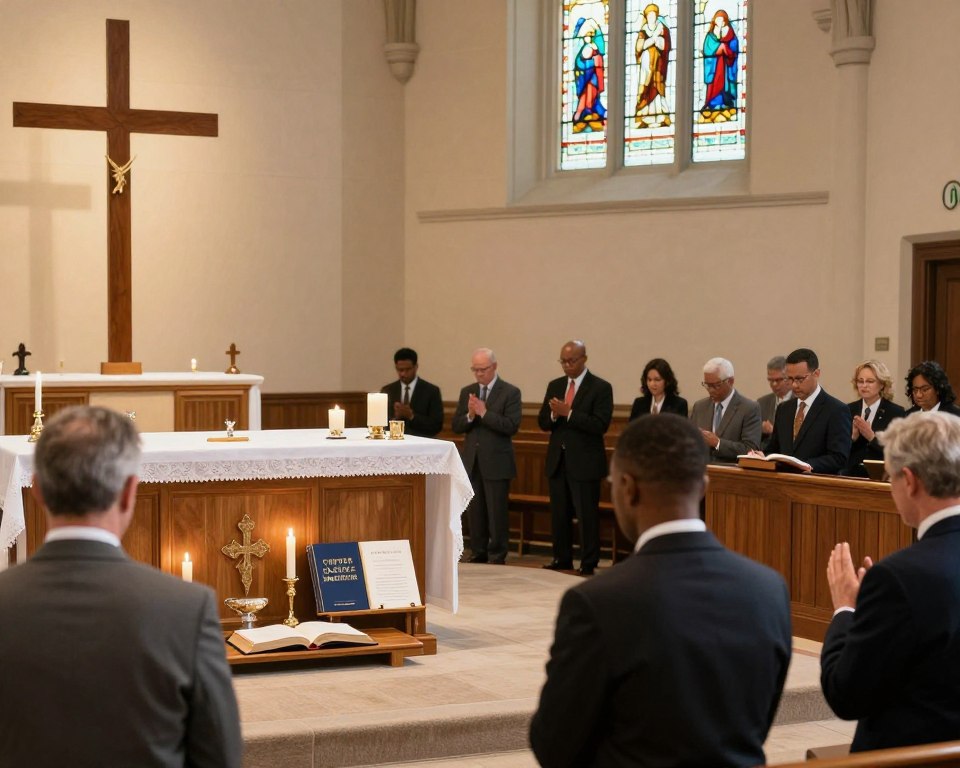
Innovations in worship settings have also played a crucial role in successful implementations. Some churches have adopted technology, such as live streaming services, to reach a broader audience. Others have redesigned their worship spaces to be more welcoming and accessible.
A notable example is a church that transformed its traditional sanctuary into a more flexible, multi-purpose space. This change allowed for a variety of worship styles and community activities, enhancing the overall worship experience.
| Church | Innovation | Outcome |
|---|---|---|
| Southeastern UMC | Inclusive language in liturgy | Increased participation |
| Midwestern UMC | Contemporary worship service | Increased attendance |
| Western UMC | Live streaming services | Broader audience reach |
These case studies demonstrate that successful worship implementations often involve a combination of traditional practices and innovative approaches. By exploring United Methodist liturgy resources and UMC worship music suggestions, worship leaders can find inspiration for enhancing their own services.
Conclusion: Enhancing Worship Experience
Enhancing the worship experience is a multifaceted endeavor that involves leveraging various resources, planning carefully, and fostering a sense of community. Discipleship Ministries is committed to supporting worship leaders in their mission to create meaningful worship experiences.
Community in Worship
The role of community is vital in creating a rich and engaging worship experience. United Methodist Church worship resources are designed to help worship leaders build a sense of community within their congregations. By utilizing these resources, leaders can foster a deeper connection among worshipers.
Exploring Worship Resources
Worship leaders are encouraged to explore the available united methodist church worship resources and worship planning resources for United Methodists to enhance their services. These resources can help create services that are meaningful and engaging for their congregation.
By embracing the available resources and focusing on community, worship leaders can create a worship experience that resonates with their congregation.
FAQ
What are some recommended United Methodist worship resources?
The United Methodist Church offers a variety of worship resources, including the United Methodist Hymnal, worship manuals, and digital resources such as websites and apps provided by Discipleship Ministries.
How can I access worship planning tools for my United Methodist church?
Discipleship Ministries provides a wealth of information and resources for worship planning, including guidance on creating a worship calendar, collaborating with worship leaders, and involving the congregation.
What types of liturgical elements are used in United Methodist worship services?
United Methodist worship services typically include music and hymnody, prayers and liturgies, and scripture readings and sermon guides, which can be found in resources such as the United Methodist Hymnal and worship manuals.
Are there seasonal worship resources available for United Methodist churches?
Yes, the United Methodist Church observes various seasons throughout the year, and resources are available for Advent and Christmas, Lent and Easter, and Ordinary Time, which can be used to enhance the worship experience.
How can I make my worship service more inclusive?
Resources are available for diverse congregations, and strategies can be implemented to improve accessibility in worship and engage all ages in the worship service, fostering a welcoming environment.
What educational resources are available for worship leaders in the United Methodist Church?
Worship leaders can access workshops, conferences, online courses, webinars, and resource libraries to enhance their skills and knowledge, staying updated on the latest trends and best practices in worship planning.
Can I find examples of successful worship implementations in other United Methodist churches?
Yes, case studies and stories from local churches that have effectively implemented new worship practices can provide valuable insights and inspiration for enhancing worship services.
How can I involve my congregation in the worship planning process?
Involving the congregation in the planning process can be achieved by collaborating with worship leaders and using resources that encourage participation and connection, creating a sense of community in worship.
What role does community play in United Methodist worship?
Community plays a vital role in United Methodist worship, fostering a sense of connection and participation among congregation members, and worship leaders are encouraged to explore resources that promote this sense of community.
Where can I find United Methodist Church service materials and UMC worship music suggestions?
Discipleship Ministries and other United Methodist resources provide a range of service materials and worship music suggestions that can be used to enhance the worship experience.