The Presbyterian Church (USA) has been a pioneer in environmental stewardship, integrating their faith with a commitment to sustainability.
Since the 1960s, the church has been actively involved in various environmental initiatives, advocating for issues such as drinking water safety, acid rain, and climate change. Their faith-based approach to environmental stewardship is rooted in the belief that caring for the earth is a sacred responsibility.
The church’s efforts to reduce its ecological footprint are multifaceted, reflecting a deep commitment to sustainable faith.
Key Takeaways
- The Presbyterian Church (USA) has a long history of environmental stewardship.
- Their approach is rooted in faith-based principles.
- The church advocates for environmental issues such as climate change.
- Efforts to reduce the ecological footprint are ongoing.
- Sustainable faith is a core aspect of their mission.
Introduction to Eco-Friendly Practices in the Presbyterian Church
The Presbyterian Church is at the forefront of a movement that combines faith with environmental responsibility. As part of this effort, various eco-friendly initiatives have been adopted to reduce the church’s environmental footprint. One key organization driving these efforts is Presbyterians for Earth Care (PEC), a national eco-justice network that connects, equips, and inspires Presbyterians to care for God’s creation.Eco-friendly practiceswithin the Presbyterian Church encompass a wide range of activities. These include energy-efficient lighting and heating systems in church buildings, waste reduction programs, and the promotion of sustainable living practices among congregation members. PEC plays a crucial role in facilitating these initiatives by providing resources, support, and a network for Presbyterian churches across the U.S.Promoting sustainabilityis not just about environmental conservation; it’s also deeply rooted in the church’s faith principles. By caring for the earth, Presbyterians believe they are fulfilling their biblical mandate to be good stewards of God’s creation. This belief is reflected in the various sustainability efforts undertaken by the church, from community gardens to energy efficiency programs.
The Presbyterian Church’s commitment to eco-friendly practices is a testament to its dedication to both faith and the environment. Through organizations like PEC and the collective efforts of its congregations, the church is making a significant impact in promoting sustainability and reducing its environmental impact.
By embracing eco-friendly initiatives, the Presbyterian Church is not only contributing to a healthier planet but also inspiring its members to live out their faith in practical, meaningful ways. As the church continues on this path, it serves as a model for other faith communities looking to integrate sustainability into their practices.
The Importance of Sustainability in Faith Communities
As the world grapples with environmental challenges, faith communities like the Presbyterian Church are stepping forward with sustainable practices. Sustainability is not just an environmental issue but a faith-based imperative that connects spiritual growth with caring for the earth.
Connecting Faith and Environmental Stewardship
The Presbyterian Church views environmental stewardship as an integral part of its faith practice. By caring for the earth, the community demonstrates its commitment to God’s creation. This connection between faith and environmental care is rooted in the belief that spiritual growth and environmental stewardship are intertwined. An environmentally conscious Presbyterian church embodies this principle by adopting green practices.
Biblical Foundations for Eco-Conscious Living
The Bible provides a foundation for eco-conscious living, emphasizing the importance of caring for God’s creation. For instance, I Corinthians 4:1 highlights the role of stewards of God’s mysteries, which includes caring for the earth. This biblical mandate encourages the Presbyterian Church to adopt environmentally conscious practices, making it a green Presbyterian church.
By integrating faith and environmental stewardship, the Presbyterian Church fosters a community that is committed to sustainability. This commitment is reflected in the church’s efforts to reduce its environmental footprint and promote eco-friendly living among its congregation.
Initiatives by Presbyterian Churches Across the U.S.
Many Presbyterian churches are now at the forefront of sustainability efforts in their local communities. These initiatives not only contribute to environmental stewardship but also foster a sense of community and spiritual growth among congregants.
Community Gardens: Growing Faith and Food
One of the innovative ways Presbyterian churches are promoting sustainability is through community gardens. These gardens serve as a space where congregants can come together to grow their own fruits and vegetables, fostering a sense of community while promoting eco-friendly practices.
Benefits of Community Gardens:
- Nourishment for the body and soul
- Opportunities for community engagement
- Educational platform for sustainable gardening practices
As Reverend Dr. William Somplatsky-Jarman, a Presbyterian minister, once said, “Gardening is a way of expressing our faith in action, by caring for the earth and for one another.”
“The earth is the Lord’s, and everything in it, the world and all who live in it.”
Energy Efficiency Programs in Churches
In addition to community gardens, many Presbyterian churches are implementing energy efficiency programs to reduce their carbon footprint. These programs include simple measures such as switching to LED lighting and more complex initiatives like installing solar panels.
| Energy Efficiency Measure | Impact |
|---|---|
| LED Lighting | Reduces energy consumption by up to 75% |
| Solar Panels | Generates clean energy, reducing reliance on fossil fuels |
| Smart Thermostats | Optimizes heating and cooling, reducing energy waste |
By adopting these eco-friendly initiatives, Presbyterian churches are not only reducing their environmental impact but also setting an example for their communities. As the Presbyterian Church continues to innovate and expand its sustainability efforts, it remains committed to its mission of caring for creation.
Green Policies: How Presbyterians Are Leading the Way
Embracing sustainability, the Presbyterian Church (USA) has introduced green policies that serve as a model for faith communities. These policies not only reflect the church’s commitment to environmental stewardship but also inspire its congregations to adopt eco-friendly practices.
The church’s approach to sustainability is multifaceted, encompassing various aspects of its operations. Two key areas where the Presbyterian Church (USA) is making a significant impact are in eco-friendly building practices and waste reduction strategies.
Eco-Friendly Building Practices
The Presbyterian Church (USA) has been at the forefront of adopting eco-friendly building practices. This includes the use of sustainable materials in construction, energy-efficient designs, and the incorporation of renewable energy sources such as solar and wind power.
Some of the specific eco-friendly building practices adopted by Presbyterian churches include:
- Using locally sourced and sustainable building materials
- Incorporating energy-efficient lighting and HVAC systems
- Implementing rainwater harvesting systems
- Installing solar panels to generate electricity
Waste Reduction Strategies
In addition to eco-friendly building practices, the Presbyterian Church (USA) has also implemented effective waste reduction strategies. These strategies aim to minimize waste, promote recycling, and encourage sustainable practices among congregations.
| Waste Reduction Strategy | Description | Impact |
|---|---|---|
| Recycling Programs | Implementing recycling programs for paper, plastic, glass, and metal | Significant reduction in waste sent to landfills |
| Composting | Composting food waste and yard trimmings | Reduction in waste and creation of nutrient-rich soil |
| Reducing Single-Use Plastics | Eliminating single-use plastics in church facilities and events | Decrease in plastic waste and promotion of sustainable practices |
By adopting these green policies, the Presbyterian Church (USA) is not only reducing its environmental footprint but also setting an example for other faith communities to follow. The church’s commitment to sustainability is a testament to its dedication to stewardship and care for the planet.
Education and Awareness: Engaging Congregations
To effectively engage congregations in eco-friendly initiatives, the Presbyterian Church offers various educational resources and workshops. Education is a cornerstone in the church’s approach to sustainability, empowering members with the knowledge and skills necessary to adopt eco-friendly practices.
Workshops and Seminars on Sustainability
The Presbyterian Church organizes workshops and seminars that focus on sustainability and environmental stewardship. These educational programs cover a range of topics, from energy efficiency and waste reduction to sustainable living practices. By participating in these workshops, congregation members gain a deeper understanding of how their faith intersects with environmental responsibility.
Key topics covered in these workshops include:
- Understanding the biblical basis for environmental stewardship
- Practical steps for reducing energy consumption
- Implementing waste reduction and recycling programs
- Promoting sustainable living practices within the community
Resources for Eco-Friendly Living
In addition to workshops and seminars, the Presbyterian Church provides a variety of resources to support eco-friendly living. These resources include guides on sustainable practices, eco-friendly product recommendations, and connections to local environmental organizations. By making these resources available, the church helps its members integrate sustainability into their daily lives.
Congregations are also encouraged to share their own experiences and tips for eco-friendly living, fostering a sense of community and cooperation. This collaborative approach strengthens the church’s overall commitment to sustainability.
The Presbyterian Church’s emphasis on education and awareness is a critical component of its sustainability efforts. By engaging congregations through workshops, seminars, and resources, the church promotes a culture of eco-consciousness that extends beyond the church walls into the broader community.
Partnerships with Environmental Organizations
By partnering with environmental organizations, the Presbyterian Church is able to amplify its impact on sustainability initiatives. These collaborations not only enhance the church’s eco-friendly practices but also contribute to a broader movement of environmental stewardship within the community.
Collaborations with The National Council of Churches
The Presbyterian Church has established a significant partnership with The National Council of Churches (NCC), an organization that has been at the forefront of environmental advocacy. Through this collaboration, the Presbyterian Church participates in various initiatives aimed at promoting sustainability and reducing environmental footprint. Some key aspects of this partnership include:
- Joint advocacy efforts for environmental policies
- Shared resources for sustainability projects
- Collaborative educational programs on eco-friendly living

Local Partnerships for Community Impact
In addition to its national collaborations, the Presbyterian Church also engages in local partnerships to drive community-level change. By working with local environmental organizations, churches are able to implement initiatives that directly benefit their surrounding areas. Examples of local partnerships include:
- Community clean-up events
- Local conservation projects
- Workshops on sustainable living practices
These partnerships underscore the Presbyterian Church’s commitment to being an environmentally conscious presbyterian church, demonstrating that faith and environmental stewardship are deeply intertwined. Through these collaborations, the church not only enhances its own sustainability but also inspires its congregants and the wider community to adopt eco-friendly practices.
Case Studies of Successful Eco-Friendly Churches
Presbyterian churches are at the forefront of environmental stewardship, showcasing a range of successful eco-friendly initiatives. These efforts not only contribute to a more sustainable environment but also serve as inspiring examples for other faith communities.
Innovations in Urban Churches
Urban Presbyterian churches are pioneering innovative eco-friendly practices, adapting to the unique challenges of city environments. For instance, some churches have implemented green roofs, which provide insulation, reduce energy consumption, and create habitats for local wildlife.
- Reducing energy costs through efficient HVAC systems
- Implementing recycling programs for waste reduction
- Utilizing solar panels to generate renewable energy
These urban churches demonstrate that even in densely populated areas, significant environmental impact can be made through thoughtful and sustainable practices.
Rural Congregations Making a Difference
Rural Presbyterian congregations are also making significant strides in eco-friendly practices, often leveraging their natural surroundings to implement sustainable initiatives. Examples include:
- Establishing community gardens to promote local food production
- Implementing rainwater harvesting systems for irrigation and other non-potable uses
- Creating wildlife habitats through land conservation efforts
These rural churches not only reduce their environmental footprint but also contribute to the well-being of their local communities and ecosystems.
Through these case studies, it’s clear that Presbyterian churches, both urban and rural, are committed to environmental stewardship and sustainability. Their innovative approaches serve as models for other congregations seeking to reduce their environmental impact.
The Role of Youth in Eco-Friendly Initiatives
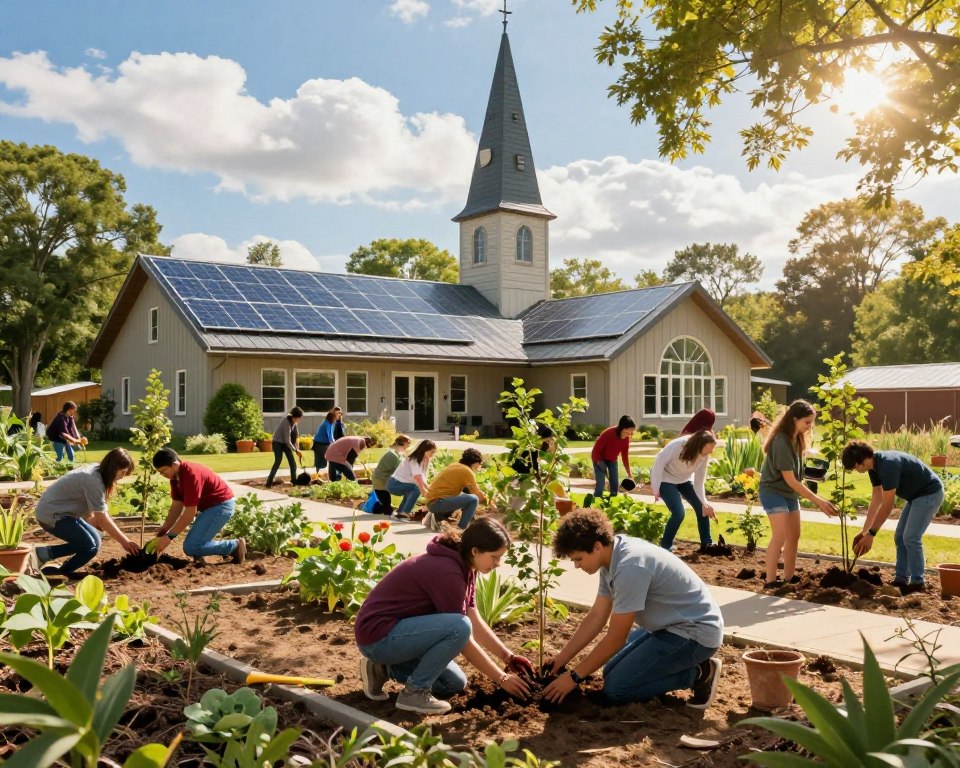
Youth within the Presbyterian Church are at the forefront of promoting sustainability and environmental stewardship. Their enthusiasm and commitment are crucial in driving eco-friendly initiatives forward.
Youth-Led Environmental Programs
Many Presbyterian churches have seen the emergence of youth-led environmental programs. These initiatives range from organizing community clean-up events to implementing recycling programs within the church. For instance, some youth groups have launched campaigns to reduce energy consumption by promoting the use of energy-efficient lighting and appliances.
Key activities include:
- Conducting workshops on sustainable living practices
- Creating educational materials on environmental conservation
- Collaborating with local organizations on eco-friendly projects
Engaging Young People in Sustainability Efforts
Engaging young people in sustainability efforts requires making environmental stewardship relevant and accessible. The Presbyterian Church has been successful in this endeavor by incorporating eco-friendly practices into its youth programs. This includes integrating discussions on sustainability into Bible studies and youth fellowship activities.
Some effective strategies for engaging young people include:
- Providing hands-on opportunities for environmental service projects
- Encouraging youth to take leadership roles in eco-friendly initiatives
- Using social media to raise awareness about environmental issues and promote eco-conscious living
By empowering young Presbyterians to take an active role in environmental stewardship, the church is not only fostering a culture of sustainability but also ensuring a greener future for generations to come.
The Future of Eco-Friendly Presbyterianism
The future of eco-friendly Presbyterianism is being shaped by innovative sustainable practices and technological advancements. As the Presbyterian Church continues to grow in its commitment to environmental stewardship, it’s exploring new ways to reduce its ecological footprint and promote sustainability.
Trends in Sustainable Practices Among Congregations
Congregations within the Presbyterian Church are adopting various sustainable practices, from energy-efficient lighting to comprehensive recycling programs. Renewable energy sources, such as solar and wind power, are becoming increasingly popular among churches looking to reduce their reliance on fossil fuels.
Another trend is the development of community gardens and green spaces within church properties. These not only provide fresh produce for local food banks but also serve as educational tools for promoting sustainable living practices.
The Role of Technology in Environmental Outreach
Technology is playing a pivotal role in the Presbyterian Church’s environmental outreach efforts. Digital platforms are being used to engage congregations in sustainability initiatives, share eco-friendly practices, and promote environmental awareness.
Churches are also leveraging social media to highlight their green initiatives and encourage community involvement. By sharing their sustainability journeys, Presbyterian churches are inspiring others to follow suit, creating a ripple effect that extends beyond their immediate communities.
Furthermore, technology is facilitating online workshops and webinars on sustainability topics, making it easier for congregations to access valuable resources and expertise. This digital approach is helping to foster a more environmentally conscious Presbyterian community.
Encouraging Sustainable Practices at Home
Sustainability is not just a communal effort; it’s also about the individual actions we take at home to protect our planet. The Presbyterian Church encourages its members to adopt eco-friendly practices in their daily lives, contributing to a broader movement of environmental stewardship.
Tips for Using Energy Wisely
One of the simplest ways to start your journey to sustainability is by being mindful of your energy consumption. Here are a few tips:
- Switch to energy-efficient lighting options like LED bulbs, which consume significantly less energy than traditional bulbs.
- Make it a habit to turn off lights, electronics, and appliances when not in use to avoid standby power consumption.
- Consider investing in smart home devices that can help monitor and control your energy usage more effectively.
Eco-Conscious Choices for Families
Making eco-conscious choices is a great way to involve the whole family in sustainability efforts. Some effective strategies include:
- Reducing waste by opting for reusable products, such as cloth bags, stainless steel water bottles, and metal or bamboo straws.
- Supporting eco-friendly brands that prioritize sustainable practices in their production processes.
- Engaging in recycling and composting to minimize the amount of waste sent to landfills.
By implementing these practices, Presbyterian Church members can make a significant impact on reducing their environmental footprint. It’s about making conscious choices that contribute to a more sustainable future for our planet.
Conclusion: A Call to Action for Presbyterians
The Presbyterian Church is taking significant steps towards becoming an environmentally conscious institution, embracing eco-friendly practices that reflect its commitment to sustainability. As highlighted in the various initiatives across the U.S., the church is fostering a culture of environmental stewardship.
The church’s efforts to promote sustainability are not limited to its buildings and operations; they extend to educating its congregations and encouraging individual actions. By adopting green policies, partnering with environmental organizations, and engaging in community projects, the Presbyterian Church is setting an example for other faith communities.
Promoting Sustainability Within the Church
To inspire a movement of sustainability within the church, individuals can start by making eco-conscious choices in their daily lives. Simple actions, such as reducing energy consumption, using public transport, or participating in community gardens, can make a significant difference. The Presbyterian Church encourages its members to get involved in local environmental initiatives and to support policies that promote sustainability.
Getting Involved in Environmental Initiatives
Individuals can explore various opportunities to engage in environmental stewardship, such as participating in workshops, seminars, and community events focused on sustainability. By working together, Presbyterians can contribute to a more sustainable future, reflecting the church’s commitment to being an environmentally conscious community.
FAQ
What is the Presbyterian Church’s stance on environmental issues?
The Presbyterian Church (USA) has been actively involved in environmental issues since the 1960s, advocating on topics such as drinking water safety, acid rain, and climate change, demonstrating its commitment to being eco-friendly and sustainable.
What role does Presbyterians for Earth Care play in promoting sustainability within the church?
Presbyterians for Earth Care is an organization that promotes sustainability within the Presbyterian Church by supporting eco-friendly initiatives and encouraging congregations to adopt environmentally conscious practices.
How does the Presbyterian Church connect faith and environmental stewardship?
The Presbyterian Church connects faith and environmental stewardship by rooting its approach to environmental issues in biblical teachings, emphasizing the importance of caring for God’s creation.
What initiatives have Presbyterian churches undertaken to promote sustainability?
Presbyterian churches have implemented various initiatives, including community gardens and energy efficiency programs, to reduce their environmental footprint and promote sustainability.
What green policies has the Presbyterian Church adopted?
The Presbyterian Church has adopted eco-friendly building practices and waste reduction strategies, demonstrating its commitment to leading by example in environmental stewardship.
How does the Presbyterian Church promote education and awareness on sustainability?
The Presbyterian Church promotes education and awareness on sustainability through workshops, seminars, and resources available to congregations, engaging members and promoting eco-friendly living.
Who are some of the environmental organizations that the Presbyterian Church partners with?
The Presbyterian Church partners with organizations such as The National Council of Churches and local organizations to promote sustainability and environmental stewardship within the church and the broader community.
What are some examples of successful eco-friendly churches within the Presbyterian Church?
Examples of successful eco-friendly churches include urban churches with innovative sustainability initiatives and rural congregations making a difference through their environmental efforts.
How do youth contribute to eco-friendly initiatives within the Presbyterian Church?
Youth play a vital role in eco-friendly initiatives within the Presbyterian Church by leading environmental programs and participating in sustainability efforts, shaping the church’s environmental stewardship.
What is the future of eco-friendly Presbyterianism?
The future of eco-friendly Presbyterianism involves emerging trends in sustainable practices among congregations and leveraging technology to promote sustainability and engage with the broader community on environmental issues.
How can individuals promote sustainable practices at home?
Individuals can promote sustainable practices at home by using energy wisely, making eco-conscious choices, and adopting environmentally friendly habits, contributing to the church’s overall environmental goals.
How can Presbyterians get involved in environmental initiatives?
Presbyterians can get involved in environmental initiatives by participating in church-sponsored programs, engaging in community activities, and adopting eco-friendly practices in their daily lives, inspiring a movement of sustainability within the church.