The Episcopalian perspective on the afterlife is deeply rooted in their faith in Jesus Christ and the teachings of the Episcopal Church. According to The Rev’d. Catherine Thompson, “Our faith is founded upon the resurrection of our Lord Jesus Christ, who has won for us the ultimate victory over death.”
This foundational belief in the resurrection shapes the Episcopalian understanding of life after death, emphasizing the hope and promise of eternal life through Christ’s triumph over death.
Key Takeaways
- Episcopalians believe in the significance of the resurrection in understanding the afterlife.
- Their faith is centered on Jesus Christ and the teachings of the Episcopal Church.
- The concept of life after death is viewed through the lens of Christ’s victory over death.
- Episcopalian beliefs offer a hopeful perspective on eternal life.
- The Episcopal Church’s teachings guide Episcopalians’ understanding of the afterlife.
Understanding the Episcopalian Perspective on Death
Understanding the Episcopalian perspective on death requires an exploration of their historical beliefs, scriptural influences, and traditional values. The Episcopalian Church’s views on death and the afterlife are not formed in isolation but are shaped by a rich tapestry of history, scripture, and tradition.
Historical Context of Episcopalian Beliefs
The historical context of Episcopalian beliefs about death and the afterlife is deeply rooted in the Church’s origins within the Anglican Communion. The Episcopal Church in the United States inherited many traditions from the Church of England, including its liturgical practices and theological perspectives.
The Book of Common Prayer (1979) is a pivotal document that outlines the Church’s liturgical and theological stance on various aspects of faith, including death and the afterlife. It provides a framework for understanding death as a transition to eternal life, emphasizing the hope of resurrection.
Influence of Scripture on Afterlife Views
Scripture plays a crucial role in shaping the Episcopalian understanding of the afterlife. The Bible is replete with references to life after death, the resurrection, and the nature of heaven and hell. Episcopalians look to scriptural narratives, such as the resurrection of Jesus Christ, to inform their beliefs about the afterlife.
- The resurrection of Jesus is seen as a guarantee of the believer’s own resurrection.
- Scriptural teachings on love, mercy, and justice influence the Episcopalian view of divine judgment.
- The concept of eternal life is deeply rooted in biblical teachings.
Role of Tradition in Shaping Beliefs
Tradition is another vital component that shapes Episcopalian beliefs about death and the afterlife. The Church’s tradition, including its liturgical practices and the writings of early Church fathers, contributes to its understanding of these concepts.
The Episcopalian tradition emphasizes the importance of community and the role of the Church in supporting believers through the process of grieving and mourning, as well as in celebrating the life of the deceased.
- The Church provides rituals and practices that help believers cope with loss.
- Memorial services and funerals are conducted with dignity and reverence, reflecting the Church’s care for the deceased and their loved ones.
The Concept of Eternal Life in Episcopalianism
Understanding eternal life in Episcopalianism requires an exploration of its biblical roots and the significance of Christ’s resurrection. Eternal life, as understood in Episcopalian teachings, is not merely a future promise but a present reality that begins in this life.
According to the Episcopal Dictionary of the Church, eternal life is described as “our enjoyment of God” (BCP, p.862). This definition underscores the relational aspect of eternal life, emphasizing a deep, personal connection with the divine.
Biblical Foundations for Eternal Life
The concept of eternal life in Episcopalianism is firmly grounded in biblical teachings. Scripture provides numerous references to eternal life, often linking it to faith in Jesus Christ and the promise of resurrection.
Biblical narratives such as the Gospel of John emphasize the gift of eternal life through belief in Christ. For instance, John 3:16 states, “For God so loved the world that he gave his one and only Son, that whoever believes in him shall not perish but have eternal life.”
Resurrection and Its Significance
The resurrection of Jesus Christ is pivotal to understanding eternal life in Episcopalianism. It is seen as the victory over death, offering believers the promise of eternal life beyond physical mortality.
The significance of the resurrection is multifaceted:
- It confirms Jesus’ divinity and the fulfillment of God’s plan of salvation.
- It offers believers the hope of their own resurrection and eternal life.
- It symbolizes the transformation of death into new life, a theme central to Easter celebrations in the Episcopal Church.
Through the resurrection, Episcopalians believe that death is not the end but a transition into eternal life, where believers experience the fullness of God’s presence.
Heaven: The Episcopalian View
The concept of heaven in Episcopalianism is centered on the idea of eternal salvation and happiness in communion with God. According to the Episcopal Dictionary of the Church, heaven is described as “the unending fulfillment of salvation and happiness in relationship with God” (BCP, p.862). This definition underscores the belief that heaven is not just a place, but a state of being in a loving relationship with the divine.

Description of Heaven in Episcopalian Theology
In Episcopalian theology, heaven is seen as the ultimate goal of human existence. It is a place where believers experience eternal joy, peace, and happiness in the presence of God. The Book of Common Prayer emphasizes the importance of heaven in Episcopalian beliefs, providing prayers and liturgies that reflect the hope of eternal life.
As stated in the Book of Common Prayer, the vision of heaven is one of perfect communion with God and with one another. This understanding is rooted in biblical teachings and is reinforced through the sacraments and liturgical practices of the Episcopal Church.
Who Goes to Heaven?
The question of who goes to heaven is addressed through the lens of God’s mercy and love. Episcopalians believe that salvation is a gift from God, and that faith in Jesus Christ is central to receiving this gift. The Episcopal Church teaches that “God’s love is infinite, and God’s mercy is boundless”, suggesting that the criteria for entering heaven are based on God’s grace rather than human merit alone.
“The Episcopal Church affirms that God’s love embraces all people, and that the ultimate judgment of who is saved is known only to God.”
This perspective emphasizes the inclusivity and compassion of God’s judgment, leaving the final judgment to God’s wisdom.
The Concept of Hell and Judgment
Understanding the Episcopalian perspective on hell and divine judgment requires delving into their theological framework. The Episcopalian Church, with its roots in the Anglican Communion, approaches these concepts with a balance between scripture, tradition, and reason.
Understanding Episcopalian Teachings on Hell
The Episcopal Dictionary of the Church explains that hell is “a permanent state of separation from God that can be freely chosen, not God’s angry punishment for misdeeds.” This definition underscores the Episcopalian emphasis on human free will and the nature of God’s love.
In Episcopalian theology, the concept of hell is not about eternal punishment but rather about the eternal consequences of one’s choices. It’s a state where individuals, having rejected God’s love, experience the natural outcome of their decisions, living apart from divine grace.
The Nature of Divine Justice
Divine justice in Episcopalian belief is not punitive but restorative. It is seen as an expression of God’s love, aiming to restore all creation to a state of harmony and unity with God. This understanding is rooted in the belief that God’s justice is ultimately about redemption and healing.
The Episcopalian view on heaven and hell, therefore, is not about reward or punishment but about the fulfillment of God’s desire for a relationship with humanity. It emphasizes the importance of living a life that reflects God’s love, with the understanding that our choices have eternal significance.
Key aspects of Episcopalian beliefs about hell and judgment include:
- The concept of hell as a state of separation from God, chosen by the individual.
- A focus on divine justice as restorative and redemptive.
- The eternal significance of human choices in this life.
The Role of Sacraments in Afterlife Beliefs
In Episcopalianism, sacraments play a crucial role in shaping beliefs about the afterlife, serving as a bridge between the earthly life and eternal life. The Rev’d. Catherine Thompson emphasizes the importance of sacraments in the Episcopalian faith, particularly the Eucharist, which draws believers into the life of God.
Grace Through Sacraments
Episcopalians believe that sacraments are a means of grace, providing spiritual nourishment and strengthening their faith in the face of mortality. Through sacraments, believers are connected to the divine and to the community of faith, both in this life and the next.
The sacraments are not just rituals; they are outward signs of inward grace. This understanding is rooted in the Episcopal Church’s Catechism, which explains that sacraments are “an outward and visible sign of an inward and spiritual grace.”
The Significance of the Eucharist
The Eucharist, also known as Holy Communion, holds a central place in Episcopalian worship and is deeply connected to their beliefs about life after death. It is seen as a means of uniting with Christ and with the community of believers, both living and deceased.
| Sacrament | Significance in Afterlife Beliefs |
|---|---|
| Eucharist | Unites believers with Christ and the community of faith, living and deceased. |
| Baptism | Initiates believers into the Christian community, marking the beginning of their spiritual journey towards eternal life. |
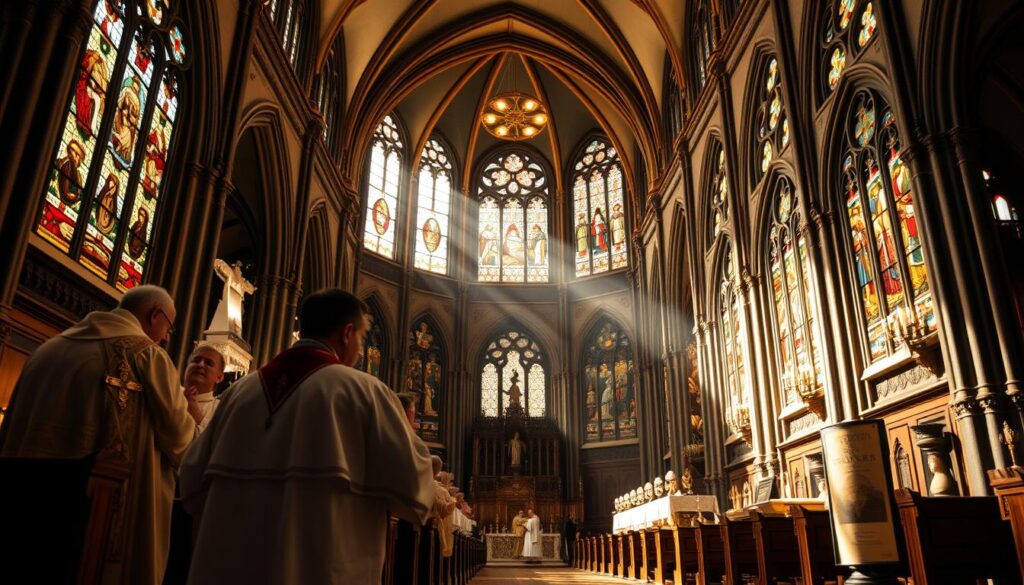
The Eucharist is celebrated regularly in Episcopal churches, reinforcing the belief in a continuous connection with God and the hope of eternal life. As Episcopalians participate in the Eucharist, they are reminded of their commitment to Christ and to the community of faith.
The Influence of Anglican Communion on Beliefs
The Anglican Communion plays a pivotal role in shaping Episcopalian views on eternal life and the afterlife. As a global communion of churches, it provides a rich tapestry of beliefs and traditions that influence the Episcopal Church’s understanding of life after death.

Shared Beliefs Across the Anglican Communion
The Anglican Communion is characterized by a shared heritage of faith and practice that transcends geographical boundaries. One of the core shared beliefs is the conviction in the resurrection of Jesus Christ and its implications for eternal life. This belief is foundational to the Episcopalian understanding of the afterlife, emphasizing the hope of eternal communion with God.
Across the Anglican Communion, there is a common affirmation of the baptismal covenant, which includes the promise to persevere in the apostles’ teaching and fellowship, in the breaking of bread, and in the prayers. This shared liturgical practice fosters a sense of unity and continuity in beliefs about the afterlife.
Variations in Afterlife Concepts
Despite the shared beliefs, there are variations in how different Anglican churches interpret and understand concepts related to the afterlife. For instance, the understanding of heaven, hell, and purgatory can vary significantly. Some Anglican churches place a strong emphasis on the communion of saints, while others may focus more on the individual’s personal relationship with God.
These variations reflect the diverse cultural and theological contexts within the Anglican Communion. They also underscore the communion’s commitment to dialogue and mutual respect, allowing for a rich diversity of beliefs and practices regarding the afterlife.
In conclusion, the Anglican Communion’s influence on Episcopalian beliefs about the afterlife is multifaceted, reflecting both shared convictions and diverse interpretations. This dynamic interplay enriches the Episcopal Church’s understanding of eternal life and its significance for the faithful.
Perspectives on Purgatory
The concept of purgatory, while not a central doctrine in Episcopalianism, touches on aspects of cleansing and redemption that are relevant to understanding Episcopalian beliefs about the afterlife. The Episcopalian tradition, rooted in the broader Anglican Communion, approaches the idea of purgatory with a nuanced perspective that reflects both its historical roots and its contemporary theological understandings.
Is Purgatory Recognized in Episcopalianism?
Officially, the Episcopal Church does not explicitly recognize purgatory as a defined doctrine. However, the idea of a state or process of purification after death is not entirely foreign to Episcopalian theology. The church’s liturgical practices and theological discussions often touch upon the concept of cleansing and preparation for the divine presence, reflecting a nuanced view that, while not directly endorsing purgatory, acknowledges the complexity of the soul’s journey after death.
Understanding Cleansing and Redemption
The concepts of cleansing and redemption are integral to Episcopalian beliefs about the afterlife. The Episcopal Church teaches that through prayer, sacraments, and acts of charity, the living can support the deceased in their journey towards God. This practice is based on the belief in the communion of saints, which underscores the connection between the living and the dead in the body of Christ.
The idea of cleansing is closely related to the theological understanding of God’s justice and mercy. It is believed that the souls of the deceased undergo a process of purification, ultimately preparing them to stand before God. This understanding, while not formally articulated as a doctrine of purgatory, shares similarities with the concept.
Community and Afterlife Support
Grief and mourning are significant aspects of the human experience, and the Episcopal Church offers a framework for navigating these challenges. The church’s approach to supporting believers through loss is rooted in its understanding of life after death and the importance of community.
The Church’s Role in Grief and Mourning
The Episcopal Church plays a vital role in supporting its members through the process of grief and mourning. By providing a supportive community, the church helps believers cope with loss and find comfort in their faith.
Support Mechanisms include pastoral care, counseling services, and support groups, all of which are designed to help individuals navigate their grief.
- Pastoral care provides emotional and spiritual support to those grieving.
- Counseling services offer professional guidance for coping with loss.
- Support groups create a community of individuals who have experienced similar losses.
Memorial Services and Their Significance
Memorial services are an important part of the Episcopal tradition, providing a meaningful way to honor the deceased and offer comfort to the bereaved. These services typically include prayers, readings, and eulogies, creating a rich and supportive liturgical environment.
The significance of memorial services lies in their ability to:
- Honor the life and legacy of the deceased.
- Provide a sense of closure for the bereaved.
- Reaffirm the community’s faith and hope in the resurrection.
By understanding the Episcopal Church’s approach to community and afterlife support, believers can find comfort and strength in their faith during times of loss.
Embracing Hope and Assurance After Death
The Episcopalian faith offers a profound perspective on life after death, rooted in the belief in an eternal life with God. This belief is not just about the afterlife; it’s about living a life that honors God and finds meaning in the promise of eternal life.
Faith as a Guiding Principle
The Rev’d. Catherine Thompson emphasizes that faith plays a crucial role in understanding what happens after death. According to Episcopalian beliefs, faith guides believers to live their lives to the fullest, embracing the hope and assurance that comes with the promise of life after death. Episcopalians believe that this hope is grounded in the resurrection of Jesus Christ, which is seen as a triumph over death.
Stories of Hope and Resilience
Inspirational stories of individuals who have faced death with faith and hope serve as powerful testimonies to the Episcopalian beliefs about life after death. These stories illustrate how the faith community comes together to support one another in times of grief and mourning, reflecting the Episcopal beliefs on life after death.
Understanding what Episcopalians believe happens after death provides a deeper insight into the faith’s teachings on eternal life, heaven, and the role of sacraments. By exploring these beliefs, individuals can gain a greater appreciation for the hope and assurance that defines the Episcopalian perspective on life after death.
FAQ
What do Episcopalians believe happens after death?
Episcopalians believe that after death, the soul continues to exist and is judged by God. They believe in the resurrection of the body and the life everlasting, as stated in the Apostles’ Creed.
What is the Episcopalian view on heaven?
Episcopalians believe that heaven is a state of being in the presence of God, where believers experience joy, peace, and love. They believe that heaven is not just a physical place, but a spiritual realm where the faithful dwell with God.
Do Episcopalians believe in hell?
Episcopalians believe in the concept of hell, but their understanding of it is not necessarily as a place of eternal punishment. Instead, they see hell as a state of separation from God, and the ultimate consequence of rejecting God’s love.
What is the significance of the Eucharist in Episcopalian afterlife beliefs?
In Episcopalianism, the Eucharist is considered a means of grace, where believers receive spiritual nourishment and are united with Christ. Episcopalians believe that the Eucharist helps to prepare them for eternal life and strengthens their faith in the face of death.
Is purgatory recognized in Episcopalianism?
The Episcopal Church does not officially recognize purgatory as a doctrine, but some Episcopalians may believe in a process of cleansing or purification after death. This concept is not universally accepted within the Episcopal Church.
How does the Episcopal Church support believers in relation to the afterlife?
The Episcopal Church provides support for believers through various means, including memorial services, pastoral care, and spiritual guidance. The church helps to comfort the grieving and provides a sense of community and connection for those who are mourning.
What is the Episcopalian understanding of eternal life?
Episcopalians believe that eternal life is a gift from God, made possible through the resurrection of Jesus Christ. They understand eternal life as a state of being in relationship with God, both in this life and in the life to come.
How does the Anglican Communion influence Episcopalian afterlife beliefs?
The Anglican Communion has a significant influence on Episcopalian afterlife beliefs, as the Episcopal Church is a part of this global communion. Episcopalians share many beliefs and practices with other Anglican churches, including their understanding of the afterlife.