Stepping into a faith community should feel like coming home. Many congregations across the U.S. focus on creating spaces where individuals connect deeply through shared spiritual practices. Whether gathering in traditional buildings, outdoor settings, or modern venues, these groups prioritize making everyone feel included.
Worship here centers on personal relationships rather than rigid rituals. This approach removes barriers, allowing people to engage in ways that resonate with their unique journeys. You’ll often find vibrant discussions, uplifting music, and opportunities to reflect—all designed to foster genuine connections.
Flexibility is key. Gatherings might happen Sunday mornings or during weeknights, adapting to modern lifestyles. The emphasis remains on accessibility, ensuring that newcomers and long-time members alike feel valued. No prior experience is needed—just an open heart ready to explore faith in a supportive environment.
Key Takeaways
- Protestant worship prioritizes personal connections with spirituality over formal rituals.
- Services occur in diverse locations, from traditional buildings to parks and community centers.
- All backgrounds are welcomed, creating an inclusive atmosphere for spiritual exploration.
- Modern scheduling options accommodate busy lifestyles without compromising tradition.
- Music, discussion, and reflection form the core of these uplifting gatherings.
A Warm Invitation to Our Community
Communities thrive when everyone feels valued from day one. Many gatherings prioritize creating spaces where relationships grow naturally through shared meals, study groups, and collaborative projects. Whether you’re new to faith or deepening your journey, these environments focus on mutual respect and belonging.
You’ll find small groups tailored to different interests—from parenting workshops to volunteer teams. These activities build bridges between generations and backgrounds. One attendee shared, “It’s rare to find a place where questions are welcomed as much as answers.”
What makes these groups stand out? Four key elements:
| Focus Area | Activities | Impact |
|---|---|---|
| Inclusivity | Multicultural events | Builds diverse connections |
| Growth | Book clubs & mentorship | Strengthens personal journeys |
| Support | Meal trains & counseling | Fosters practical care |
Weekend services often flow into weekday connections. Members regularly meet for coffee walks or neighborhood cleanups. This rhythm helps people integrate faith into daily life rather than keeping it separate.
Young families appreciate childcare during discussions, while retirees lead history-focused Bible studies. Such flexibility ensures everyone contributes meaningfully. As one longtime member noted, “We’re not just a crowd—we’re teammates.”
Tracing the Historical Roots of Protestant Worship
Imagine a time when spiritual access depended on institutions rather than personal connection. The 16th century brought seismic shifts as thinkers across Europe reimagined faith’s role in daily life. This era birthed ideas that still shape how many engage with spirituality today.
Influential Reformation Figures
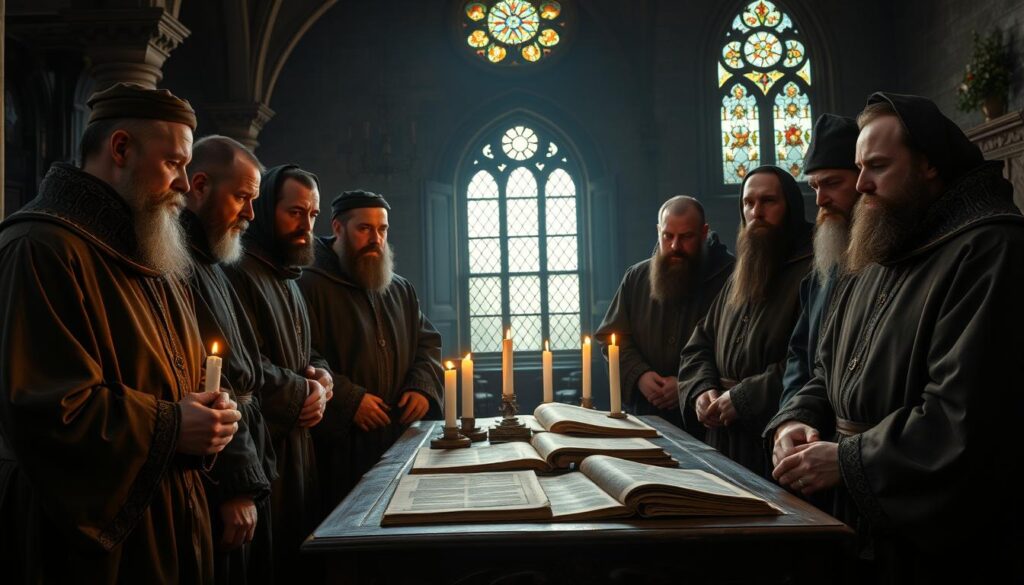
Martin Luther’s 1517 critique of Catholic Church practices ignited a spiritual revolution. His belief in “faith over hierarchy” resonated widely. John Calvin later systematized these ideas in Geneva, while Huldrych Zwingli championed Scripture-focused gatherings in Switzerland.
These leaders shared a goal: making faith accessible through language people understood. John Knox spread these principles to Scotland, creating lasting changes. Their collective work challenged centuries-old traditions, prioritizing individual understanding.
Evolution of Worship Practices
Reformers simplified ceremonies to refocus on core beliefs. Where the Catholic Church used Latin, they embraced local languages. Complex rituals gave way to communal singing and group Bible study.
| Aspect | Pre-Reformation | Post-Reformation |
|---|---|---|
| Scripture Access | Limited to clergy | Available to all |
| Language | Latin only | Local dialects |
| Ceremonies | Elaborate rituals | Simplified services |
This shift created diverse traditions across Europe. From Germany’s hymn-singing congregations to Scotland’s sermon-centered gatherings, communities adapted reforms to their cultures. These changes still influence modern spiritual practices, proving ideas from the 16th century remain vital today.
Architecture and Ambiance in Reformed Churches
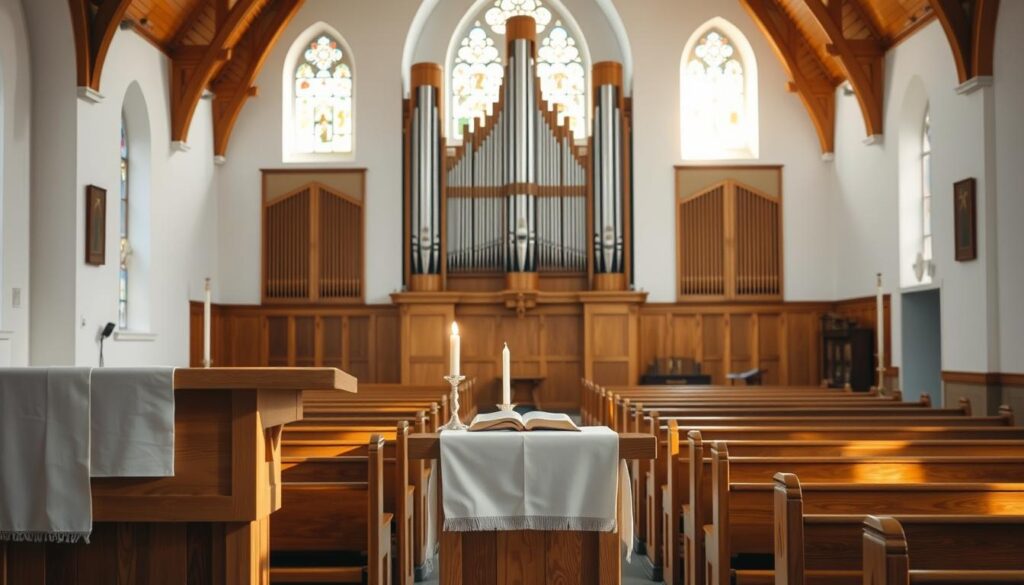
Walk into a space where every detail serves a purpose. Reformed churches use intentional design to eliminate distractions, directing attention toward spiritual reflection. Stark white walls and unadorned windows create a blank canvas for personal connection with sacred texts.
Minimalist Interiors and Symbolism
You’ll notice three defining features immediately. Wooden pews face a raised pulpit—its “soundboard lid” amplifying voices without microphones. At the center rests an open Bible, often centuries old, symbolizing timeless truth. Walls display engraved verses like “Sola Scriptura” (Scripture Alone), grounding the space in foundational beliefs.
The most striking element? A plain cross without the crucified Christ. This deliberate choice reminds visitors of resurrection hope rather than suffering. As one architect explained, “Empty crosses proclaim victory, not defeat.”
Four principles shape these designs:
- Clutter-free zones for undistracted prayer
- Acoustics enhancing spoken teachings
- Scripture as primary decoration
- Furniture arranged for communal focus
Light streams through clear glass, symbolizing spiritual clarity. Modern reformed churches maintain this simplicity while adding wheelchair ramps and screens for lyrics—proving tradition adapts without losing its soul.
The Heart of Protestant Liturgy
Discover how words and melodies intertwine to create meaningful spiritual experiences. Rooted in centuries-old traditions, these gatherings balance structure with personal connection. Each element—from spoken words to sung verses—guides participants through moments of reflection and unity.
Scripture Readings and Prayers
Central to every gathering are carefully chosen biblical texts. Leaders select passages that align with themes like hope or renewal, making ancient wisdom feel immediate. “The goal is relevance without compromise,” explains a ministry leader from Texas.
Prayers follow a natural rhythm—sometimes silent, often spoken together. This mix allows both personal reflection and shared intention. Seasonal changes, like Lenten meditations or Advent anticipations, keep the liturgy fresh year-round.
Psalms, Hymns, and Responsive Singing
Music transforms words into collective expression. Congregations might sing centuries-old psalms or modern worship songs, always in language everyone understands. Responsive readings turn passive listening into active participation.
| Season | Musical Focus | Key Themes |
|---|---|---|
| Advent | Anticipatory hymns | Hope, preparation |
| Lent | Reflective chants | Renewal, sacrifice |
| Easter | Joyful choruses | Resurrection, joy |
This approach honors tradition while welcoming new voices. As one attender noted, “Singing together feels like adding your thread to a living tapestry.” Whether through ancient texts or modern melodies, these practices build bridges across generations.
Understanding the Protestant Church Service
Every Sunday morning, communities gather in a rhythm that blends ancient traditions with modern life. These gatherings center on shared learning and celebration, creating spaces where people explore faith together. At their core, they combine three elements: scriptural study, musical reflection, and communal connection.
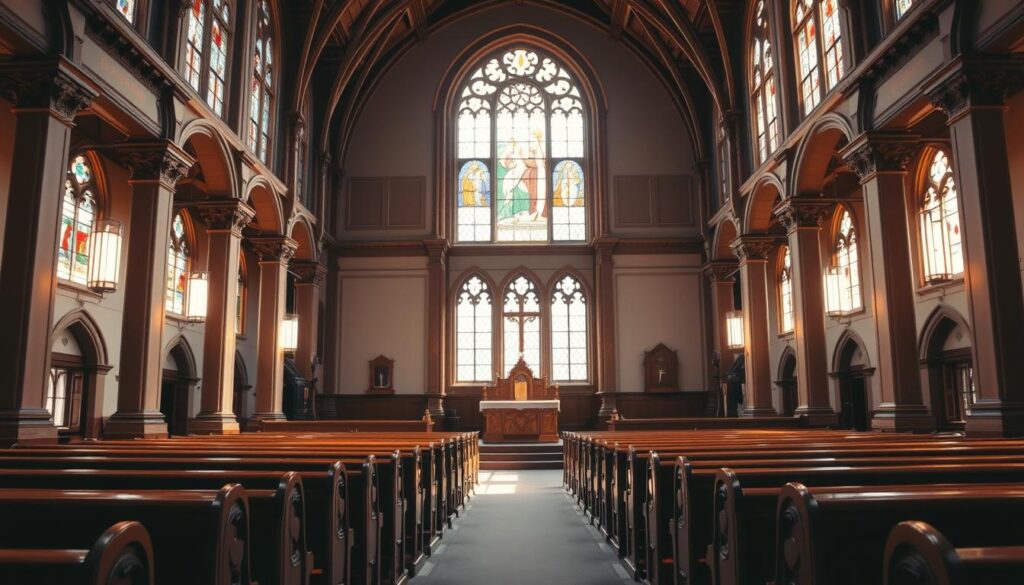
Leaders invest significant time shaping these experiences. A pastor might spend hours selecting passages that resonate with current challenges, pairing them with hymns that amplify their message. “The goal is harmony between words and music,” shares a minister from Ohio. This careful coordination ensures each element supports the day’s theme.
Attendees aren’t passive observers. Discussions often follow readings, inviting personal insights. Many groups use responsive prayers or breakout sessions, encouraging everyone to contribute. This active approach helps teachings stick beyond the gathering.
| Element | Traditional Approach | Modern Adaptation |
|---|---|---|
| Scripture Focus | Lectern-based reading | Interactive Q&A sessions |
| Music | Organ-led hymns | Multigenerational bands |
| Sacraments | Formal ceremonies | Explanatory guides for newcomers |
Balance defines these gatherings. While some moments follow centuries-old patterns, others feel spontaneous—like coffee chats after singing ends. This mix of structure and flexibility lets people honor tradition while building authentic relationships.
Ultimately, these meetings aim to equip attendees for daily life. Practical takeaways and supportive networks help individuals apply spiritual principles at work, home, and beyond. As one regular participant notes, “It’s like getting tools for living well.”
Sacraments and Spiritual Celebrations
At the heart of spiritual traditions lie moments that bridge the divine and daily life. Two practices unite believers across generations through tangible symbols and shared meaning. These sacred acts create touchstones for personal reflection and collective identity.
Holy Communion: Bread, Wine, and Meaning
Communities gather around simple elements carrying profound significance. Bread and wine become channels for remembering ancient stories of sacrifice and hope. “We taste grace in every crumb,” shares a Minnesota worship leader.
Frequency varies—some groups share this meal weekly, others quarterly. What remains constant is the focus on spiritual nourishment rather than ritual obligation. The elements stay symbolic, inviting participants to connect with sacred narratives personally.
Baptism: A Rite of Faith and Belonging
Water becomes a powerful declaration of new beginnings here. Whether infants or adults, individuals receive public welcome into a supportive network. Sunday ceremonies often feature whole congregations pledging to guide newcomers’ journeys.
This practice differs from other traditions by emphasizing community commitment over individual merit. Baptism marks both a starting point and ongoing invitation to grow. As one Texas member notes, “The water dries, but the promises remain.”
Both sacraments anchor faith journeys in physical acts. They transform abstract beliefs into shared experiences, creating lasting bonds between participants across lifetimes.
The Significance of Bible Readings and Inspiring Sermons
Words shape worlds in spiritual gatherings. Carefully chosen scriptural readings anchor these moments, offering wisdom that spans centuries. Leaders select passages addressing modern dilemmas—parenting challenges, workplace ethics, or social justice—to show the living relevance of ancient texts.
Before each reading, voices unite in prayer: “Open our minds to Your truth.” This invitation seeks divine guidance to interpret the Word of God with fresh eyes. A Texas minister explains, “We’re not just reciting words—we’re asking for transformation.”
Sermons bridge timeless truths with today’s complexities. Speakers spend hours researching historical contexts while crafting relatable stories. The result? A 20-minute journey that quiets daily noise and sparks reflection. Topics range from forgiveness in fractured relationships to finding purpose in uncertain times.
| Sermon Element | Traditional Approach | Modern Adaptation |
|---|---|---|
| Scripture Analysis | Verse-by-verse breakdown | Real-life case studies |
| Delivery Style | Pulpit-centered | Interactive Q&A segments |
| Practical Application | General principles | Actionable next steps |
Newcomers appreciate clear explanations of symbolic language, while seasoned attendees value deeper dives into biblical text. This balance ensures everyone encounters the Word of God at their current spiritual stage, yet leaves challenged to grow.
Music and Worship: From Traditional Hymns to Contemporary Praise
Music bridges centuries of tradition with modern spiritual expression. Vibrant melodies and heartfelt lyrics create shared moments that transcend generations. Across congregations, you’ll find instruments ranging from pipe organs to electric guitars—each shaping unique atmospheres for connection.
The Role of the Organ in Worship
Grand pipe organs once dominated spiritual gatherings, their rich tones filling sacred spaces. These instruments still anchor traditional services, providing acoustic depth to classic hymns. Many cherish the organ’s ability to unite voices—a single musician can lead hundreds in harmonious praise.
Modern Praise and Charismatic Expressions
The charismatic movement reshaped musical practices in the 20th century. It introduced bands with drums and keyboards, encouraging spontaneous clapping and raised hands. “We’re not just singing—we’re having a conversation with God,” shares a worship leader from California.
| Element | Traditional | Contemporary |
|---|---|---|
| Instruments | Organ, piano | Guitars, drums |
| Participation | Hymnbooks | Projected lyrics |
| Style | Structured verses | Repeating choruses |
Many congregations blend both approaches. A Sunday morning might open with a Bach prelude before transitioning to upbeat praise songs. This balance honors history while embracing cultural shifts.
Spontaneous prayers and personal testimonies now complement scheduled programs. In evangelical gatherings, you’ll hear shouts of “Amen!” mid-song—a stark contrast to earlier formalities. Yet whether through organs or amplifiers, the goal remains: creating spaces where hearts unite in joyful expression.
Family Worship as a Spiritual Tradition
Daily spiritual rhythms transform homes into sacred spaces. Since 1565, families have gathered twice daily for shared devotion—a practice born from Reformed traditions. Fathers led households in scripture readings, prayer, and psalm singing, making faith part of everyday life rather than a Sunday-only event.
This discipline strengthened bonds while reinforcing teachings from congregational gatherings. As one historical record notes, “The home became a school of Christ.” Children learned values through repetition, while adults found accountability in shared spiritual habits.
Modern families adapt these traditions creatively. Some use breakfast time for short Bible discussions, while others play worship music during evening routines. Busy schedules inspire innovations like:
- Podcast devotionals during school commutes
- Prayer journals passed between family members
- Scripture memory apps with daily reminders
These practices help people maintain spiritual consistency despite hectic lives. A parent from Colorado shares, “Our 10-minute bedtime prayers matter more than perfect attendance at church events.” By weaving faith into household rhythms, families create lasting foundations for character growth across generations.
The Role of Pastors and Lay Preachers in Service
Leadership in spiritual communities thrives on guidance, not hierarchy. Spiritual leaders focus on helping others grow through shared wisdom and practical support. Their work blends deep theological knowledge with real-life understanding.
Teaching with Faith and Clarity
Pastors often wear simple black robes during gatherings—a tradition symbolizing their role as teachers. Two white ties represent their dedication to both Old and New Testament teachings. “The robe isn’t about status,” explains a Minnesota pastor. “It reminds us we’re here to serve, not rule.”
In Reformed congregations, women lead with the same authority as men. This inclusivity reflects a belief that spiritual gifts transcend gender. Lay preachers further enrich communities by sharing insights from diverse life experiences.
| Role | Requirements | Focus | Contribution |
|---|---|---|---|
| Pastors | Master’s in Divinity | Scriptural depth | Long-term mentorship |
| Lay Preachers | Theology certification | Practical application | Fresh perspectives |
People appreciate how leaders balance expertise with approachability. Lay volunteers often train for months before speaking publicly, ensuring teachings align with community values. One attender notes, “Our leaders feel like trusted friends who’ve done their homework.”
This collaborative model helps people connect ancient truths to modern challenges. Whether through seminary-trained pastors or volunteer speakers, spiritual growth becomes a shared journey.
Exploring Evangelical and Charismatic Worship Styles
Spontaneity and passion fuel today’s evolving worship experiences. Evangelical churches prioritize heartfelt expressions, where prayers flow freely without scripts. Attendees often share personal stories of transformation, creating spaces where vulnerability meets celebration.
The charismatic movement amplifies this energy through physical expressions of faith. Raised hands, joyful shouts, and dance frequently accompany modern worship songs. In these gatherings, ancient spiritual truths feel immediate and accessible.
Music bridges tradition with innovation here. Contemporary hymns blend electric guitars and drums with lyrics about personal divine relationships. Many churches adopt this style while keeping core teachings central.
What unites these approaches? A focus on authentic connection over performance. Whether through silent reflection or energetic praise, both traditions invite people to engage deeply. They prove spirituality thrives when hearts lead the way.
FAQ
How does today’s worship differ from 16th-century Reformed practices?
While many congregations still emphasize Scripture and congregational singing, modern gatherings often blend traditional elements—like psalmody—with contemporary music. The focus on preaching and sacraments remains central, but liturgy has evolved to resonate with diverse generations.
Why is Communion celebrated less frequently in some traditions?
Early Reformed communities emphasized reverence for the Lord’s Supper, often observing it quarterly to highlight its sacredness. This practice contrasts with Lutheran or Catholic traditions, though many now integrate it monthly to deepen spiritual reflection.
What symbolism is found in minimalist Reformed architecture?
Simple interiors direct attention to the Word of God. Features like an unadorned pulpit, plain glass windows, and a central communion table reflect values of humility and focus on communal participation over ritual ornamentation.
Are children included in sacraments like Baptism?
In denominations practicing infant baptism, it symbolizes inclusion in the faith community. Other groups, like Baptists, reserve it for professing adults, viewing it as a personal declaration of faith in Jesus Christ.
How do pastors prepare sermons in Reformed traditions?
Clergy often follow lectionary texts or preach through biblical books verse-by-verse. The goal is to connect Scripture’s teachings to daily life, fostering both understanding and practical application among members.
What role does music play in charismatic-influenced services?
Contemporary praise bands, spontaneous worship, and expressive singing reflect the Holy Spirit’s movement. These styles coexist with hymns in many evangelical churches, creating vibrant, participatory atmospheres.
Why do some congregations use responsive readings?
This practice dates to Reformation-era emphasis on congregational involvement. It unites voices in confessing faith, reciting psalms, or affirming creeds—reinforcing shared beliefs and active engagement.
How is church discipline addressed during services?
While less common today, historic Reformed liturgies included communal repentance and pastoral guidance. Modern adaptations might incorporate prayer for forgiveness or teachings on accountability within the faith community.
Do evangelical styles borrow from Lutheran or Catholic traditions?
Some blend liturgical elements—like candlelit Advent services—with informal preaching. This fusion reflects a growing appreciation for ancient practices while maintaining emphasis on personal faith and Scripture.
Are non-members welcome to participate in sacraments?
Policies vary. Many congregations practice open Communion, inviting all believers. Baptism typically requires commitment to the local body, emphasizing its role as a covenant within the community.