France’s spiritual landscape features a mosaic of Christian traditions, including dynamic faith communities rooted in the Reformation. These groups blend historic practices with modern expressions of belief, forming tight-knit networks across cities and countryside alike. Their influence stretches far beyond Sunday services, shaping local culture through education initiatives and social outreach.
Nearly 2 million individuals identify with these traditions today, maintaining a presence that has weathered centuries of change. From the cobblestone streets of Alsace to sunlit villages in Occitanie, these congregations preserve unique identities while fostering unity. Many host bilingual services or cultural events, reflecting France’s growing international population.
Globally, these movements connect to a wider family of over 800 million adherents. This worldwide network shares core values like scripture-based teaching and personal faith journeys. Local gatherings often emphasize practical applications of belief through volunteer programs and youth activities.
Key Takeaways
- France hosts diverse Christian communities with roots in Reformation-era traditions
- Historic and modern worship styles coexist across urban and rural areas
- These groups contribute to social services and cultural preservation efforts
- Global connections unite local congregations with international movements
- Multilingual services cater to France’s international residents
- Community programs extend support beyond religious activities
Historical Evolution and Resilience
The journey of Reformation-aligned communities through French history reads like a thriller of survival. For over two centuries, their story swung between hard-won freedoms and crushing restrictions. The Edict of Nantes, signed in 1598, initially offered breathing room – though with strict rules about where they could gather.
Revocation of the Edict and Its Impact
Everything changed in 1685. Louis XIV’s revocation edict didn’t just erase religious rights – it sparked a cultural earthquake. Authorities demolished sacred spaces like Charenton Temple, once France’s largest at 33 meters long. Followers risked everything for secret “Desert Church” meetings, using cleverly hidden pulpits shaped like wine barrels.
This crackdown lasted a full century. Yet underground networks kept traditions alive through coded hymns and smuggled texts. The 1787 Edict of Toleration finally ended official persecution, paving the way for 1789’s landmark civil rights declaration.
Temples Rebuilt as Testimony of Faith
Rebuilding efforts became acts of defiance. Communities like Luneray spent six years constructing new gathering places after 1812. These structures blended practical design with symbolic touches – arched windows echoing earlier styles, towers standing shorter than Catholic steeples.
Each reconstructed space whispered, “We’re still here.” From stone foundations to wooden pews, every element honored both past struggles and future hopes. This architectural resilience turned physical spaces into living history books.
Understanding Protestant Churches in France Today
Modern faith communities across the country balance rich traditions with fresh approaches to spiritual life. Over a century of organized collaboration helps these groups maintain their distinct identities while addressing contemporary needs.
Modern Worship and Community Engagement
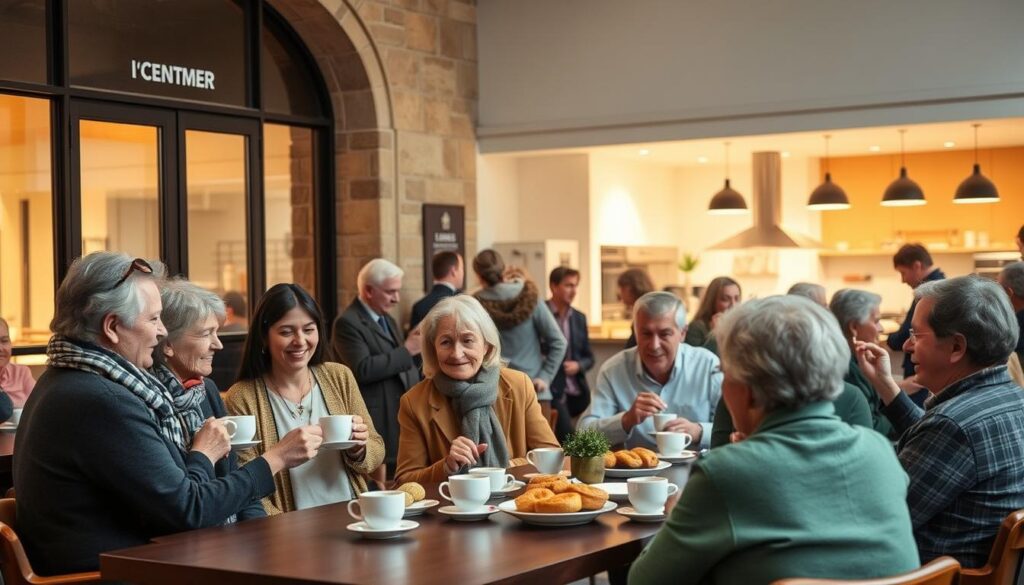
Sunday services might feature centuries-old hymns played on digital keyboards or bilingual Bible readings. Many gatherings incorporate art exhibitions or café-style discussions alongside traditional sermons. This blend keeps worship meaningful for multiple generations.
Beyond spiritual practices, community support programs thrive. Volunteers run food banks, language classes, and job training centers. Youth groups often partner with schools to promote cultural exchange projects.
The Role of French Protestant Federations
The French Protestant Federation, founded in 1905, connects 30+ denominational unions. Its 1,400 parishes share resources like chaplaincy services and media networks while preserving unique traditions. A 25-member council guides national initiatives four times yearly.
Through 80+ associations, the fédération protestante operates 500 social institutions. These range from retirement homes to immigrant support centers, demonstrating faith in action.
From Past Persecutions to Present Day Freedoms
Historical resilience shapes current priorities. Many members actively defend religious liberty through interfaith coalitions. Others address systemic inequality, continuing their ancestors’ fight for justice.
New applications for federation membership arrive regularly, proving these communities remain vital. Their ability to adapt while honoring legacy offers lessons in cultural endurance.
Regional Diversity and Heritage
France’s geographic tapestry tells distinct stories of faith through its landscapes. Two areas stand out for their enduring spiritual legacies, while others reveal surprising patterns of belief distribution.
Alsace, Languedoc, and Beyond
In the northeast, Alsace’s unique history created a protected haven. Unlike other areas, this region maintained a 1801 agreement with the state. ECAAL Lutheran communities still benefit from this arrangement, with clergy salaries partially funded publicly.
Southern France tells a different tale. The Languedoc area became a Reformation hotspot in the 1500s. Today, over 40% of its religious buildings belong to the Reformed Church. “Our steeples remember,” locals often say, referencing centuries of continuous worship.
| Region | Historical Background | Denominations | Cultural Influences |
|---|---|---|---|
| Alsace | Special legal status since 1801 | Lutheran (ECAAL), Reformed (ERAL) | Germanic architecture, bilingual services |
| Languedoc | 16th-century Reformation center | French Reformed Church dominant | Occitan traditions, rural community focus |
| Other Areas | Post-Revocation urban migration | Mixed denominations | Contemporary worship styles |
Regional associations adapt their services to local needs. Alpine groups might organize mountain retreats, while Parisian teams host multicultural events. This tailored approach keeps communities engaged across different landscapes.
Beyond these heartlands, surprising pockets emerge. Brittany’s coastal towns and central France’s cities maintain vibrant groups. These often blend historic practices with modern outreach movements, creating fresh expressions of tradition.
Conclusion
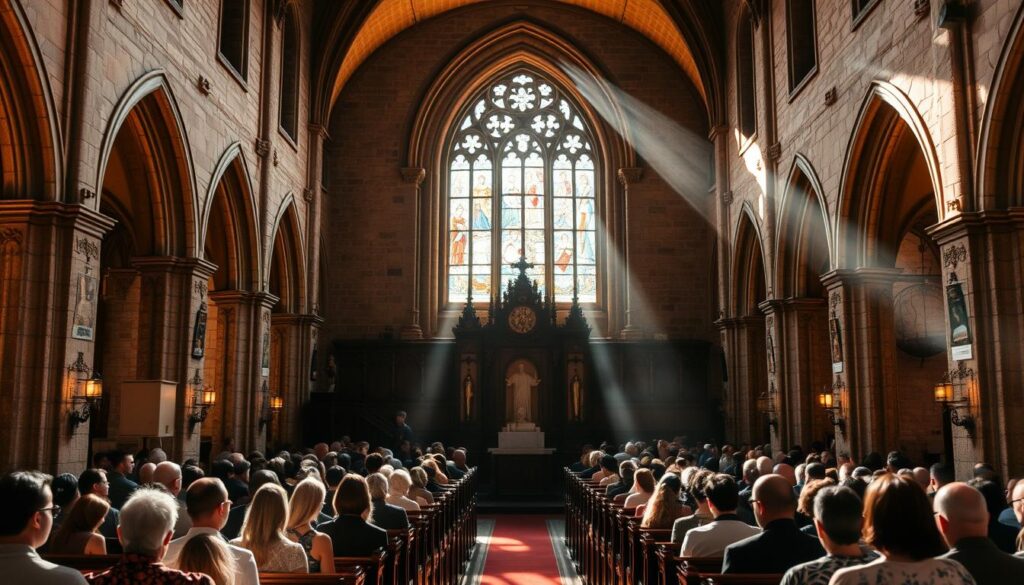
Napoleon’s 1802 Concordat marked a seismic shift, granting legal recognition to faith communities after centuries of struggle. The iconic Oratoire du Louvre – gifted to Parisian believers in 1811 – still hosts weekly services, its stone walls echoing with hymns spanning generations.
Stories of resilience shine through landmarks like Le Pöet-Laval. This 16th-century sanctuary survived persecution by masquerading as a home before reopening in 1860. Today, it functions as both museum and active worship space, bridging past and present.
Modern collaborations reveal thriving networks. Many congregations hold dual membership in national federations, blending tradition with 21st-century outreach. Over 500 social initiatives – from youth programs to immigrant support – demonstrate faith in action.
From clandestine meetings to protected legal status, these communities model adaptation without losing core identity. Their journey mirrors France’s broader embrace of religious pluralism, offering lessons in cultural endurance to the wider world.
FAQ
How did the revocation of the Edict of Nantes affect religious communities?
The 1685 revocation led to persecution, forcing many to flee or practice secretly. Temples were destroyed, but underground networks kept traditions alive until legal recognition returned in the 19th century.
What role do regional areas like Alsace play in preserving heritage?
Regions such as Alsace and Languedoc maintain strong cultural ties to their history. Historic temples, local festivals, and community initiatives highlight their enduring legacy of resilience.
How do modern congregations balance tradition with contemporary life?
Many blend traditional hymns with modern worship styles, prioritize social justice outreach, and host interfaith dialogues to stay relevant while honoring their roots.
What is the French Protestant Federation’s purpose today?
The federation unites various associations, advocates for religious freedom, and coordinates initiatives like humanitarian aid and interchurch collaboration across the country.
Are there differences in worship practices between regions?
Yes! Congregations in areas like Cévennes emphasize historic liturgy, while urban centers often adopt flexible formats, reflecting local cultural and generational influences.
How did historical persecution shape today’s faith communities?
Past struggles fostered a commitment to religious tolerance and activism. Many groups now focus on human rights, refugee support, and promoting dialogue across belief systems.