Step into a world where stone walls whisper tales of faith and resilience. In this Belgian city, towering spires aren’t just landmarks—they’re time capsules preserving centuries of spiritual evolution. Every archway and stained-glass window holds secrets of religious transformation that shaped Europe.
What makes these sacred spaces so unique? They’ve survived political upheavals, cultural shifts, and the test of time. From Emperor Charles V’s birth in 1500 to the Reformation’s ripple effects, the city became a crossroads for ideas that redefined faith communities.
Today, visitors find more than quiet prayer halls. These structures stand as living monuments to human perseverance. Their blend of Gothic grandeur and symbolic details reveals how belief systems adapted while retaining their core identity.
Key Takeaways
- Ghent’s religious sites blend architectural mastery with 800+ years of history
- The city played a crucial role in Europe’s Reformation movements
- Historic churches here symbolize enduring religious freedom
- Charles V’s birthplace ties to broader Protestant narratives
- Modern visitors experience layered stories of faith and survival
Introduction and Historical Overview
Picture a time when trade routes buzzed with ideas as vibrant as the goods they carried. The sixteenth-century Low Countries—a patchwork of territories spanning modern Belgium, Luxembourg, and beyond—became Europe’s cultural melting pot. Here, merchants and thinkers shaped a region primed for transformation.
Setting the Scene in Ghent
In 1500, a royal birth changed everything. Charles V entered the world here, destined to rule empires from Spain to Germany. His 1515 inheritance of the Low Countries placed this strategic city at the heart of Europe’s power struggles.
Ghent thrived as a hub where cloth merchants and scholars crossed paths. Its canals carried more than cargo—they floated revolutionary concepts that would later fuel religious debates. The city’s wealth built towering structures, but its true legacy lay in fostering exchange.
The City’s Rich Heritage and Past
By mid-century, the region simmered with new beliefs. Protestant teachings spread like wildfire through the Low Countries, challenging old traditions. Ghent’s location made it both a battleground and a bridge between conflicting ideologies.
What emerged wasn’t just tolerance, but a blueprint for coexistence. Centuries of cultural layering created spaces where different faiths eventually found common ground. Today, visitors trace this journey through archives and architecture alike—proof that even divided histories can weave threads of peace.
Architectural Marvels and Visual Splendor
Imagine standing beneath vaulted ceilings that echo with ancient prayers. These sacred buildings rise like stone symphonies, their spires conducting light through colored glass. Every carving whispers secrets of craftsmanship passed down through generations.
Iconic Towers and Monumental Features
Look closely at the towers—each tells a different story. The tallest ones served dual purposes: calling worshippers to prayer and asserting dominance over the skyline. Flying buttresses aren’t just supports; they’re stone lacework defying gravity.
Notice how window tracery evolved across centuries. Early designs favored geometric precision, while later styles embraced flowing natural motifs. This shift mirrors changing attitudes toward faith and art.
Preservation and Modern Significance
Restoration teams face a delicate balance. How do you reinforce aging walls without erasing their stories? Modern techniques like 3D scanning meet traditional lime mortar recipes to protect these treasures.
| Century | Architectural Feature | Symbolic Meaning |
|---|---|---|
| 16th | Simplified altars | Rejection of excess |
| 17th | Hidden chapels | Discreet worship |
| 18th | Repurposed bells | Community resilience |
Today, these spaces host both memorial services featuring comforting scriptures and jazz concerts. Their adaptability proves true preservation means keeping stories alive—not frozen in time.
The city’s identity thrives in this harmony. Visitors touch walls that weathered iconoclasm and revolutions, finding inspiration in enduring beauty.
The Reformation and Its Impact on the Low Countries
When did faith become a crime? In the 16th century, radical ideas about religion swept through the Low Countries like a storm. This region became ground zero for clashes between old traditions and new beliefs that reshaped Europe’s spiritual landscape.
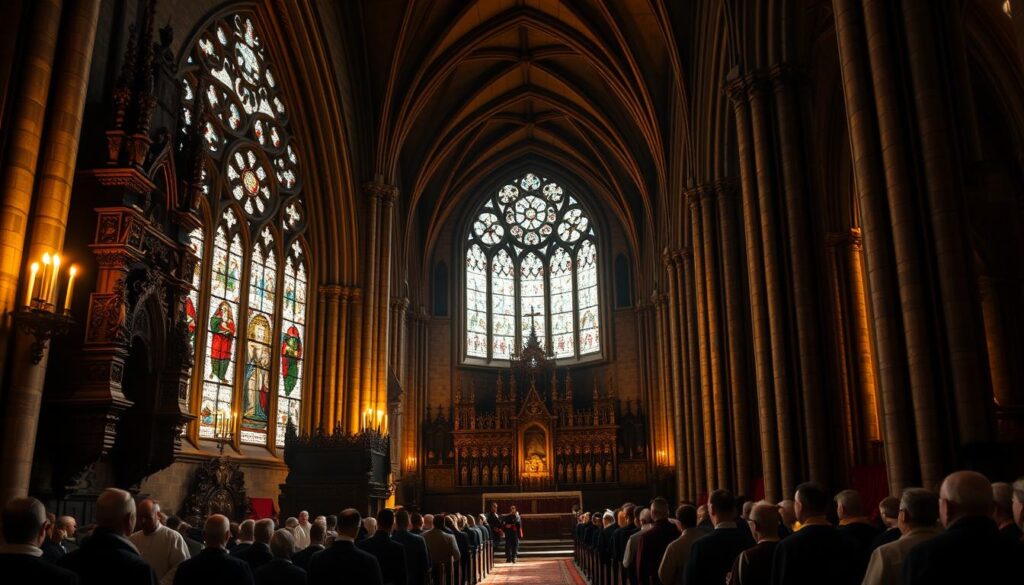
Struggles, Repression, and Rise of Change
Brussels’ Grand Place witnessed horror in 1523. Two monks who embraced Luther’s teachings faced fiery execution—a warning to others. By 1529, Emperor Charles V’s laws made dissent deadly. Thousands vanished into prisons or met brutal ends.
Yet fear couldn’t extinguish the spark. Secret meetings flourished in attics and cellars. Banned texts circulated through ports. By 1566, one in five residents secretly followed reformist ideas—a silent revolution growing beneath official radar.
Historical Conflicts and the Spread of Protestantism
1574 brought a fragile truce. The Pacification agreement offered temporary peace, proving even bitter enemies could negotiate. This brief respite allowed communities to rebuild—and plan.
The movement’s survival changed everything. It forced leaders to reconsider rigid control. Markets adapted to new moral codes. Art began reflecting personal faith over institutional grandeur. These shifts laid foundations for modern pluralistic societies.
Exploring the protestant church ghent: Community and Legacy
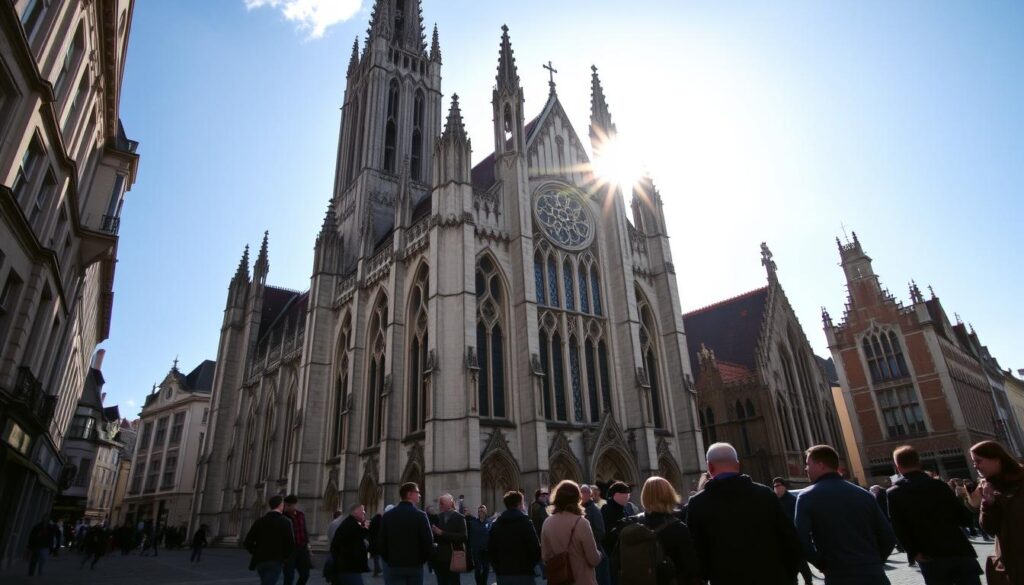
Sunday mornings in this historic district begin with bells echoing through cobblestone streets. For over four centuries, generations have gathered here to nurture traditions while building bridges with modern seekers. This spiritual hub remains a living archive of shared values and collective memory.
Weekly Services and Community Connections
Join the congregation each Sunday at 10 AM as sunlight filters through heritage windows. The service blends timeless hymns with contemporary reflections, creating a tapestry of past and present. All are welcome—whether seeking quiet contemplation or meaningful dialogue.
After the final prayer, visitors find more than quiet reflection. The aroma of freshly brewed coffee invites everyone to linger and connect. These casual gatherings often spark friendships that last decades, proving community thrives through simple acts of sharing.
| Activity | Significance | Frequency |
|---|---|---|
| Sunday Service | Connects modern and historical faith | Weekly |
| Coffee Hour | Fosters community bonds | Every gathering |
| Holiday Events | Celebrates traditions | Seasonal |
Special occasions reveal the space’s true versatility. From Easter concerts to autumn food drives, these events transform ancient walls into vibrant stages for service. Volunteers recently organized a winter coat exchange, demonstrating how historic institutions address modern needs.
Through changing times, one truth remains: belonging grows when stories are shared across generations. The legacy continues not in stone carvings, but in hands clasped during prayers and laughter echoing down centuries-old aisles.
Planning Your Trip: A Friendly Guide to Ghent’s Historical Gems
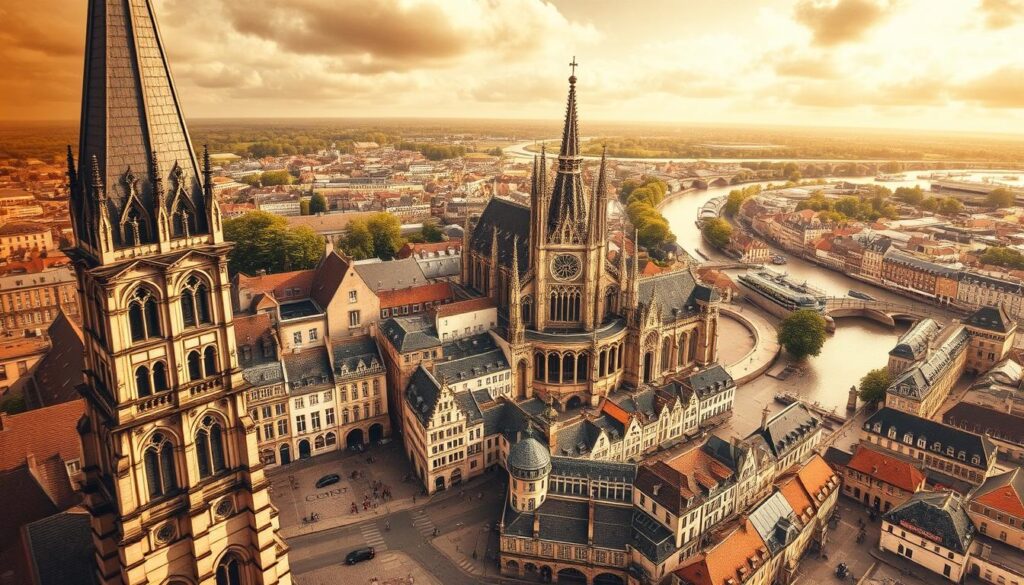
Ever wondered how to walk through centuries in a single afternoon? This medieval marvel offers time-travel experiences around every corner. Let’s craft your perfect itinerary blending architectural wonders with living traditions.
Local Events, Visitor Tips, and Cultural Insights
Spring and fall bring mild weather perfect for exploring. Summer festivals light up the streets, while Advent concerts fill sacred spaces with seasonal magic. Check local calendars for heritage walks led by passionate historians.
| Event | Month | Highlight |
|---|---|---|
| Light Festival | January | Illuminated architecture |
| Floralien Show | April | Flower displays in historic settings |
| Medieval Feast | August | Costumed reenactments |
Comfortable shoes beat fancy footwear here. Cobblestone lanes demand practical choices. Morning visits often mean smaller crowds at popular sites.
A Journey Through Time and Faith in Ghent
Start at St. Bavo’s Cathedral before 11 AM to beat tour groups. Then wander toward the Design Museum – its 16th-century facade hides modern treasures. Don’t miss hidden chapels converted into cozy art spaces.
Local guides share juicy tidbits most miss. “The real drama’s in the details,” says historian Marie De Vos. “Look for masons’ marks on stonework – medieval quality control stamps.”
End your day with a canal cruise at dusk. Golden hour transforms ancient facades into glowing storybooks. These floating tours reveal why this UNESCO-recognized city keeps stealing hearts across generations.
Conclusion
As your journey through Belgium’s spiritual landscape concludes, you carry stories of resilience etched in stone and spirit. This nation of 10.5 million showcases remarkable coexistence, with 8.75 million Catholics and 145,000 Protestants sharing neighborhoods and values. What began as turbulent Reformation-era conflicts now blossoms into quiet understanding—proof that time can transform division into dialogue.
Your exploration reveals more than stunning architecture. Each weathered pillar and preserved artifact whispers how communities adapt while honoring their roots. These spaces didn’t just survive history—they reinvented themselves as bridges between eras and beliefs.
The true marvel lies not in vaulted ceilings, but in living traditions that welcome all seekers. Through centuries of change, this historic church became a beacon of mutual respect. It reminds us that diversity strengthens societies when we choose connection over conflict.
Carry home this lesson from your Belgian trip: shared spaces become sacred through open hearts. Whether lighting candles or sipping coffee with locals, you’ve witnessed how faith communities write new chapters while preserving their soul. That’s the enduring gift of historic places—they teach us to honor the past while building inclusive futures.
FAQ
What role did this historic site play during the Reformation?
The location served as a symbol of religious transformation in the Low Countries. It became a focal point for those advocating reform, despite facing repression during the 16th century. Its legacy reflects resilience amid shifting cultural tides.
Are guided tours available to explore the architecture?
Yes! Visitors can admire iconic towers and preserved interiors through scheduled tours. Many tours highlight how restoration efforts blend medieval craftsmanship with modern preservation techniques.
How does the community engage with visitors today?
Weekly services welcome all, and local events like cultural lectures or seasonal markets foster connections. It’s a living space where history meets contemporary fellowship.
What nearby landmarks should I include in my trip?
Pair your visit with stops at St. Bavo’s Cathedral or Gravensteen Castle. The city’s cobblestone streets and canals create a timeless backdrop for exploring centuries of heritage.
Were there conflicts tied to this place’s history?
Absolutely. The 16th-century religious wars impacted the region deeply. Struggles for faith-based freedom shaped its story, leaving layers of historical significance still felt today.
Can I attend special events or ceremonies here?
Seasonal concerts, interfaith dialogues, and commemorative gatherings often take place. Check local listings for dates—these occasions offer unique insights into the area’s enduring spirit.