Welcome to your guide to a hidden gem nestled in India’s lush highlands. This historic landmark, built during the British colonial era, stands at over 1,000 meters elevation. Its stone walls and stained glass tell stories of faith, community, and architectural craftsmanship.
The structure’s location in Madhya Pradesh’s hill station offers more than spiritual reflection. Visitors are treated to sweeping vistas of misty valleys and forested slopes. Many come for the tranquility, while others admire its role as a cultural touchstone since the 19th century.
Photographers like Suyash Dwivedi have captured its Gothic-inspired arches and weathered facades. These images reveal how the building harmonizes with its natural surroundings. Its strategic placement near military cantonments highlights its past importance to stationed families.
Today, preservation efforts ensure this site remains a bridge between eras. Whether you’re drawn to history or scenery, it provides a window into India’s layered heritage. Let’s uncover what makes this destination unforgettable.
Key Takeaways
- Discover a 19th-century architectural marvel in India’s hill country
- Enjoy panoramic mountain views from its elevated location
- Learn about colonial-era design through documented photography
- Understand its role in serving British military communities
- Explore ongoing conservation efforts for historical integrity
Historical Background and Cultural Significance
The story of this sacred site begins with 19th-century military strategists seeking respite in central India’s highlands. While specific dates remain unclear, historical records suggest its construction coincided with British efforts to establish summer retreats. This spiritual haven became a cornerstone for families stationed in nearby cantonments.
Origins and Evolution
Built initially as a modest chapel, the structure expanded over time to accommodate growing congregations. Local artisans blended European design elements with regional materials, creating a unique fusion. By the early 1900s, it served both colonial officers and Indian converts, marking a shift in community dynamics.
| Time Period | Development | Impact |
|---|---|---|
| Mid-1800s | Military chapel foundation | British troop services |
| 1900-1947 | Congregation diversification | Local community integration |
| Post-1947 | Heritage recognition | Cultural preservation efforts |
Role in Local Heritage
Beyond religious functions, the site became a social catalyst. Elders recall harvest festivals where communities shared traditions under its vaulted ceiling. Today, it hosts interfaith dialogues and history workshops, bridging generational gaps in the state of Madhya Pradesh.
Annual celebrations now feature folk dances alongside traditional hymns. These events showcase how the location preserves architectural history while adapting to modern cultural needs. Its stone walls have witnessed countless weddings, peace treaties, and community milestones through time.
Architectural Insights and Preservation Details
This historic structure reveals a fascinating blend of design philosophies. British architects cleverly adapted European styles to central India’s tropical climate, creating a blueprint that still impresses today. 
Unique Architectural Features
Sloped roofs and elevated foundations show smart responses to heavy monsoon rains. Stone buttresses support walls designed to stay cool during summer heatwaves. The layout follows a precise east-west plane, allowing morning light to flood through arched windows.
Local sandstone and teak wood appear alongside imported stained glass. This mix created durable yet beautiful surfaces. Decorative carvings near the entrance display floral patterns inspired by regional art forms.
Efforts in Restoration and Preservation
Recent work focuses on maintaining original materials while preventing decay. Specialists use 3D imaging to study cracks in century-old plaster. Traditional lime mortar repairs protect the building’s historic character.
| Restoration Phase | Techniques Used | Key Focus |
|---|---|---|
| 2015-2017 | Structural reinforcement | Foundation stability |
| 2018-2020 | Material conservation | Wooden beam treatment |
| 2021-Present | Digital documentation | Archival image creation |
Craftsmen train apprentices in heritage repair methods. This ensures skills needed for future projects aren’t lost. Community donations fund ongoing maintenance, showing local pride in this cultural treasure.
Protestant Church Pachmarhi: Legacy and Community Impact
For over a century, this institution has been more than a place of worship—it’s a social cornerstone. Located in a military cantonment established during British rule, it served as both spiritual refuge and community hub. Families from diverse backgrounds gathered here, creating bonds that shaped the region’s identity.
Historical Importance in Pachmarhi Cantt
Its strategic position within the cantonment made it vital for stationed troops. Soldiers’ diaries describe Sunday services as moments of unity amidst foreign postings. “The hymns echoed through the hills, reminding us of home,” wrote one officer in 1898.
Beyond religious ceremonies, the site hosted school fundraisers and health camps. Local elders recall summer fairs where British officers and Indian vendors shared stories under ancient trees. These interactions planted seeds for cross-cultural understanding.
Today, its legacy lives through scholarships for cantonment children and interfaith food drives. Annual heritage walks attract historians studying colonial-era architecture. Preservation teams recently digitized century-old marriage registers, safeguarding family histories.
The building’s influence extends to modern initiatives like free tutoring programs. Volunteers teach coding alongside traditional crafts, blending past and future. This approach keeps the institution relevant while honoring its roots as a gathering space for all.
Exploring Media and Image Resources
High-quality visual records play a crucial role in preserving heritage sites. Two professional photographs from September 2014 offer exceptional technical detail about this historic landmark. Captured by Suyash Dwivedi, these images combine artistic vision with precise documentation standards.
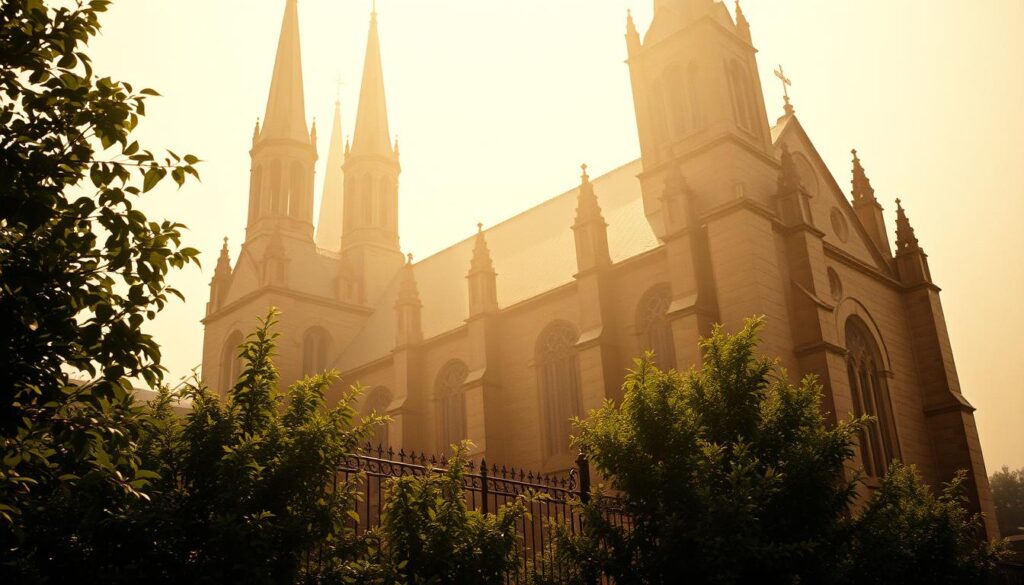
Image Metadata and Technical Specifications
The first shot, taken at 17:53:35, uses an 18mm lens with ISO 100 for crisp details. Its 2,527 × 1,684 pixel resolution captures intricate stone textures. The second image, recorded 16 minutes later, employs faster shutter speeds to freeze golden-hour light on stained glass.
Both files contain GPS coordinates pinpointing the exact elevation of 1,065 meters. Embedded metadata reveals focal plane measurements and camera serial numbers for authenticity verification. Adobe Photoshop CS6 enhanced colors while maintaining original file integrity.
Archival Data from Wikimedia Commons
Uploaded in October 2016, these resources gained a 5-star rating for their educational value. The Creative Commons license allows free use in research and tourism projects. Detailed EXIF data helps photographers replicate ideal shooting conditions.
Platform statistics show over 8,000 views since publication. This digital preservation effort ensures future generations can study architectural details even if physical elements weather. The files’ manageable sizes (2.55MB-3.13MB) make them accessible across devices without quality loss.
Conclusion
This architectural treasure in India’s hills stands as a living classroom of cultural exchange. Its stone walls preserve stories of craftsmanship and connection, where colonial design meets local traditions. Through detailed images and preservation records, we safeguard its legacy for curious minds worldwide.
The site’s true power lies in its ability to spark dialogue across generations. Community-driven restoration projects show how historic spaces can adapt while honoring their roots. Photographic archives capture intricate details, from sunlit arches to weathered carvings, creating timeless visual references.
Visitors today experience more than scenic beauty—they walk through layers of shared history. Annual festivals here blend music, art, and storytelling, proving heritage thrives through participation. As preservation continues, this landmark remains a testament to unity in diversity.
Whether you’re drawn to architecture or human stories, the location offers fresh perspectives. Its quiet strength reminds us that enduring landmarks aren’t just built—they’re nurtured by countless hands across centuries.
FAQ
What makes this historic site in Pachmarhi Cantt culturally significant?
Built during British colonial rule, the structure reflects a blend of European and local design influences. It served as a spiritual hub and community gathering spot, shaping the region’s social and religious identity over decades.
Are there unique design elements to look for during a visit?
Yes! The building features Gothic-inspired arches, stained-glass windows, and locally sourced stonework. Its symmetrical layout and elevated spire stand out against Pachmarhi’s natural landscapes, offering great photo opportunities.
How can I access historical photos or archival records of the site?
Wikimedia Commons hosts high-resolution images with detailed metadata, including timestamps and camera specs. These resources help researchers study architectural changes or plan restoration projects.
What steps are being taken to preserve the building’s original structure?
Preservation teams use lime mortar repairs and moisture-resistant treatments to protect aging walls. Collaborations with heritage organizations ensure period-accurate restoration while maintaining public access for visitors.
Why is the location considered a key landmark in Madhya Pradesh?
As one of the oldest standing colonial-era structures in the region, it symbolizes Pachmarhi’s transition from a military outpost to a hill station. Its continued use for events and tours keeps local history alive for new generations.