Step into a story of faith that has endured for generations. Nestled in Georgia’s vibrant capital, this historic place of worship stands as a testament to spiritual resilience. For over a century, it has offered hope and connection to believers from all walks of life.
What makes this community unique? While Eastern Orthodoxy dominates Georgia’s religious identity, this congregation has carved its own path. Its members have fostered dialogue across faiths, creating bridges in a culturally rich city.
Through wars, political shifts, and social changes, the church’s doors stayed open. Today, it hosts gatherings that blend tradition with modern outreach. Weekly services welcome locals and visitors alike, while ministry programs extend support far beyond its walls.
Key Takeaways
- Discover a 100-year legacy of faith in Georgia’s capital
- Learn how this community thrives within a majority Orthodox nation
- Explore its role in fostering interfaith understanding
- See how historical challenges shaped its mission
- Find opportunities to connect through services and outreach
Tracing the Rich History of Tbilisi’s Protestant Church
Delve into the past of a landmark that has stood as a beacon of hope through turbulent times. For over 150 years, Peace Cathedral has woven itself into Georgia’s spiritual fabric, offering refuge and fostering unity in a region marked by shifting cultural tides.
Early Foundations and Historical Influences
When Protestant beliefs first took root in Georgia, this congregation emerged as a quiet revolution. At a time when Eastern Orthodoxy shaped national identity, its founders created space for diverse worship. They prioritized radical hospitality, welcoming seekers long before interfaith dialogue became common.
Impact of WWII and the Fight for Religious Freedom
World War II tested the community’s resolve—and revealed its courage. Members risked their lives to shelter prisoners and displaced families, turning sacred halls into sanctuaries. These acts of service cemented their role as protectors during crisis.
Post-war challenges brought new battles for freedom. Despite pressure to conform, leaders championed religious rights for all. Their steadfastness helped shape Georgia’s evolving spiritual landscape, proving minority faiths could thrive while respecting tradition.
Architectural Wonders and Cultural Landmarks
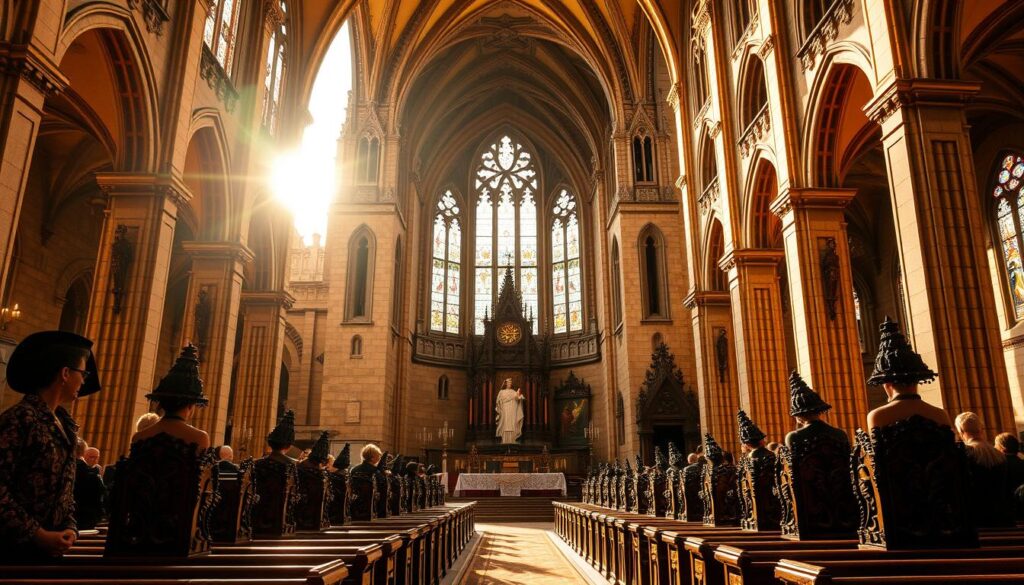
A fusion of stone and spirit rises in Georgia’s capital, where craftsmanship meets sacred purpose. This landmark’s design harmonizes old-world charm with contemporary touches, reflecting its community’s journey through time. Sunlight streams through arched windows, casting patterns that change with the hours—a living metaphor for evolving faith.
Iconic Features of the Building
The structure’s vaulted ceilings draw eyes upward, inviting quiet reflection. Hand-carved wooden pews curve gently, fostering connection among worshippers. At the heart lies a minimalist altar—a striking contrast to ornate Orthodox traditions, yet deeply reverent in its simplicity.
Modern additions blend seamlessly with original brickwork. A glass-walled annex hosts community meals and youth programs, proving sacred spaces can adapt without losing soul. Every corner whispers intentionality, from acoustic panels enhancing hymns to ramps ensuring all feel welcome.
Cultural Significance in the Urban Landscape
This landmark anchors its neighborhood like a compass pointing toward unity. Locals often pause beneath its bell tower, finding shade or solace. Over decades, it’s become a meeting ground where artists sketch, students debate philosophy, and families share laughter.
City maps highlight its spire alongside museums and theaters—proof that spiritual spaces shape cultural identity. Evening concerts here blend Georgian folk songs with global melodies, turning worship into a bridge between worlds. The building doesn’t just house a community; it becomes one.
Through thoughtful design, this place supports both quiet prayer and lively service projects. Classrooms buzz with language lessons, while gardens grow food for those in need. Here, architecture isn’t just seen—it’s lived, breathed, and shared.
Insights on protestant church tbilisi Community and Worship
At the heart of Georgia’s capital beats a rhythm of togetherness that transcends Sunday gatherings. This spiritual home thrives through intentional acts of care, where shared values spark meaningful change. Every handshake, meal, and conversation builds bridges across divides.
Community, Worship, and Inclusive Service
Sunday mornings here feel like family reunions. People from different cultures swap stories over coffee while kids laugh in play areas. The service model focuses on practical support—free language classes, job training, and meals for neighbors facing hardship.
Leaders here wear many hats. One bishop recently said, “Our faith isn’t confined to pews—it’s in how we stand up for others.” They’ve championed women’s education programs and created safe spaces for marginalized groups. Their food pantry feeds 200 families monthly, no questions asked.
Interfaith Unity and Advocacy for Rights
This community partners with mosques and synagogues to host cultural festivals. Last spring, they organized a citywide rights awareness campaign with interfaith volunteers. Together, they distributed resources about religious freedoms and equality laws.
Members don’t just talk about justice—they live it. When a local school banned headscarves, the congregation rallied with Muslim neighbors to reverse the policy. Their motto? “Love first, debate later.” This approach has turned the space into a workshop for social progress.
Through shared meals and collaborative projects, strangers become allies. The result? A vibrant tapestry of beliefs united by common hopes for a fairer world.
The Journey of Influential Leaders and Advocates
Behind every thriving spiritual community stand visionaries who turn challenges into catalysts for change. Two such figures have shaped modern faith practices through courage and intellect, proving leadership thrives where conviction meets action.
From Nuclear Labs to Sacred Texts
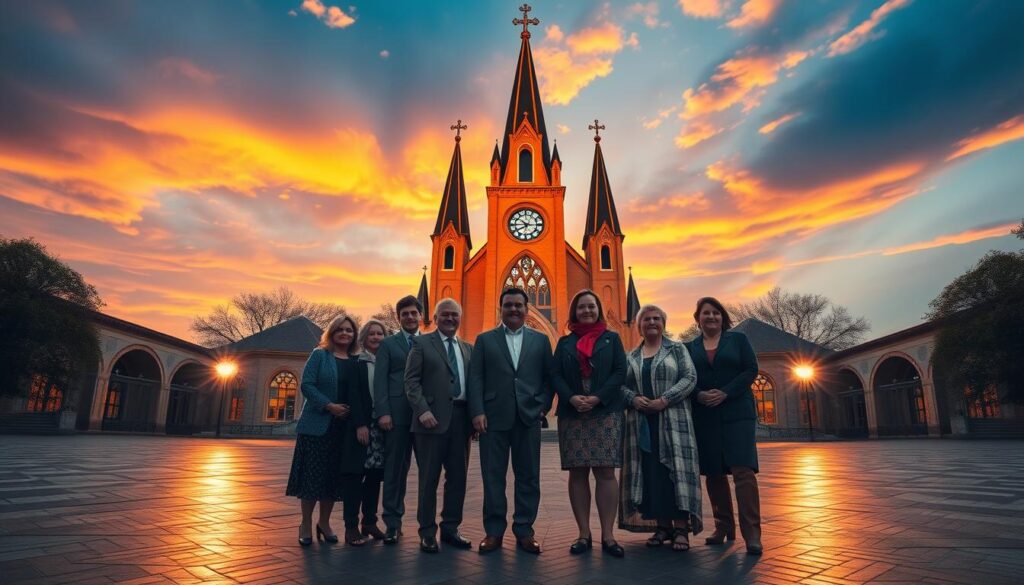
Zaal Tkeshelashvili’s story reads like a Cold War thriller. As a physics professor at Georgia’s top university, he faced KGB surveillance for practicing his beliefs during Communist rule. When the regime fell, he swapped equations for scripture—earning a theology degree and launching a publishing house that prints 15,000 Bibles annually.
“Science taught me precision,” he reflects, “but faith revealed life’s deeper patterns.” His unique blend of analytical thinking and spiritual insight helps members reconcile modern questions with timeless truths.
Equations and Courtroom Battles
Pastor Nino’s journey began with numbers. After earning a Ph.D. in mathematics, she traded formulas for courtroom dramas. Alongside her husband and fellow members, she fought six legal cases to secure religious freedom in post-Soviet Georgia. Their victories set precedents protecting minority groups nationwide.
Today, she balances pastoral service with mentoring young women in STEM fields. “Truth exists in both labs and chapels,” she says, smiling beside their daughter Sharon during community meals.
Service and Outreach: Community in Action
Hands shape lives here more than words ever could. This spiritual hub transforms beliefs into action through initiatives that feed, clothe, and uplift people across continents. From neighborhood meal programs to disaster relief abroad, compassion knows no borders.
Global and Local Acts of Compassion
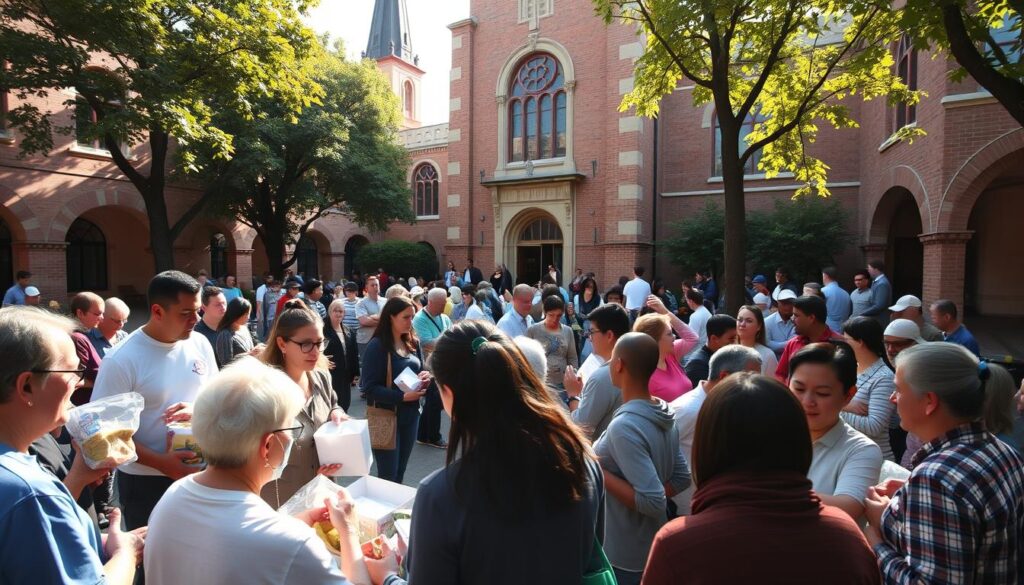
Every Thursday, volunteers pack 200 boxes of fresh produce for families facing food insecurity. But their reach stretches farther—last year, members helped build clean water systems in three African villages. “Service isn’t seasonal here,” explains a team leader. “It’s how we live.”
Local partnerships thrive too. The community collaborates with schools to provide winter coats and school supplies. Teens mentor refugees learning Georgian, while seniors knit blankets for hospice patients.
Historical Initiatives and Modern-Day Service
During the 1940s, this group turned their basement into a soup kitchen amid wartime shortages. Today, that same space hosts job training workshops. “We don’t just keep traditions—we reignite them,” says a longtime volunteer.
Modern challenges demand creative solutions. A new mobile clinic offers free medical checkups in remote villages. Youth groups organize tech drives to bridge the digital divide. Through time-tested values and fresh ideas, help flows where it’s needed most.
Sunday worship often ends with sign-up sheets for upcoming projects. Because here, faith isn’t fully lived until it’s shared—one act of kindness at a time.
Conclusion
In the heart of Georgia’s capital, a spiritual legacy continues to unfold. For over a century, this faith community has weathered storms—from political shifts to wartime crises—while holding fast to its core values. Its story isn’t just about survival, but about thriving through radical compassion.
Visionary leaders like the Tkeshelashvilis redefined what resilience looks like. Their blend of courage and creativity transformed challenges into opportunities for growth. Today, their influence echoes in every food pantry box packed and every interfaith partnership forged.
What makes this place enduring? It’s the commitment to listening first. Through bridge-building dialogues and justice initiatives, the community models how diverse beliefs can coexist peacefully. Neighborhood gardens and global aid projects alike carry forward its mission.
The true measure of this legacy lies in quiet acts of care—meals shared, hands held, hope renewed. As sunlight still filters through those arched windows, it illuminates a simple truth: faith grows brightest when rooted in service to others.
FAQ
What are the service times for the faith community in Tbilisi?
Gatherings typically occur on Sundays, with midweek events for study and fellowship. Specific schedules vary, so check their website or social media for updates.
How has this congregation contributed to local history?
The group played a vital role during WWII, offering refuge and advocating for spiritual independence. Their legacy includes defending religious rights under challenging regimes.
Are visitors welcome to attend events?
Absolutely! The community prioritizes inclusivity, inviting people of all backgrounds to join worship, discussions, and outreach programs.
What makes the building architecturally unique?
Blending traditional Georgian elements with European styles, the structure features stained glass, arched doorways, and a bell tower symbolizing resilience.
How does the group support the neighborhood today?
Initiatives include food drives, educational workshops, and partnerships with global charities to address poverty, healthcare, and education gaps.
Who are notable figures linked to this congregation?
Leaders like Pastor Zaal Tkeshelashvili and Pastor Nino gained recognition for overcoming persecution and advancing interfaith dialogue through education and legal advocacy.
Does the community collaborate with other belief groups?
Yes! They actively partner with diverse organizations to promote unity, human dignity, and shared ethical values across cultural and religious lines.