Ireland’s capital holds a unique spiritual legacy shaped by centuries of tradition. Religious life here traces back to the 1530s, when reforms transformed the island’s faith landscape. Today, historic landmarks like Saint Patrick’s Cathedral stand as symbols of this enduring heritage, blending ancient architecture with vibrant modern communities.
Visitors will discover diverse worship styles across the city. From traditional liturgies to contemporary gatherings, these faith groups prioritize inclusive fellowship and meaningful connections. Many host cultural events, youth programs, and outreach initiatives that strengthen local bonds.
What makes these congregations special? Their ability to honor the past while meeting today’s needs. Whether through music-filled services or quiet reflection spaces, they create welcoming environments for spiritual growth. The warmth of their communities reflects a shared commitment to service and unity.
Key Takeaways
- Dublin’s religious roots date to the 16th-century Reformation
- Iconic sites like Saint Patrick’s Cathedral showcase centuries of tradition
- Worship styles range from formal ceremonies to casual gatherings
- Community programs foster connection across generations
- Modern congregations balance history with innovative outreach
Introduction to Protestant Churches in Dublin
Faith communities rooted in Reformation values shape Dublin’s spiritual landscape. These groups prioritize scripture-based teachings while fostering inclusive environments for all generations. Their distinct approach blends ancient traditions with modern expressions of belief.
What Defines These Spiritual Groups?
Central to their identity is the conviction that faith alone brings salvation. Unlike medieval practices, they emphasize direct engagement with biblical texts. Everyone participates equally – no special hierarchy separates leaders from congregants.
Historical Roots Meet Modern Life
The Church of Ireland stands as the most visible legacy, its steeples marking skylines since the 1500s. Yet today’s communities go beyond stone walls. Many host interactive family programs and youth mentorship initiatives that address contemporary needs.
Worship style varies widely across denominations. Traditional services feature liturgical chants and sacraments, while contemporary gatherings use modern music and casual formats. Both approaches share a focus on practical life applications of scripture.
These groups strengthen local bonds through food drives, counseling services, and cultural events. Their doors stay open throughout the week, proving spiritual care extends far beyond Sunday mornings.
Historical Background of Protestantism in Dublin
Dublin’s religious identity took a dramatic turn in the 16th century, setting the stage for centuries of spiritual evolution. This shift began with royal decrees that reshaped both politics and daily worship practices across Ireland.
The Reformation and Its Lasting Impact
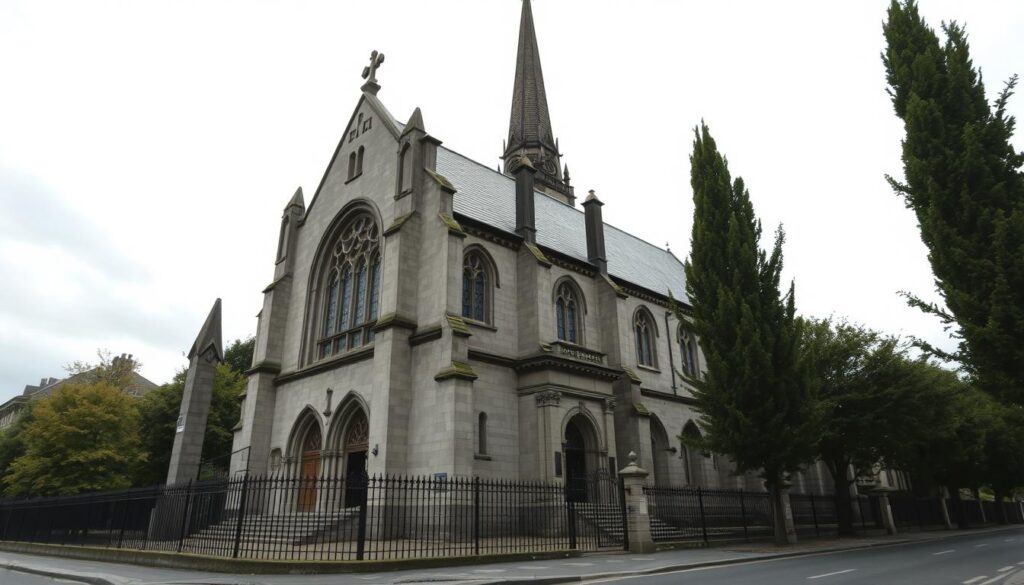
In 1536, the Act of Supremacy marked a pivotal moment. King Henry VIII’s declaration as head of the Church of Ireland dissolved monasteries but spared iconic sites like Saint Patrick’s Cathedral through clever constitutional changes.
The cathedral’s transition from monastic to secular governance preserved its role as a worship center. Meanwhile, Trinity College Dublin emerged in 1592 to train clergy, cementing institutional support for reformed teachings.
Evolving Traditions Through the Centuries
New communities arrived during the 1600s, bringing diverse perspectives. English Puritans, Scottish Presbyterians, and French Huguenots each added unique flavors to local faith practices while maintaining core beliefs.
By the 1660s, these groups formed a vibrant tapestry of traditions. They weathered political storms and social changes, adapting services to meet shifting needs without losing their scriptural focus.
Today, stone buildings and active ministries stand as testaments to this enduring legacy. Their ability to honor the past while embracing time-tested values continues to shape Dublin’s spiritual character.
Protestant Churches Dublin: A Comprehensive Service Directory
Dublin’s diverse worship communities are now accessible through comprehensive online resources. Whether you prefer lively contemporary gatherings or traditional liturgy, organized directories help match seekers with their ideal spiritual home. Detailed listings showcase everything from charismatic celebrations to quiet contemplative services across the city.
Many congregations share contact details like email addresses and website links for easy access. Trinity Church on Gardiner Street Lower, for example, posts its weekly schedule online. Their vibrant services blend modern music with practical teachings that resonate across generations.
Neighborhoods from Terenure to the city center host varied denominations. Bethany Church offers structured evangelical programs for families, while other groups focus on youth mentorship or community outreach. Most provide multiple Sunday service times and midweek activities.
“Our doors – and inboxes – remain open to anyone seeking connection,” notes one church administrator. This welcoming approach extends through digital channels, where visitors can find maps, event calendars, and leadership contacts. Newcomers appreciate having key details like parking options and childcare availability upfront.
With updated directories, discovering local faith groups takes minutes instead of days. Essential information stays just a few clicks away, helping people connect with communities that align with their beliefs and geographical needs. Whether you’re settling in or just visiting, these tools simplify your spiritual journey.
Directory of Leading Dublin Churches
From ancient stone sanctuaries to modern worship spaces, the city hosts diverse spiritual hubs. Saint Patrick’s Cathedral remains the crown jewel of Ireland’s religious heritage, welcoming visitors daily with awe-inspiring architecture and serene prayer sessions.
Iconic Landmarks and Historic Congregations
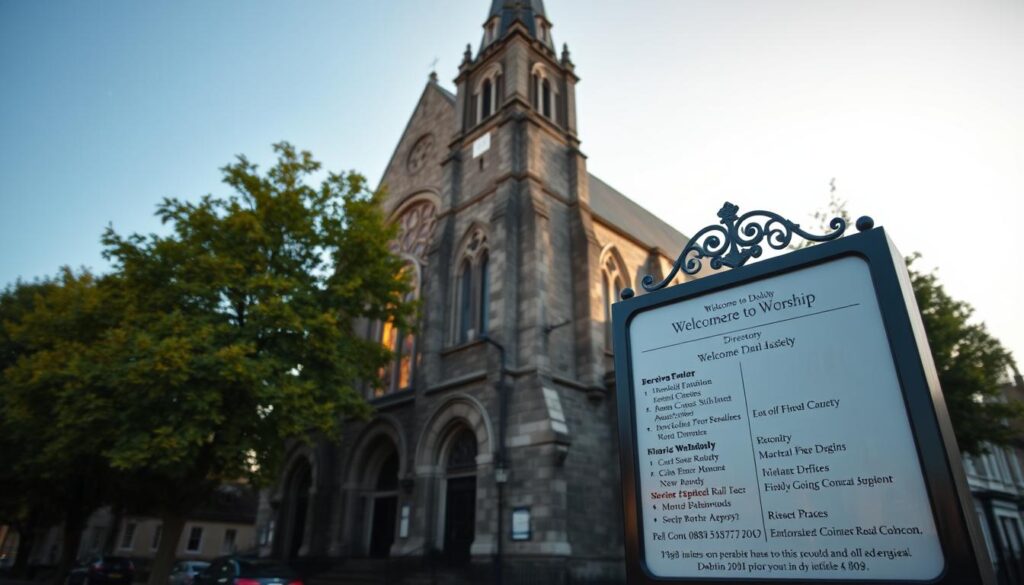
Saint Patrick’s Cathedral offers Evening Prayer services that echo through its 13th-century walls. Their website shares live-stream links and downloadable event calendars. Monthly newsletters highlight volunteer opportunities and seasonal programs.
| Congregation | Service Style | Key Feature |
|---|---|---|
| Saint Patrick’s Cathedral | Traditional liturgy | Free guided tours |
| Christ Church Cathedral | Choral evensong | Medieval crypt access |
| St. Ann’s Dawson Street | Family-friendly | Community choir |
Evangelical and Church of Ireland Listings
Modern groups like Bethany Church blend upbeat music with interactive teachings. Their Thursday youth nights draw families from across the region. Contact forms on church websites simplify questions about service times or childcare options.
| Community | Service Times | Contact Method |
|---|---|---|
| Trinity Church | Sun 10:30 AM | hello@trinitydublin.ie |
| Christ Embassy | Wed 7 PM, Sun 9 AM | Online chat |
| Bethany Church | Sat 6 PM, Sun 11 AM | Phone: +353 1 492 7088 |
Many congregations provide email updates about special events. First-time visitors often appreciate detailed parking maps and accessibility features listed on official sites. Whether you seek quiet reflection or lively fellowship, these groups make connection effortless.
Worship Services and Community Engagement
The rhythm of spiritual life here beats to diverse schedules designed for modern living. Morning gatherings create space for collective reflection, while evening sessions offer quieter moments for personal connection.
Morning and Evening Prayer Times
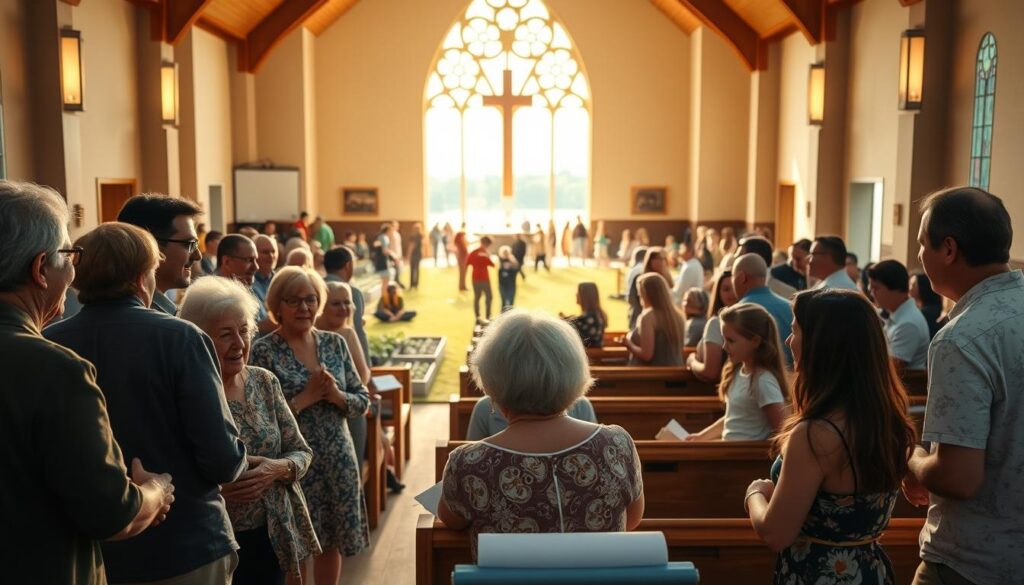
Sunday mornings typically buzz with energy between 10:30 and 11:00 AM when most communities hold their primary gatherings. Midweek evening services on Wednesdays and Sundays provide calmer environments for meditation. These twilight hours often feature candlelit spaces and acoustic music that deepen the prayer experience.
| Service Type | Days | Atmosphere |
|---|---|---|
| Morning Worship | Sundays | Lively, family-oriented |
| Evening Prayer | Wed/Sun | Intimate, reflective |
Special Programs, Family Services, and Events
Young families thrive through tailored initiatives like Storytime Bible Hours and summer camps. One parent shared: “Our kids beg to attend the Saturday craft workshops – they learn through play while we connect with other adults.”
Annual highlights include harvest festivals and neighborhood service projects. Prayer circles meet weekly to support local needs, from hospital visits to meal deliveries. These efforts strengthen bonds beyond Sunday gatherings, proving faith communities grow strongest through shared action.
Experiencing the Heritage and Community Spirit
Walking through centuries-old archways, visitors encounter living traditions that bridge past and present. Historic sites host vibrant gatherings where ancient hymns mingle with modern worship songs. These spaces offer more than sightseeing – they invite participation in community life shaped by shared values.
Guided tours reveal hidden stories etched in stained glass and stonework. Many locations let you book interactive experiences, like exploring medieval crypts or attending bell-ringing demonstrations. “Touching these walls feels like shaking hands with history,” shares a recent visitor from Texas.
Weekly coffee mornings and volunteer projects strengthen neighborhood bonds. Members rally around those facing challenges through meal trains, counseling services, and childcare swaps. This culture of support turns strangers into extended family within months.
Seasonal festivals blend heritage with creativity – think Christmas markets in Gothic courtyards or Easter art shows featuring local talent. Young families especially appreciate history-themed scavenger hunts that make learning playful.
“Our community doesn’t just preserve the past – we reimagine it for today’s needs.”
From choir rehearsals to food pantry shifts, daily activities prove spiritual growth happens through action. Whether you’re exploring alone or with loved ones, these spaces welcome all to write the next chapter of their story.
Diverse Denominations and Unique Worship Styles
Spiritual seekers in Ireland’s capital find a mosaic of faith expressions shaped by centuries of theological thought. This vibrant tapestry ranges from high-church rituals to spontaneous praise sessions, each reflecting distinct interpretations of Christian practice.
Expression Through Different Lenses
Evangelical communities emphasize personal spiritual journeys. Sunday gatherings often feature upbeat music and practical life lessons from scripture. “Our worship style feels like a conversation with friends,” shares a regular attendee at Mission Church. Small groups here dive deep into biblical analysis while fostering close-knit relationships.
Pentecostal assemblies bring energetic celebrations to life. Hands-raised singing and passionate prayer mark their services. At Christian Assembly, spontaneous testimonies and emphasis on spiritual gifts create dynamic atmospheres where emotion and devotion intertwine.
Traditional Anglican practice thrives through structured communion services. The Church of Ireland preserves liturgical rhythms using the Book of Common Prayer. Hymns echo through vaulted ceilings during formal Eucharist celebrations, connecting modern worshippers to reformation-era roots.
“Our different approaches all point to the same truth – that faith transforms lives.”
Reformed congregations blend intellectual rigor with heartfelt devotion. Theological discussions flourish in study groups, while Sunday services balance hymn-singing with expository preaching. This diversity ensures everyone finds spaces where their spiritual needs meet meaningful tradition.
Connecting with Dublin’s Vibrant Church Communities
Building meaningful connections with local faith groups begins with knowing where to start. Most communities make it easy through clear communication channels and welcoming programs designed for newcomers.
Practical Tips for Visitors and Congregants
Check websites for updated service schedules and direct links to contact forms. Many post summer activity calendars months in advance, including youth camps and family-friendly Bible schools. Email addresses listed online often connect you directly with clergy or volunteer coordinators.
Small groups provide ideal spaces to form friendships while exploring faith topics. These casual gatherings meet weekly in homes or community centers, blending study sessions with shared meals. First-time visitors often appreciate their relaxed atmosphere compared to larger services.
Don’t hesitate to ask questions! Pastoral teams prioritize personal conversations, whether through coffee meetings or quick email exchanges. Their open-door policy extends to practical support, from marriage counseling to school-year mentorship programs.
FAQ
What types of worship styles can I find in Dublin’s churches?
You’ll discover a mix of traditional and modern styles, including liturgical services with hymns, contemporary music, and informal gatherings. Some congregations blend ancient prayers with vibrant community-focused events.
Are there family-friendly programs available?
Yes! Many congregations host Sunday school, youth groups, and seasonal events like summer camps. Family services often include interactive activities tailored for children and parents.
How can visitors connect with local church communities?
Check websites for visitor hours, introductory coffee mornings, or newcomer meetups. Historic parishes like Saint Patrick’s Cathedral also offer guided tours to explore their heritage.
Do churches in the city host special events?
Absolutely. Look out for choir concerts, charity drives, and holiday celebrations like Christmas markets or Easter workshops. Some even organize community suppers or book clubs.
What’s the best way to learn about service times?
Most congregations update their schedules online. Morning prayers, evening services, and midweek gatherings are common. You can also call or email clergy for personalized guidance.
Are there differences between denominations like Evangelical and Church of Ireland?
While all share core Christian beliefs, practices vary. For example, Evangelical groups might emphasize lively worship, while Church of Ireland services often follow a structured liturgy with communion.
Can I attend services if I’m not a member?
Everyone is welcome! Whether you’re exploring faith or seeking community, congregations across the city encourage visitors to join worship, prayer groups, or social events.