For over 175 years, families across America have found a spiritual home in a faith community rooted in tradition and warmth. With 1.7 million members, this denomination stands as the second-largest of its kind in the nation, fostering connections from coast to coast. Its story began with a small group of German immigrants, growing into a network of congregations that now spans all 50 states.
What makes this community special? It’s built on timeless values that blend biblical teachings with meaningful relationships. Worship practices honor centuries-old traditions, creating a sense of continuity that resonates with modern families. Members often describe their experience as a journey where faith, service, and fellowship come together seamlessly.
Headquartered in Kirkwood, Missouri, the organization maintains a strong focus on scripture-based guidance. Leaders like President Matthew C. Harrison emphasize outreach programs that address contemporary needs while staying true to core beliefs. From local volunteer initiatives to nationwide partnerships, there’s always a way to contribute and connect.
Whether you’re seeking spiritual growth or a supportive network, this denomination offers opportunities to thrive. Its commitment to authenticity and care continues to draw people looking for a place to belong.
Key Takeaways
- Second-largest Lutheran denomination in the U.S., with 1.7 million members as of 2022
- Founded by German immigrants over 175 years ago, now active in all 50 states
- Balances traditional worship practices with modern community outreach
- Headquartered in Kirkwood, Missouri, led by President Matthew C. Harrison since 2010
- Focuses on scripture-based teachings and family-centered fellowship
Overview of the Lutheran Church – Missouri Synod
Home to America’s largest Protestant school network, this denomination shapes futures through faith-based learning. With 1.7 million members and nearly 6,000 congregations nationwide, it creates thriving communities where families connect through shared values. Over 800 elementary schools and 100 high schools form its educational backbone, serving students while nurturing spiritual growth.
Global partnerships through the International Lutheran Council strengthen its mission. These ties allow members to collaborate with like-minded groups worldwide while maintaining doctrinal consistency. Two seminaries and seven universities further equip leaders to serve modern needs without compromising traditional teachings.
| Category | Primary Schools | High Schools | Colleges |
|---|---|---|---|
| Number of Institutions | 822 | 99 | 7 |
| Students Served Annually | 85,000+ | 23,000+ | 15,000+ |
Local congregations remain central to its identity, offering worship services and volunteer opportunities tailored to community needs. From food drives to youth programs, these groups put faith into action daily. Recent surveys show 94% of participants feel more connected to their neighbors through these initiatives.
Educational excellence meets spiritual guidance in this network of caring communities. Whether through Sunday services or classroom discussions, members find meaningful ways to grow together while honoring timeless principles.
Historical Origins and Early Development
America’s heartland became a refuge for European believers seeking to protect their spiritual heritage. A wave of determined German immigrants arrived in the 1830s, carrying Bibles and dreams of religious autonomy. Their courage laid the groundwork for a faith movement that would reshape American Christianity.
Saxon Immigration and Settlement
In 1838, over 600 travelers boarded ships bound for New Orleans, fleeing government pressure to abandon traditional teachings. Led by Pastor Martin Stephan, this group settled along the Mississippi River, establishing roots in Perry County, Missouri. Rough terrain and harsh winters tested their resolve as they built log churches and schools from scratch.
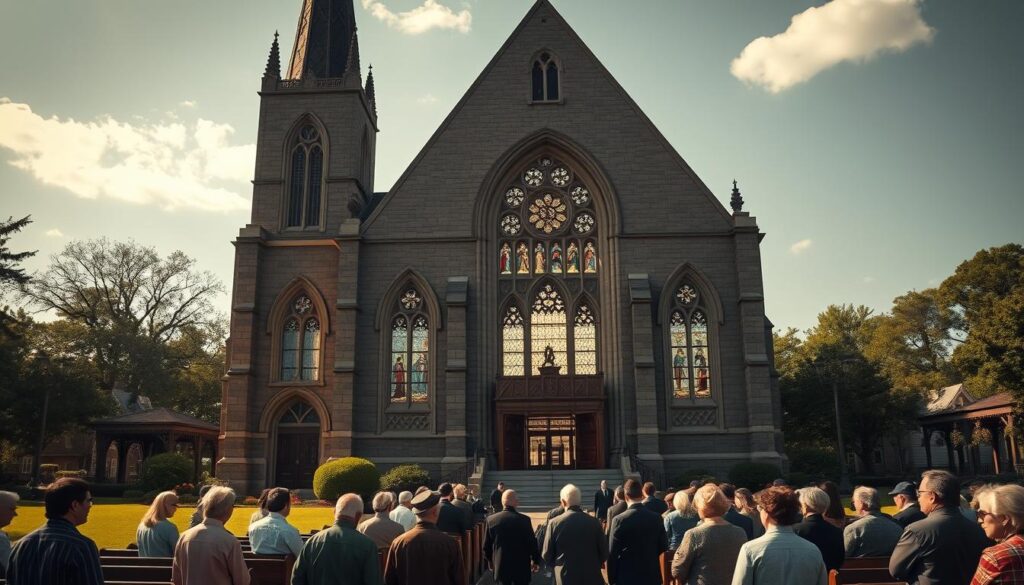
These pioneers prioritized education, founding Concordia Seminary just four years after arrival. Their commitment to scripture-based teaching created a blueprint for future growth. By 1845, their settlements near St. Louis had become hubs for theological discussion and community support.
Löhe Missionaries and Early Work in America
Bavarian pastor Wilhelm Löhe recognized the need for trained spiritual leaders in growing immigrant communities. Starting in 1841, he dispatched over 80 ministers to serve German-speaking families across the Midwest. These missionaries traveled by horseback and wagon, establishing evangelical lutheran congregations in Ohio, Michigan, and Indiana.
The synergy between Saxon settlers and Löhe’s recruits proved transformative. Together, they developed a network of churches that blended European traditions with frontier pragmatism. This partnership ensured doctrinal consistency while adapting to America’s unique cultural landscape.
Formation and Growth of the LCMS
A group of twelve visionary leaders gathered in Chicago on April 26, 1847, sparking a movement that would reshape American religious life. Their meeting at First Saint Paul Lutheran Church united representatives from fourteen congregations across six states, laying the foundation for a new era of faith-based collaboration.
The organization began as the German Evangelical Lutheran Synod of Missouri, Ohio and Other States—a name reflecting its roots and expansive vision. Under founding president C.F.W. Walther’s leadership, the group prioritized doctrinal consistency while addressing the needs of growing immigrant communities.
Growth came swiftly. From its modest beginnings, membership surged to 687,000 by 1897, demonstrating widespread resonance with families seeking traditional worship practices. This expansion coincided with the establishment of educational institutions and outreach programs that strengthened community ties.
In 1947, a significant milestone brought simplification. The denomination adopted its current name during centennial celebrations, signaling its evolution into a fully American institution. This change mirrored broader cultural shifts while maintaining core commitments to scriptural teachings.
Three key factors fueled this remarkable journey:
- Unwavering focus on confessional Lutheran principles
- Strategic leadership transitions preserving theological integrity
- Adaptive community-building approaches meeting changing needs
Today, this legacy continues through thriving congregations and educational initiatives nationwide. The original founders’ dedication to unity and tradition remains central to its identity.
Understanding the lutheran church mo synod
Guided by centuries-old confessions, this faith community anchors its practices in scriptural truth. Its approach combines historical teachings with practical faith application, creating a stable foundation for spiritual growth.
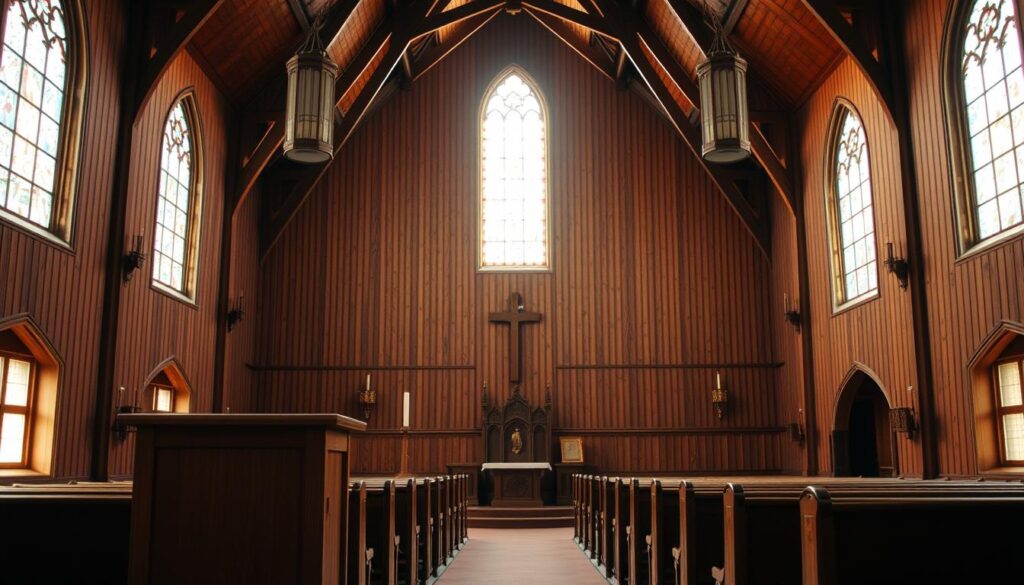
Core Principles in Action
Every congregation operates under a shared commitment to the Book of Concord, a collection of Reformation-era documents. This ensures teachings remain consistent across 6,000+ locations. Leaders and members alike pledge to uphold these standards, maintaining unity in belief and practice.
| Feature | LCMS Practice | Other Lutheran Bodies |
|---|---|---|
| Scriptural Authority | Inerrancy of Bible | Varied interpretations |
| Religious Partnerships | No joint worship with differing doctrines | Frequent ecumenical collaborations |
| Educational Materials | Approved resources only | Mixed secular/religious content |
This structure prevents theological confusion while encouraging deep scriptural study. Families appreciate knowing their children learn from materials that align with Sunday teachings. Over 94% of surveyed participants report feeling confident in their congregation’s doctrinal clarity.
The balance between tradition and outreach creates vibrant communities. Weekly services blend ancient liturgies with modern concerns, helping members connect timeless truths to daily life. This careful stewardship of heritage continues attracting those seeking rooted yet relevant faith experiences.
Core Doctrinal Beliefs and Confessions
At the heart of this faith tradition lies a steadfast commitment to timeless spiritual truths. Rooted in ancient creeds and scriptural teachings, its framework guides both personal devotion and community practices.
The Book of Concord and Lutheran Confessions
Three historic statements—the Apostles’, Nicene, and Athanasian Creeds—form the foundation of belief. These documents unite members through shared affirmations of the Holy Trinity. The Book of Concord further clarifies teachings, ensuring consistency across generations.
Sacraments and Liturgy
Baptism and communion serve as sacred anchors in worship. Infants and adults alike receive grace through water and word in baptism. Weekly services blend structured prayers with scripture readings, creating rhythms that deepen faith connections.
Ethical stances reflect these core principles. Leaders emphasize protecting life at all stages and upholding marriage traditions. Through liturgy and action, timeless truths meet modern challenges with clarity and compassion.
FAQ
What makes the LCMS distinct from other Christian denominations?
The LCMS holds firmly to confessional Lutheran teachings, emphasizing Scripture as the sole authority. It follows the Book of Concord and practices closed communion, reserving the sacrament for those who share its doctrinal beliefs.
How does the LCMS view baptism and communion?
Baptism and the Lord’s Supper are seen as sacraments instituted by Christ. The body and blood of Jesus are believed to be truly present in communion, offering forgiveness of sins through faith.
What role does liturgy play in worship services?
Liturgy connects congregations to historic Christian traditions, blending Scripture readings, hymns, and sacraments. Many parishes follow structured services rooted in the Lutheran Confessions to nurture spiritual growth.
Are LCMS congregations involved in community outreach?
Yes! Many parishes run schools, food pantries, and global missions. Organizations like Concordia Publishing House and Lutheran World Relief reflect its commitment to serving others locally and worldwide.
How does the LCMS approach theological disagreements?
Leaders prioritize unity through Scripture and the Lutheran Confessions. While open to dialogue, the synod maintains clear doctrinal boundaries to preserve its identity and teachings.
Can non-members participate in communion?
Out of love for doctrinal clarity, communion is typically reserved for those who share the LCMS’s beliefs. Guests are encouraged to speak with the pastor before attending the Lord’s Supper.
What educational resources does the LCMS provide?
The synod supports schools, seminaries like Concordia Seminary, and publishing efforts to teach Scripture and Lutheran theology. Programs for youth and adults foster lifelong faith development.