Ethiopia’s capital city hosts a thriving spiritual scene where diverse Christian traditions flourish. From traditional hymns to modern worship styles, faith communities here blend global influences with local customs. This guide helps you navigate these vibrant spaces that serve as both cultural landmarks and active community hubs.
Visitors discover congregations like Mekane Yesus and Beza, which offer services in multiple languages. Many groups organize literacy programs, youth initiatives, and neighborhood projects. These efforts strengthen social bonds while addressing practical needs across the city.
The roots of this movement trace back to 19th-century missionary work, evolving into today’s P’ent’ay network. This term describes Ethiopia’s mix of Protestant traditions, including Lutheran, Baptist, and Pentecostal practices. Historical sites stand alongside contemporary worship centers, creating a dynamic spiritual landscape.
Key Takeaways
- Discover diverse worship styles from traditional to modern
- Find English-language services at international congregations
- Engage with community programs supporting local residents
- Learn about 150+ years of Protestant history in Ethiopia
- Experience the blend of global and local Christian traditions
Understanding the Protestant Church Landscape in Addis Ababa
Spiritual diversity thrives in Ethiopia’s capital through networks of faith communities. Their story begins with 17th-century Lutheran missionary Peter Heyling, who planted early seeds for what locals now call P’ent’ay – a term once used dismissively but now worn with pride.
From Missionary Roots to Modern Ministries
American and European missionaries expanded these efforts in the 1800s. By 1959, their work crystallized into the Ethiopian Evangelical Church Mekane Yesus. Its name honors both its first meeting place and Christ’s central role.
Today’s congregations balance tradition with innovation. Many run literacy workshops and healthcare ministries alongside worship services. Over 11 million members participate through 22 united denominations.
A Tapestry of Traditions
Five major groups shape the city’s spiritual fabric:
| Denomination | Founded | Members |
|---|---|---|
| Kale Heywet | 1927 | 8 million |
| Mekane Yesus | 1959 | 6 million |
| Full Gospel Believers | 1967 | 3 million |
| Meserete Kristos | 1970s | 500,000 |
These communities collaborate on disaster relief and youth programs while maintaining distinct worship styles. Their shared focus on practical community support unites diverse theological perspectives.
Navigating the “protestant church addis ababa” Service Directory
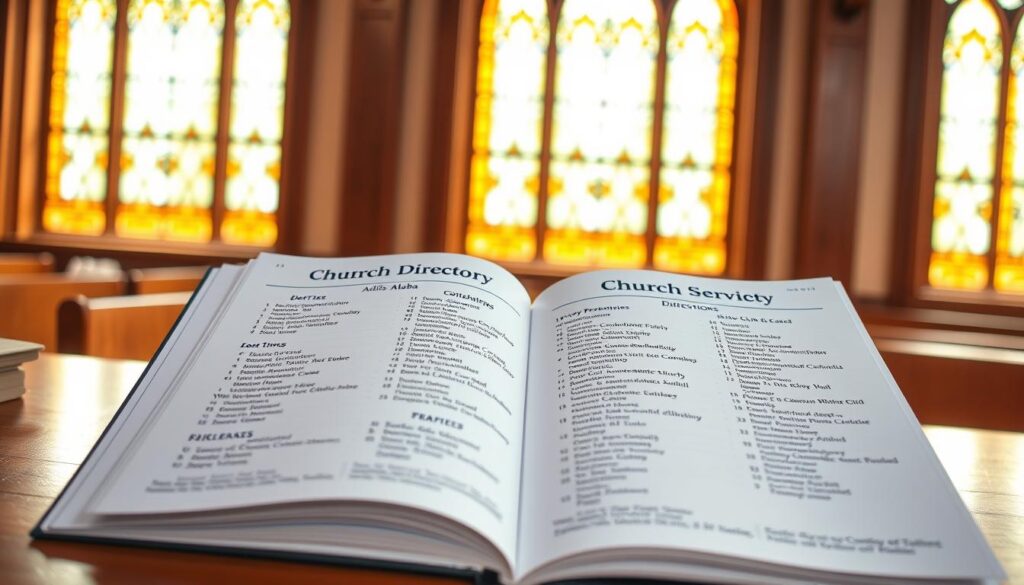
Finding your ideal spiritual home in Ethiopia’s capital becomes simpler with organized directories showcasing local congregations. These hubs blend worship with practical support, offering tools for personal growth and neighborhood improvement.
Weekend Gatherings and Beyond
Sunday services form the core of most communities, but many go further. Midweek Bible studies, vocational training, and leadership workshops cater to diverse needs. The Ethiopian Evangelical Church Mekane Yesus runs literacy classes alongside music programs for all ages.
Transforming Neighborhoods
Local congregations partner on projects that reshape city life. Recent initiatives include:
| Initiative | Beneficiaries | Impact |
|---|---|---|
| Clean Water Access | 12 urban districts | 45,000+ served |
| Health Clinics | Low-income families | Free monthly checkups |
| Youth Tech Labs | Students aged 12-18 | 3,200 trained since 2020 |
Digital Connection Points
Modern faith communities maintain robust online presences. Websites feature searchable event calendars and volunteer portals. Many stream services live and archive sermons for later viewing.
Look for congregations offering virtual newcomer meetups or downloadable study guides. These tools help visitors explore beliefs before attending in person.
Exploring Evangelical Perspectives and Ethiopian Evangelical Church Mekane Yesus
Faith communities across Ethiopia’s capital demonstrate how spiritual convictions shape daily life. At their core lies a commitment to biblical teachings paired with practical action – a combination that fuels both personal growth and neighborhood transformation.
Mission, Theology, and Worship Styles
The Ethiopian Evangelical Church Mekane Yesus operates on three pillars: scripture, service, and salvation. Its “Serving the Whole Person” philosophy drives initiatives like mobile health clinics and vocational training. Members emphasize:
| Belief | Practice | Impact |
|---|---|---|
| Scripture Authority | Daily Bible studies | 80% literacy rate among members |
| Spiritual Rebirth | Baptism programs | 12,000+ annual participants |
| Cultural Adaptation | Traditional mezmur music | 200+ local artists supported |
Cultural Integration and Community Life
Sunday services pulse with rhythmic mezmur hymns blending ancient scales with modern instruments. This musical fusion reflects broader efforts to honor Ethiopian heritage while embracing global connections.
Weekday activities strengthen social bonds through:
- Youth tech labs teaching coding skills
- Women’s cooperatives producing handcrafts
- Neighborhood clean-up initiatives
One elder notes: “We sing Ethiopian melodies to share timeless truths – it’s faith wearing local dress.” This approach helps congregations address urban challenges while maintaining theological distinctiveness.
Conclusion
Ethiopia’s capital reveals spiritual vitality through communities where ancient rhythms meet modern life. These groups balance time-honored traditions with fresh approaches to faith, creating spaces for both reflection and action.
You’ll discover ministries addressing education gaps, health needs, and economic challenges alongside worship services. This whole-person approach transforms sacred gatherings into engines for neighborhood renewal. Many offer multilingual programs that bridge cultural divides while celebrating local heritage.
Whether seeking mentorship or meaningful connections, these hubs welcome all stages of spiritual exploration. Their blend of global perspectives and grassroots solutions reflects Ethiopia’s unique position at the crossroads of faith and innovation.
As you engage with these communities, you become part of a living story – one where sacred melodies harmonize with the hum of daily progress. The door remains open for deeper discovery and shared growth.
FAQ
What ministries are available at evangelical congregations in the city?
Many local evangelical congregations offer diverse ministries, including youth programs, community outreach, Bible studies, and social justice initiatives. Some also host events focused on education, healthcare, or humanitarian aid to support vulnerable groups.
How does the Ethiopian Evangelical Church Mekane Yesus integrate cultural traditions?
The Ethiopian Evangelical Church Mekane Yesus blends traditional worship practices with contemporary evangelical teachings. Music, local languages, and cultural celebrations are often incorporated into services, fostering a sense of unity and cultural pride within the community.
Are there online resources for exploring evangelical congregations in Addis Ababa?
Yes! Many churches maintain websites with service schedules, event calendars, and sermon archives. Some even stream services live or provide downloadable materials for personal study and spiritual growth.
What role do evangelical groups play in community development?
Evangelical organizations frequently partner with local NGOs to address poverty, education gaps, and healthcare needs. Their outreach programs often include vocational training, disaster relief, and advocacy for marginalized communities.
How can visitors participate in Sunday services or events?
Most congregations welcome visitors warmly. Check individual church websites for service times and visitor guidelines. Many offer multilingual services or translation support to accommodate diverse attendees.
What theological distinctions define Mekane Yesus compared to other groups?
The Ethiopian Evangelical Church Mekane Yesus emphasizes Lutheran traditions while prioritizing contextual theology. It focuses on social justice, ecumenical collaboration, and grassroots empowerment, setting it apart in its approach to faith and community engagement.