Tucked within a 17th-century canal house near Central Station lies an architectural marvel few expect to find. This three-story time capsule reveals winding staircases, antique kitchens, and bedrooms frozen in amber – all leading to its crowning secret.
At the top floor, visitors discover a fully preserved worship space that hosted forbidden gatherings for generations. Built during Protestant rule when Catholic services were banned, this ingenious sanctuary blended seamlessly with everyday life. Wealthy merchant Jan Hartman cleverly designed the space in 1663, creating both a home and haven.
The layout tells a story of quiet resilience. Narrow corridors give way to gilded altars and stained glass, while original furnishings showcase how families lived alongside their faith. For over 350 years, these walls protected traditions while Amsterdam evolved around them.
Key Takeaways
- Uncover a 17th-century canal house with concealed religious spaces
- Walk through authentic living quarters leading to a secret worship area
- Discover how Dutch tolerance shaped unique architectural solutions
- Experience a landmark preserving Catholic heritage during Protestant rule
- See how residential and sacred spaces coexisted in plain sight
More than just a museum, this landmark celebrates creative coexistence. Every creaking step whispers stories of devotion and determination waiting to be heard.
History and Significance of the Hidden Church
Amsterdam’s 17th-century streets hold secrets of resilience beneath their gabled roofs. During this era, religious freedom existed in whispers rather than declarations. Wealthy trader Jan Hartman crafted a bold solution when public Catholic practices faced bans.
An Overview of the Canal House
Hartman’s home blended seamlessly with neighboring properties along the canal. By acquiring three connected houses, he created space for family life and spiritual gatherings. Original wood beams and narrow staircases still guide visitors through this architectural puzzle.
Clandestine Worship in Protestant Amsterdam
The 1578 Alteration shifted power to Calvinist leaders, transforming the city’s religious landscape. Traditional places of prayer became Protestant spaces, forcing new approaches. House-based sanctuaries emerged as discreet alternatives, tolerated through unspoken agreements.
| Period | Religious Landscape | Key Development |
|---|---|---|
| Pre-1578 | Public Catholic services | Monasteries & grand churches |
| Post-1578 | Underground gatherings | Over 30 hidden house churches |
Hartman’s creation became Amsterdam’s second major clandestine worship space after Begijnhof. Families maintained public Protestant appearances while nourishing private traditions. This duality shaped Dutch society’s approach to coexistence for generations.
Discovering our lord in the attic museum former hidden catholic church
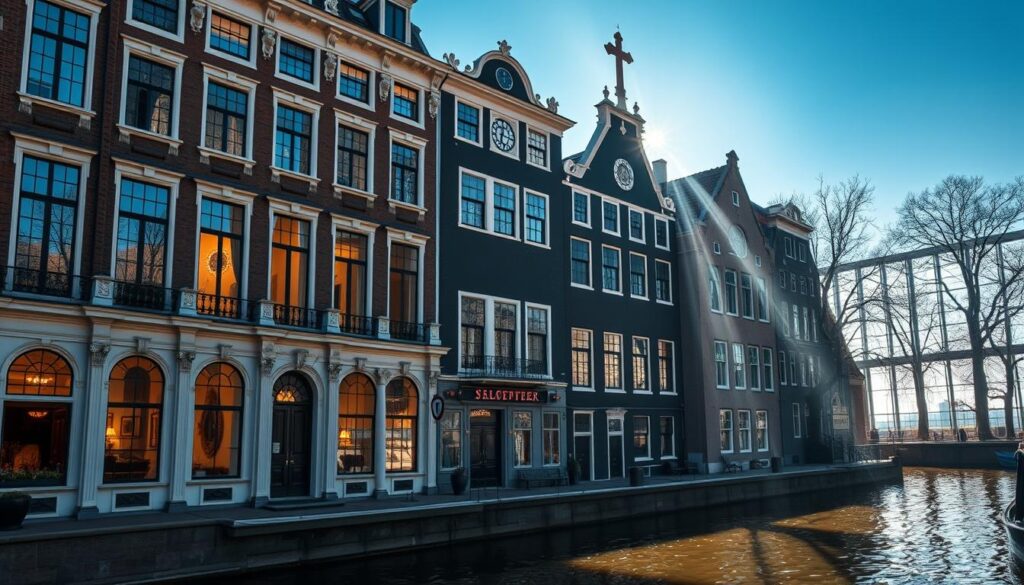
Visitors to Amsterdam’s historic center often pass by Oudezijds Voorburgwal 38 unaware of its 400-year-old marvel. Behind this classic Dutch facade lies a multi-level adventure waiting to unfold. Guests climb steep staircases past preserved living quarters, each step heightening anticipation for the revelation above.
The journey itself becomes part of the story. Winding through narrow hallways and past antique furnishings, explorers gradually uncover how daily life masked spiritual practices. Only at the highest level does the space transform into a breathtaking worship area, its gilded decor contrasting with the building’s modest exterior.
This architectural puzzle sits surrounded by Amsterdam’s oldest neighborhoods. Centuries of history echo through nearby streets, adding depth to every discovery. Builders cleverly integrated the sacred space into existing structures, proving devotion could thrive alongside practicality.
Central positioning made the location ideal for discreet gatherings. Positioned near major waterways and thoroughfares, it welcomed worshippers from across the city while maintaining secrecy. Today, the preserved canal house stands as both time capsule and testament to creative resilience.
Modern explorers experience more than artifacts here. They walk through layers of lived history, where ordinary walls protected extraordinary traditions. Every creak in the wooden floors whispers tales of communities who found ingenious ways to preserve their heritage.
Architecture and Interior Highlights
This 17th-century treasure reveals how clever design turned everyday spaces into spiritual sanctuaries. Visitors marvel at the balance between practical living areas and sacred elements hidden in plain sight.
Attic Church Design and Layout
Cramped staircases open into a surprisingly spacious worship area. Marble pillars frame the room, drawing eyes upward to suspended galleries that doubled seating capacity. Narrow wooden benches line the floor, preserving the intimate atmosphere of 17th-century gatherings.
Bright pink accents contrast with golden decor, showing Dutch artisans’ flair for dramatic touches. The layout cleverly uses vertical space, with two semi-floors hovering above the main floor. This innovative approach let 150 worshippers share meaningful moments under one roof.
Period Furnishings and Religious Artifacts
Original furnishings tell dual stories of domestic life and secret devotion. A 1660s kitchen displays copper pots beside sacred vessels used during services. Hidden alcoves reveal confessionals barely wider than a doorway.
| Design Feature | Functional Purpose | Artistic Detail |
|---|---|---|
| Suspended galleries | Maximized seating | Carved wooden railings |
| Narrow benches | Space efficiency | Hand-tooled leather seats |
| Marble columns | Structural support | Veined stone patterns |
Every room serves as a time capsule. Delicate rosaries rest near family heirlooms, while painted panels depict scenes cherished by generations. These carefully preserved spaces let visitors touch history through textures and traditions.
Practical Visitor Information
Planning a trip to Amsterdam’s historic center? Here’s how to make the most of your experience at this remarkable site. Smart preparation ensures smooth access to centuries of history waiting behind its unassuming facade.
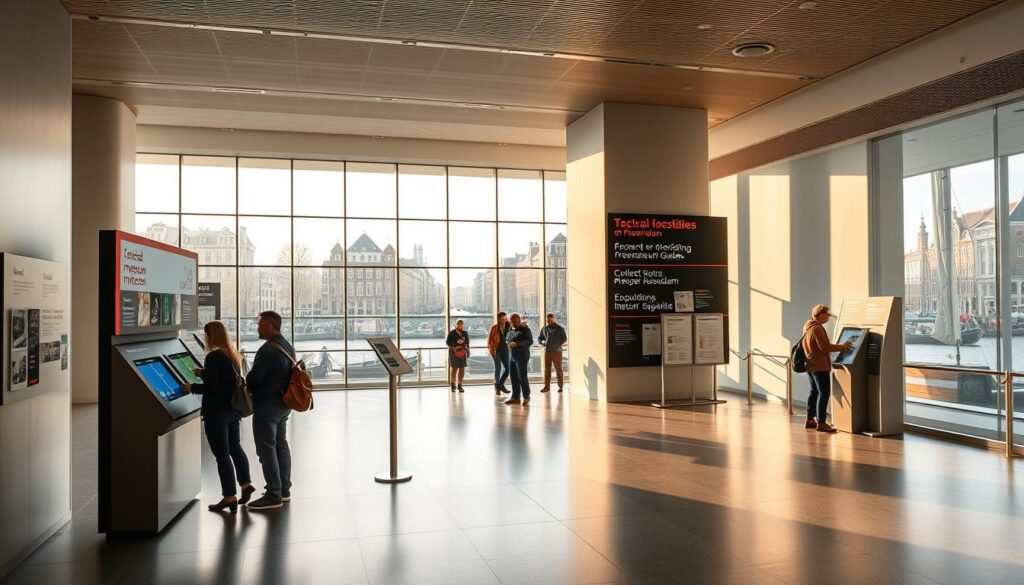
Opening Hours, Tickets, and Prices
Consistent hours from 10 a.m. to 6 p.m. daily make scheduling easy. Last entry occurs 30 minutes before closing. Peak seasons see high demand, so booking online guarantees admission.
| Ticket Type | Price | Discount Option |
|---|---|---|
| Adult | €11.50 | iAmsterdam Card |
| Youth (13-17) | €6.50 | Museumkaart |
| Child (0-12) | Free | – |
Save up to 40% with multi-attraction passes. The Dutch Museum Card offers year-round access to 400+ cultural sites for €64.90.
Accessibility, Directions, and Local Tips
Find the entrance at Oudezijds Voorburgwal 38 – look for the discreet plaque near Café de Oude Wester. Central Station sits just 12 minutes away by foot.
Steep staircases limit wheelchair access, but virtual tours offer alternative exploration. Arrive early to avoid crowds and enjoy quieter moments in the attic sanctuary.
Unique Experiences and Attractions
Step beyond ordinary sightseeing and engage with history through innovative technology. Upon arrival, guests receive headsets transforming silent spaces into vivid storytelling arenas. Available in 12 languages, these devices reveal hidden details in carved woodwork and faded paintings.
Bringing History to Life
The complimentary audio tour acts as a personal curator. Voices describe how sunlight once illuminated secret prayer meetings through specific windows. Listeners discover why certain furnishings served dual purposes during restricted times.
Most explorers spend 90 minutes navigating the space, though history enthusiasts often linger longer. Seasonal exhibitions add fresh context—recent displays compared 17th-century worship practices with modern interfaith dialogues.
Special events keep traditions alive. Monthly gatherings in the attic sanctuary maintain continuity with the past. These ceremonies demonstrate how sacred spaces evolve while honoring their origins.
Quieter than larger institutions, the site encourages personal connections. Visitors might pause alone in the choir loft or trace finger grooves worn into wooden pews. Such moments turn historical exploration into intimate discovery.
Exploring the Museum’s Urban and Cultural Context
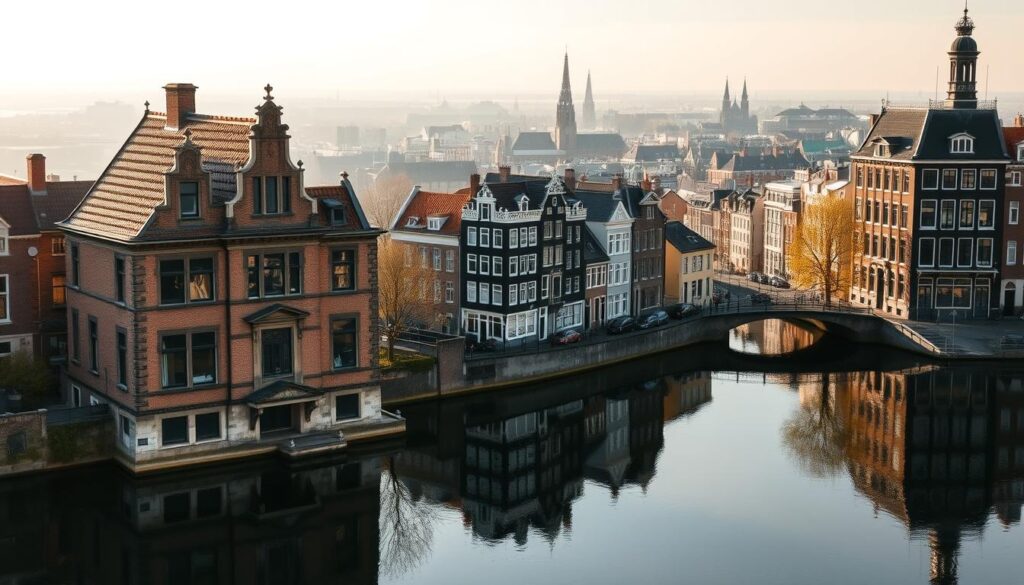
Amsterdam’s waterways hold more than water—they cradle stories of ingenious urban design. The site sits embedded in the city’s oldest district, where 17th-century merchants shaped both commerce and culture. Its position along a bustling canal route reveals how practicality and secrecy coexisted in plain sight.
Architectural Ingenuity Meets Urban Strategy
Jan Hartman’s vision transformed three narrow homes into a unified complex. Workers cut precise openings between walls, creating hidden passages that connected living spaces to worship areas. Steel braces and wooden beams reinforced the structure without altering its ordinary exterior.
The location offered perfect camouflage. Like neighboring canal houses, it featured stepped gables and tall windows typical of Dutch Golden Age architecture. This clever mimicry let worshippers blend with daily foot traffic while accessing sacred spaces upstairs.
Hartman’s storeroom played a dual role. Goods arrived via the canal, while discreet visitors slipped through adjacent entrances. The setup allowed business operations to mask spiritual gatherings—a masterclass in functional design under restrictive laws.
Today, the complex remains a testament to urban adaptability. Its central position still connects visitors to Amsterdam’s layered history, where every brick whispers tales of innovation and survival.
Tips for a Memorable Visit
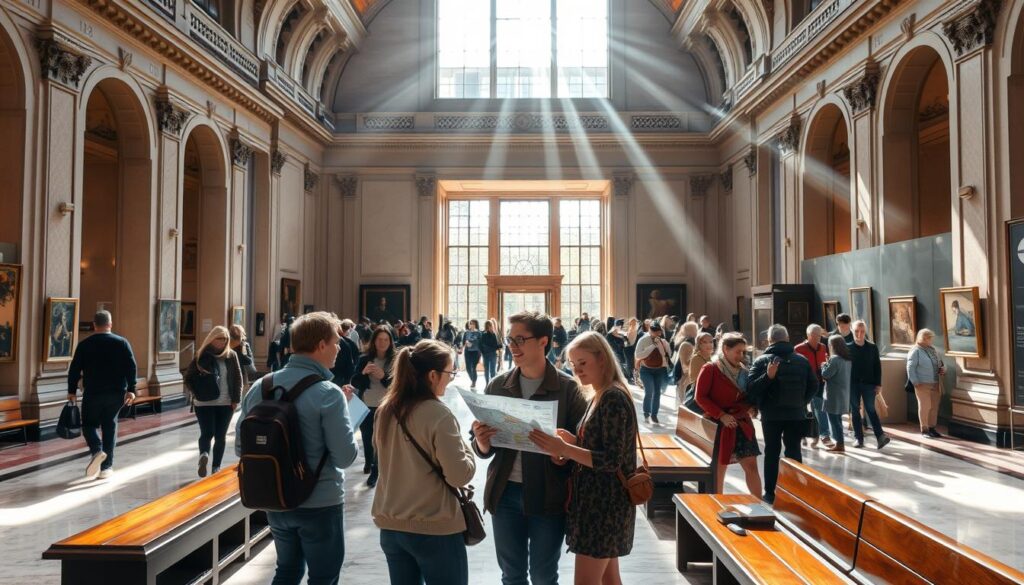
Exploring historic sites requires both curiosity and practical preparation. Proper planning helps visitors make the most of their time at this remarkable place. Comfort and awareness of the building’s layout ensure a smooth journey through centuries of history.
Footwear and Floor Protection
Sturdy closed-toe shoes prove essential for navigating steep staircases. Original 17th-century steps wind upward at angles modern buildings rarely replicate. Grippy soles prevent slips on polished wood surfaces worn smooth by generations.
Protective shoe covers provided at entry safeguard delicate floors. These thin overshoes work best with snug footwear, keeping historic planks pristine while allowing easy movement. Heels and sandals complicate both climbing and floor preservation efforts.
Group Experiences and Timing
Guided tours unlock deeper insights into the site’s layered past. Knowledgeable staff share stories about architectural tricks and hidden symbols most miss when exploring solo. Groups of 10+ should book ahead for personalized attention.
Weekday mornings offer quieter exploration windows. Local crowds often fill spaces after noon, especially on weekends. Early arrivals enjoy unhurried moments in the attic sanctuary’s golden light.
| Tour Type | Duration | Best For |
|---|---|---|
| Self-Guided | 60-90 mins | Flexible explorers |
| Expert-Led | 120 mins | History enthusiasts |
| Group | 75 mins | Schools & teams |
Note that narrow passages and low ceilings limit accessibility. Those with mobility challenges may prefer virtual tours showcasing upper levels through detailed 360° imagery.
The Legacy and Impact on Modern Worship
Seventeenth-century Amsterdam whispers lessons about coexistence through its architecture. While many nations enforced religious conformity, Dutch merchants crafted a social experiment within their homes. These spaces became laboratories for tolerance, proving diverse beliefs could thrive side by side.
Historical Influence on Religious Freedom
The attic sanctuary exemplifies a radical idea: conscience over coercion. Dutch authorities permitted private worship despite public restrictions, creating breathing room for minority groups. This delicate balance shaped laws protecting personal belief systems across Europe.
Merchants like Hartman demonstrated how practical solutions could bypass dogma. Their homes hosted Jewish prayers, Catholic masses, and Protestant sermons—often within the same city block. This unspoken agreement laid groundwork for modern human rights frameworks.
Contemporary Relevance and Cultural Reflections
Today’s interfaith dialogues echo patterns from Amsterdam’s Golden Age. The preserved worship space challenges visitors to consider: How do societies protect minority traditions while maintaining social cohesion? Its survival reminds us that tolerance requires active preservation.
Modern nations face similar tests with new belief systems and migrant communities. The Dutch model offers insights—showing how shared urban spaces can nurture both unity and diversity. As one historian notes: “True acceptance begins where laws end.”
This landmark’s greatest lesson transcends time. It proves that courage and creativity can turn walls into bridges—a message resonating in today’s global conversations about belonging.
Conclusion
Walking through this 17th-century merchant’s home feels like stepping into a living history book. Each creaking floorboard shares stories of clever design and quiet perseverance. Preserved rooms reveal how families balanced daily life with spiritual practices during restrictive times.
The crowning jewel—a breathtaking worship space—shows how necessity fuels innovation. This canal house sanctuary proves devotion thrives even under constraints. Its survival speaks volumes about Dutch values of practicality and tolerance.
Visitors leave with more than photos. They carry understanding of how communities preserved traditions through architectural wit. The site challenges us to see buildings as living narratives, where walls hold lessons about coexistence.
Let this guide enhance your exploration. From navigating steep stairs to decoding symbolic details, every prepared traveler becomes part of the story. Discover how one merchant’s vision shaped conversations about freedom that still resonate today.
FAQ
Why was the church built inside a 17th-century canal house?
During the Protestant Reformation, public Catholic worship was banned in Amsterdam. Wealthy merchants secretly built this space in their homes to practice their faith. The canal house’s attic provided a discreet location for religious gatherings.
How long does a typical visit to the museum take?
Most visitors spend 60–90 minutes exploring. The experience includes walking through the historic merchant’s home, climbing narrow stairs to the hidden church, and viewing exhibitions about Amsterdam’s religious tolerance.
Are guided tours available at the museum?
Yes! Audio guides in multiple languages are included with admission. For groups of 10 or more, private tours can be booked in advance. Special themed tours on cultural history are also offered seasonally.
Is the museum accessible for visitors with mobility challenges?
Due to the building’s historic structure, the attic requires climbing steep stairs. The lower floors are partially accessible—contact staff ahead of time for assistance. Wheelchairs cannot reach the church itself.
Can I take photos inside the museum?
Non-flash photography is allowed in most areas. Some artifacts and temporary exhibitions may restrict photography to preserve delicate items. Check with guides upon arrival for details.
What makes the attic church’s design unique?
The space cleverly combines a place of worship with a residential setting. Its multi-level layout, hidden galleries, and original 1660s altar showcase how Catholics adapted to worship discreetly. Period furniture and art add to its authenticity.
How does the museum reflect Amsterdam’s history of religious tolerance?
While public Catholic worship was restricted, authorities often turned a blind eye to hidden churches. This canal house symbolizes the city’s unofficial acceptance of diverse beliefs, a legacy that shaped its cultural identity.
Are tickets available for purchase online?
Yes! Online tickets are recommended during peak seasons. Discounts are offered for students, seniors, and children. Combination passes with nearby museums like the Rembrandt House can also save you money.
What nearby attractions pair well with a visit to the museum?
The Red Light District, Anne Frank House, and Oude Kerk are within walking distance. Canal cruises often include the museum in their historic routes, offering a broader view of the city’s Golden Age.