The United Methodist Church Book of Worship serves as a comprehensive guide to the worship practices and traditions within the United Methodist Church.
This sacred text includes various services, prayers, and liturgies that are integral to the church’s liturgical life, providing a foundation for meaningful worship experiences.
The significance of this book lies in its ability to unify worship practices across different congregations, ensuring a cohesive and rich spiritual experience for its members.
Key Takeaways
- The United Methodist Church Book of Worship is a foundational resource for worship practices.
- It includes a variety of services, prayers, and liturgies.
- The book plays a crucial role in unifying worship across different congregations.
- It enhances the spiritual experience of church members.
- The guide is essential for understanding the traditions of the United Methodist Church.
Overview of the United Methodist Church Book of Worship
The Book of Worship serves as a comprehensive guide for United Methodist congregations, providing a unified approach to worship across different heritages. This unity is achieved through a basic pattern of worship that includes “the basic pattern of worship: Entrance, Proclamation & Response, Thanksgiving & Communion, and Sending Forth” (pp. 13-15). This structure is fundamental to understanding the flow and significance of worship services within the United Methodist Church.
Purpose and Importance
The primary purpose of the United Methodist Church Book of Worship is to provide a standardized framework for worship. This framework ensures that despite the diverse heritages within the United Methodist Church, such as Anglican, Evangelical United Brethren, and Methodist traditions, the worship services maintain a cohesive structure. The importance of this book lies in its ability to guide congregations in meaningful worship practices that are rooted in tradition yet relevant to contemporary contexts.
The Book of Worship is crucial for several reasons:
- It unifies the worship practices across different congregations.
- It provides a rich liturgical framework that includes sacraments, celebrations, and other significant religious practices.
- It serves as a resource for pastors and lay leaders in planning worship services.
Historical Context
The historical context of the United Methodist Church Book of Worship is deeply rooted in the traditions of its predecessor denominations. The book acknowledges the influences of Anglican, Evangelical United Brethren, and Methodist heritages on United Methodist worship. Understanding this historical context is essential for appreciating the evolution of worship practices within the denomination.
“The United Methodist Church’s worship is characterized by a blend of liturgical and evangelical elements, reflecting its diverse heritage.”
The Methodist hymnal and other liturgical resources play a significant role in this context, as they contain hymns, prayers, and liturgies that have been passed down through generations. The Christian liturgy book used by the United Methodist Church is designed to be inclusive, incorporating a wide range of theological and liturgical practices.
Key Sections of the Book of Worship
The Book of Worship is a vital resource that provides guidance on the order of services, sacraments, and celebrations in the United Methodist Church. It serves as a comprehensive guide for worship leaders and participants alike, ensuring a unified and meaningful worship experience.
Order of Services
The Book of Worship includes a general “Order of Sunday Worship,” which provides explanations and suggestions for conducting worship services. It further demonstrates this through five “Services of Word and Table” and four “Services of the Baptismal Covenant.” These resources help churches maintain a consistent and rich worship practice.
By following the outlined order of services, churches can ensure that their worship is both structured and spontaneous, allowing for a deep connection with the congregation. The detailed liturgies provided in the Book of Worship serve as a foundation for creating a meaningful worship experience.
Sacraments and Celebrations
The Book of Worship places significant emphasis on sacraments and celebrations, providing detailed guidance on their observance. It outlines the procedures for administering sacraments such as baptism and communion, as well as celebrating important life milestones.
Understanding the sacraments and celebrations as outlined in the Book of Worship is crucial for effective worship planning. It ensures that these important rituals are conducted with the reverence and significance they deserve, enriching the spiritual lives of the congregation.
By incorporating the guidance from the Book of Worship, churches can enhance their worship practices, making use of the umc liturgical calendar to align their services with the broader United Methodist tradition.
Liturgical Seasons in the United Methodist Church
The United Methodist Church Book of Worship outlines the liturgical seasons, providing a structured way to experience the fullness of Christian faith. The liturgical year is a journey that guides believers through the life of Christ and the history of the church, fostering a deeper understanding of God’s grace and love.
Overview of Each Season
The liturgical year encompasses several key seasons, including Advent, Christmas, Epiphany, Lent, Easter, and Ordinary Time. Each season has its unique characteristics, practices, and emphasis, as detailed in the United Methodist Church Book of Worship.
During Advent, the church prepares for the coming of Christ, reflecting on hope and anticipation. Christmas celebrates the birth of Jesus Christ, while Epiphany focuses on the revelation of Christ to the Gentiles. Lent is a period of fasting, reflection, and preparation for Easter, commemorating the passion and death of Christ. Easter celebrates the resurrection of Christ, and Ordinary Time follows, focusing on the life and teachings of Jesus.
Special Observances
In addition to the major liturgical seasons, the United Methodist Church Book of Worship includes special observances and days that highlight various aspects of Christian faith and practice. These observances provide opportunities for congregations to reflect on their faith and engage in acts of worship and service.
Some of these special observances are tied to specific dates or periods within the liturgical year, such as All Saints’ Day and Holy Week. Others may be observed at the discretion of the local church, allowing for flexibility and contextual relevance.
By following the liturgical seasons and special observances outlined in the United Methodist Church Book of Worship, congregations can enrich their worship life and deepen their connection to the broader Christian tradition.
Worship Practices Unique to the United Methodist Church
The United Methodist Church’s worship practices are a unique blend of liturgy, music, and community. These practices are deeply rooted in the church’s tradition and are reflected in its Book of Worship.
Singing and Hymnody
Singing and hymnody play a vital role in United Methodist worship. The church’s hymnal is a treasured resource, containing a wide range of hymns that cater to different tastes and theological emphases. The United Methodist Hymnal is a key component of worship services, providing a common language for congregational singing.
The Book of Worship includes musical settings for various services, ranging from simple unison responses to complex four-part harmonizations. This diversity allows for a rich and varied worship experience, accommodating different congregational needs and preferences.
Prayers and Confession
Prayer is a fundamental aspect of United Methodist worship, encompassing adoration, confession, thanksgiving, and supplication. The Book of Worship provides a variety of prayer resources, including liturgies and prayers for different occasions and seasons.
Confession is also an integral part of worship in the United Methodist Church. The practice of confession is seen as a means of grace, allowing believers to acknowledge their sins and receive forgiveness. The Book of Worship includes rituals and prayers for corporate confession, fostering a sense of community and shared responsibility among worshippers.
| Aspect of Worship | Description | Resource in Book of Worship |
|---|---|---|
| Singing and Hymnody | Congregational singing and hymns | United Methodist Hymnal |
| Prayers | Variety of prayers for different occasions | Liturgies and prayer resources |
| Confession | Corporate confession and forgiveness | Rituals and prayers for confession |
Elements of Worship Services
The United Methodist Church Book of Worship outlines a fundamental structure for worship services that is both meaningful and engaging. This structure is designed to guide the congregation through a meaningful experience of worship, incorporating various elements that are integral to the religious practices of the United Methodist Church.
Structure of a Typical Service
A typical worship service in the United Methodist Church follows a basic pattern that includes “Entrance, Proclamation & Response, Thanksgiving & Communion, and Sending Forth” (pp. 13-15). This pattern is rooted in traditional Christian liturgy and is adapted to the needs and practices of the United Methodist congregation.
The Entrance segment sets the tone for the service, often involving music and a procession. The Proclamation & Response section is centered around the reading of Scripture and the response of the congregation, typically through prayer or hymn.
The Thanksgiving & Communion part of the service is a crucial element, where the congregation participates in the Eucharist, a sacrament considered essential in the United Methodist tradition. Finally, the Sending Forth concludes the service, commissioning the congregation to live out their faith in the world.
Role of Scripture
Scripture plays a pivotal role in the worship services of the United Methodist Church. The reading of Scripture is considered a form of proclamation, where the Word of God is shared with the congregation. As noted in the Book of Worship, “The reading of Scripture is an integral part of the service, serving as a means of grace and a source of spiritual nourishment for the faithful” (Book of Worship, p. 10).
“The reading of Scripture is not merely an historical or literary exercise, but a living voice that speaks to the hearts of the worshippers.”
The use of Scripture in worship services underscores the United Methodist Church’s commitment to grounding its practices in biblical teachings.
The Role of Communion
The United Methodist Church places a significant emphasis on Communion, a practice deeply rooted in its worship traditions. Communion, or the Eucharist, is a sacrament that symbolizes the body and blood of Christ, serving as a powerful reminder of Christ’s sacrifice and love.
The United Methodist Church’s Book of Worship includes “Services of Word and Table” that demonstrate the importance of Communion in United Methodist worship. These services highlight the integral role of Communion in the life of the church.
Understanding the Eucharist
The Eucharist is understood in the United Methodist Church as a means of grace, where believers receive spiritual nourishment through the sacrament. It is a celebration of Christ’s presence among his people.
“The Eucharist is a sacrament of the Church, a sign and symbol of the love of God for the world, and a means of grace.” This understanding underscores the significance of Communion in fostering a deep connection with God and with the community of believers.
The practice of Communion is guided by the methodist church prayer book, which provides the liturgical framework for the service. This ensures a unified and meaningful experience across different congregations.
Significance of Open Communion
The United Methodist Church practices open Communion, welcoming all baptized Christians to participate in the Eucharist. This practice reflects the church’s commitment to unity and inclusivity.
| Aspect | Significance |
|---|---|
| Inclusivity | Open Communion welcomes all baptized Christians, promoting unity among different Christian denominations. |
| Spiritual Nourishment | The Eucharist is seen as a means of spiritual nourishment, providing believers with grace and comfort. |
| Community Building | Communion fosters a sense of community among believers, strengthening their bond with Christ and with each other. |
The practice of open Communion is also reflected in the umc liturgical calendar, which guides the worship life of the church throughout the year. This calendar ensures that the seasons and observances are celebrated with appropriate liturgies and rituals.
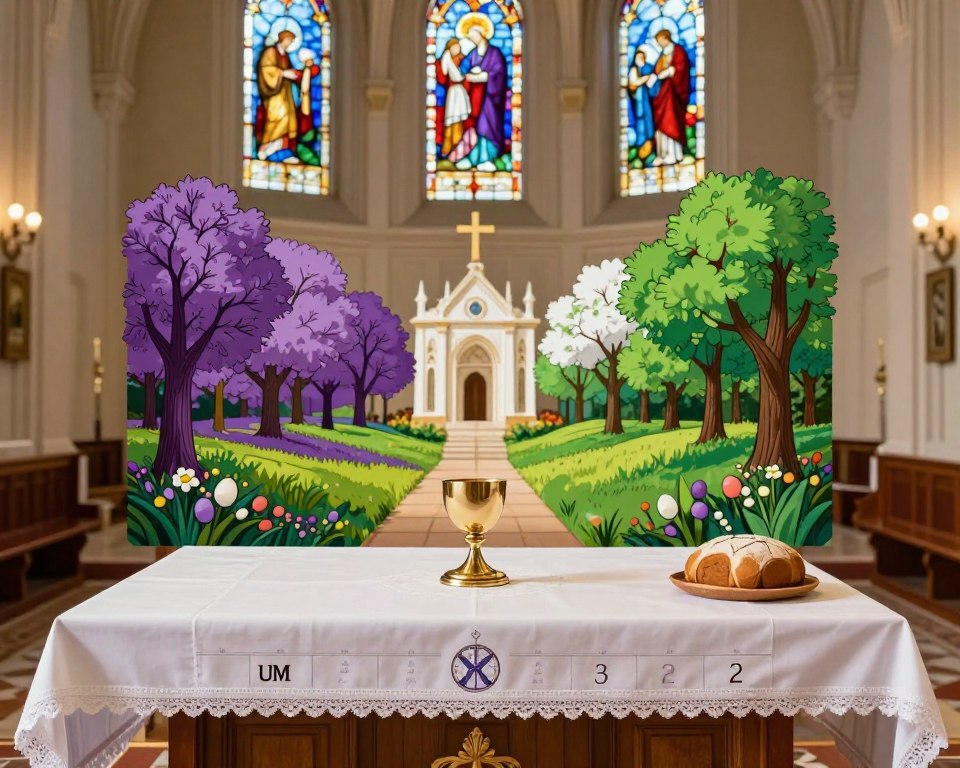
In conclusion, Communion plays a vital role in the worship life of the United Methodist Church. Through the Eucharist, believers experience spiritual nourishment, and the practice of open Communion promotes unity and inclusivity.
Special Services and Observances
Life’s milestones are celebrated and marked through special services and observances in the United Methodist Church, with the Book of Worship serving as a guide. These services are crucial in the spiritual journey of the faithful, providing a framework for worship and celebration.
Weddings and Funerals
The Book of Worship includes detailed rituals and services for weddings and funerals, emphasizing the importance of these life events. For weddings, the Book provides guidance on the ceremony, including vows and the exchange of rings. Funerals are also covered, with services that honor the deceased and offer comfort to the grieving.
Baptisms and Confirmations
Baptisms and confirmations are significant sacraments in the United Methodist Church. The Book of Worship outlines the procedures for these services, including the baptismal covenant and the rite of confirmation. These services are pivotal in the life of a believer, marking important steps in their faith journey.
| Service | Purpose | Key Elements |
|---|---|---|
| Weddings | Celebrate the union of two people | Vows, exchange of rings, pronouncement |
| Funerals | Honor the deceased and comfort the grieving | Eulogy, scripture readings, committal |
| Baptisms | Initiate a person into the Christian faith | Baptismal covenant, water baptism, welcoming |
| Confirmations | Confirm a person’s commitment to their faith | Laying on of hands, confirmation vow, prayer |
The United Methodist Church Book of Worship is a vital resource for conducting special services and observances. By following the guidelines provided in the Book, churches can ensure that these significant life events are celebrated with reverence and in accordance with tradition.
Incorporating Community Celebrations
The Book of Worship provides a framework for incorporating community celebrations into the life of the church. This incorporation not only enriches the worship experience but also fosters a sense of community among the congregation.
Recognizing Milestones
Recognizing milestones is an essential aspect of community celebrations. The Book of Worship includes services and resources for significant life events such as weddings, funerals, baptisms, and confirmations. These services are designed to be inclusive and meaningful, providing a way for the community to come together and celebrate or mourn.
The United Methodist Church places a strong emphasis on community and inclusivity. By using the resources provided in the Book of Worship, churches can create a welcoming environment for all members of the community.
For example, the Book of Worship includes guidelines for conducting wedding ceremonies that are both personal and meaningful. It also provides resources for funeral services, ensuring that they are dignified and respectful.
Community Engagement Through Worship
Community engagement is a vital component of the United Methodist Church’s worship practices. The Book of Worship encourages churches to engage with their community through various forms of worship and celebration.
One way to achieve this is through the use of liturgical seasons, which provide a framework for worship throughout the year. By observing these seasons, churches can connect with the broader Christian community and deepen their understanding of the faith.
| Liturgy Season | Description | Community Engagement Opportunities |
|---|---|---|
| Advent | A period of preparation for Christmas | Community Advent events, charity drives |
| Lent | A period of reflection leading up to Easter | Lenten studies, community service projects |
| Easter | Celebration of the Resurrection | Easter egg hunts, community breakfasts |
By incorporating community celebrations into worship, churches can strengthen their bonds with the community and provide meaningful experiences for their members.
The Book of Worship and Technology
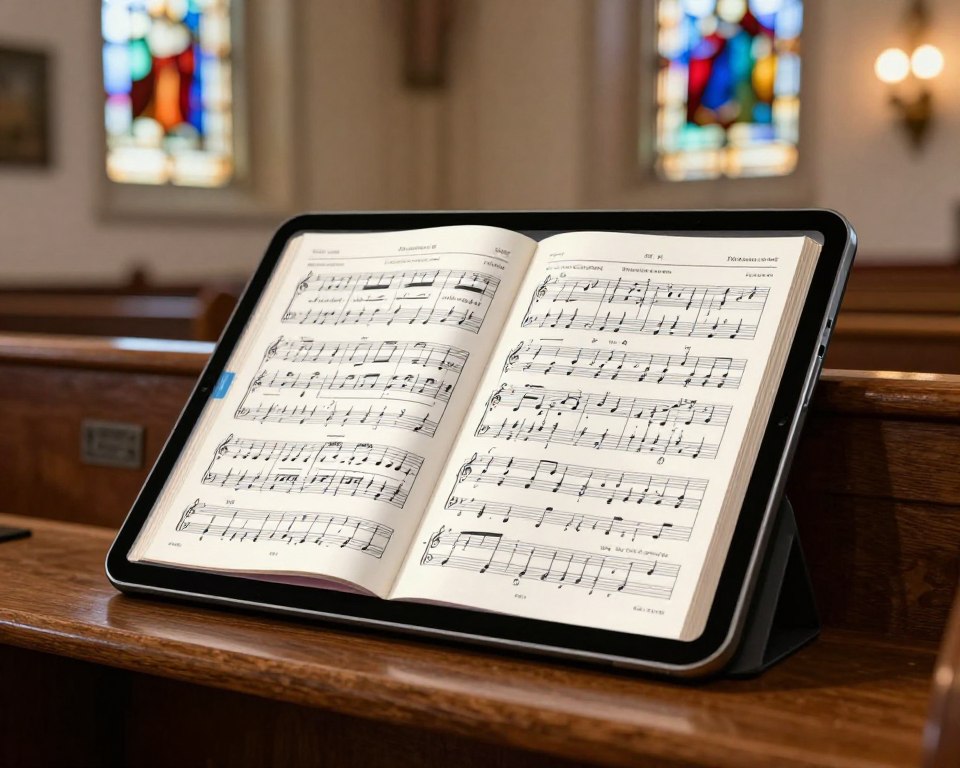
With the rise of digital platforms, the UMC Book has become more accessible, allowing for innovative worship practices. The digital edition of the Book of Worship enables online access and download, making it a valuable resource for virtual worship and online study.
Virtual Worship Innovations
The digital landscape has transformed the way worship services are conducted. The United Methodist Church has embraced technology to reach a wider audience and enhance the worship experience. Virtual worship innovations include live streaming of services, online Bible studies, and virtual prayer meetings.
These innovations have made it possible for members to participate in worship services remotely, fostering a sense of community even when physical presence is not possible. The digital edition of the Methodist Hymnal is an integral part of these virtual services, providing a unified worship experience.
Resources for Online Worship
The digital edition of the Book of Worship offers numerous resources for online worship. It includes liturgies, prayers, and hymns that can be easily accessed and used in virtual worship settings. Additionally, the digital format allows for easy searching and navigation, making it a practical tool for worship leaders.
Online resources also include video tutorials and guides on how to effectively use the digital Book of Worship in worship services. These resources help in planning and executing meaningful virtual worship experiences.
By leveraging technology and the digital edition of the Book of Worship, the United Methodist Church continues to evolve its worship practices, ensuring that they remain relevant and engaging for its members.
Leadership and Worship Planning
The United Methodist Church Book of Worship provides comprehensive guidance for pastors and lay leaders in preparing worship services. This guidance is crucial for creating meaningful and engaging worship experiences.
Roles of Pastors and Lay Leaders
Pastors and lay leaders play pivotal roles in worship planning. Pastors are responsible for overseeing the worship service, ensuring it aligns with the liturgical season and the church’s calendar. Lay leaders, on the other hand, contribute by participating in various aspects of worship, such as leading prayers, reading scripture, and assisting in communion.
The collaboration between pastors and lay leaders is essential for creating a rich and diverse worship experience. The Book of Worship offers resources and guidelines to help both pastors and lay leaders understand their roles and responsibilities.
Guidelines for Preparing Worship
The Book of Worship provides detailed guidelines for preparing worship services, including the structure of a typical service and the role of scripture. It emphasizes the importance of incorporating various elements, such as prayers, hymns, and sermons, to create a comprehensive worship experience.
Additionally, the Book of Worship offers guidance on special services and observances, such as weddings, funerals, and baptisms. It provides resources for planning these services, ensuring they are conducted with reverence and respect.
By following the guidelines and resources provided in the United Methodist Church Book of Worship, pastors and lay leaders can work together to create worship services that are meaningful, engaging, and faithful to the traditions of the United Methodist Church.
Finding Resources in the Book of Worship
Within the pages of the United Methodist Church Book of Worship, one can discover numerous tools for personal and communal worship. The book is designed to cater to various needs, providing a comprehensive guide for different aspects of worship.
Additional Literature and Guides
The United Methodist Hymn Book is an integral part of the worship resources, offering a collection of hymns and songs that enrich the worship experience. Additionally, the Book of Worship includes liturgical guides that outline the structure and elements of various worship services.
These resources are invaluable for both clergy and lay leaders. They provide a foundation for planning worship services that are meaningful and engaging. The guides cover a range of topics, from the Christian Liturgy Book to special services such as weddings and funerals.
| Resource | Description | Usage |
|---|---|---|
| United Methodist Hymn Book | A collection of hymns and songs | Worship services, personal devotion |
| Liturgical Guides | Outlines for worship services | Planning worship services |
| Christian Liturgy Book | Comprehensive liturgical resource | Study, worship planning |
How to Use for Personal Worship
For personal worship, the Book of Worship offers several resources that can enhance one’s devotional life. The liturgical guides and hymns can be used for individual reflection and prayer. By incorporating these resources, individuals can create a meaningful and structured personal worship practice.
Using the United Methodist Church Book of Worship for personal devotion involves selecting appropriate readings and prayers, and possibly using the hymns as a form of meditation or reflection. This can help deepen one’s spiritual life and provide a sense of connection to the broader community of faith.
Conclusion and Call to Action
The United Methodist Church Book of Worship is a valuable resource that can deepen one’s understanding and practice of worship. By exploring its contents, individuals can gain a richer appreciation for the liturgical seasons and worship practices unique to the United Methodist Church.
Practicing Worship with Purpose
Embracing the practices outlined in the methodist worship guide can enhance one’s spiritual journey. The Book of Worship provides a framework for meaningful worship, including the sacraments, prayers, and hymnody that are central to the United Methodist tradition.
Exploring the UMC Liturgical Calendar
The umc liturgical calendar is a vital component of the Book of Worship, guiding individuals through the various liturgical seasons and observances. By following this calendar, worship leaders can plan services that are relevant and engaging, fostering a deeper connection with the community.
As you continue on your spiritual journey, we encourage you to explore the resources available in the Book of Worship, using it as a guide to enhance your worship practices and deepen your faith.
FAQ
What is the United Methodist Church Book of Worship?
The United Methodist Church Book of Worship is a comprehensive guide to worship practices in the United Methodist Church, containing orders of service, liturgies, and other resources for worship.
What is the purpose of the United Methodist Church Book of Worship?
The purpose of the Book of Worship is to unify different worship heritages and provide a basic pattern of worship for the United Methodist Church, guiding its liturgical life and practices.
How does the Book of Worship guide worship practices in the United Methodist Church?
The Book of Worship guides worship practices by providing orders of service, liturgies, and other resources for worship, including sacraments and celebrations, and outlining the structure of a typical service.
What are the liturgical seasons in the United Methodist Church?
The United Methodist Church observes several liturgical seasons, including Advent, Christmas, Epiphany, Lent, Easter, and Ordinary Time, each with its own unique character and observances.
How is Communion practiced in the United Methodist Church?
In the United Methodist Church, Communion is practiced as an open table, welcoming all baptized Christians to participate, and is understood as a sacrament of unity and fellowship.
What guidance does the Book of Worship provide for special services and observances?
The Book of Worship provides guidance for special services and observances, including weddings, funerals, baptisms, and confirmations, outlining the liturgies and practices for these occasions.
How can the Book of Worship be used in conjunction with technology?
The Book of Worship can be used in conjunction with technology, including virtual worship innovations and resources for online worship, to enhance its accessibility and usability.
What is the role of pastors and lay leaders in worship planning?
Pastors and lay leaders play a crucial role in worship planning, with responsibilities including preparing worship services, selecting liturgies and readings, and guiding the congregation in worship.
How can individuals use the Book of Worship for personal worship?
Individuals can use the Book of Worship for personal worship by following the daily devotions, prayers, and liturgies outlined in the book, and using it as a resource for individual study and reflection.
What additional resources are available in the Book of Worship?
The Book of Worship includes additional resources, such as literature and guides, to support personal worship and study, and to provide further guidance on worship practices.
How does the United Methodist Church incorporate community celebrations into its worship practices?
The United Methodist Church incorporates community celebrations into its worship practices by recognizing milestones and engaging the community through worship, using the Book of Worship as a guide.