Across this historic city, communities rooted in timeless values create spaces where individuals connect deeply with purpose. Diverse gatherings blend rich traditions with modern approaches to faith, offering everyone a place to belong. From century-old architecture to innovative neighborhood programs, these groups prioritize both personal growth and collective impact.
Many local organizations focus on building bridges between different cultures and generations. Weekly gatherings often feature dynamic music, practical teachings, and opportunities to serve others. Leaders emphasize developing authentic relationships that inspire members to grow personally while making meaningful contributions.
Beyond weekend events, numerous initiatives address real needs through food drives, mentorship programs, and partnerships with local schools. These efforts demonstrate a shared commitment to creating positive change. Whether through small group discussions or citywide projects, participants find multiple ways to explore their beliefs while uplifting those around them.
Key Takeaways
- Historic and modern groups coexist, offering varied worship styles
- Communities prioritize personal development and social impact
- Inclusive environments welcome people from all backgrounds
- Ongoing service projects address local and global needs
- Leadership programs help members grow their skills
- Creative approaches make spiritual exploration accessible
Discovering the Historical Roots of Philadelphia’s Churches
This city’s spiritual legacy began with a bold experiment in tolerance. William Penn’s 1682 vision transformed the area into a sanctuary where diverse groups could worship without fear. Early settlers built gathering spaces that doubled as community hubs, blending faith with civic life.
Colonial Heritage and Religious Freedom
The Free Quaker Meetinghouse stands as proof of Penn’s radical ideals. Built in 1783, its plain design reflects Quaker values of simplicity. Nearby, Gloria Dei Church—founded by Swedish settlers in 1700—showcases how multiple traditions thrived side by side.
“True religion needs no walls, but it builds bridges.”
Architectural Masterpieces and Historic Landmarks
From rugged stone walls to soaring steeples, these buildings tell stories through brick and mortar. The Cathedral Basilica on Benjamin Franklin Parkway mixes French Gothic grandeur with local craftsmanship. Compare key sites:
| Building | Style | Unique Feature |
|---|---|---|
| Old Swedes’ Church | Colonial | Original 1698 log structure |
| Trinity Church Oxford | Georgian | Hand-carved wooden pulpit |
| St. James Kingsessing | Gothic Revival | Stained glass from 1842 |
Many structures still host weekly services, their walls echoing centuries of prayers. Preservation efforts ensure these landmarks remain active parts of city life rather than museum pieces.
Top Christian Churches Philadelphia: A Detailed Look
Philadelphia’s spiritual landscape offers remarkable diversity through its sacred spaces. Historic sanctuaries stand alongside innovative community hubs, each telling unique stories of faith in action. These institutions blend architectural grandeur with meaningful service, creating welcoming environments for all.
Catholic and Roman Catholic Landmarks
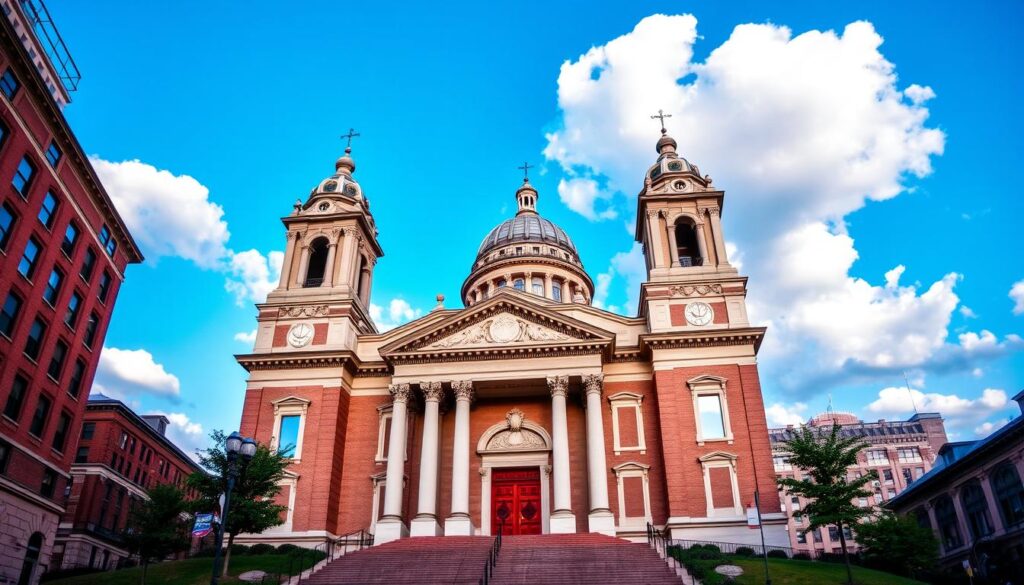
The Cathedral Basilica of Saints Peter and Paul anchors Catholic tradition with its towering Corinthian columns. As the archdiocese’s mother church, it hosts vibrant liturgical services attended by thousands. Weekly Masses and special events foster deep connections among worshippers.
Protestant Traditions: Baptist, Presbyterian, and More
Tenth Presbyterian Church showcases Victorian Gothic architecture while maintaining Reformed theology since 1856. Across town, Grace Baptist Church energizes communities through food pantries and youth mentorship. Both demonstrate how denominations adapt timeless values to modern needs.
Modern Non-Denominational and Community Churches
Metro Church reimagines a 1920s building with inclusive worship experiences. Interactive sermons and live music attract diverse crowds seeking spiritual growth. Their partnership with local schools highlights practical faith in action.
| Landmark | Denomination | Key Feature |
|---|---|---|
| Cathedral Basilica | Roman Catholic | Largest Catholic worship space |
| Tenth Presbyterian | Presbyterian | Historic stained glass windows |
| Grace Baptist | Baptist | Community tutoring programs |
| Metro Church | Non-Denominational | Adaptive reuse architecture |
These groups frequently collaborate on city-wide initiatives, proving shared goals transcend individual traditions. From shelter support to interfaith dialogues, they create united fronts for positive change.
Experiencing Community and Service in Local Churches
At the heart of these communities lies a commitment to transforming lives through shared purpose. Vibrant worship experiences blend ancient traditions with fresh approaches, creating spaces where every voice matters. Whether through candlelit hymns or upbeat modern melodies, gatherings focus on meaningful connection over routine rituals.
Worship Services and Spiritual Life
Sunday mornings buzz with energy across multiple service styles. Traditional liturgies feature pipe organs and recited creeds, while contemporary sessions use projection screens and live bands. Midweek groups dive deeper through book studies and prayer circles, helping people apply faith to daily challenges.
Community Outreach, Missions, and Small Group Engagement
Food pantries and tutoring programs demonstrate love in action. One neighborhood initiative pairs professionals with job seekers through resume workshops. Global missions range from building schools overseas to supporting refugee families locally.
Freedom Church exemplifies this blend, hosting services at 1200 Market Street with times accommodating various schedules. Their leaders prioritize mentorship programs that equip members to lead community projects. Small groups meet in homes citywide, fostering friendships that extend beyond Sunday gatherings.
Through these efforts, lives change both within and beyond the church walls. Partnerships with schools and businesses create ripples of positive impact, proving faith thrives when put into service.
Navigating Philadelphia’s Diverse Spiritual Traditions
Philadelphia’s spiritual mosaic thrives through traditions that shape neighborhoods and hearts alike. Quiet meetinghouses stand beside ornate cathedrals, each telling stories of faith in action. This blend creates spaces where seekers find belonging through varied expressions of belief.
Quaker, Episcopal, and Orthodox Influences
The Arch Street Friends Meeting House preserves Quaker simplicity with wooden benches and hushed reflection. Here, silent worship fuels social justice work that’s shaped the city for centuries. Just blocks away, Episcopal congregations blend ancient liturgy with modern activism through food drives and housing initiatives.
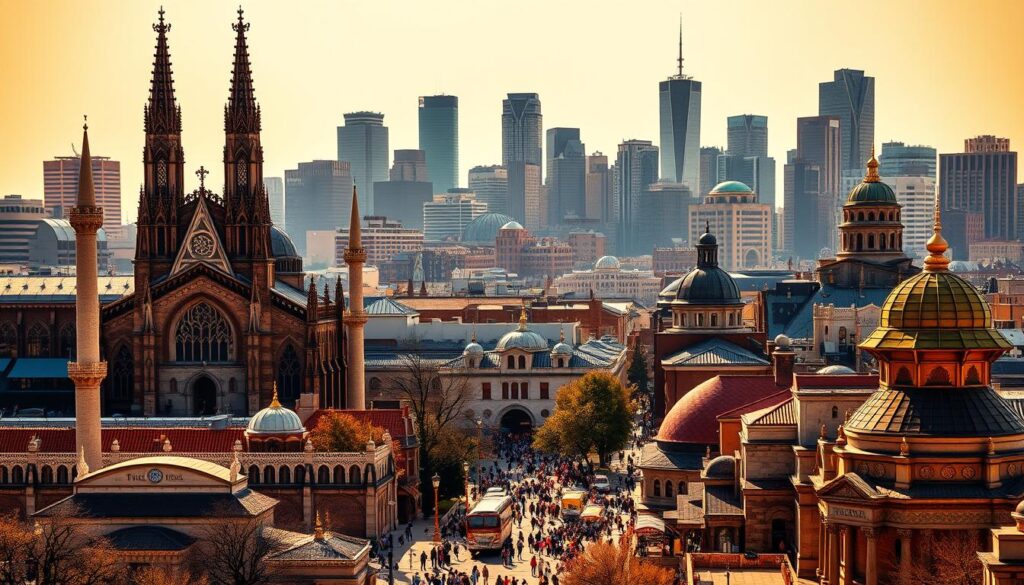
Orthodox communities add vibrant threads to this tapestry. Saint George Greek Orthodox Cathedral dazzles with gold-leaf icons during Easter midnight services. These traditions connect worshippers to global practices while nurturing local neighborhood bonds.
Architectural Diversity and Neighborhood Connections
From stone-clad Baptist halls to rainbow-stained Presbyterian windows, buildings mirror their communities’ values. The Frankford Friends Meeting House’s plain brick exterior hides a cozy interior where decisions emerge through consensus. Contrast this with the Russian Orthodox Cathedral’s onion domes that crown Fairmount’s skyline.
Different areas showcase unique spiritual flavors. South Philly’s row houses shelter Albanian Orthodox gatherings, while West Philly’s Victorian homes host experimental worship spaces. Each church becomes a home for both tradition and innovation.
These sacred spaces anchor communities through more than Sunday services. Tutoring programs in Baptist basements and Orthodox food festivals prove shared values transcend architectural styles. Together, they create a living map of faith woven into the city’s streets.
Conclusion
Philadelphia’s sacred spaces form a living mosaic where heritage meets innovation. For over 300 years, these groups have shaped the city’s identity through service and shared values. Landmarks like the Basilica of Saints Peter stand as testaments to enduring faith, while modern hubs reimagine worship for new generations.
Every corner offers ways to grow spiritually while making a difference. Meal programs, mentorship initiatives, and global partnerships show how beliefs translate into action. Whether through candlelit hymns or community gardens, people find purpose beyond Sunday gatherings.
What makes these communities special? Their ability to honor tradition while answering today’s needs. You’ll discover historic stone walls housing tech-driven outreach projects and century-old choirs singing alongside jazz bands. This blend creates welcoming homes for all seekers.
From quiet Quaker meetings to vibrant gospel services, there’s space for every journey. These groups prove that ancient wisdom can fuel fresh solutions—for neighborhoods and the world. Together, they build bridges between past and future, one act of kindness at a time.
FAQ
What historic sites highlight the city’s role in religious freedom?
Old St. Joseph’s Church, founded in 1733, reflects Philadelphia’s commitment to tolerance. Benjamin Franklin’s writings also emphasize the city’s early support for diverse beliefs. The National Liberty Museum further explores this legacy.
Which landmarks showcase unique architecture?
The Basilica of Saints Peter and Paul blends Gothic Revival design with Roman Catholic tradition. Old Swedes’ Church (Gloria Dei) offers a glimpse of 17th-century Scandinavian craftsmanship. Tenth Presbyterian Church features striking stained glass and a historic organ.
How do local congregations engage with their neighborhoods?
Many host food drives, mentorship programs, and free clinics. For example, Arch Street United Methodist runs outreach initiatives for unhoused populations. Small groups often partner with schools or nonprofits to address community needs.
Are there options for non-denominational worship?
Yes! Communities like Liberti Church and Redemption Hill focus on inclusive, modern services. These spaces often prioritize contemporary music, casual atmospheres, and practical teachings applicable to daily life.
Where can I experience Quaker traditions?
The Arch Street Meeting House, built in 1804, hosts silent worship sessions. Friends Center nearby provides resources on Quaker values like peace activism and social justice—core parts of Philadelphia’s spiritual identity.
Do any churches offer tours or cultural events?
Christ Church hosts guided tours showcasing its ties to Founding Fathers. The Episcopal Cathedral often holds concerts, while St. Nicholas of Myra Byzantine Catholic Church shares Eastern European heritage through festivals.