In a land where ancient traditions meet modern diversity, a vibrant spiritual community thrives. For over 100 years, this group has woven itself into the fabric of Egyptian life, offering fellowship and guidance to many. Sixteen distinct denominations unite under one banner, working side by side to uplift their shared mission.
These faith communities collaborate closely with other Christian traditions, fostering unity in a nation where religious harmony matters. Their partnerships reflect a commitment to collective service—whether through education, healthcare, or spiritual support. This cooperative spirit strengthens their impact while honoring each group’s unique practices.
Adapting to local culture hasn’t diluted their core beliefs. Instead, it’s allowed them to connect deeply with people across regions. Many find inspiration in teachings like those found in Scriptures about divine guidance, which shape their approach to worship and outreach.
From bustling cities to quiet villages, these congregations serve as beacons of hope. Their story isn’t just about numbers—it’s about lives transformed through faith in action. As we explore their journey, you’ll discover how they balance tradition with innovation to meet today’s challenges.
Key Takeaways
- Sixteen denominations collaborate under a shared vision for spiritual growth and community service.
- Strong partnerships with other Christian groups highlight a commitment to unity and mutual support.
- Cultural adaptation allows meaningful connections while preserving theological identity.
- Initiatives in education and healthcare demonstrate their active role in society.
- Geographic diversity ensures outreach spans urban centers and rural areas alike.
History and Cultural Impact of the protestant church egypt
For over 120 years, a tapestry of global volunteers shaped Egypt’s spiritual and social landscape. Their legacy began with practical expertise rather than doctrine—educators taught literacy, engineers improved infrastructure, and medical teams brought lifesaving care.
Early Roots and Missionary Influence
In the 1800s, skilled workers arrived from across the world, sharing knowledge that fueled local development. These pioneers laid foundations for what became the Evangelical Presbyterian community—now known as the Synod of the Nile. One historian notes: “They built schools before pulpits, prioritizing empowerment over conversion.”
Cultural Contributions and Social Impact
Their work transformed society through:
- Healthcare clinics serving remote areas
- Agricultural programs boosting food security
- Vocational training centers creating economic opportunities
After the 2011 Arab Spring, renewed interest in community-driven solutions let these groups expand their work. Partnerships with Coptic Orthodox leaders strengthened during this era, fostering interfaith collaboration on poverty relief and youth programs.
Capacity Building and Community Social Services
Empowering communities starts with equipping those who serve them. Faith-based organizations in Egypt are investing in structured programs to enhance leadership capabilities and address pressing social needs. These initiatives blend practical education with compassionate outreach, creating lasting change.
Training Programs and Leadership Development
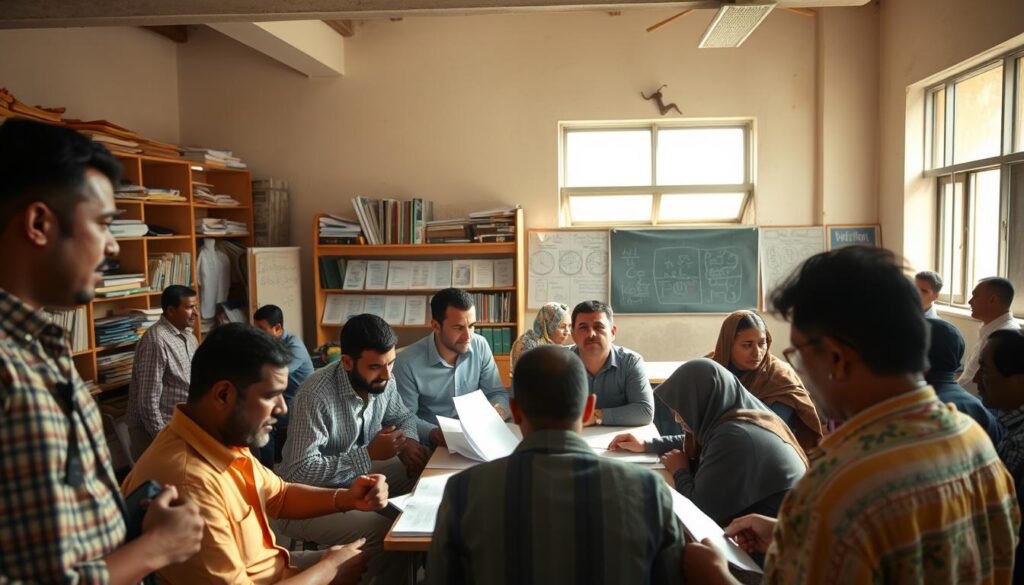
A pilot program in Alexandria has already transformed 25 leaders across five congregations. Participants learn to manage resources, design outreach strategies, and strengthen community bonds. One graduate shared: “This training helped me turn our food pantry into a hub for job referrals.”
| Program Focus | Locations | Participants | Key Skills |
|---|---|---|---|
| Ministry Administration | Alexandria | 15 pastors | Budgeting, Team Leadership |
| Community Outreach | Minia | 10 volunteers | Conflict Resolution, Event Planning |
| Youth Mentorship | Assiut | 20 coordinators | Curriculum Development, Counseling |
Social and Psychological Support Initiatives
Rural regions often lack access to mental health resources. Local teams now offer counseling services alongside literacy classes and medical check-ups. Over 70% of participants in Beni-Suef reported improved stress management after six weeks of workshops.
Plans to train 100 leaders—including 30 women—will expand these services to three new governorates. The curriculum covers rights advocacy, trauma care, and sustainable project design. This approach ensures communities grow stronger while preserving their cultural identity.
Mission and Leadership Development in Egypt
Bridging the gap between faith and civic duty, a bold initiative reshapes how communities engage with governance. For decades, limited political participation left minority voices unheard—now, structured training programs aim to change this narrative.
Parliament Training for Youth and Political Engagement
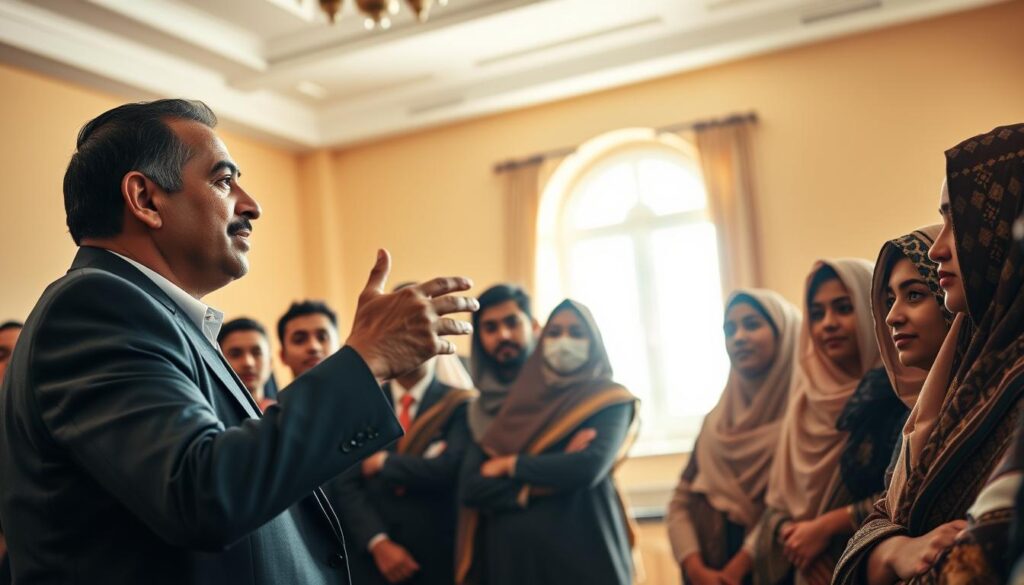
A specialized committee of experienced mentors designs workshops to equip candidates with practical skills. These include drafting legislation, public speaking, and understanding constitutional frameworks. One trainee remarked: “We’re learning to turn community needs into actionable policies.”
| Training Phase | Curriculum Focus | Target Group | Outcome |
|---|---|---|---|
| Foundations | Constitutional Rights | First-time Candidates | Policy Analysis Skills |
| Advanced | Campaign Strategy | Women Leaders | Public Advocacy Techniques |
| Practical | Legislative Processes | Youth Delegates | Drafting Proposals |
Expanding Opportunities for Future Leaders
New programs prioritize leadership development through mentorship and hands-on projects. Over 30% of participants in pilot courses are women, reflecting a commitment to inclusive growth. These efforts align with effective leadership principles that emphasize service and integrity.
By 2025, organizers aim to prepare 50 candidates for electoral roles. This vision combines ethical governance with community-driven solutions—a fresh approach to nurturing changemakers.
Conclusion
A new chapter unfolds as 168 worship centers gain official recognition, marking a historic shift in religious inclusion. This milestone reflects growing collaboration between faith groups and the government, with over 3,700 applications reviewed since 2016.
Andrea Zaki of the Synod of the Nile captures the momentum: “Progress started slowly, but commitment now fuels real change.” More than 80 facilities serving these communities have been approved recently, with hundreds awaiting review—a testament to expanding spiritual access nationwide.
Beyond buildings, this progress strengthens services in education and healthcare. Leadership training programs prepare leaders to address societal needs while fostering unity across traditions. As legal frameworks evolve, so does the potential for meaningful community development.
The road ahead shines brighter. With sustained dialogue and practical programs, these efforts continue reshaping Egypt’s spiritual landscape—one neighborhood at a time.
FAQ
How have evangelical communities contributed to Egypt’s social services?
Through initiatives like healthcare clinics, literacy programs, and vocational training, these groups address gaps in underserved areas. Their focus on holistic care supports education, mental health, and economic empowerment.
What leadership training opportunities exist for young congregants?
Programs like parliament simulations and workshops equip youth with civic engagement skills. Theological colleges and mentorship initiatives also prepare emerging leaders for roles in ministry and community development.
Are there collaborative efforts between different Christian denominations?
Yes! Organizations like the Synod of the Nile foster partnerships across traditions. Joint projects in education, healthcare, and advocacy highlight shared goals while respecting doctrinal differences.
How do these groups address mental health needs?
Counseling services, trauma recovery workshops, and peer support networks are prioritized. Training local volunteers ensures culturally sensitive care reaches rural and urban areas alike.
What role do women play in community-building efforts?
Women lead literacy drives, health awareness campaigns, and microfinance projects. Leadership programs specifically empower them to take active roles in decision-making and ministry.
How can international supporters engage with these initiatives?
Partnerships often focus on funding education scholarships, medical supplies, or skill-sharing exchanges. Volunteering in training programs or donating to social service projects are common avenues.