Every Sunday, believers unite across continents to participate in a timeless practice known as the worship of the people. This shared experience connects modern congregations with centuries of spiritual heritage through structured yet heartfelt gatherings. At its core, this tradition reflects a vibrant blend of ancient customs and living faith.
Central to these services are four distinct phases: Gathering, Word, Meal, and Sending. Each segment builds upon the next, creating a complete spiritual journey that nourishes both individual believers and the broader church community. Unlike casual worship styles, this approach emphasizes intentional participation through prayers, hymns, and Scripture readings.
What makes this tradition unique is its balance of consistency and personal meaning. While maintaining roots in early Christian practices, it adapts to serve contemporary needs. The carefully designed order guides participants through reflection, learning, communion, and purposeful action—all anchored in biblical foundations.
Key Takeaways
- Four-part structure creates a complete worship experience
- Connects modern believers with historical Christian practices
- Balances scriptural focus with communal participation
- Designed to deepen personal and collective faith journeys
- Encourages active engagement through familiar rituals
Introduction to Lutheran Liturgy
In many congregations, services are shaped by the active role of each attendee. This collaborative style of worship reflects a core belief: everyone present contributes to the spiritual experience. Together, they form what’s called the “priesthood of all believers”—a concept highlighting shared responsibility in church gatherings.
Overview for Beginners
At its core, this tradition centers on participation. You won’t find passive observers here. Through spoken responses, hymns, and prayers, each person helps create meaningful connections. This approach isn’t about spectatorship—it’s about building something greater together.
The structure follows patterns used for generations. Four main elements guide the flow:
- Communal preparation through confession and praise
- Scripture readings paired with teaching moments
- Sacred rituals like communion
- Practical encouragement for daily living
What makes this tradition special? Its ability to balance ancient practices with modern relevance. The services feel familiar yet fresh, using time-tested formats that adapt to contemporary needs. Through this rhythm, participants connect with both their local church family and global communities of faith.
Newcomers often appreciate the clear roadmap these services provide. Every element serves a purpose, from opening songs to final blessings. This intentional design helps people engage deeply while maintaining a welcoming atmosphere for all.
Historical Roots and Biblical Foundations
Centuries before stained-glass windows or pipe organs, worship took shape through simple acts of gathering and Scripture engagement. The patterns we recognize today grew from ancient Jewish traditions, later transformed by early Christians. This fusion created a spiritual blueprint still visible in modern services.
Old Testament and Early Church Traditions
The Service of the Word began in synagogues, where communities read Torah scrolls and discussed their meaning. Jesus himself followed this practice, as shown when he read Isaiah’s prophecy in Luke 4:16-17. Early believers adapted these customs, adding new layers of meaning through Christ’s teachings.
By A.D. 150, Christian gatherings regularly included readings from both testaments. As one early church leader noted: “The law and prophets point to Christ, while the apostles reveal his glory.” This dual focus helped believers see God’s ongoing story of redemption.
New Testament and Apostolic Practices
The apostles blended Jewish worship rhythms with fresh understandings of salvation. Acts 13:14-15 shows Paul participating in synagogue-style services while explaining Jesus as Messiah. Over time, these gatherings developed distinct features:
| Element | Old Testament Roots | New Testament Development |
|---|---|---|
| Scripture Readings | Torah recitations | Gospel + Epistle selections |
| Covenant Focus | Abrahamic promises | Christ’s new covenant |
| Rituals | Passover observance | Communion celebration |
This table reveals how early worship maintained continuity while embracing new revelations. The pattern continues today, connecting modern participants with believers across time through shared practices centered on God’s word.
The Structure of Lutheran Worship
A well-crafted worship service acts like a compass—guiding participants through intentional moments of connection and purpose. This four-phase order creates a rhythm that balances reflection with action, drawing people into a shared spiritual journey.
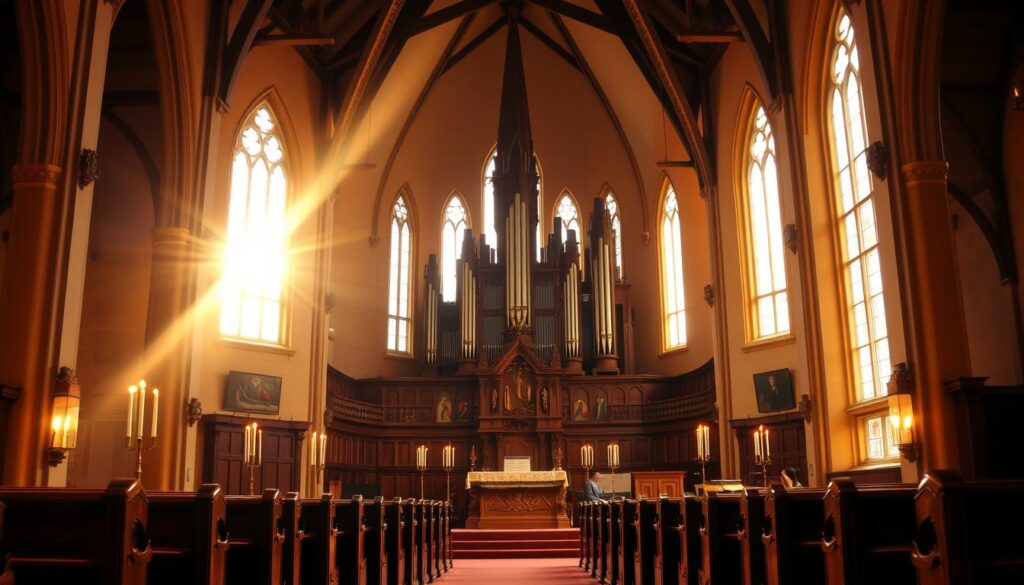
Four Phases of Sacred Gathering
The first phase brings everyone together through thanksgiving. Songs and prayers set the tone, reminding participants of God’s enduring presence. This Gathering isn’t just about physical proximity—it’s about aligning hearts and minds.
Next comes the Word service, where ancient scriptures meet modern life. Through readings and sermons, timeless truths become personal guidance. You’ll notice how biblical stories still speak directly to today’s challenges.
The third phase transforms ordinary elements into sacred symbols. Bread and wine become tangible reminders of divine promises during the Meal. This shared experience reinforces community bonds while nourishing individual faith.
Finally, the Sending turns worship into action. Participants leave equipped to live out their beliefs through practical service. As one pastor explains: “We’re not just filling seats—we’re launching ambassadors of hope.”
This four-part structure ensures every service feels complete yet forward-moving. Each element builds on the last, creating continuity between sacred rituals and daily life. Whether you’re new to this tradition or deeply familiar, the order provides both comfort and challenge.
Exploring the Role of the Pastor and the Congregation
Collaboration takes center stage in shaping worship that honors tradition and community. Unlike hierarchical models, this approach sees every participant as essential. You might be surprised to learn that pastors aren’t spiritual superiors—they’re fellow members called to specific tasks.
The Shared Priesthood Concept
The heart of this partnership lies in a radical idea: everyone shares equal spiritual status. Members aren’t just attendees—they’re active contributors. You’ll notice this during services when voices unite in prayers and hymns, creating a tapestry of shared devotion.
Pastors emerge from the church family itself, selected to lead sacraments and teach. Their role resembles a skilled conductor—guiding without overshadowing. As one leader explains: “My calling lets me serve the choir, not sing solos.”
This mutual dependence shapes every gathering. The pastor ensures orderly worship while the congregation breathes life into rituals. Together, they transform routine services into vibrant encounters. You become part of something bigger—a living expression of faith where every action matters.
What makes this work? Trust in shared purpose. Whether leading or responding, all focus on serving God and neighbors. This balance creates spaces where wisdom flows freely—from pulpit to pew and back again.
The Essence of Lutheran Liturgy in Modern Worship
Sacred meals and heartfelt prayers form the cornerstone of meaningful spiritual encounters in today’s churches. These elements transform ordinary moments into divine connections, blending ancient wisdom with modern relevance.
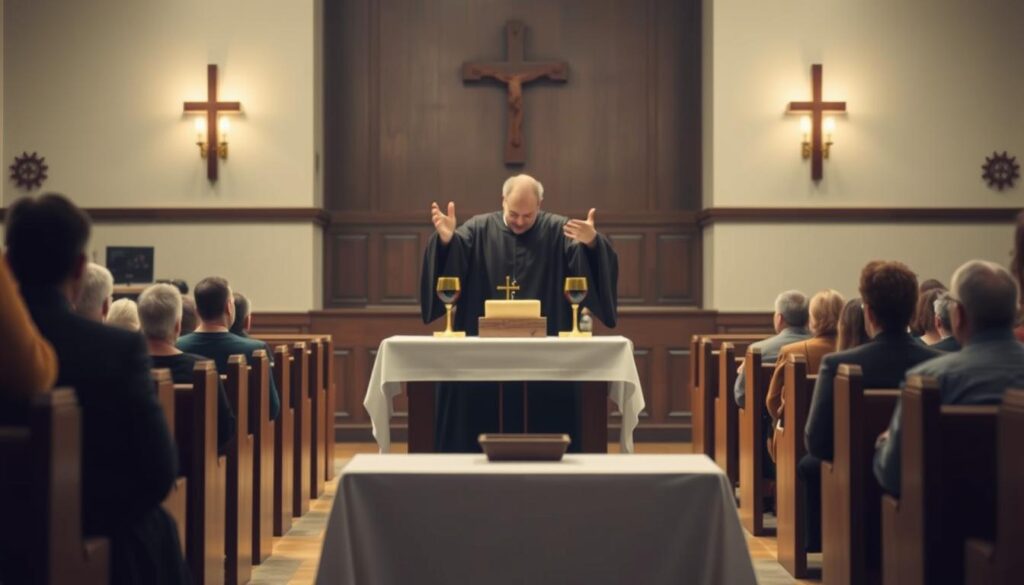
Sacrament of Shared Nourishment
The shared meal often called the Lord’s Supper, acts as a physical reminder of spiritual promises. As one reformer noted: “What eyes can’t see, hands touch through bread and wine.” This practice bridges the gap between heaven’s promises and earthly experience.
| Element | Symbolism | Modern Application |
|---|---|---|
| Bread | Christ’s body | Unity among believers |
| Wine | New covenant | Personal renewal |
| Shared Cup | Community bonds | Collective responsibility |
This table shows how simple elements carry deep meaning. The Word of God comes alive through both spoken teachings and tangible symbols, creating multi-sensory worship experiences.
Harmony of Ancient and New
Modern services balance time-honored prayers with fresh expressions of praise. You might hear centuries-old hymns followed by new worship songs—all united in purpose. This mix honors tradition while speaking to current needs.
Personal prayer interweaves with group recitations, allowing individual and communal growth. The pattern creates rhythm: quiet reflection builds to joyful celebration, then returns to focused petition.
Through these practices, churches maintain theological depth while fostering accessible worship. The result? A living faith that respects roots yet reaches forward—perfect for today’s diverse spiritual seekers.
Preludes, Hymns, and Prayers: Building a Worshipful Atmosphere
From the first notes of the organ to the final whispered prayer, every sound in worship carries purpose. These elements work like invisible threads—weaving hearts together and lifting collective voices upward. Music and spoken words become partners in creating sacred space.
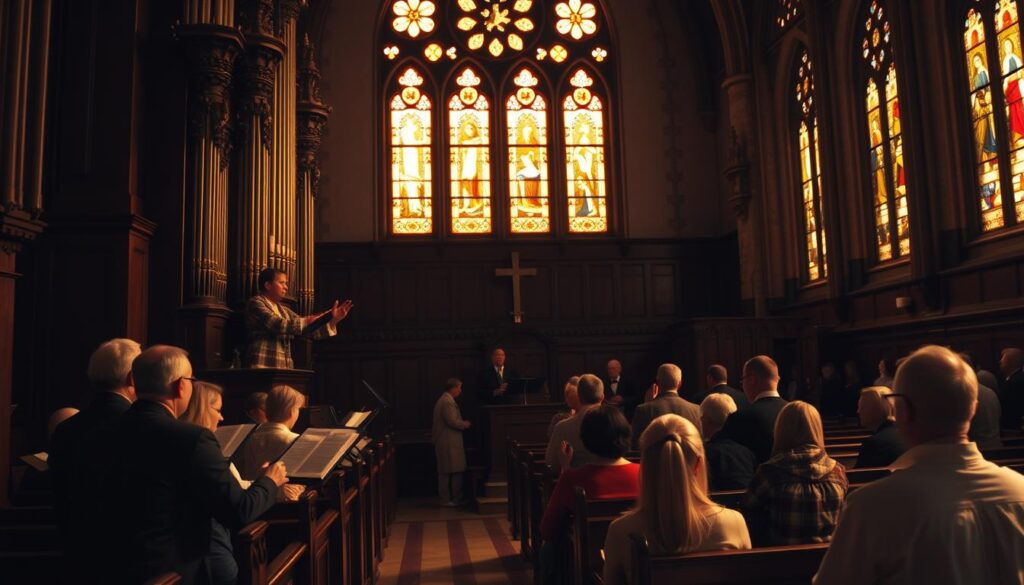
The Importance of Music in Worship
Preludes act as spiritual welcome mats. Gentle melodies ease busy minds into reflection. You’ll notice how hymns then unite everyone—young and old—through shared verses. These songs do more than entertain. They teach truths and stir emotions.
| Musical Element | Purpose | Example |
|---|---|---|
| Prelude | Prepares hearts | Organ improvisation |
| Hymn | Unites voices | “A Mighty Fortress” |
| Choir Anthem | Deepens message | Scripture-based songs |
Modern churches blend classic hymns with new compositions. This mix keeps worship fresh while honoring tradition. As one musician notes: “Good music makes truth memorable.”
Historical Liturgical Prayers Explained
Ancient prayers bridge past and present. The Kyrie eleison (“Lord, have mercy”) dates to early Christian gatherings. These words remind us that human needs haven’t changed. The Gloria’s joyful phrases echo angelic praises from Luke’s Gospel.
The Prayer of the Day acts like a spotlight. It focuses scattered thoughts on key themes from Scripture. You’ll hear phrases like “Gracious God, guide us through Your Word”—simple words carrying eternal weight.
Together, music and prayer create rhythm. They move services from celebration to contemplation, then back to action. This dance of sound and silence shapes transformative worship experiences.
Confession, Creed, and Proclamation in Worship
Shared beliefs become bridges in worship, connecting hearts across time and space. Services often open with a powerful moment of confession—not to shame, but to free. Participants speak honest words about human flaws, then immediately hear promises of forgiveness. This rhythm mirrors life’s realities: we stumble, we heal, we grow.
Ancient Words, Living Faith
The Nicene Creed unites modern believers with generations past. Imagine voices from Tokyo to Nairobi reciting the same core truths! While the Apostles’ Creed roots us in baptismal promises, the Nicene Creed explores divine mysteries like the Trinity. Both act as guardrails, keeping the church centered on essentials.
Scripture readings and sermons turn ancient texts into today’s guidance. You’ll notice how biblical stories address modern struggles—loneliness, injustice, hope. This blend of confession, creed, and teaching strengthens both personal faith and community bonds. Together, they create worship that’s honest, rooted, and ready for Monday mornings.
FAQ
What makes the Lord’s Supper central to worship services?
The Lord’s Supper is a sacred act where believers receive Christ’s body and blood through bread and wine. It’s rooted in Jesus’ command to “do this in remembrance of me,” offering forgiveness and strengthening faith through His sacrifice.
How do Old Testament traditions influence worship practices today?
Many elements, like prayer, psalms, and sacrificial rituals, find fulfillment in New Testament worship. For example, Passover foreshadowed the Lord’s Supper, emphasizing God’s covenant and deliverance through Christ.
Why are creeds like the Nicene Creed recited during services?
Creeds unite believers by declaring core truths of the Christian faith. They echo biblical teachings and affirm shared beliefs across generations, fostering unity and grounding worship in historic doctrine.
What roles do pastors and congregations play in worship?
Pastors lead through preaching and administering sacraments, while the congregation actively participates through prayers, hymns, and responses. This reflects the “shared priesthood” of all believers, emphasizing collective worship.
How does music enhance the worship experience?
Hymns and chants deepen engagement with Scripture and theology. They create a reflective atmosphere, allowing communities to express praise, lament, and thanksgiving together, aligning hearts with God’s Word.
What is the purpose of confession in services?
Confession acknowledges human imperfection and God’s grace. It prepares hearts to receive forgiveness and healing, often followed by absolution—a proclamation of Christ’s mercy that renews believers for faithful living.
How do worship services reflect the early church’s practices?
Elements like Scripture readings, breaking bread, and communal prayers mirror apostolic traditions. These practices emphasize continuity with the early church’s focus on teaching, fellowship, and sacraments.
Why is the “sending” part of worship important?
After being nourished by Word and sacrament, the sending commissions believers to live out their faith. It’s a reminder that worship extends beyond the sanctuary into daily service and witness.