What makes certain Christian communities stand out while staying true to their roots? Let’s dive into a group that blends historical Reformation principles with bold, modern-day practices. These believers prioritize personal spiritual journeys and a deep connection to scripture, shaping worship styles that resonate globally.
Emerging during the 16th-century religious reforms, this denomination shares foundational Christian values like salvation through faith and the Bible as life’s guidebook. Yet their approach to baptism, local governance, and individual accountability creates a unique identity. Many align with broader Protestant movements, but some emphasize distinctions rooted in centuries of evolving practice.
You’ll notice their churches often focus on community-driven worship and teaching straight from biblical texts. Unlike denominations with centralized leadership, congregations here make independent choices—a trait tied to their historical push for religious freedom. This self-governance allows flexibility while maintaining core theological pillars.
Key Takeaways
- Rooted in Reformation-era ideas but developed distinct practices over time
- Emphasizes personal faith experiences and scripture as ultimate authority
- Operates through self-governing congregations rather than top-down structures
- Shares many Protestant beliefs but maintains unique identity markers
- Modern communities balance historical traditions with contemporary relevance
Introduction and Overview of Baptist Beliefs
What drives a spiritual movement to evolve yet keep its foundational values intact? For communities shaped by Baptist teachings, the answer lies in balancing timeless principles with adaptable practices. These groups trace their roots to 17th-century England, where early advocates championed religious freedom against rigid state-church systems.
Historical Background and Context
Emerging during Europe’s era of religious upheaval, Baptist ideas gained traction as people sought direct access to scripture. Unlike state-controlled churches of the time, early congregations operated independently. This decentralized approach let believers interpret biblical teachings without external mandates.
Core Distinctions in Baptist Practices
Three features define these communities. First, baptism follows a personal declaration of faith—typically through full-body immersion. Second, each congregation governs itself, choosing leaders and shaping worship styles. Third, they advocate for clear boundaries between religious institutions and government systems.
These principles created a faith experience centered on individual accountability. Modern churches maintain this spirit through participatory services and scripture-focused teaching. The blend of historical depth and practical flexibility explains their enduring influence across multiple centuries.
Historical Roots and the Reformation Influence
How did a small group of reformers plant seeds that grew into a global movement? The story begins in early 17th-century Europe, where religious freedom became a battleground for people seeking authentic faith. This era’s turbulence created ideal conditions for new spiritual communities to take root.

Breaking Ground in Amsterdam and Beyond
John Smyth’s 1609 Amsterdam congregation marked a turning point. Unlike state-controlled churches, this group practiced believer’s baptism by immersion. When Thomas Helwys returned to England in 1611, he brought these ideas home—founding what many consider the first English-speaking church of this tradition.
Persecution followed immediately. Authorities saw self-governing congregations as threats to social order. Yet these communities thrived, proving grassroots movements could reshape religious landscapes.
Branching Out Through Conviction
By the 1630s, new streams emerged with distinct theological flavors. The Particular Baptists emphasized Calvinist teachings about salvation, while others held broader views. Both groups shared core commitments:
- Scripture as ultimate authority
- Local decision-making
- Baptism after personal faith confession
This decentralized approach let churches adapt while keeping biblical principles central. Their resilience turned a radical 17th-century idea into an enduring tradition that remains vital today.
The Distinct Practice of Believer’s Baptism
Few rituals carry as much symbolic weight as the act of baptism. Rooted in the Greek word baptízō (“to immerse”), this practice embodies a spiritual rebirth through complete submersion in water. Unlike traditions that baptize infants, adherents here wait until individuals can consciously affirm their faith—a choice reflecting deep respect for personal spiritual journeys.
Immersion as a Public Declaration of Faith
Full-body immersion isn’t just tradition—it’s theater for the soul. When someone steps into the water, they reenact Christ’s burial and resurrection. The candidate shares their faith story first, turning a private belief into communal testimony. This approach mirrors early Christian practices described in the New Testament.
Churches that practice sprinkling or pouring often focus on family heritage. But immersion-focused groups prioritize individual accountability. One pastor explains: “You don’t inherit faith like a family recipe. You claim it as your own.”
| Denomination | Baptism Method | Typical Age | Scriptural Basis |
|---|---|---|---|
| Baptist | Full immersion | Adolescent/Adult | Romans 6:3-4 |
| Lutheran | Sprinkling | Infant | Acts 2:38-39 |
| Methodist | Pouring | Any age | Matthew 28:19 |
This table shows why immersion stands out. The physical act becomes a visual parable—going under water represents dying to old ways, rising up signals new life. It’s faith made visible, demanding courage and conviction from each participant.
Understanding the Lord’s Supper in Baptist Tradition
Why does a simple meal hold such deep spiritual meaning across generations? For many congregations, the Lord’s Supper serves as a powerful bridge between ancient events and modern faith. This practice, often called communion, transforms ordinary bread and wine into vivid reminders of sacrifice and hope.
Symbolism of Bread and Wine
Unleavened bread represents Christ’s sinless life—broken but never corrupted. Grape juice or wine becomes a liquid memorial of blood spilled for humanity’s redemption. “We taste grace in every crumb,” shares a church leader from Texas. These elements stay symbolic, focusing minds on spiritual truths rather than physical transformation.
Services often feature quiet reflection during communion. Members examine their hearts while passing trays—a tactile reminder that faith requires both personal commitment and community connection. This ritual renews dedication to living out Christ’s teachings daily.
Comparison with Sacramental Practices
While Catholic churches teach the bread becomes Christ’s actual body (transubstantiation), Baptist churches view communion as purely commemorative. The table below shows key differences:
| Tradition | Elements Become… | Required Frequency |
|---|---|---|
| Baptist | Symbolic reminders | Varies by church |
| Catholic | Literal body/blood | Weekly obligation |
| Lutheran | Christ’s presence “in, with, under” | Monthly common |
This flexibility lets each church decide how often to serve communion—some monthly, others quarterly. The focus remains fixed on Jesus Christ’s death and resurrection, not ritual mechanics. Through shared cups and broken bread, believers reconnect with Christianity’s central story while strengthening their local church family.
Authority of Scripture and Theological Foundations
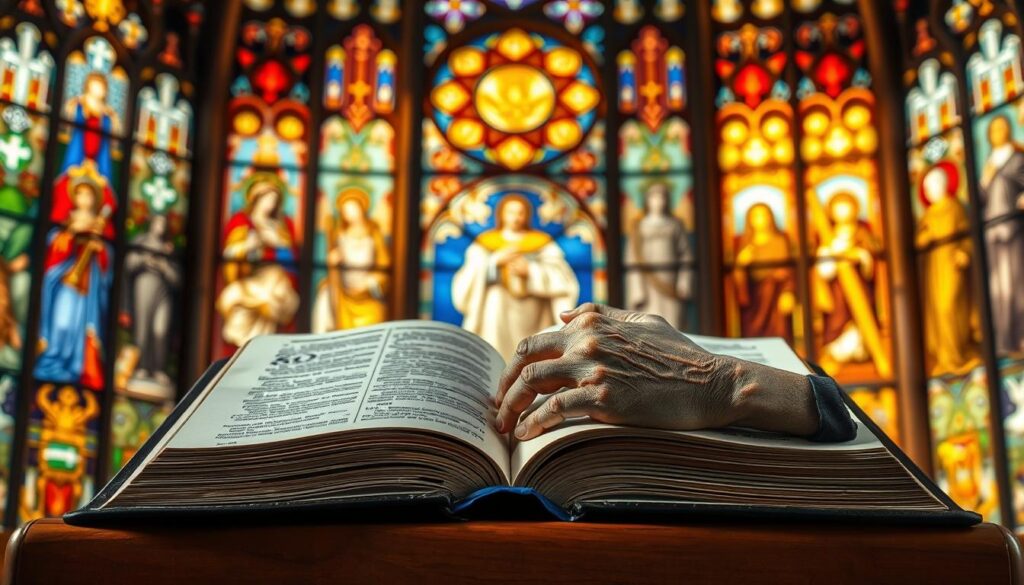
Imagine building a house where every brick comes from one trusted source. That’s how many faith communities view their relationship with scripture. The Bible isn’t just a book—it’s the blueprint for faith, worship, and daily life.
Emphasis on Bible-Only Doctrine
These groups treat scripture as God’s direct message, needing no extra layers of interpretation. “If it’s not in the Bible, it doesn’t bind our conscience,” explains a Tennessee pastor. This approach shapes everything from church policies to how families resolve conflicts.
Historical creeds or denominational traditions hold less weight here. Leaders often say, “We’re people of one book.” This focus keeps theology grounded in ancient texts while addressing modern questions.
The Role of Inspired Scripture in Daily Life
You won’t find dusty Bibles on shelves in these homes. Many believers carry highlighted copies to workplaces or soccer games. Verses guide decisions about finances, friendships, and even screen time.
Weekly small groups dig into scripture together, asking:
- What did this mean to its original readers?
- How does it apply to my life today?
- What changes does God want me to make?
This hands-on approach turns ancient words into living wisdom. It’s not about rules—it’s about relationship. As one teenager put it, “The Bible’s like God’s text messages—short, powerful, and always relevant.”
Church Governance and Congregational Autonomy
Local leadership shapes spiritual communities in unexpected ways. Picture a system where every voice matters—from teenagers to retirees. This approach transforms how groups make decisions while staying anchored to shared values.
Local Church Leadership and Decision-Making
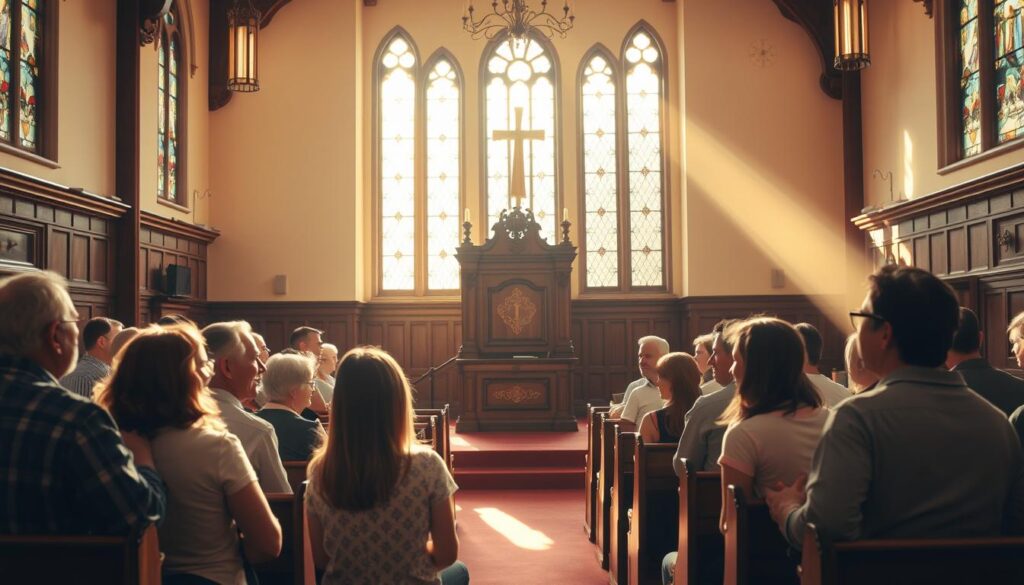
Members gather regularly to chart their community’s course. Imagine town hall meetings where attendees vote on budgets, mission projects, and pastoral appointments. One Georgia church member shares: “We pray together, debate respectfully, then let majority rule guide us.”
Key decisions flow through democratic processes:
- Pastors are chosen through congregational votes
- Financial plans require member approval
- Ministry teams form based on community needs
| Tradition | Governance Style | Decision-Makers |
|---|---|---|
| Baptist | Congregational | All voting members |
| Catholic | Hierarchical | Diocesan bishops |
| Methodist | Connectional | Regional conferences |
Separation from Centralized Hierarchies
No distant board dictates sermon topics here. Each church answers directly to its understanding of scripture. This independence allows creative solutions—like a Texas congregation converting their parking lot into a farmers’ market.
Historical roots explain this stance. Early leaders fought state-controlled religion, valuing local wisdom over external mandates. Today, this means:
- Customized outreach programs
- Flexible worship styles
- Rapid response to community crises
While networks exist for resource sharing, final authority stays with local members. As one pastor notes: “Our people own the vision—they’re not just following someone else’s plan.”
Comparing Protestant Baptist Beliefs with Other Traditions
When exploring Christian denominations, where do shared foundations end and unique identities begin? Communities rooted in similar Reformation principles often develop distinct expressions of faith. Let’s examine how certain groups maintain core values while carving out their own spiritual paths.
Where Paths Diverge and Converge
Many churches agree on essentials like salvation through faith but differ in application. For example, some emphasize eternal security—the belief that salvation can’t be lost. Others allow for more flexibility in interpreting this doctrine. These differences often shape how communities approach spiritual growth.
Leadership roles reveal another contrast. While some denominations ordain women as pastors, certain congregations maintain traditional gender roles. A Minnesota church member notes: “Our practices reflect how we read Scripture, not cultural trends.” This diversity exists even within the same broader tradition.
| Practice | Common Protestant Approach | Distinct Emphasis |
|---|---|---|
| Baptism | Infant sprinkling common | Adult immersion standard |
| Governance | Regional oversight | Local decision-making |
| Worship Style | Liturgical formats | Flexible contemporary services |
These variations stem from differing views on authority. Some groups prioritize historical traditions, while others focus strictly on biblical texts. This creates rich diversity within shared faith frameworks—like multiple recipes using the same core ingredients.
The Role of Religious Liberty and Separation of Church and State
Freedom to worship without fear remains a revolutionary idea—one forged through centuries of struggle. Communities valuing this principle often trace their resolve to historical clashes between church and state. Their story reveals how conviction can reshape societies.
Historical Context of Persecution and Freedom
Early advocates faced fines, imprisonment, and social rejection for rejecting state-controlled religion. In 17th-century England, believers chose jail time over compromising their views on baptism and self-governance. This defiance planted seeds for modern religious liberty.
Colonial America became a testing ground for these ideals. Leaders argued that faith loses its meaning when mandated by law. Their efforts helped shape the First Amendment, ensuring no single tradition could dominate through government power.
Today, this legacy lives in congregations that champion diverse worship styles. The hard-won truth? Authentic belief thrives when individuals follow conscience—not coercion. As one historian notes: “Liberty isn’t given. It’s claimed by courageous hearts.”
FAQ
Why do Baptist churches practice immersion for baptism?
Immersion symbolizes a believer’s identification with Jesus’ death, burial, and resurrection. It reflects a personal commitment to faith rather than a ritual tied to infancy.
How does the Lord’s Supper differ in Baptist churches compared to other denominations?
Unlike sacramental traditions, the bread and wine are seen as symbolic reminders of Christ’s sacrifice, not as elements that convey grace. Participation is open to all professing believers.
What role does the Bible play in shaping Baptist theology?
Scripture is the ultimate authority, guiding doctrine and daily life. This “Bible-only” approach emphasizes personal study and application of inspired teachings.
How are decisions made within Baptist congregations?
Local churches operate autonomously, with leadership and members collaborating on decisions. This avoids reliance on external hierarchies, fostering community-driven governance.
What historical events influenced Baptist views on religious freedom?
Early persecution during the Reformation era led to strong advocacy for separation of church and state. This legacy continues to shape their commitment to individual conscience.
Are children allowed to participate in communion?
Typically, only those who have made a personal profession of faith partake, regardless of age. This aligns with the emphasis on believer’s baptism and conscious commitment.
How do Baptist traditions compare to mainstream Protestant practices?
While sharing core Christian beliefs, distinctions include congregational autonomy, believer’s baptism, and symbolic communion. These set them apart from more hierarchical or sacramental groups.
What organizations represent Baptist churches in the U.S.?
Groups like the Southern Baptist Convention and American Baptist Churches USA provide fellowship and resources while respecting each congregation’s independence.