The United Methodist Church has been at the forefront of debates regarding LGBTQ+ inclusion, particularly concerning gay marriage. Historically, the church has maintained a traditional stance, but recent developments have signaled a shift.
As societal attitudes evolve, the church has been re-examining its policies, leading to significant discussions and changes. This re-evaluation reflects a broader conversation within the church about its role in supporting LGBTQ+ members.
The ongoing debate highlights the complexities of balancing traditional religious teachings with the need for inclusivity and compassion.
Key Takeaways
- The United Methodist Church is re-evaluating its stance on LGBTQ+ issues.
- Recent changes reflect a shift towards greater inclusivity.
- The church’s historical stance has been traditionally conservative.
- Debates are ongoing, reflecting broader societal discussions.
- The church seeks to balance tradition with compassion.
Historical Background of the United Methodist Church
Understanding the historical context of the United Methodist Church is crucial to grasping its current stance on LGBTQ+ issues. The church’s history is a complex narrative that has significantly influenced its views on homosexuality.
Origins of the United Methodist Church
The United Methodist Church was formed in 1968 through the union of the Methodist Church and the Evangelical United Brethren Church. This merger brought together two denominations with roots in the Wesleyan movement, emphasizing personal holiness, social justice, and evangelism. The church’s early history was marked by a strong commitment to social issues, including abolitionism and temperance.
The Methodist movement, founded by John Wesley in the 18th century, was characterized by its evangelical fervor and emphasis on personal religious experience. Over time, the church adapted to changing social contexts, including debates on human rights and social justice.
Key Historical Milestones
Several key milestones have shaped the United Methodist Church’s stance on LGBTQ+ issues. In the late 20th century, the church began to grapple with the issue of homosexuality, leading to significant debates and changes in its policies.
- The 1972 General Conference saw the first official discussion on homosexuality, setting the stage for future debates.
- By the 1980s, the church had established committees to study the issue, reflecting a growing recognition of the complexity of the matter.
- In 2016, the General Conference voted on a plan to split the church over issues including LGBTQ+ rights, highlighting the deep divisions within the denomination.
These historical developments have contributed to the current landscape of the United Methodist Church, influencing its stance on homosexuality and shaping its future trajectory.
United Methodist Church’s Official Stance on Gay Marriage
Within the pages of the Book of Discipline, the United Methodist Church articulates its official position on gay marriage, reflecting a blend of tradition and contemporary debate. The church’s stance is formally outlined in this foundational document.
The Book of Discipline and Its Implications
The Book of Discipline is the United Methodist Church’s legislative document that outlines its theology, doctrine, and practices. It is revised every four years at the General Conference, the church’s highest legislative body.
The document contains sections that directly address the issue of LGBTQ+ inclusion, including the ordination of LGBTQ+ clergy and the hosting of same-sex weddings. Historically, the Book of Discipline has defined marriage as between a man and a woman, effectively prohibiting the celebration of same-sex unions.
Recent Changes and Proposals
In recent years, the United Methodist Church has seen significant proposals and changes related to its stance on gay marriage. These have included efforts to remove language from the Book of Discipline that prohibits same-sex weddings and the ordination of LGBTQ+ clergy.
While some annual conferences within the church have adopted more inclusive practices, others remain conservative, reflecting the diverse views within the denomination. The General Conference has been a platform for debating these issues, with various petitions and resolutions being proposed to alter the church’s stance.
The outcome of these debates has significant implications for the church’s unity and its witness on issues of human sexuality. As the United Methodist Church continues to navigate these complex issues, its official stance on gay marriage remains a focal point of discussion and debate.
Variations in Belief Among Congregations
The United Methodist Church’s views on LGBTQ+ issues are not uniform, with variations observed across different regions and congregations. This diversity reflects the complex interplay between theological interpretations, cultural contexts, and local leadership.
Regional Differences in Acceptance
Regional differences significantly influence the acceptance of LGBTQ+ individuals within the United Methodist Church. Congregations in more progressive areas tend to be more inclusive, often performing same-sex weddings and advocating for LGBTQ+ rights. In contrast, congregations in more conservative regions may adhere strictly to traditional teachings on human sexuality.
This regional disparity is reflective of broader societal trends within the United States, where attitudes toward LGBTQ+ issues vary widely from one region to another.
Impact of Local Leadership
Local leadership plays a crucial role in shaping a congregation’s stance on LGBTQ+ inclusion. Pastors and church leaders who are supportive of LGBTQ+ individuals can foster a more welcoming environment, while those who are more conservative may reinforce traditional teachings.
The influence of local leadership is not limited to the clergy; lay leaders and congregants also play significant roles in shaping the church’s culture and policies regarding same-sex marriage.
Understanding these variations is essential for grasping the complexities of the United Methodist Church’s stance on gay marriage. By examining regional differences and the impact of local leadership, we can better appreciate the diverse perspectives within the church.
The Role of United Methodist Clergy
As the United Methodist Church navigates the issue of gay marriage, its clergy are pivotal in influencing the church’s direction. The clergy’s role is not only to provide spiritual guidance but also to reflect the values and beliefs of their congregation and the broader denomination.
Clergy’s Perspectives on Same-Sex Marriages
United Methodist clergy hold a range of views on same-sex marriages, from strong support to outright opposition. Some clergy have chosen to perform same-sex weddings, citing their commitment to inclusivity and the Gospel’s message of love and acceptance. For instance, clergy like Rev. Scott Anderson have been vocal about their support for LGBTQ+ rights and have performed same-sex weddings, often facing scrutiny and potential disciplinary actions.

On the other hand, some clergy are opposed to same-sex marriages, grounding their opposition in traditional interpretations of scripture. This diversity of opinion among clergy mirrors the broader debate within the United Methodist Church.
Consequences of Performing Same-Sex Weddings
Clergy who perform same-sex weddings may face disciplinary actions, including potential removal from their positions or other forms of censure. The Book of Discipline of the United Methodist Church currently prohibits the solemnization of same-sex unions, and clergy who violate this tenet risk facing consequences.
Despite these risks, many clergy have been willing to perform same-sex weddings, often citing a higher calling to serve all members of their community. Some have been reinstated after being disciplined, highlighting the complex and sometimes contentious nature of this issue within the church.
The role of clergy in the United Methodist Church on the issue of gay marriage is a microcosm of the larger debate within the denomination. As the church continues to grapple with these issues, the perspectives and actions of its clergy will remain crucial.
The Influence of LGBTQ+ Advocacy Groups
Within the United Methodist Church, LGBTQ+ advocacy groups are driving change and promoting inclusivity. These organizations have played a crucial role in shaping the church’s stance on gay marriage and continue to influence its policies.
Significant Organizations Within the Church
One of the most prominent LGBTQ+ advocacy groups within the United Methodist Church is the Reconciling Ministries Network (RMN). RMN works to create a more inclusive church by supporting LGBTQ+ individuals and promoting understanding among congregations. Their efforts have been instrumental in changing perceptions and fostering a more welcoming environment within the church.
Other organizations, such as the Gay, Lesbian, and Straight Education Network (GLSEN) and the Methodist Federation for Social Action, also contribute to the advocacy efforts, although their primary focus may not be exclusively on the United Methodist Church.
Collaborations with Secular LGBTQ+ Activism
LGBTQ+ advocacy groups within the United Methodist Church often collaborate with secular LGBTQ+ organizations to amplify their message and expand their reach. This collaboration is crucial in creating a unified front for LGBTQ+ rights, both within and outside the church.
By working together, these groups can share resources, coordinate efforts, and support one another in their respective missions. For example, RMN has worked with secular organizations to provide support for LGBTQ+ youth and to advocate for policy changes within the church.
The impact of these collaborations is significant, as they help to promote a more inclusive and accepting environment not just within the United Methodist Church, but across various denominations and communities.
Ongoing Controversies and Debates
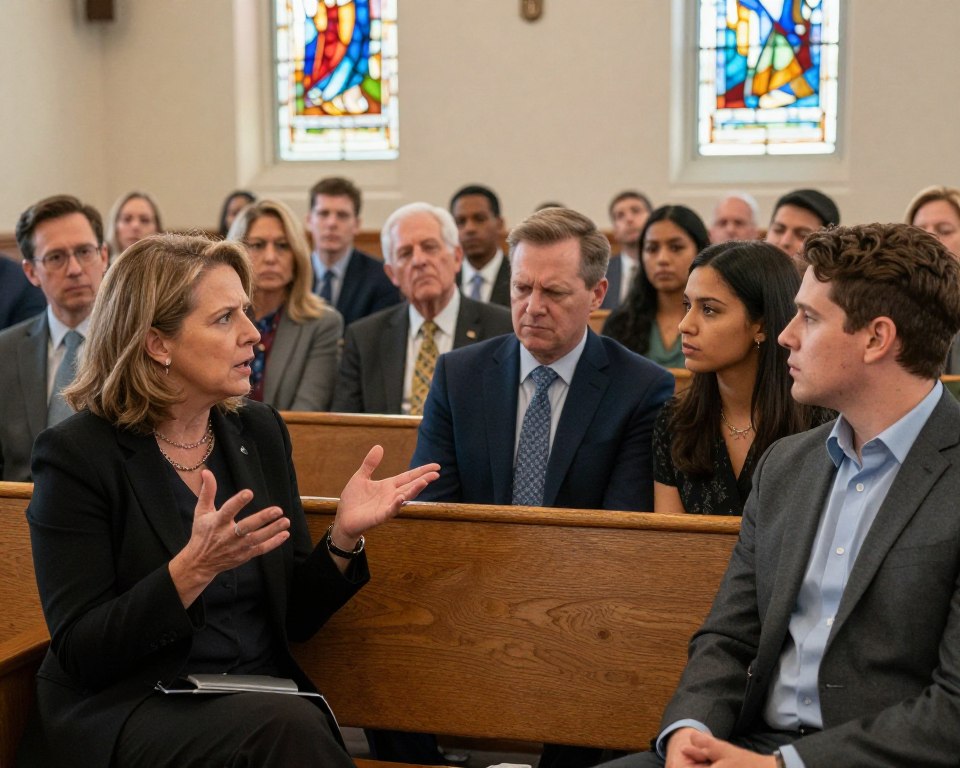
As the United Methodist Church navigates its stance on gay marriage, ongoing controversies and debates underscore the complexity of the issue. The church’s position on gay marriage has been a subject of intense debate, reflecting broader societal divisions and the challenges of balancing traditional doctrine with contemporary values.
Recent Conferences and Resolutions
Recent conferences within the United Methodist Church have highlighted the deep-seated divisions over gay marriage. In 2019, the church voted to strengthen its ban on same-sex weddings, a decision that was seen as a significant setback for LGBTQ+ advocates within the denomination. However, this move was met with resistance from progressive elements, leading to calls for greater inclusivity and change.
The aftermath of such conferences has seen various resolutions aimed at addressing the concerns of both traditionalists and progressives. For instance, some conferences have adopted language that allows for more flexibility in interpreting the church’s stance on human sexuality, though these efforts are often met with skepticism from those on both sides of the debate.
Perspectives from Traditionalists vs. Progressives
The debate over gay marriage within the United Methodist Church is characterized by starkly different perspectives between traditionalists and progressives. Traditionalists argue that the church’s traditional teachings on marriage and human sexuality are biblically grounded and should not be altered. They see the current debates as part of a broader struggle to maintain the church’s doctrinal integrity.
In contrast, progressives within the church advocate for a more inclusive approach, arguing that the church should recognize and celebrate same-sex marriages. They contend that the church’s stance on gay marriage is not only out of touch with contemporary society but also harmful to LGBTQ+ individuals who seek to live their faith authentically.
The tension between these perspectives continues to fuel ongoing controversies and debates, with no clear resolution in sight. As the United Methodist Church moves forward, it faces the challenge of reconciling these divergent views while maintaining its commitment to its core values.
Personal Stories: LGBTQ+ Methodists
Personal stories from LGBTQ+ Methodists reveal a spectrum of experiences, from acceptance and support to rejection and isolation. These narratives highlight the human side of the debate over gay marriage within the United Methodist Church.
Experiences of Acceptance and Rejection
Many LGBTQ+ Methodists have shared stories of both acceptance and rejection within their church communities. For some, their faith community has been a source of strength and affirmation. For others, the church’s stance on gay marriage has led to feelings of exclusion and pain.
“I was welcomed back into my church with open arms after coming out as gay,” said one Methodist. In contrast, another shared, “I was forced to leave my church because of my sexual orientation.” These stories underscore the varied ways in which church policies impact individuals.
Impact of Church Policies on Individuals
The United Methodist Church’s policies on gay marriage have significant implications for LGBTQ+ members. The church’s stance can affect their sense of belonging, mental health, and overall well-being.
| Aspect | Positive Impact | Negative Impact |
|---|---|---|
| Community | Supportive communities | Feelings of exclusion |
| Mental Health | Affirmation and acceptance | Stress and anxiety |
| Belonging | Sense of inclusion | Feeling unwelcome |
The table above illustrates the dual impact of church policies on LGBTQ+ Methodists, highlighting the need for inclusive and supportive environments.
Future of Gay Marriage in the United Methodist Church
The future of gay marriage within the United Methodist Church is a topic of intense discussion and speculation. As societal norms continue to evolve and more individuals openly identify as LGBTQ+, the Church faces increasing pressure to revisit its stance on same-sex marriages.
Predictions and Potential Trends
Several factors suggest that the United Methodist Church may move towards greater inclusivity regarding gay marriage. Changing demographics within the Church, with younger members generally being more accepting of LGBTQ+ individuals, could influence future policies. Additionally, the growing presence and activism of LGBTQ+ advocacy groups within the Church are likely to continue pushing for change.
Some potential trends that could shape the future include:
- Increased acceptance of same-sex marriages among congregations
- More clergy willing to perform same-sex weddings despite potential consequences
- Continued debates and resolutions at Church conferences
Implications for Church Unity
The path forward is not without its challenges. The United Methodist Church’s decision on gay marriage has significant implications for church unity. A shift towards greater inclusivity could lead to a rift between traditionalist and progressive factions within the Church.
Key considerations include:
- The potential for some congregations to leave the Church if it adopts a more inclusive stance on gay marriage
- The impact on global United Methodist Church missions and partnerships, particularly in regions with differing views on LGBTQ+ issues
- The need for ongoing dialogue and efforts to maintain unity despite differing opinions
As the United Methodist Church navigates these complex issues, its decisions will not only shape its own future but also influence the broader religious landscape regarding LGBTQ+ inclusion.
How Other Denominations are Responding
Different Christian denominations have taken varied paths in addressing LGBTQ+ inclusion, offering valuable insights for the United Methodist Church. This diversity in approach stems from differing interpretations of scripture, cultural contexts, and theological emphases.
The responses range from full inclusion and affirmation of LGBTQ+ individuals to more conservative stances that maintain traditional views on sexuality. Understanding these varied approaches can help the United Methodist Church navigate its own path forward.
Comparing Approaches to LGBTQ+ Inclusion
Several Christian denominations have made significant strides in LGBTQ+ inclusion. For instance:
- The Episcopal Church has ordained openly LGBTQ+ bishops and allows same-sex marriages.
- The Presbyterian Church (USA) has also permitted same-sex weddings and has taken steps to include LGBTQ+ individuals in church leadership.
- The Evangelical Lutheran Church in America (ELCA) has ordained LGBTQ+ clergy and allows congregations to perform same-sex weddings.
These denominations have faced challenges and controversies but have generally moved towards greater inclusion. Their experiences can provide valuable lessons for the United Methodist Church.
Lessons from Other Christian Traditions
One key lesson is the importance of dialogue and engagement at all levels of church leadership and membership. Denominations that have successfully navigated LGBTQ+ issues have often done so through a process of thorough discussion and discernment.
Another lesson is the need for clear and compassionate communication. Denominations that have clearly articulated their stance and have done so in a way that is compassionate towards all individuals have generally experienced less conflict.
A list of key factors that have contributed to successful LGBTQ+ inclusion in other denominations includes:
- Strong advocacy from LGBTQ+ individuals and allies within the denomination.
- A commitment to understanding and interpreting scripture in context.
- Willingness to engage in open and respectful dialogue.
By examining these factors and the overall approaches taken by other Christian denominations, the United Methodist Church can gain a deeper understanding of how to navigate its own challenges related to LGBTQ+ inclusion.
Ways to Get Involved and Advocate
Individuals looking to make a difference can get involved in several ways to support LGBTQ+ rights within the Church.
One of the most effective ways to advocate for LGBTQ+ inclusion is by joining local advocacy groups. These groups are often at the forefront of change within the United Methodist Church, working tirelessly to promote understanding and acceptance.
Joining Local Advocacy Groups
Local advocacy groups provide a platform for individuals to come together and advocate for change. Some notable groups include:
- Reconciling Ministries Network: Works towards making the United Methodist Church more inclusive.
- The Wesleyan Covenant Association: A group that advocates for LGBTQ+ inclusion while maintaining a connection to the traditional Wesleyan teachings.
By joining these groups, individuals can participate in local campaigns, attend conferences, and engage in discussions that shape the future of LGBTQ+ inclusion in the Church.
Supporting Inclusive Initiatives
Supporting initiatives that promote LGBTQ+ inclusion is another vital way to advocate for change. This can involve:
- Donating to LGBTQ+ friendly organizations within the Church.
- Volunteering time to help organize events or support local LGBTQ+ individuals.
- Spreading awareness about the importance of inclusion through social media and community events.
Every action counts, and collective efforts can lead to significant positive change within the United Methodist Church.
Conclusion: What Lies Ahead for the United Methodist Church
The United Methodist Church’s journey towards LGBTQ+ inclusion is a complex and ongoing process. As the church continues to navigate this sensitive issue, it is clear that dialogue and understanding are essential for progress.
Reflections on a Changing Community
The church’s stance on gay marriage has sparked intense debate, highlighting the need for continued conversation and empathy. As the United Methodist Church moves forward, it must balance the needs and perspectives of its diverse congregation.
Fostering a Culture of Understanding
By promoting open dialogue and inclusivity, the United Methodist Church can work towards a more compassionate and accepting community. This approach will be crucial in shaping the church’s future and its relationship with the LGBTQ+ community.
In conclusion, the United Methodist Church’s path forward requires a commitment to understanding and empathy, ensuring that all members feel valued and supported.
FAQ
What is the United Methodist Church’s stance on gay marriage?
The United Methodist Church’s official stance on gay marriage is outlined in the Book of Discipline, which currently defines marriage as between a man and a woman.
Has the United Methodist Church’s stance on LGBTQ+ issues changed over time?
Yes, the United Methodist Church’s stance on LGBTQ+ issues has evolved, with ongoing debates and discussions among its members, leading to various changes and proposals over the years.
What are the regional differences in acceptance of LGBTQ+ individuals within the United Methodist Church?
Regional differences in acceptance of LGBTQ+ individuals within the United Methodist Church vary, with some regions being more inclusive and others more conservative, influenced by local leadership and cultural contexts.
Can United Methodist clergy perform same-sex weddings?
Currently, the United Methodist Church’s Book of Discipline prohibits clergy from performing same-sex weddings, although some clergy have chosen to defy this rule, leading to consequences such as disciplinary actions.
What role do LGBTQ+ advocacy groups play within the United Methodist Church?
LGBTQ+ advocacy groups within the United Methodist Church, such as the Reconciling Ministries Network, play a significant role in promoting LGBTQ+ inclusion and collaborating with secular LGBTQ+ activism to advance equality.
How have recent conferences and resolutions impacted the debate on gay marriage within the United Methodist Church?
Recent conferences and resolutions have continued to shape the debate on gay marriage within the United Methodist Church, with some calling for greater inclusion and others reaffirming traditional views, reflecting the ongoing divide within the church.
What are the experiences of LGBTQ+ Methodists within the church?
LGBTQ+ Methodists have reported a range of experiences within the church, from acceptance and affirmation to rejection and marginalization, highlighting the impact of church policies on their lives and well-being.
How might the United Methodist Church’s stance on gay marriage evolve in the future?
The future of the United Methodist Church’s stance on gay marriage is uncertain, with potential trends suggesting greater inclusion, although the path forward will depend on ongoing debates and the perspectives of church members.
How does the United Methodist Church compare to other Christian denominations on LGBTQ+ inclusion?
The United Methodist Church’s approach to LGBTQ+ inclusion can be compared to other Christian denominations, some of which have adopted more inclusive stances, offering lessons and models for the United Methodist Church to consider.
How can individuals get involved and advocate for LGBTQ+ inclusion within the United Methodist Church?
Individuals can get involved and advocate for LGBTQ+ inclusion within the United Methodist Church by joining local advocacy groups, supporting inclusive initiatives, and engaging in dialogue with church leaders and members.