The United Methodist Church is a significant global denomination with a substantial following. Understanding its membership is crucial for grasping its influence and operations.
With a total membership of 3,994,687, the UMC congregation represents a considerable community. Being part of this network involves more than just affiliation; it entails a commitment to certain vows and an understanding of the church’s structure.
Exploring the intricacies of church members network reveals the depth of the community’s engagement and the responsibilities that come with membership.
Key Takeaways
- Total UMC membership stands at 3,994,687.
- Membership involves commitment to specific vows.
- Understanding the church’s structure is essential.
- The UMC congregation is a significant global community.
- Membership entails more than just affiliation.
Understanding the United Methodist Church Structure
At its core, the United Methodist Church is structured around a connectional system that integrates various levels of church life. This system ensures that local congregations, conferences, and the General Conference work together seamlessly.
The Role of Local Congregations
Local congregations are the foundational units of the United Methodist Church. They are responsible for implementing the church’s mission at the grassroots level. UMC parishioners actively participate in worship services, community outreach programs, and decision-making processes within their local churches.
The vitality of a local congregation is reflected in its ability to engage with the community and foster spiritual growth among its members. This is achieved through various programs and activities that cater to the diverse needs of the congregation.
Conference Oversight
Beyond the local level, the United Methodist Church is organized into conferences that provide oversight and support to local congregations. These conferences play a crucial role in guiding the theological education, clergy development, and missional outreach of the church.
Conferences also facilitate communication and collaboration among local churches, promoting a sense of unity and shared purpose within the denomination.
General Conference Significance
The General Conference is the highest legislative authority in the United Methodist Church, convening every four years to make decisions on doctrine, polity, and programs. It is here that the broader direction of the church is shaped, reflecting the collective input of its global membership.
Decisions made at the General Conference have far-reaching implications, influencing the trajectory of the church’s mission and ministry worldwide.
| Structural Component | Role | Key Responsibilities |
|---|---|---|
| Local Congregations | Implement church mission locally | Worship, community outreach, local decision-making |
| Conferences | Oversight and support | Theological education, clergy development, missional outreach |
| General Conference | Legislative authority | Doctrine, polity, programs, global direction |
The Path to Membership in the United Methodist Church
Joining the United Methodist Church involves a series of steps that help individuals deepen their commitment to their faith. This journey is not just about becoming a part of a religious organization; it’s about becoming part of a community that shares a common belief in Jesus Christ and is committed to living out their faith in service to others.
Steps to Join the Church
The process of becoming a member of the United Methodist Church typically begins with attending worship services and getting involved in the life of a local congregation. Individuals interested in membership usually participate in a membership class or orientation, where they learn about the church’s beliefs, practices, and expectations for members.
Once they have decided to join, individuals are welcomed into the church through a public profession of faith or by reaffirming their baptismal vows. This is a significant moment, as it marks their formal commitment to the church community.
“When becoming professing members, individuals profess their faith in God and commit to living as disciples of Jesus Christ.”
Membership Requirements
The United Methodist Church has certain requirements for membership. While these can vary slightly from one congregation to another, the core elements remain the same. Typically, members are expected to:
- Profess their faith in Jesus Christ
- Commit to living according to the teachings of the Bible
- Participate in the life of the church, including worship, fellowship, and service
- Support the church through their time, talents, and financial resources
| Membership Requirement | Description |
|---|---|
| Professing Faith | A public declaration of one’s faith in Jesus Christ |
| Living According to Biblical Teachings | Striving to live a life that reflects the values and principles found in the Bible |
| Participating in Church Life | Engaging in worship, fellowship, and service within the church community |
Importance of Baptism
Baptism is a sacrament in the United Methodist Church, symbolizing the believer’s union with Christ in his death, burial, and resurrection. It is a crucial step in the journey of faith and is considered a prerequisite for membership. Baptism is seen as a means of grace, through which God’s love and forgiveness are conveyed to the individual.
The significance of baptism lies in its representation of a believer’s commitment to follow Jesus Christ and to be part of the body of Christ, the church.
In conclusion, becoming a member of the United Methodist Church is a meaningful step that involves a commitment to faith, community, and service. Through baptism, profession of faith, and active participation in church life, individuals become part of a larger fellowship that seeks to live out its faith in the world.
The Benefits of Being a Member
Joining the United Methodist Church opens doors to various spiritual growth opportunities, community involvement, and access to valuable resources. As members pledge to participate in the life and ministries of the local congregation through prayers, presence, gifts, service, and witness, they become integral to the vibrant life of the UMC congregation.
Spiritual Growth Opportunities
Being part of the United Methodist Church provides numerous avenues for spiritual growth. Members can engage in personal devotionals, participate in study groups, and attend worship services that foster a deeper connection with their faith. According to the United Methodist Church’s practices, members are encouraged to seek a personal relationship with God, which is nurtured through various spiritual disciplines.
“The journey of faith is a lifelong path, and the United Methodist Church offers a supportive community to walk this journey together.”
Community Engagement
Community engagement is a cornerstone of membership in the UMC. Members are encouraged to be active participants in the community through volunteer work, outreach programs, and other forms of service. This not only benefits the community but also enriches the members’ sense of purpose and belonging within the united methodist church members.
Access to Resources and Support
Members of the United Methodist Church have access to a wealth of resources and support. This includes pastoral care, counseling services, and various educational programs designed to nurture their faith and personal development. The UMC congregation stands as a supportive family, providing a safe and nurturing environment for its members.
In conclusion, being a member of the United Methodist Church offers a rich tapestry of benefits that enhance one’s spiritual journey, foster community engagement, and provide access to valuable resources and support.
Core Beliefs of United Methodist Church Members
The United Methodist Church’s core beliefs are centered around the principles of grace, social justice, and the integration of faith and works. These beliefs are not just theological concepts but are lived out in the daily lives of its members.
The Importance of Grace
Grace is a foundational element of the United Methodist Church’s theology. It is understood as the unconditional love and forgiveness offered by God to all people. This belief in grace influences how members interact with one another and with the wider community.
The concept of grace is closely tied to the idea of justification by faith, a belief that underscores the church’s stance on salvation being a gift from God, received through faith.
Social Justice and Outreach
Social justice is another critical aspect of the United Methodist Church’s core beliefs. Members are encouraged to engage in acts of justice and compassion, reflecting God’s love in the world. This includes a wide range of activities, from local community service to global mission work.
- Advocating for the rights of the marginalized
- Providing aid to those in need
- Promoting peace and understanding
These efforts are seen as an integral part of living out one’s faith, demonstrating the church’s commitment to making a positive difference in the world.
The Connection Between Faith and Works
The United Methodist Church emphasizes the importance of connecting faith with actions. Members are encouraged to live out their beliefs through service and community engagement. This connection between faith and works is seen as essential to spiritual growth and to demonstrating God’s love.
“Faith without works is dead.” This biblical principle is at the heart of the United Methodist Church’s understanding of the relationship between faith and action.
By integrating faith and works, members of the United Methodist Church aim to be a positive force in their communities, reflecting the church’s core beliefs in their daily lives.
The Role of United Methodist Church Members in the Community
Through their involvement in local communities, United Methodist Church members embody the church’s values of compassion, justice, and service. This embodiment is reflected in various activities and initiatives that bring people together and address community needs.
Volunteer Opportunities
The United Methodist Church offers its members a wide range of volunteer opportunities, enabling them to serve in various capacities. From assisting at local food banks to participating in community clean-up events, UMC parishioners are actively engaged in making a positive impact.
Members can choose from numerous volunteer activities that align with their interests and skills, fostering a sense of Methodist church fellowship as they work together towards common goals.
Mission Work and Service Projects
In addition to local volunteer work, the United Methodist Church is involved in broader mission work and service projects. These initiatives not only benefit local communities but also extend to global outreach programs, reflecting the church’s commitment to serving a wider audience.
By participating in these projects, UMC members gain a deeper understanding of the church’s mission and contribute to meaningful change in the world around them.
The Spiritual Practices Encouraged Among Members
The United Methodist Church fosters a rich spiritual life among its members through various practices. These practices are designed to nurture the faith of members, promote spiritual growth, and encourage a deeper connection with God and the community.
Participating in Worship Services
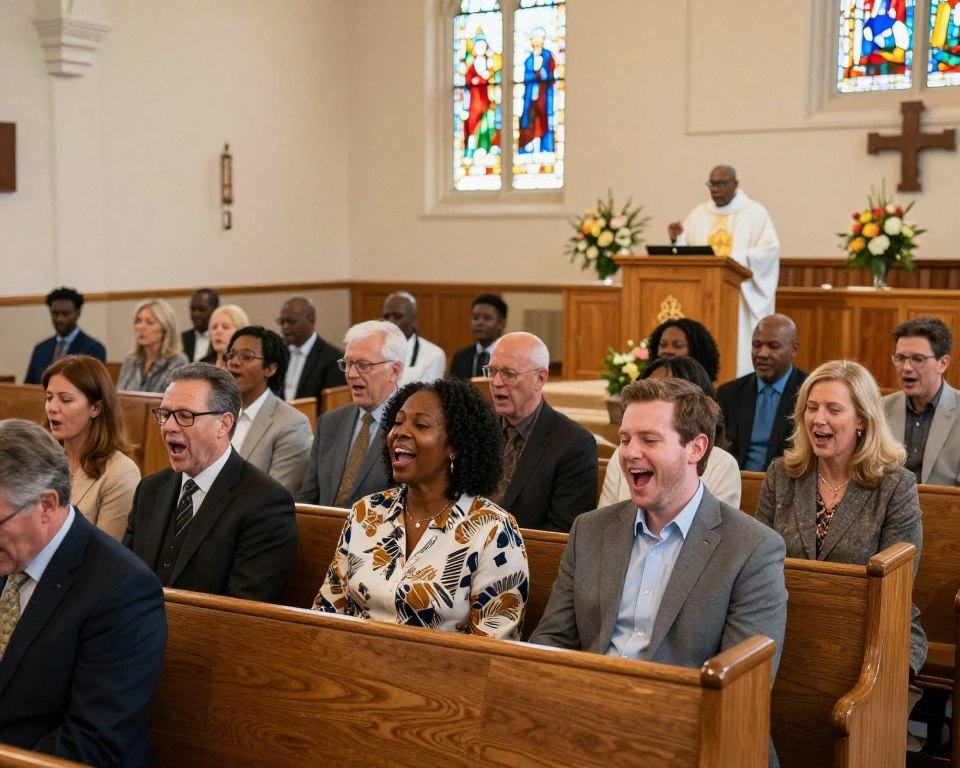
Worship services are a fundamental aspect of spiritual life in the United Methodist Church. Members are encouraged to participate regularly in worship services, which typically include prayers, hymns, and sermons. These services provide a sense of community and spiritual nourishment.
Through active participation in worship, members can experience a deeper connection with their faith and with others in the congregation. The United Methodist affiliation places a strong emphasis on communal worship as a means of fostering spiritual growth.
Prayer and Personal Devotions
In addition to corporate worship, the United Methodist Church encourages members to engage in personal devotional practices. This can include daily prayer, Bible reading, and meditation. Such practices help members cultivate a personal relationship with God and reflect on their faith in daily life.
Prayer and personal devotions are seen as essential components of spiritual growth, allowing members to seek guidance, express gratitude, and find comfort in their faith.
| Practice | Description | Benefit |
|---|---|---|
| Worship Services | Communal worship including prayers, hymns, and sermons | Sense of community and spiritual nourishment |
| Personal Devotions | Daily prayer, Bible reading, and meditation | Deepens personal relationship with God |
| Small Group Involvement | Participation in small groups for Bible study, prayer, and discussion | Fosters accountability and community |
Small Group Involvement
Small group involvement is another vital spiritual practice encouraged by the United Methodist Church. Members are invited to join small groups that focus on Bible study, prayer, and discussion. These groups provide a supportive environment where members can share their experiences, learn from others, and grow in their faith together.
Through small group involvement, members can develop a stronger sense of belonging to the church members network, feeling supported and connected to others on their spiritual journey.
Understanding the Diversity Within Membership
As a global denomination, the United Methodist Church celebrates its diverse membership, fostering an environment of inclusivity and acceptance. This diversity is reflected in the various cultural practices and worship styles found within the church.
Cultural Differences in Worship
The United Methodist Church is a global denomination with diverse cultural practices and worship styles. Members from different cultural backgrounds bring their unique traditions and practices to their worship, enriching the church’s overall experience. For instance, worship services may incorporate music, language, and customs specific to the local culture, creating a vibrant and diverse worship environment.
Cultural differences in worship are not limited to music and language; they also extend to the way services are conducted and the elements that are considered important. This diversity in worship practices is seen as a strength, allowing the church to be more inclusive and representative of its global membership.
Inclusivity and Acceptance
The United Methodist Church is committed to creating an environment of inclusivity and acceptance. This commitment is reflected in its efforts to welcome and include members from all backgrounds, regardless of their cultural, racial, or socio-economic status. The church strives to be a place where everyone feels valued and included.
| Aspect | Description | Impact |
|---|---|---|
| Cultural Diversity | Incorporation of various cultural practices in worship | Enriches worship experience, promotes inclusivity |
| Inclusivity Efforts | Active welcoming of diverse members | Fosters a sense of belonging among members |
| Worship Styles | Variety in worship practices and traditions | Caters to different preferences, enhances engagement |
The diversity within the United Methodist Church membership is a testament to its global reach and its commitment to being a church for all people. By embracing and celebrating this diversity, the church continues to grow and thrive.
Challenges Facing United Methodist Church Members
In its efforts to remain relevant and faithful, the United Methodist Church must confront several pressing challenges. As a diverse UMC congregation, the church faces the task of balancing its core beliefs with the needs and perspectives of its members.
The church’s ability to navigate these challenges will significantly impact its future growth and sustainability. One of the primary challenges is navigating doctrinal differences among its members.
Navigating Doctrinal Differences
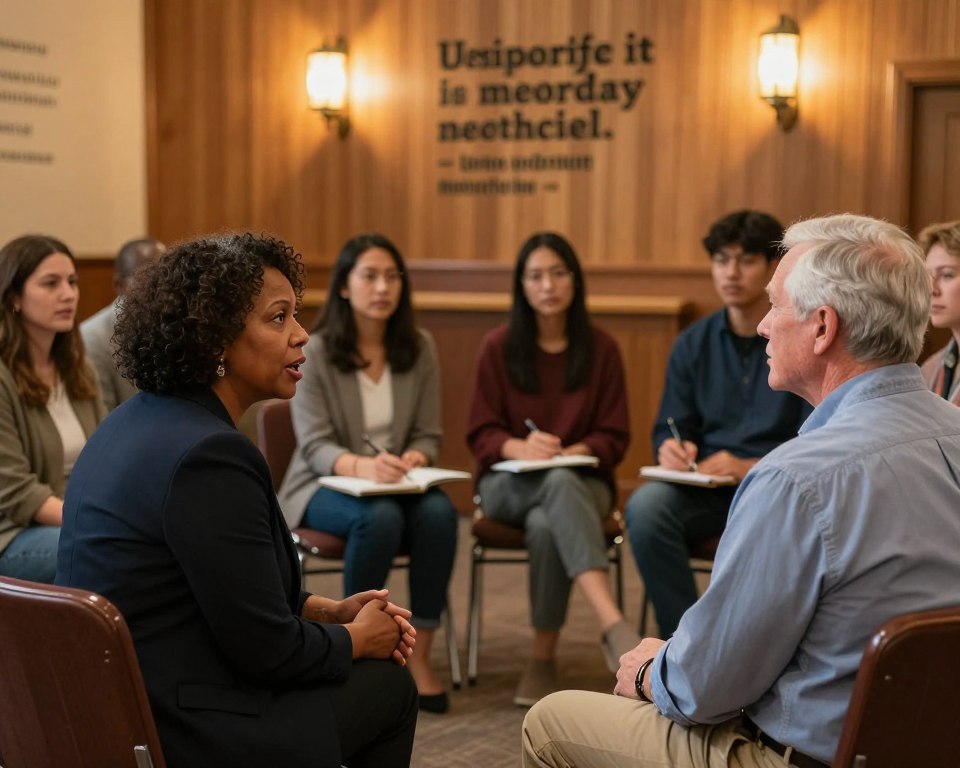
The United Methodist Church is a denomination with a wide range of theological perspectives. This diversity can be a strength, but it also presents challenges in terms of unity and decision-making.
- Differing views on sacraments and worship practices
- Varied interpretations of scripture and its application to modern life
- Debates over the church’s stance on social issues
To address these differences, the church relies on open dialogue and a commitment to its core values. By engaging in respectful conversation, members can work together to find common ground and move forward.
Addressing Social Issues
The United Methodist Church is also challenged to address various social issues, including inequality, injustice, and environmental degradation. As a church members association, it is called to serve the broader community and advocate for positive change.
| Social Issue | UMC Response |
|---|---|
| Inequality | Advocacy for policies promoting equality and justice |
| Environmental Degradation | Promotion of sustainable practices and care for creation |
| Injustice | Support for marginalized communities and advocacy for human rights |
By addressing these challenges and remaining true to its core beliefs, the United Methodist Church can continue to serve its members and the broader community effectively.
The Future of United Methodist Church Membership
The United Methodist Church is navigating a changing landscape, with membership and attendance statistics indicating trends that require attention and strategic planning for growth and sustainability. As the church looks to the future, understanding these trends is crucial for maintaining a vibrant and relevant Methodist church community.
Emerging Trends
Recent data highlights shifts in membership demographics and participation patterns within the United Methodist affiliation. These changes underscore the need for adaptive strategies to engage both existing and potential members.
Strategies for a Sustainable Future
To ensure continued growth and relevance, the United Methodist Church is exploring innovative approaches to community engagement, worship, and outreach. By leveraging these strategies, the church aims to strengthen its presence and foster a more inclusive and dynamic Methodist church community.
As the church moves forward, its ability to evolve while remaining true to its core beliefs will be key to its sustainability and continued impact.
FAQ
What is the United Methodist Church, and what are its core beliefs?
The United Methodist Church is a global Protestant denomination with a rich history and a strong commitment to social justice, outreach, and community service. At its core, the church emphasizes the importance of grace, love, and compassion, and its members are encouraged to live out their faith through service to others and a deepening personal relationship with God.
How is the United Methodist Church structured, and what is the role of local congregations?
The United Methodist Church is organized into local congregations, which are overseen by conferences that provide support, guidance, and resources. The General Conference, the church’s highest legislative body, meets every four years to shape the church’s policies and direction. Local congregations play a vital role in the life of the church, serving as the primary point of connection for United Methodist Church members and providing opportunities for worship, fellowship, and service.
What are the steps to become a member of the United Methodist Church?
To become a member of the United Methodist Church, individuals typically participate in a membership class or orientation, where they learn about the church’s beliefs, practices, and expectations. They then make a profession of faith, are baptized (if not previously baptized), and are received into the membership of the local congregation. This process involves a commitment to participate in the life of the church and to support its mission and ministries.
What benefits do United Methodist Church members receive, and how can they get involved?
United Methodist Church members have access to a wide range of benefits, including opportunities for spiritual growth, community engagement, and service. Members can participate in worship services, join small groups or Bible studies, and engage in volunteer opportunities or mission work. They can also connect with other members through various church-sponsored events and activities, fostering a sense of community and belonging.
How does the United Methodist Church approach issues of diversity and inclusivity?
The United Methodist Church is committed to being a welcoming and inclusive community, embracing diversity in all its forms. The church recognizes the richness that different cultures, backgrounds, and perspectives bring to its life and ministries. As such, it strives to create an environment where all individuals feel valued, respected, and empowered to participate fully in the life of the church.
What role do United Methodist Church members play in the community, and how can they get involved in service projects?
United Methodist Church members are encouraged to live out their faith through service to others, both within and beyond the church community. Members can participate in a variety of volunteer opportunities, mission trips, and service projects, which may include food banks, disaster relief efforts, and community outreach initiatives. By serving others, members embody the church’s commitment to compassion, justice, and love.
What spiritual practices are encouraged among United Methodist Church members, and how can they deepen their faith?
United Methodist Church members are encouraged to cultivate a deep and abiding faith through various spiritual practices, including regular participation in worship services, personal devotional practices, and involvement in small groups or Bible studies. These practices help members nurture their relationship with God, seek guidance and wisdom, and grow in their understanding of their faith.
What challenges does the United Methodist Church face, and how is it addressing them?
Like many faith communities, the United Methodist Church faces various challenges, including navigating doctrinal differences, addressing social issues, and adapting to changing cultural and demographic contexts. The church is working to address these challenges through open dialogue, prayerful discernment, and a commitment to its core values of love, compassion, and justice.
What is the future of United Methodist Church membership, and how is the church working to sustain and grow its community?
The United Methodist Church is committed to remaining a vibrant and relevant faith community, adapting to changing circumstances while remaining true to its core mission and values. The church is exploring new strategies for outreach, engagement, and discipleship, seeking to connect with a broader audience and to nurture the faith of its existing members. By embracing innovation and remaining faithful to its heritage, the church aims to ensure a bright future for its members and for the communities it serves.