Finding a local Presbyterian Church in America (PCA) congregation is now easier with the PCA Church Locator tool. This valuable resource helps individuals locate a PCA church in their area, providing them with a convenient way to find a community of like-minded believers.
To ensure accuracy, it’s recommended to visit the church’s website or contact them directly to confirm their meeting times and locations. The PCA Church Locator offers a user-friendly interface, allowing you to view PCA Churches on a full-screen map or use the text-only version.
Key Takeaways
- Use the PCA Church Locator to find a nearby Presbyterian Church in America congregation.
- Verify church details by visiting their website or contacting them directly.
- The PCA Church Locator offers a full-screen map and text-only version for easy navigation.
- Finding a local PCA church provides an opportunity to connect with a community of believers.
- The PCA Church Locator is a valuable resource for those seeking a Presbyterian church in their area.
What is the Presbyterian Church in America (PCA)?
For those seeking a church that aligns with Reformed theology, the Presbyterian Church in America (PCA) stands out as a significant denomination in the United States. The PCA is part of the Reformed tradition and is governed by a presbyterian form of church government, with congregations overseen by elected elders who are also part of higher courts known as presbyteries and Synod.
Overview of PCA Beliefs
The PCA adheres to the Reformed theological tradition, which emphasizes the sovereignty of God, the authority of Scripture, and the importance of faith in Jesus Christ. The church’s doctrinal standards are outlined in several key documents, including the Westminster Confession of Faith, the Larger Catechism, and the Shorter Catechism. These documents provide a comprehensive framework for understanding PCA beliefs and practices.
History of the Presbyterian Church
The PCA was formed in 1973 by churches that broke away from the Presbyterian Church in the United States (PCUS). The primary reason for this separation was theological disagreement, particularly regarding the authority and interpretation of Scripture. Since its inception, the PCA has grown significantly, becoming one of the largest Presbyterian denominations in the United States.
Key Distinctions from Other Denominations
One of the key distinctions of the PCA is its commitment to the Reformed theological tradition. This is reflected in its governance structure, worship practices, and doctrinal standards. Unlike some other Presbyterian denominations, the PCA is known for its conservative theological stance and its emphasis on evangelism and church planting.
Why Choose a PCA Church?
For those looking to locate a PCA Presbyterian church, understanding the values and practices of the PCA is essential. The PCA is known for its commitment to biblical teaching, community engagement, and family-friendly ministries.
Commitment to Biblical Teaching
The PCA places a high value on biblical authority, ensuring that its teachings are grounded in scripture. This commitment is reflected in the sermons, Bible studies, and overall discipleship programs offered by PCA churches. By focusing on the Word of God, PCA churches aim to provide a spiritually nourishing environment for their members.
Community and Fellowship Opportunities
Beyond its theological commitments, the PCA is also known for fostering a sense of community among its members. PCA churches often have various fellowship groups, including men’s and women’s ministries, young adult groups, and other specialized fellowships designed to bring people together in meaningful ways.
These community and fellowship opportunities help create a supportive environment where members can grow in their faith together. Whether through service projects, social events, or small group Bible studies, PCA churches provide numerous ways for individuals to connect with one another.
Family and Youth Ministries
Recognizing the importance of nurturing faith across all age groups, PCA churches typically have robust ministries aimed at families and youth. These include children’s Sunday school programs, youth groups, and family-oriented events designed to strengthen family bonds and encourage spiritual growth.
By investing in the spiritual development of children and teenagers, PCA churches help ensure that the next generation is well-equipped to live out their faith in a challenging world.
How to Locate a PCA Church Near You
Discovering a PCA church in your vicinity involves utilizing online church finders, local networks, and personal recommendations. With the right approach, you can find a Presbyterian Church in America that aligns with your beliefs and provides a supportive community.
Using Online Church Finder Tools
The PCA website offers an online church directory that allows you to search for churches by name, city, or state. This resource is invaluable for finding a PCA church near you.
To use the directory, simply visit the PCA website, navigate to the church finder tool, and enter your location details. You’ll be presented with a list of nearby churches along with their contact information and service times.
Connecting with Local PCA Networks
Another effective way to find a PCA church is by connecting with local PCA networks. These networks often include church leaders, members, and other resources that can help guide you to a suitable congregation.
You can reach out to local PCA churches directly to inquire about their services, community activities, and how you can get involved.
Getting Recommendations from Friends
Personal recommendations from friends, family, or colleagues who are members of a PCA church can provide valuable insights into the church’s culture, worship style, and community.
Don’t hesitate to ask about their experiences and what they appreciate about their church. This can give you a more personal understanding of whether the church is a good fit for you.
| Method | Description | Benefits |
|---|---|---|
| Online Church Directory | Search for PCA churches by location | Quick and easy, provides contact info and service times |
| Local PCA Networks | Connect with local church leaders and members | Personalized guidance, insights into church activities |
| Personal Recommendations | Ask friends or family for their experiences | Firsthand insights into church culture and community |
Understanding PCA Church Services
The Presbyterian Church in America (PCA) is known for its rich worship services, which include a mix of traditional and contemporary elements. When visiting a PCA church, you can expect a welcoming atmosphere that fosters spiritual growth and community engagement.
Common Elements of Worship
PCA church services typically include several core elements that are central to their worship. These may include:
- Prayer: Congregational prayers, led by the pastor or other church leaders, are a fundamental part of PCA worship services.
- Scripture Reading: Reading from the Bible is a key component, emphasizing the importance of scripture in the life of the church.
- Communion: Many PCA churches observe communion regularly, as a way of remembering Christ’s sacrifice and celebrating the unity of believers.
- Sermons: Expository preaching is a hallmark of PCA worship, with pastors delivering sermons that are grounded in biblical texts.
Special Events and Services
Beyond regular Sunday services, PCA churches often host special events and services throughout the year. These can include:
- Holiday Services: Special services are held during holidays like Christmas and Easter, often with unique elements and traditions.
- Community Outreach: Some PCA churches organize outreach services or events aimed at serving the local community.
- Concerts and Cultural Events: PCA churches may host concerts, lectures, or other cultural events that promote community engagement.
Children and Youth Programs
PCA churches are committed to providing programs and services for children and youth. These can include:
- Sunday School: Many PCA churches offer Sunday school classes tailored to different age groups, providing biblical instruction and fellowship.
- Youth Groups: PCA churches often have youth groups that meet regularly, offering a space for young people to connect, learn, and grow in their faith.
- Family Events: PCA churches frequently organize family-oriented events, such as picnics, vacation Bible schools, and other activities that promote family bonding and spiritual growth.
Frequently Asked Questions About PCA Churches
As individuals explore the possibility of becoming part of a PCA church, they often have questions about the church’s foundational beliefs and membership requirements. The Presbyterian Church in America (PCA) is a denomination that emphasizes the authority of Scripture and the importance of faith in Jesus Christ.
What Do PCA Churches Believe?
PCA churches adhere to the Reformed tradition and affirm the Westminster Confession of Faith as their doctrinal standard. They believe in the inerrancy and sufficiency of the Bible, emphasizing the importance of living according to biblical teachings.
| Key Belief | Description |
|---|---|
| Authority of Scripture | Belief in the Bible as the ultimate authority in matters of faith and practice. |
| Reformed Tradition | Adherence to the theological principles of the Reformation, emphasizing salvation by grace through faith. |
| Westminster Confession of Faith | Affirmation of this historic document as a summary of Reformed theology and practice. |
How to Join a PCA Church
Joining a PCA church typically involves several steps, including attending worship services, participating in membership classes, and meeting with church leadership. Prospective members are encouraged to learn about the church’s beliefs, values, and community.
Membership Process:
- Attend worship services and get to know the community.
- Participate in a membership class or orientation.
- Meet with church elders or pastors to discuss your decision.
- Publicly profess your faith and commit to church membership.
Is There a Dress Code?
Most PCA churches do not have a formal dress code, but they encourage modesty and respect in attire for worship services. The focus is on the heart and attitude of worship rather than on outward appearance.
The Role of PCA in Local Communities
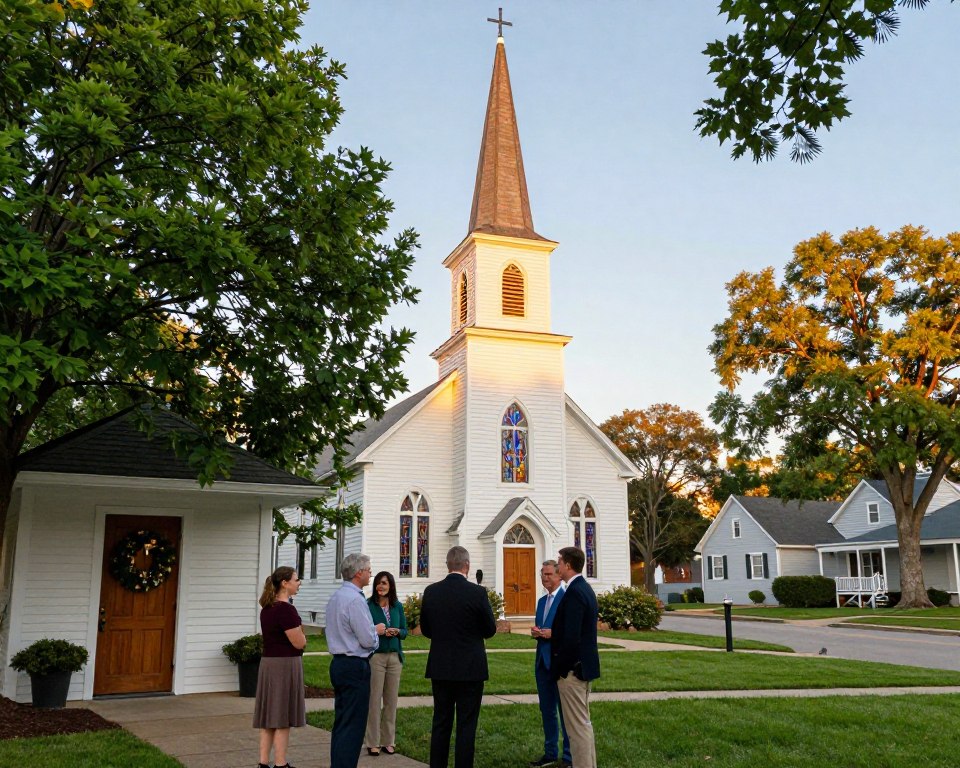
Through community engagement initiatives and support for local missions, PCA churches demonstrate their commitment to serving others. The Presbyterian Church in America is not just a place of worship; it’s a hub for community activities that foster growth, support, and connection among its members and the broader community.
Community Engagement Initiatives
PCA churches are actively involved in various community engagement initiatives. These can range from food drives and volunteer programs to educational workshops and support groups. By engaging in these activities, PCA churches aim to address the needs of their local communities and provide meaningful support to those around them.
Examples of community engagement initiatives include:
- Organizing community events such as fairs, concerts, and festivals that promote unity and celebration.
- Providing resources and support for local families, including counseling services and parenting classes.
- Partnering with local organizations to tackle issues such as poverty, homelessness, and hunger.
Support for Local Missions
PCA churches are also deeply committed to supporting local missions. This involves not only financial support but also mobilizing church members to participate in mission work. Whether it’s through local outreach programs, disaster relief efforts, or supporting community development projects, PCA churches are dedicated to making a tangible difference in their communities.
Some ways PCA churches support local missions include:
- Funding local projects that address specific community needs.
- Sending church members on mission trips to serve in various capacities.
- Providing resources and volunteers for community service projects.
Partnerships with Other Organizations
In addition to their internal initiatives, PCA churches often form partnerships with other organizations to amplify their impact. These partnerships can be with other churches, community groups, or non-profit organizations. By working together, PCA churches and their partners can achieve more than they could alone, leveraging their collective resources and expertise to serve the community more effectively.
By engaging in community initiatives, supporting local missions, and forming strategic partnerships, PCA churches play a vital role in their local communities. If you’re looking for a presbyterian church pca near me, consider visiting a local PCA church to experience their community-focused activities firsthand.
Exploring Worship Styles in PCA Churches
Worship in PCA churches is characterized by a blend of traditional and contemporary elements, reflecting the denomination’s rich heritage. This blend is a deliberate effort to cater to the diverse needs and preferences within the congregations, ensuring that worship services are both reverent and engaging.
Traditional vs. Contemporary Services
PCA churches offer a range of worship styles, from traditional services that follow a liturgical format to contemporary services that incorporate modern music and elements. Traditional services often feature hymns and a structured order of worship, appealing to those who appreciate the historical and theological depth of the Presbyterian tradition.
Contemporary services, on the other hand, may include modern Christian music, drama, and a more relaxed atmosphere, attracting families and younger members who seek a vibrant expression of their faith.
Music and Liturgical Practices
Music plays a significant role in PCA worship, with both traditional and contemporary styles being used to glorify God and engage the congregation. Liturgical practices, including the recitation of creeds and the observance of sacraments, are also integral to PCA worship, providing a sense of continuity with the broader Christian tradition and the historic Presbyterian Church.
- The use of the Heidelberg Catechism and other Reformed confessions in worship.
- Incorporation of psalms and hymns that reflect the theological richness of the Presbyterian heritage.
The Importance of Sacraments
In PCA churches, sacraments are considered vital elements of worship. The sacraments of Baptism and the Lord’s Supper are observed with reverence and seen as means of grace through which God nurtures the faith of believers. Baptism is practiced as a sign of initiation into the covenant community, while the Lord’s Supper is celebrated as a commemoration of Christ’s sacrifice and a means of spiritual nourishment.
The observance of these sacraments is grounded in Scripture and is a key aspect of PCA worship, reflecting the denomination’s commitment to Reformed theology and its emphasis on the sovereignty of God in all aspects of worship and life.
Meeting PCA Church Leadership
The leadership within PCA churches plays a vital role in fostering a community of believers. Understanding who these leaders are and their roles can enhance your experience and connection with the church community.
Pastoral Roles and Responsibilities
Pastors in PCA churches are dedicated to the spiritual guidance of the congregation. They are responsible for preaching, teaching, and providing pastoral care to the members. Their role is to ensure that the congregation is well-versed in biblical teachings and to provide support during times of need.
Key Responsibilities of Pastors:
- Preaching and teaching biblical doctrine
- Providing pastoral care and counseling
- Leading worship services and sacraments
- Guiding the church in its mission and vision
Deacons and Elders in the Congregation
Deacons and elders are other crucial leaders in PCA churches. Deacons are involved in serving the congregation and caring for the practical needs of the church community, while elders are responsible for the spiritual governance of the church.
| Leader | Role | Responsibilities |
|---|---|---|
| Deacons | Serving the congregation | Caring for the needy, managing church resources |
| Elders | Spiritual governance | Guiding the church spiritually, overseeing church discipline |
| Pastors | Spiritual guidance | Preaching, teaching, pastoral care |
How to Approach Church Leadership
Approaching church leadership can seem daunting, but it’s a significant step in becoming more involved in the church community. Start by reaching out to the church office or attending a church event where you can meet the leaders in person.
Tips for Approaching Church Leadership:
- Be clear about your intentions and questions
- Show respect for their time and responsibilities
- Be open to guidance and feedback
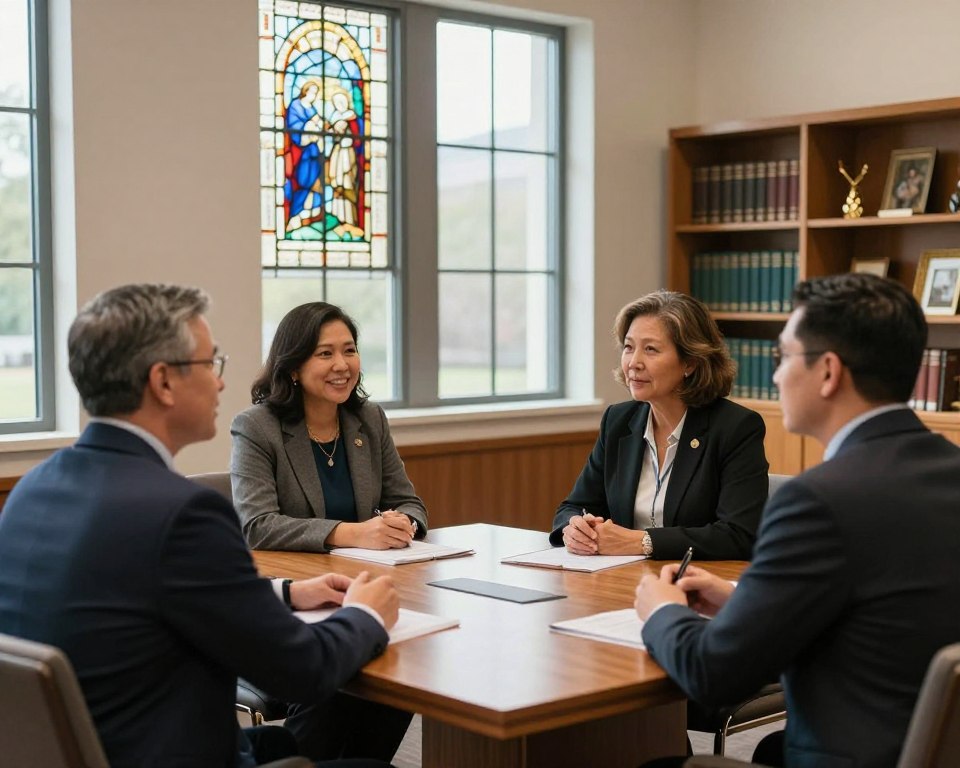
By understanding and engaging with PCA church leadership, you can deepen your connection with the church and contribute to its mission.
The Importance of Fellowship in PCA
In PCA churches, fellowship is not just an activity, but a way of life that brings people together in meaningful ways. Fellowship is essential for building a strong, supportive community within the church, and PCA churches offer various opportunities for members to connect with one another.
Fellowship in PCA churches is multifaceted, encompassing small groups, social events, and volunteer programs. These activities are designed to foster a sense of belonging and community among members.
Opportunities for Small Groups
Small groups are a vital part of fellowship in PCA churches. These groups provide a more intimate setting for members to share their experiences, study scripture together, and support one another in their spiritual journeys. Some common types of small groups include:
- Bible study groups
- Prayer groups
- Support groups for specific life challenges
By participating in small groups, members of PCA churches can develop deeper relationships with one another and grow in their faith together.
Social Events for Families
PCA churches also host various social events that are designed to bring families and individuals together. These events can range from casual gatherings to more formal functions, and they provide opportunities for members to build relationships in a relaxed atmosphere. Some examples of social events include:
- Family picnics
- Holiday celebrations
- Community service projects
These events help to create a sense of community and belonging among PCA church members.
Volunteer Programs and Service Projects
Volunteer programs and service projects are another important aspect of fellowship in PCA churches. By serving together, members can demonstrate their love for God and their neighbors, while also building stronger bonds within the community. Some examples of volunteer programs include:
- Food drives and food banks
- Disaster relief efforts
- Community outreach programs
Through these service projects, PCA church members can make a positive impact in their communities while growing in their faith.
In conclusion, fellowship is a vital component of life in PCA churches, providing members with opportunities to connect with one another, grow in their faith, and serve their communities. By participating in small groups, social events, and volunteer programs, members of PCA churches can experience the love and support of their community.
Testimonials from PCA Congregants
PCA congregants frequently express how their faith has been nurtured and strengthened through their involvement in the church community. The Presbyterian Church in America (PCA) is not just a place of worship; it’s a family that supports and guides its members on their spiritual journeys.
Personal Stories of Faith
Many PCA members have shared powerful stories of transformation. For some, joining a PCA church marked a new chapter in their spiritual lives, where they found a community that understood and supported their beliefs. Others have spoken about the profound impact of biblical teaching on their daily lives, guiding them through life’s challenges.
Experiences in Community Worship
Worshiping together is a cornerstone of the PCA experience. Congregants often praise the reverent and meaningful worship services, which are characterized by a blend of traditional and contemporary elements. The sense of community is palpable, with many members forming lasting bonds through their shared experiences in worship.
The Impact of PCA on Spiritual Growth
The PCA has been instrumental in the spiritual growth of its congregants. Through various ministries, including Bible studies, fellowship groups, and outreach programs, members are encouraged to deepen their understanding of their faith and live it out in service to others. This holistic approach to spiritual development has helped many PCA congregants mature in their faith and become active participants in their communities.
For those seeking a church community that is grounded in biblical teaching and committed to spiritual growth, the PCA offers a welcoming environment. If you’re looking to locate a PCA Presbyterian church near you, consider reaching out to local PCA churches to experience their vibrant community and worship firsthand.
Resources for New Visitors to PCA Churches
New visitors to Presbyterian Church in America (PCA) churches can expect a warm welcome and a community that is committed to biblical teaching. If you’re looking for a PCA church near you, there are several resources available to help you get started.
First-Time Visitor Information
On your first visit to a PCA church, you can expect a service that is centered around the Bible and includes traditional or contemporary worship elements. Many PCA churches also have a welcoming process in place, which may include a greeting from the pastor or an usher.
Helpful Resources for Visitors
For those looking for a pca presbyterian church nearby, the PCA website offers a church finder tool that allows you to search for churches by location. You can also find helpful reading materials and links to PCA resources on their website, which can provide a deeper understanding of the PCA’s beliefs and practices.
Getting in Touch with Local PCA Churches
If you’re interested in visiting a presbyterian church pca closest to me, you can use the PCA church finder tool or contact local PCA churches directly to learn more about their services and community. You can find contact information for PCA churches on their individual websites or through the PCA website.
FAQ
What are the core beliefs of the Presbyterian Church in America (PCA)?
The PCA is a conservative Presbyterian denomination that adheres to the Bible as the inspired, inerrant Word of God. They affirm the Westminster Confession of Faith and the Larger and Shorter Catechisms as their doctrinal standards.
How do I find a PCA Presbyterian church near my location?
You can use the PCA church locator tool or online directory to find a Presbyterian Church in America near you. Simply enter your location or zip code, and you’ll be directed to a list of nearby PCA churches.
What is the Presbyterian form of government, and how does it work in PCA churches?
The Presbyterian form of government is characterized by the leadership of elders, who are responsible for the spiritual guidance of the congregation. In PCA churches, elders are elected by the congregation and serve on the church’s governing body, known as the session.
How do I become a member of a PCA church?
To become a member of a PCA church, you typically need to meet with the church’s pastor or elders, undergo a period of instruction or orientation, and make a public profession of faith. The specific requirements may vary from church to church.
Is there a dress code for PCA church services?
While dress codes can vary from church to church, most PCA churches do not have a formal dress code. However, it’s generally recommended to dress modestly and respectfully for worship services.
What can I expect from a PCA church service?
PCA church services typically include elements such as prayer, Scripture reading, preaching, and the sacraments of baptism and the Lord’s Supper. The style of worship can vary, with some churches following a more traditional or liturgical approach, while others may be more contemporary.
How do PCA churches engage with their local communities?
PCA churches are committed to serving their local communities through various initiatives, such as food banks, outreach programs, and partnerships with other organizations. They also support local missions and community development projects.
Can I find a PCA church with a specific worship style?
Yes, PCA churches exhibit a range of worship styles, from traditional to contemporary. You can use the PCA church locator tool to search for churches in your area and find one that suits your preferences.
How do I contact a PCA church near me?
You can use the PCA church directory or locator tool to find contact information for PCA churches in your area. You can also visit the church’s website or social media pages to get in touch with them directly.
What resources are available for new visitors to PCA churches?
New visitors to PCA churches can expect to find a welcoming environment, with resources such as visitor’s packets, newcomer’s classes, and opportunities to meet with church leaders. You can also find helpful links and reading materials on the PCA church’s website.