Are you looking for a PCA Presbyterian Church in your area? The Presbyterian Church in America (PCA) is a conservative denomination with a rich history and a strong commitment to biblical teachings.
To find a PCA church near you, it’s essential to confirm their meeting times and locations. Visiting a church’s website or contacting them directly is the best way to get the most up-to-date information.
By finding a PCA church that suits your needs, you can become part of a community that shares your values and is dedicated to serving others.
Key Takeaways
- Understand what PCA stands for and its significance
- Learn how to find a PCA church near your location
- Confirm church meeting times and locations
- Discover the benefits of joining a PCA church community
- Get the most out of your church experience by being informed
Understanding the PCA Pentecostal Church
Understanding the PCA requires delving into its theological roots and ecclesiastical structure. The Presbyterian Church in America (PCA) is a denomination that is deeply rooted in Reformed theology and governed by a Presbyterian form of church government.
What is the PCA?
The PCA is a Protestant Christian denomination that originated in the United States. It is characterized by its adherence to the Westminster Confession of Faith and its commitment to the principles of the Reformation.
The term “Presbyterian” refers to the form of church government where each congregation is under the oversight of elected elders, who are also part of higher courts known as presbyteries and Synod. This governance structure is a hallmark of the PCA and distinguishes it from other forms of church government.
Foundational Beliefs of PCA Churches
The foundational beliefs of PCA churches are rooted in Reformed theology. This includes a strong emphasis on the authority of Scripture, the sovereignty of God, and the doctrine of salvation by grace alone through faith alone.
- The authority and sufficiency of the Bible
- The sovereignty of God in all things
- Salvation by grace through faith in Jesus Christ
These beliefs are foundational to the PCA’s understanding of Christianity and are reflected in its worship practices and community life.
The Role of Tradition in PCA Worship
Tradition plays a significant role in PCA worship, with a strong emphasis on liturgical practices that are rooted in the Reformed tradition. This includes the use of the Psalter in worship and a commitment to the sacraments of baptism and the Lord’s Supper.
The PCA’s approach to worship is characterized by a balance between tradition and contemporary expression, ensuring that worship is both reverent and relevant.
Historical Background of the PCA
The PCA’s history is deeply rooted in the Reformed tradition, tracing its origins back to the 18th century. The Presbyterian Church in America (PCA) emerged as a distinct denomination in 1973, primarily due to theological and ecclesiastical differences within the existing Presbyterian Church in the United States (PCUS).
The Origins of the PCA
The PCA’s roots can be traced back to the Reformed Presbyterian Church, which had its beginnings in Scotland and Ireland. Many Reformed Presbyterian congregations in these regions were part of sister denominations, sharing similar theological convictions and practices. The PCA’s formation was influenced by the broader Reformed tradition, emphasizing the authority of Scripture and the Westminster Confession of Faith.
Key Milestones in PCA History
Several key milestones mark the PCA’s historical journey. The denomination officially came into being in 1973, with the first General Assembly held in Macon, Georgia. Over the years, the PCA has experienced significant growth, both in the United States and internationally. This growth has been accompanied by the establishment of various missions, educational institutions, and church planting initiatives.
One notable event in the PCA’s history was its involvement in the church planting movement, which aimed to establish new congregations in diverse communities. This initiative not only expanded the PCA’s reach but also fostered a spirit of evangelism and missionary work within its churches.
Notable Leaders and Influencers
The PCA has been shaped by numerous influential leaders throughout its history. These individuals have played crucial roles in shaping the denomination’s theology, governance, and mission. Notable figures include pastors, theologians, and church leaders who have contributed to the PCA’s development through their writings, teachings, and leadership.
For instance, the PCA’s commitment to the Westminster Confession of Faith reflects its adherence to Reformed theology. Leaders within the PCA have consistently emphasized the importance of this confession, ensuring that the denomination remains grounded in its theological heritage.
Core Beliefs of the PCA
The core beliefs of the PCA are centered around the authority of the Bible, the sovereignty of God, and the importance of grace. These foundational principles shape the PCA’s approach to theology and practice.
The Authority of Scripture
The PCA places a strong emphasis on the authority of Scripture, believing that the Bible is the inspired, inerrant, and authoritative Word of God. This belief is foundational to the PCA’s theology and practice.
Key aspects of the PCA’s view on Scripture include:
- The Bible as the ultimate authority in matters of faith and practice
- The inspiration and inerrancy of Scripture
- The importance of interpreting Scripture in its historical and cultural context
Salvation and Grace in PCA Theology
The PCA’s theology of salvation is rooted in Reformed theology, emphasizing the sovereignty of God in salvation and the importance of grace. Key tenets include:
- The total depravity of humanity, emphasizing the need for salvation through grace alone
- The unconditional election of believers, highlighting God’s sovereignty in salvation
- The limited atonement, focusing on the specific intent of Christ’s sacrifice for the elect
The PCA teaches that salvation is a gift from God, received through faith in Jesus Christ. This understanding of salvation underscores the importance of grace in the Christian life.
The Westminster Confession of Faith
The Westminster Confession of Faith is a foundational document for the PCA, outlining the theological beliefs and practices of Reformed churches. It covers a wide range of topics, from the nature of God to the role of the church in society.
The Confession is significant because it:
- Provides a comprehensive summary of Reformed theology
- Serves as a unifying document for churches within the PCA
- Guides the teaching and practice of the church
By affirming the Westminster Confession of Faith, the PCA demonstrates its commitment to Reformed theology and its heritage.
Worship Style at PCA Churches
PCA churches approach worship with a deep sense of reverence and adherence to biblical principles, reflecting their commitment to Presbyterian church beliefs. This approach shapes the various elements of their worship services, creating a cohesive and meaningful experience for congregants.
Liturgical Practices
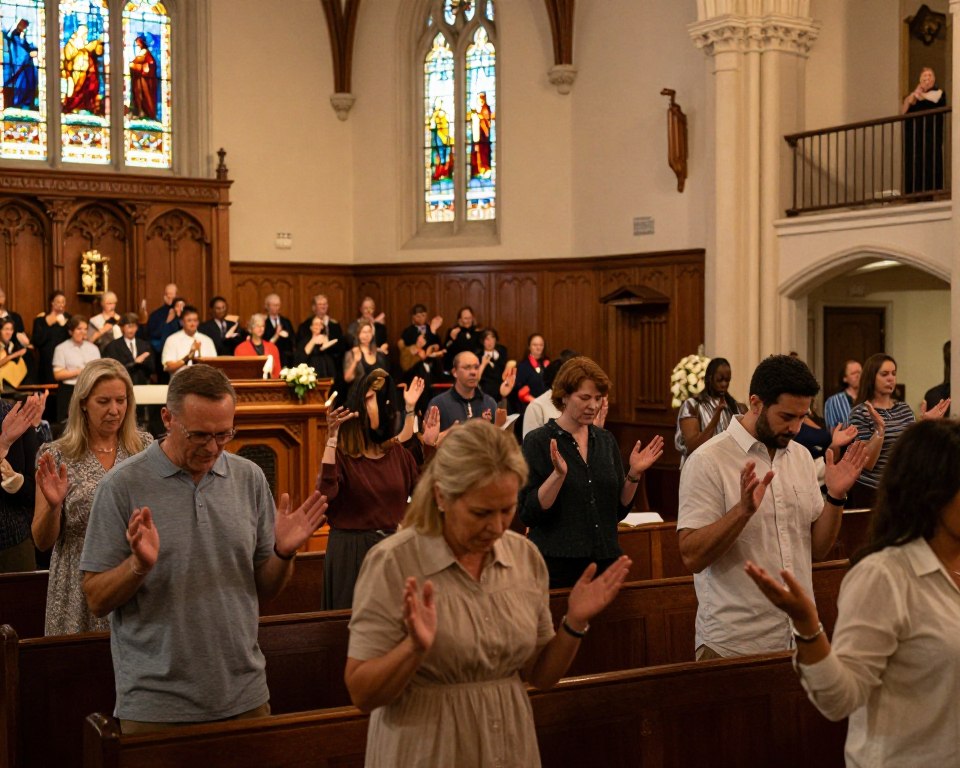
Liturgical practices in PCA churches are characterized by a blend of tradition and biblical fidelity. The service typically follows a structured order, which includes elements such as prayers, Scripture readings, and the preaching of the Word. This structure is guided by the church’s commitment to liturgical worship, which is rooted in the church’s doctrine.
The use of liturgy in PCA churches serves to create a sense of continuity with the broader Christian tradition, while also ensuring that the service remains focused on the proclamation of the Gospel. As such, the liturgical practices are designed to be both reverent and engaging, drawing congregants into a deeper experience of worship.
Music and Hymnody
Music and hymnody play a vital role in PCA worship, with a rich heritage of traditional hymns and Psalms. The churches often utilize hymns that have been part of the Christian tradition for centuries, alongside contemporary music that reflects the church’s commitment to reaching a wide audience.
The selection of music in PCA churches is guided by a desire to honor God through the offering of our best talents and resources. As such, the music is typically characterized by a high level of musicianship and a focus on theological accuracy in the lyrics.
The Sacraments in Worship
In PCA churches, the sacraments are observed with great reverence and according to biblical teachings. The two recognized sacraments are Baptism and the Lord’s Supper, both of which are seen as means of grace through which God nourishes the faith of His people.
The celebration of the Lord’s Supper, in particular, is a significant aspect of PCA worship, reflecting the church’s commitment to the PCA church doctrine regarding the sacraments. The manner in which the Lord’s Supper is observed varies among PCA churches, but it is universally regarded as a central element of the worship service.
| Sacrament | Significance | Practice in PCA Churches |
|---|---|---|
| Baptism | Initiation into the Christian faith | Administered to believers and their children, symbolizing cleansing from sin and new life in Christ. |
| Lord’s Supper | Commemoration of Christ’s death and resurrection | Celebrated regularly, with elements of bread and wine symbolizing Christ’s body and blood, nourishing the spiritual life of believers. |
Community and Fellowship Opportunities
One of the hallmarks of PCA churches is their emphasis on community and fellowship, providing a welcoming environment for believers to connect and grow in their faith.
Small Groups and Bible Studies
PCA churches often have a variety of small groups and Bible studies that cater to different demographics and interests. These groups provide a platform for members to delve deeper into scripture, share personal experiences, and support one another in their spiritual journeys.
For instance, a PCA church near you might have small groups for young adults, women’s Bible studies, and men’s fellowship groups, all designed to foster a sense of community and spiritual growth.
Fellowship Events
Fellowship events are a significant part of PCA church life, offering opportunities for members to come together outside of regular worship services. These events can range from social gatherings and potluck dinners to outdoor activities and community service projects.
By participating in these events, members can build stronger relationships with one another, creating a supportive and caring community.
Serving the Community
Serving the community is a vital aspect of PCA church ministry. Many PCA churches are actively involved in local outreach programs, food banks, and other charitable initiatives, demonstrating their commitment to serving others and living out their faith in practical ways.
To find a PCA church near you that is actively engaged in community service and fellowship, you can use online directories or ask for recommendations from friends and family.
| Community Activity | Description | Frequency |
|---|---|---|
| Small Groups | Bible studies and fellowship for various age groups | Weekly |
| Fellowship Events | Social gatherings, potlucks, and community service | Monthly |
| Community Service | Outreach programs, food banks, and charitable initiatives | Ongoing |
How to Locate a PCA Church
Discovering a PCA church that suits your needs is easier than you think. With several methods available, you can find a church that aligns with your beliefs and provides a supportive community.
Using Online Directories
One of the most convenient ways to find a PCA church is by using online directories. The PCA website offers a comprehensive directory that allows you to search for churches by location, name, or pastor. You can visit the PCA website and use their church finder tool to get a list of nearby churches along with their contact information.
Additionally, you can use online maps to view PCA churches in your area. By entering your location, you can see the nearest churches on a map and get directions to their locations.
Visiting Local Congregations
Visiting local PCA congregations is another effective way to find a church that feels like home. Attend a service, meet with the church members, and observe the worship style to determine if it’s a good fit for you.
Before visiting, it’s a good idea to check the church’s website or contact them to confirm their service times and any other relevant details.
Recommendations from Friends
Personal recommendations from friends or family members who attend a PCA church can be invaluable. They can provide insights into the church’s community, worship style, and overall atmosphere.
Don’t hesitate to ask friends or acquaintances about their experiences with local PCA churches. Their firsthand accounts can help you make an informed decision.
| Method | Description | Benefits |
|---|---|---|
| Online Directories | Use the PCA website’s church finder tool or online maps to locate PCA churches. | Convenient, comprehensive list of churches, contact information. |
| Visiting Local Congregations | Attend a service, meet with church members, and observe the worship style. | Personal experience, firsthand observation of community and worship. |
| Recommendations from Friends | Ask friends or family members about their experiences with local PCA churches. | Personal insights, understanding of church community and atmosphere. |
By using these methods, you can effectively locate a PCA church that meets your needs and provides a supportive community for your spiritual journey.
Getting Involved in a PCA Church
Getting involved in a PCA church not only deepens your faith but also connects you with like-minded individuals who share your spiritual values. As you consider becoming a part of the Presbyterian Church in America (PCA), understanding the steps to get involved is crucial.
Membership Process
The membership process in a PCA church is designed to help individuals integrate into the community seamlessly. Typically, the process involves attending a membership class where the church’s beliefs, values, and practices are discussed. This is an excellent opportunity to ask questions and understand the church’s stance on various theological and practical issues.
Once you’ve attended the membership class, you’ll be invited to make a public profession of faith or transfer your membership from another church, depending on your background. The church elders will then welcome you as a new member during a Sunday service.
Opportunities for Service
PCA churches offer numerous opportunities for service, allowing members to use their talents and gifts for the benefit of the community. From serving on church committees to participating in outreach programs, there’s a wide range of activities to get involved in.
| Service Opportunity | Description |
|---|---|
| Church Committees | Participate in decision-making processes and help with church operations. |
| Outreach Programs | Engage in community service and evangelism efforts. |
| Youth Ministries | Support and mentor young people within the church. |
Engaging with Youth Programs
Engaging with youth programs is a vital aspect of PCA church life. These programs are designed to nurture the spiritual growth of young people, providing them with a supportive community and biblical teaching. Members can get involved by volunteering as mentors, helping with events, or participating in youth ministry teams.
By getting involved in a PCA church, you become part of a vibrant community that is committed to serving others and growing in faith together. Whether through membership, service, or engaging with youth programs, there are numerous ways to contribute and be blessed.
Understanding PCA Governance
Understanding the governance of the PCA requires a look into its church structure, leadership roles, and the broader assembly that brings churches together. The term “Presbyterian” refers to our form of church government, emphasizing the role of elders in the decision-making process.
Church Structure and Leadership
The PCA is characterized by a connectional system that balances local church autonomy with a collective approach to governance. This system is rooted in the belief that churches are not isolated entities but are part of a larger body of Christ.
Local churches are governed by a session of elders, who are responsible for the spiritual oversight of the congregation. This leadership structure is crucial for maintaining the theological integrity and mission focus of the church.

Role of Elders and Deacons
Elders play a pivotal role in the governance of PCA churches. They are responsible for teaching, governing, and providing spiritual leadership. Deacons, on the other hand, focus on the practical needs of the congregation, such as caring for the poor and needy.
The distinction between elders and deacons is rooted in biblical tradition and is seen as a way to ensure that both the spiritual and physical needs of the congregation are met.
The General Assembly
The General Assembly is the highest governing body of the PCA, meeting annually to address matters of doctrine, practice, and mission. It is composed of commissioners from local churches, including elders and ministers.
The General Assembly provides a forum for churches to come together, discuss issues of common concern, and make decisions that affect the broader PCA community.
The governance structure of the PCA reflects its commitment to biblical principles and Presbyterian tradition, ensuring that churches are guided by a shared understanding of theology and practice.
PCA’s Mission and Outreach
With a strong foundation in reformed theology, PCA churches actively engage in local and global outreach efforts. The Presbyterian Church in America (PCA) is committed to spreading the Gospel and serving communities through various initiatives.
Local Ministry Initiatives
PCA churches are involved in numerous local ministry initiatives that cater to the needs of their communities. These initiatives include food banks, homeless shelters, and youth programs. By serving locally, PCA churches demonstrate their commitment to living out their faith in practical ways.
National and Global Missions
Beyond local efforts, the PCA is actively involved in national and global missions. This includes supporting missionaries, planting new churches, and providing aid to communities in need around the world. The PCA’s global outreach is a testament to its commitment to the Great Commission.
| Mission Type | Description | Impact |
|---|---|---|
| Church Planting | Establishing new PCA churches in diverse locations | Growing the PCA presence globally |
| Missionary Support | Providing financial and prayer support to PCA missionaries | Enabling missionaries to serve effectively |
| Disaster Relief | Offering aid and assistance to communities affected by disasters | Demonstrating the love of Christ in times of need |
Community Partnership Programs
The PCA also engages in community partnership programs that foster collaboration between churches and local organizations. These programs aim to address social issues, promote community development, and share the Gospel. By partnering with other organizations, PCA churches can amplify their impact and serve more effectively.
In conclusion, the PCA’s mission and outreach efforts are multifaceted and far-reaching. Through local ministry initiatives, national and global missions, and community partnership programs, PCA churches are making a significant difference in the lives of individuals and communities.
FAQs About PCA Churches
As you explore the Presbyterian Church in America (PCA), you may have several questions about its beliefs and practices. The PCA is a denomination with a rich history and a strong commitment to traditional Christian values. Below, we address some frequently asked questions to help you better understand what the PCA is all about.
What Makes PCA Unique?
The PCA is distinct from other Presbyterian denominations due to its conservative theological stance and adherence to the Westminster Confession of Faith. This foundational document outlines the PCA’s beliefs on various aspects of Christian doctrine and practice. One of the key features that make PCA churches unique is their emphasis on expository preaching, where sermons are deeply rooted in biblical teachings.
| Feature | Description | Significance |
|---|---|---|
| Conservative Theology | Adherence to traditional Christian beliefs | Provides a stable foundation for faith |
| Expository Preaching | In-depth explanation of biblical texts | Enhances understanding of scripture |
| Community Focus | Emphasis on fellowship and service | Fosters a sense of belonging among members |
Attending a Service for the First Time
If you’re planning to attend a PCA church service for the first time, you might be wondering what to expect. PCA churches typically follow a liturgical worship style, which includes elements like prayers, hymns, and sermons. The atmosphere is often described as reverent and welcoming. You can find a pca church near me by visiting online directories or asking friends for recommendations.
Understanding Differences Between Denominations
The PCA is one of many Presbyterian denominations, each with its own theological perspectives and practices. Understanding the differences between denominations can be complex, but it’s essential for finding a church that aligns with your beliefs. The PCA’s commitment to the Westminster Confession of Faith and its conservative stance on theology are key factors that distinguish it from other Presbyterian churches.
By exploring these FAQs, you can gain a deeper understanding of the PCA and its role within the broader Christian community. Whether you’re looking for a church to call home or simply seeking to learn more about the PCA’s presbyterian church history, this information can serve as a valuable resource.
Conclusion: Your Next Steps with PCA
As you consider becoming a part of a Presbyterian Church in America (PCA) community, the next steps involve finding a church home that aligns with your beliefs and values. Utilizing a PCA church directory can be a great starting point to locate nearby congregations.
Locating Your Church Home
Begin by searching online for PCA churches in your area. Visiting the PCA website or using a church directory can provide you with a list of local congregations. Attend services at a few different churches to find the one that feels like home.
Building Connections with Church Leaders
Once you’ve identified a church that resonates with you, take the initiative to connect with church leaders. They can provide valuable insights into the church’s mission, community, and how you can get involved. This connection can be a crucial step in deepening your faith journey.
Embracing Your Spiritual Path
Embracing your faith journey within a PCA church involves participating in worship services, engaging in community activities, and serving others. As you become more involved, you’ll find opportunities to grow spiritually and build meaningful relationships within the church community.
FAQ
What does PCA stand for in the context of Presbyterian churches?
PCA stands for Presbyterian Church in America, a Protestant denomination that adheres to Reformed theology and the Westminster Confession of Faith.
What are the core beliefs of the PCA denomination?
The PCA holds to the authority of Scripture, the sovereignty of God in salvation, and the principles outlined in the Westminster Confession of Faith, emphasizing the importance of faith, grace, and the sacraments.
How does the PCA differ from other Presbyterian denominations?
The PCA is distinct in its conservative theological stance, adherence to the Westminster Confession of Faith, and a governance structure that emphasizes the autonomy of local churches while maintaining a connectional system through the General Assembly.
What is the significance of the Westminster Confession of Faith in PCA churches?
The Westminster Confession of Faith is a foundational document that outlines the theological beliefs and practices of PCA churches, serving as a summary of Reformed theology and a guide for doctrine and church governance.
How can I find a PCA church near me?
You can locate a PCA church by using online directories, visiting the PCA website to search for churches by location, or seeking recommendations from friends or other church members.
What can I expect during a typical worship service at a PCA church?
PCA worship services typically include liturgical elements such as prayer, Scripture reading, and the sacraments, along with hymns and contemporary music, reflecting a blend of traditional and contemporary worship styles.
How do PCA churches approach community service and outreach?
PCA churches are involved in various community service projects and outreach initiatives, both locally and globally, reflecting their commitment to serving others and sharing the Gospel.
What is the process for becoming a member of a PCA church?
The membership process typically involves attending a new member class, meeting with church leaders, and making a public profession of faith, followed by a vote by the church session to receive the individual as a member.
How are PCA churches governed, and what is the role of elders and deacons?
PCA churches are governed by a session of elders, who oversee the spiritual life and governance of the church, while deacons are responsible for caring for the physical and practical needs of the congregation.
What is the General Assembly in the PCA, and what is its function?
The General Assembly is the highest governing body in the PCA, meeting annually to address issues of doctrine, church governance, and mission, providing a connectional framework for PCA churches.